Physical Sciences Teaching Resources
An extensive collection of physical sciences teaching resources to use in the classroom. Within this collection, you will find teaching resources covering topics such as electricity, forces, light and sound, magnetism, movement, physics and simple machine. Display and use the variety of physical sciences themed posters, worksheets, activities, unit and lesson plans, PowerPoint activities and vocabulary word wall cards when learning about the different facets of physical sciences.
- Plus Plan
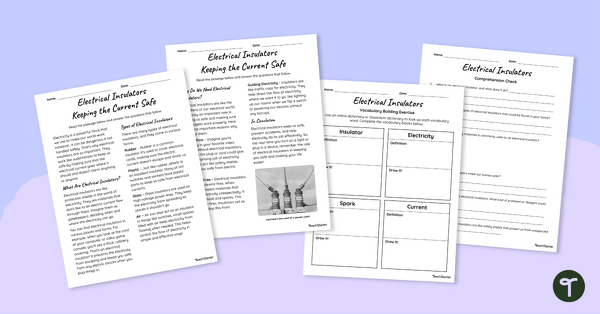
Electrical Insulators Reading Comprehension Worksheet
Discover the shockingly interesting world of electrical insulators with our downloadable reading comprehension worksheet.
- Plus Plan
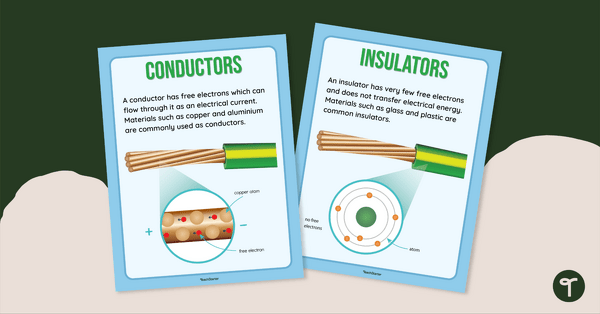
Insulators and Conductors Poster Set
Teach your students about the characteristics of insulators and conductors with this set of science posters for the classroom.
- Free Plan
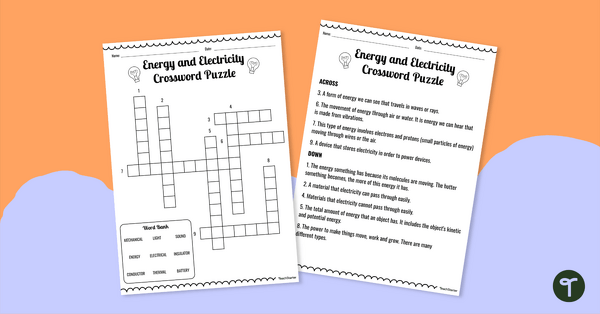
Energy and Electricity Crossword Puzzle
Reinforce science vocabulary with a free energy and electricity crossword puzzle.
- Plus Plan
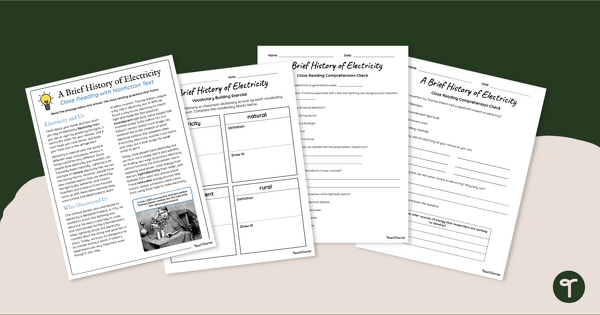
Reading Comprehension Worksheets - The History of Electricity
Read to learn about the history of electricity with printable reading comprehension worksheets.
- Plus Plan
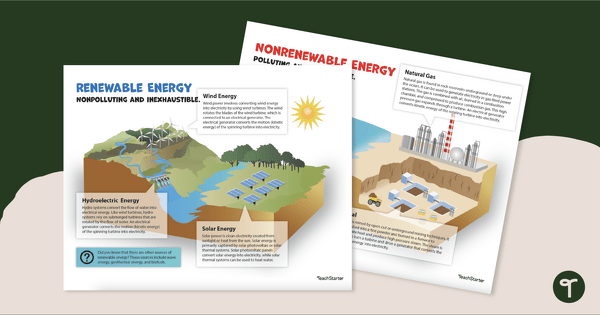
Renewable and Non-renewable Energy Sources Poster Pack
Use our Renewable and Non-Renewable Energy Posters to isplay and examine renewable and non-renewable energy sources, including wind, hydroelectric, solar, natural gas, oil and coal.
- Plus Plan
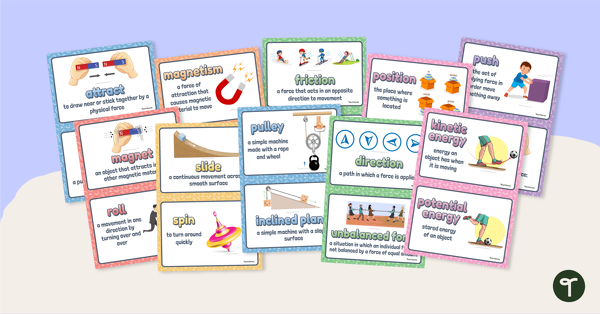
Force and Motion Vocabulary Posters
Display this set of 22 mini-posters in your classroom when learning about force and motion vocabulary.
- Plus Plan
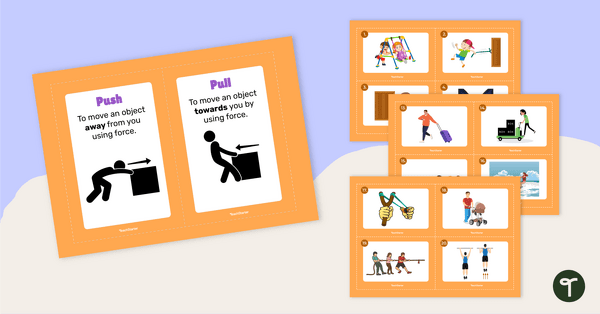
Push and Pull Sorting Activity
Use these push and pull sorting cards as a hands-on activity during your science lessons on forces.
- Plus Plan
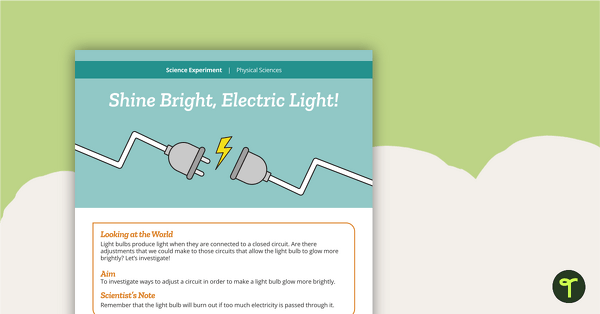
Science Experiment - Shine Bright, Electric Light!
A science experiment that investigates how changes to electrical circuits affects their components.
- Plus Plan
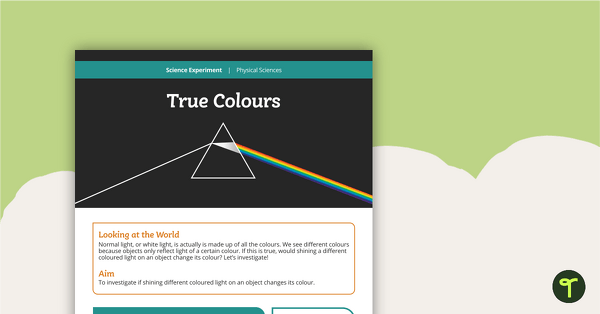
Science Experiment - True Colours
A science experiment that explores the perception of colour.
- Plus Plan
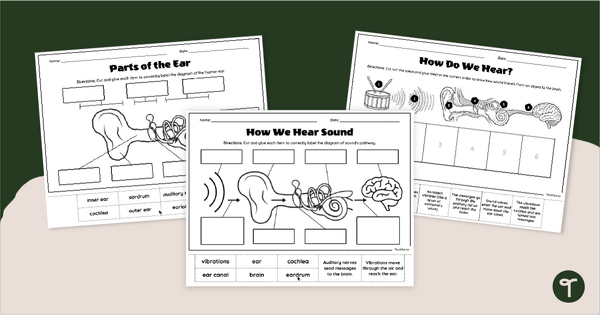
‘How We Hear Sound’ Worksheets
Explore how sound travels through the ear with a set of cut-and-paste How We Hear Sound Worksheets.
- Plus Plan
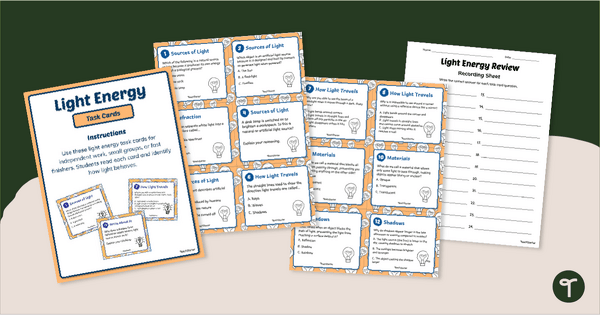
Light Energy Task Cards
Review or assess student knowledge of light energy with a set of printable Light Energy Task Cards.
- Free Plan
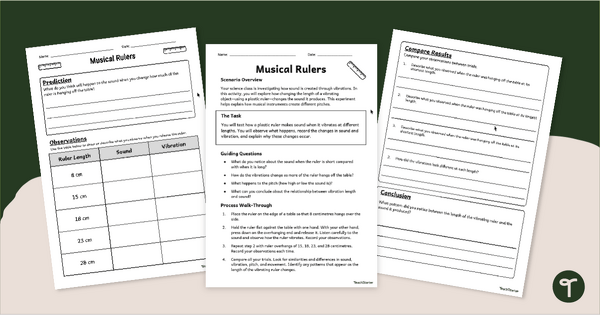
Musical Ruler Sound Experiment
Observe how sound is created through vibrations with an engaging Musical Rulers Sound Experiment.
- Plus Plan
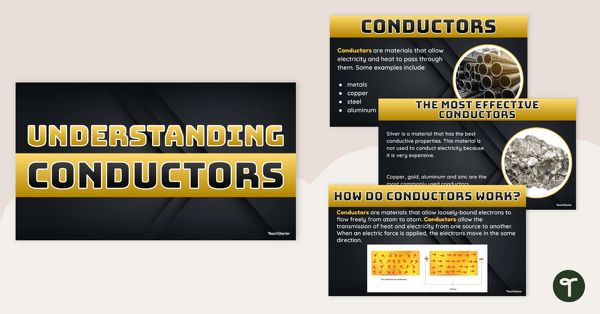
Understanding Conductors PowerPoint
Teach your students about the basics of conductors with this 17-slide teaching presentation.
- Plus Plan
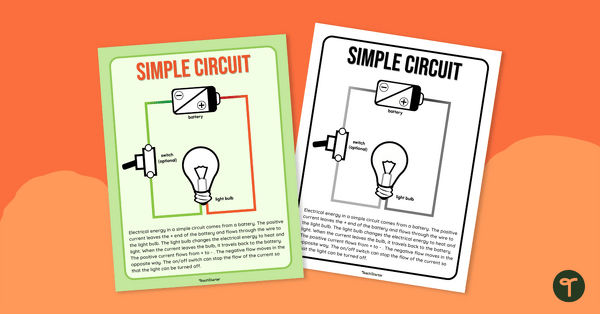
Simple Circuit Diagram
Spark curiosity and illuminate young minds with the wonders of electricity. Download this simple circuit diagram to light up your classroom!
- Plus Plan
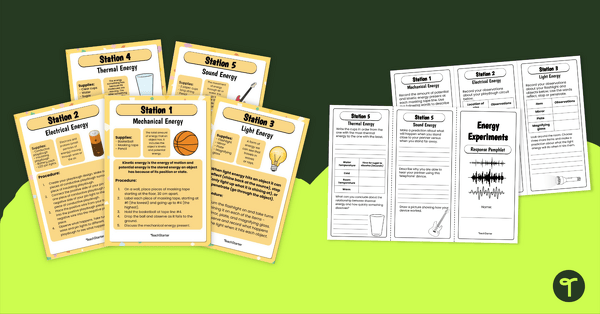
Energy Experiments for Kids
Investigate mechanical, electrical, light, thermal and sound energy with this set of energy experiments for kids.
- Plus Plan
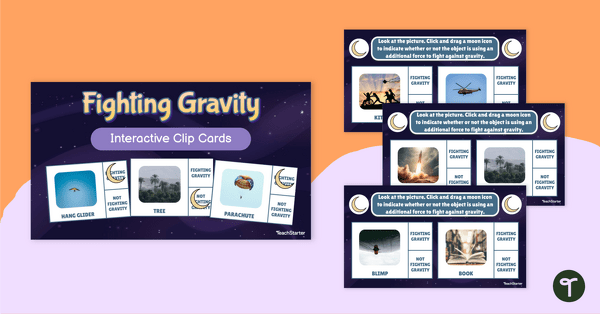
Fighting Gravity Interactive Peg Cards
Explore objects that must fight gravity to stay in their air with this set of 24 digital peg cards.
- Plus Plan
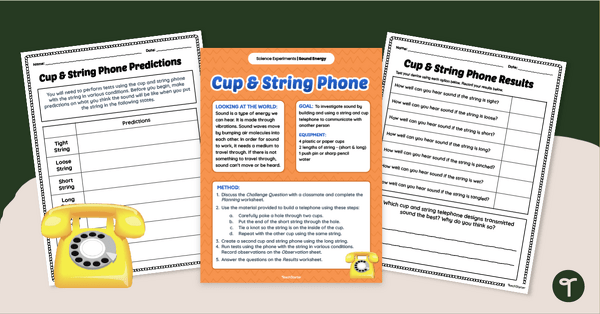
Cup and String Phone - Science Sound Investigation
Build and test a cup and string phone to investigate the transmission of sound waves through different media.
- Plus Plan
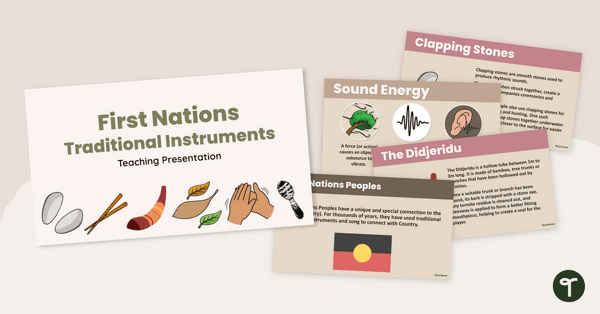
Sound Energy PowerPoint (First Nations Musical Instruments)
Help your students discover how traditional musical instruments used by First Nations Australians produce their characteristic sounds with this Sound Energy PowerPoint.
- Plus Plan
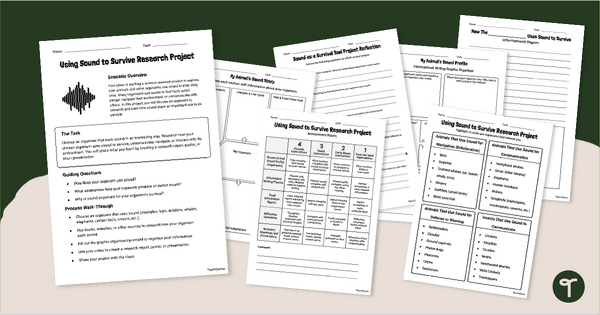
Animals Surviving With Sound Research Project
Assign an Animal Sound Research Project to encourage your students to explore how animals use sound to survive in the wild.
- Plus Plan
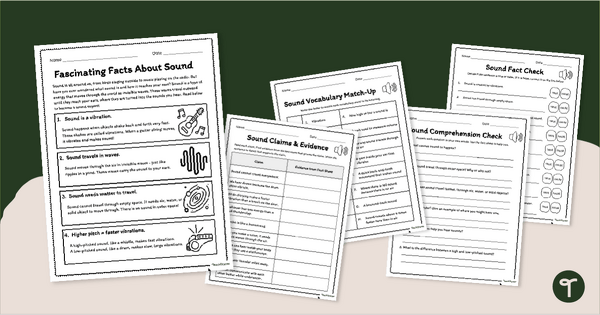
Fascinating Facts About Sound Worksheet Pack
Use this sound energy worksheet pack to boost comprehension and teach your student some interesting facts about sound.
- Plus Plan
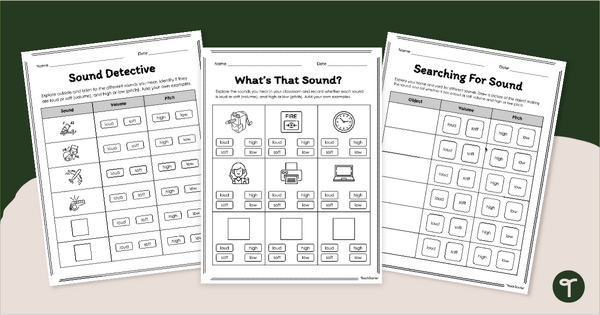
Sound Scavenger Hunt Activity Sheets (Pitch & Volume)
Explore pitch and volume with Sound Scavenger Hunt Activity Sheets.
- Free Plan
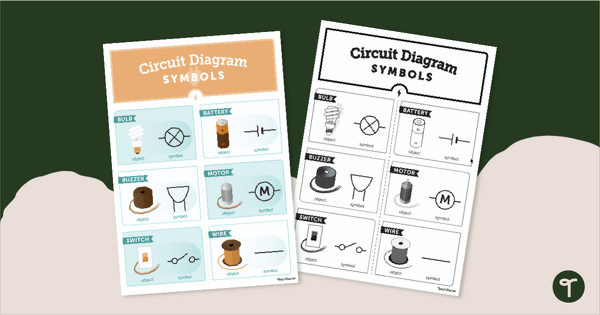
Circuit Diagram Symbols Poster
Explore the range of symbols used for drawing circuit diagrams with a printable Circuit Diagram Symbols Poster.
- Plus Plan
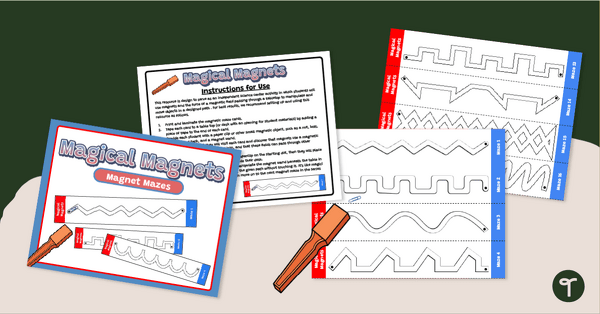
Magnetic Maze Activity Cards
Engage your students with a Magnetic Maze and help them discover the power of magnetic fields in the real world!
- Plus Plan
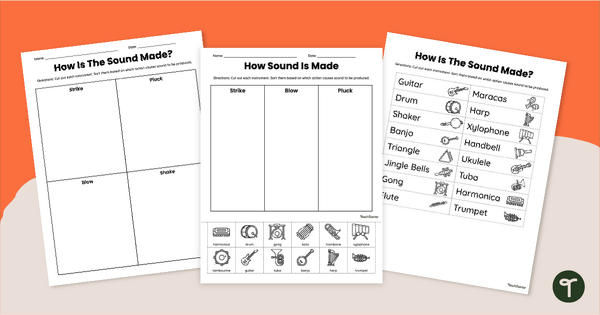
How Instruments Make Sound Worksheet Pack
Explore how musical instruments produce sound with this engaging cut-and-sort How Instruments Make Sound Worksheet Pack
- Free Plan
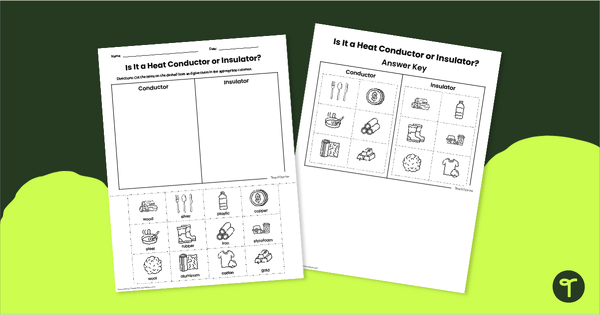
Thermal Conductor or Insulator? Worksheet
With this hands-on Thermal Conductor or Insulator Worksheet, students will cut and sort conductors and insulators.
- Plus Plan
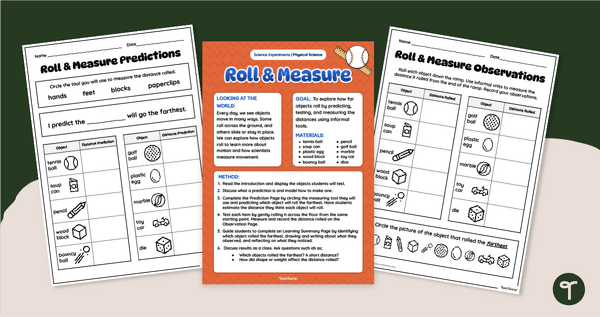
Roll & Measure Science Investigation
Explore movement and measurement with informal units with an engaging Roll and Measure Science Experiment for early learners.
- Plus Plan
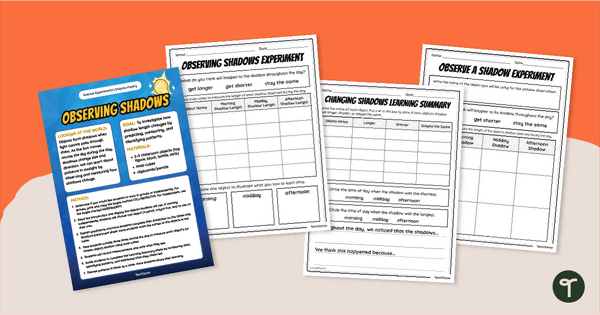
Observing Shadows Science Investigation (1-2)
Explore the world of light, shadow, and scientific inquiry with an engaging, outdoor Shadow Observation experiment.
- Plus Plan
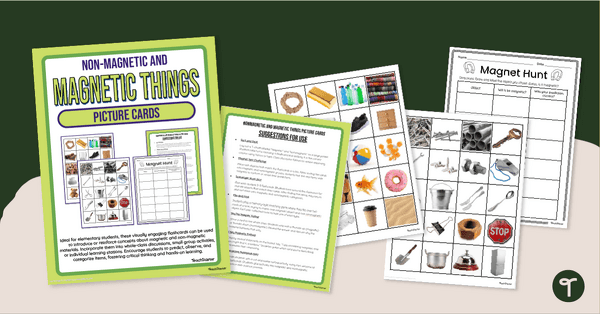
Exploring Magnetic Forces with Picture Cards
Discover magnetic and non-magnetic things using flashcards featuring things that are magnetic and non-magnetic.
- Plus Plan
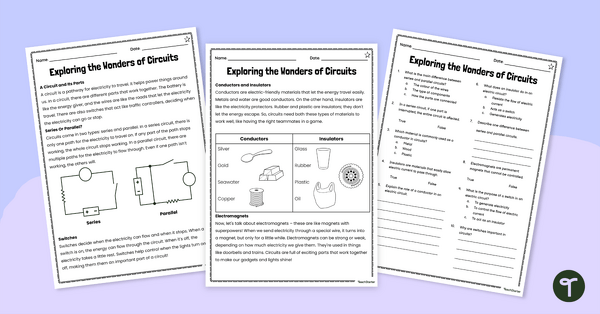
The Wonders of Circuits – Levelled Comprehension Worksheet Pack
Encourage your students to read and learn about circuits with this levelled worksheet pack.
- Plus Plan
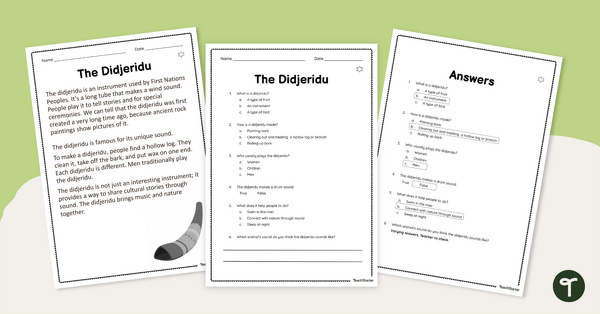
Sound Energy Didjeridu Reading Passage
Delve into learning about the didjeridu, its characteristic sounds, and its significance in First Nations Culture with this Sound Energy Didgeridu Reading Passage.
- Plus Plan
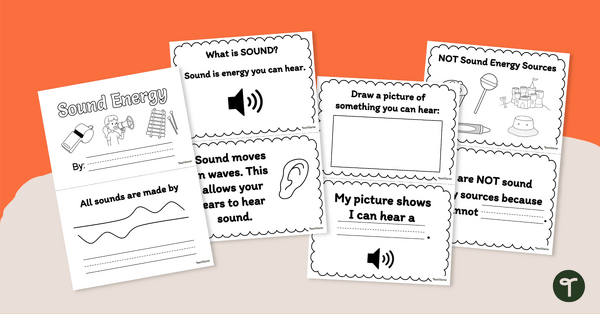
Sound Energy Booklet
Teach your students all about sound energy sources using this 12-page Sound energy booklet
- Plus Plan
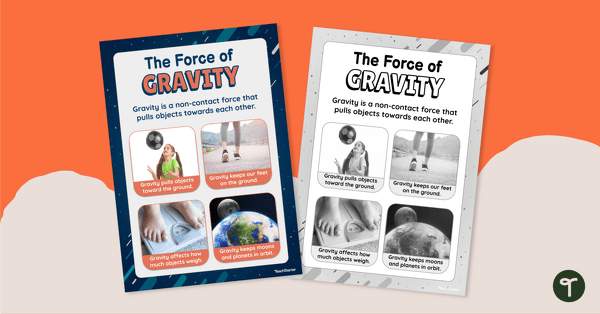
Gravity Poster
Teach students facts about gravity using this gravity poster perfect for Year 4 science lessons.
- Physical Sciences Worksheets
- Physical Sciences Projects
- Physical Sciences Teaching Presentations
- Physical Sciences Posters
- Physical Sciences Games
- Physical Sciences for Foundation Year
- Physical Sciences for Year 1
- Physical Sciences for Year 2
- Physical Sciences for Year 3
- Physical Sciences for Year 4
- Physical Sciences for Year 5
- Physical Sciences for Year 6