Segmenting Words Teaching Resources
Browse segmenting words activities, printable worksheets and more Australian Curriculum-aligned resources to teach this important literacy skill in your primary classroom.
This collection of teaching resources has been carefully reviewed by members of our expert teaching team to ensure every teacher-created resource is ready to use in your classroom. That means you can save hours on your lesson planning!
New to teaching this section of the curriculum, or just looking for some fresh ways to engage your students? Read on for a primer from our teacher team!
What Is Segmenting?
Phoneme segmenting is the process of breaking down a word into its individual phonemes, aka the smallest units of sound that distinguish one word from another in a particular language. This helps learners understand the relationships between written letters and the sounds they represent.
Why Is Phoneme Segmenting Important?
Being able to segment sounds is important for students to develop phonemic awareness – the ability to hear and manipulate individual sounds in spoken language — and this foundational literacy skill sets the stage for being able to read and write.
Letter-sound correspondence
Also known as grapheme-phoneme correspondence, letter-sound correspondence is the relationship between letters or graphemes and the sounds or phonemes they represent in spoken language.
Phoneme segmentation helps students understand the crucial relationship between letters and sounds. For example, if a student learns the letter 'c' and its corresponding sound /k/, they can then break down words like 'cat' into individual sounds /k/ /a/ /t/ and understand that the letter 'c' represents the sound /k/.
Decoding and encoding words
When students read a word, they need to break it down into individual sounds or phonemic chunks in order to understand it. When they write a word, they need to segment the word into individual sounds to know which graphemes to use. Phoneme segmentation helps with both.
For example, when spelling the word 'fish,' students need to segment the word into individual sounds /f/ /i/ /sh/, then use the appropriate graphemes to represent each sound.
Reading fluency
Phoneme segmentation can also improve reading fluency. When a young reader can quickly break down words into individual sounds, they can read more smoothly and accurately. For example, let's use the 'cat' example from before.
If that child can easily segment the word 'cat' into individual sounds, they can quickly recognise and read the word without stumbling, understanding that the text is about a furry four-legged animal.
Vocabulary development
This is yet another building block of early literacy that ties back to phonemes and segmentation. When students can break down words into individual sounds, they can more easily understand the meanings of new words.
Let's say a student encounters the word 'reptile.' They can segment it into individual sounds /r/ /e/ /p/ /t/ /i/ /l/ and then use their knowledge of phonemes to understand that the word relates to cold-blooded animals with scales.
How to Teach Phoneme Segmentation
Use Manipulatives
Starting off with manipulatives is a great way to help students begin to understand segmentation. Assign phonemes to blocks or counters, and have students move them around as they segment the word.
Bring Out the Elkonin Boxes
If you're not familiar already, Elkonin boxes are grids that represent the number of phonemes in a word. Students can place a counter in each box as they segment the word.
Use Word Families
Word families can help students identify the common phonemes in a group of words.
For example, we'll talk about 'cat' again! The -at family includes words like cat, hat and mat. Students can practice segmenting these words and identifying the common phoneme.
Turn to Rhyming Words
In the way that word families help students identify common phonemes, rhyming words can do the same. If a student knows that 'cat' rhymes with 'hat,' they can identify that both words have the same ending sound (-at).
Map Sounds
Create a sound map for a word by writing it out and drawing a line between each phoneme. This helps students visualise the sounds in a word and identify where each sound occurs.
Make It Fun
This isn't exactly a strategy, but let's face it — it's an important part of engaging our students, and we've filled this collection with many of our favourite segmenting games!
- Plus Plan
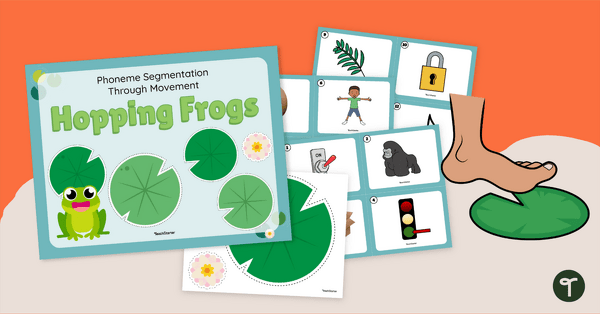
Phoneme Segmentation Activity - Hopping on Lily Pads
Jump the lilypads to practise segmenting 2, 3 and 4 phoneme words.
- Plus Plan

Break It Up! 2-Phoneme Word Segmentation Task Cards
Practise breaking down words with 2 phonemes into their sounds with this set of 18 task cards.
- Plus Plan
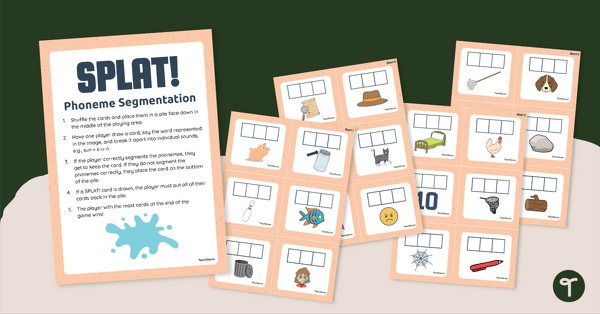
SPLAT! Phoneme Segmentation Game
Practise segmenting one-syllable words into their phonemes with this fun game!
- Plus Plan
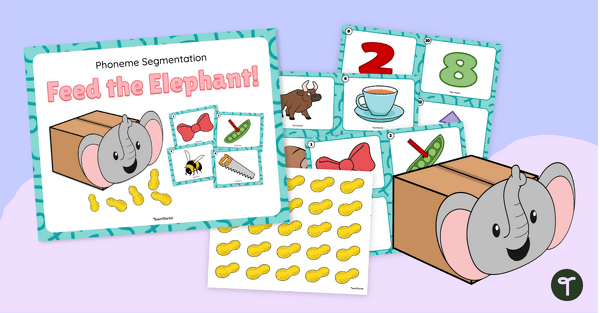
Phoneme Segmenting Activity – Feed the Elephant
Practise segmenting 2, 3 and 4 phoneme words verbally by feeding the elephant a peanut per phoneme.
- Plus Plan
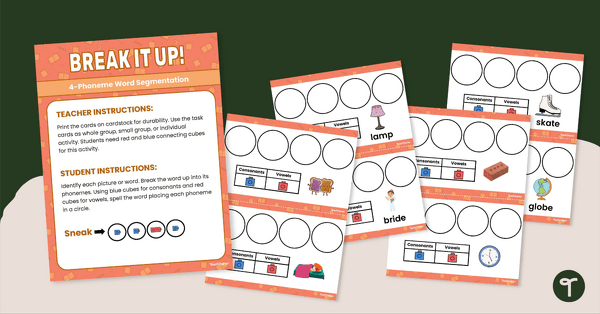
Break It Up! 4-Phoneme Word Segmentation Task Cards
Practise breaking down words with 4 phonemes into their sounds with this set of 18 task cards.
- Plus Plan
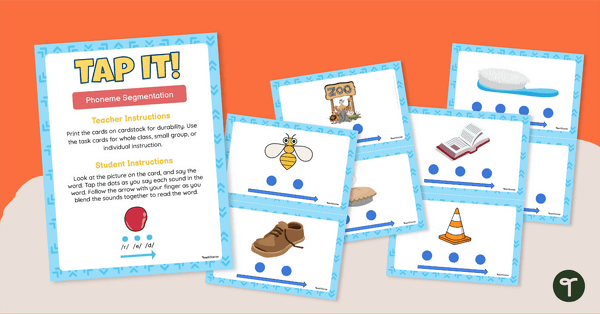
TAP IT! Phoneme Segmentation Mats
Break down words into either 2, 3, or 4 phonemes with this set of 18 picture cards.
- Plus Plan
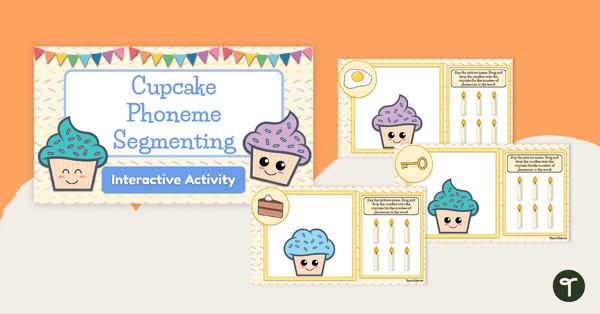
How Many Candles? Phoneme Counting Interactive Activity
Practise breaking words into their phonemes with this fun cupcake-themed interactive activity.
- Plus Plan
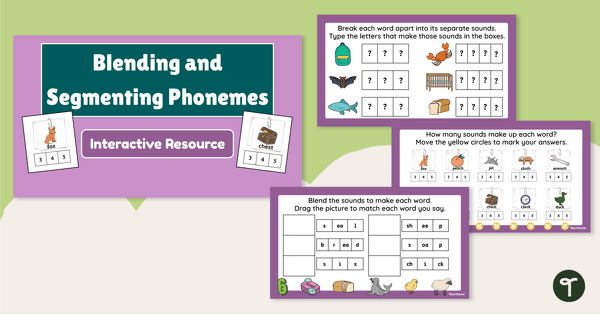
Blending and Segmenting Phonemes - Interactive Activity
Practise blending and segmenting phonemes in common words with this engaging interactive activity.
- Plus Plan
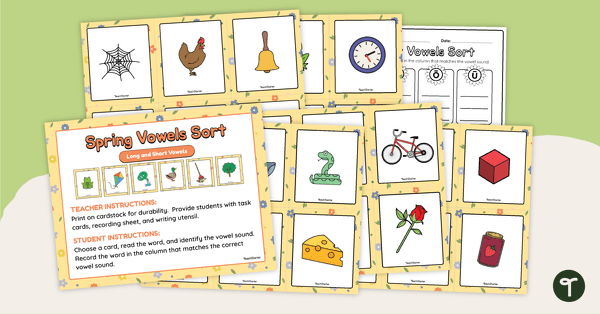
Short and Long Vowel Sorting Activity - Spring
Practise distinguishing short and long vowels with a fun literacy station sorting activity.
- Plus Plan
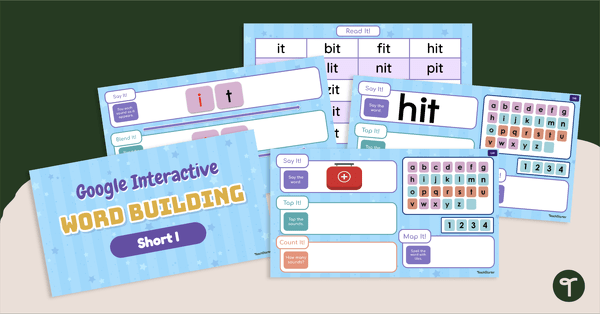
Learn to Read Short I - Daily Phonics for Kids
Teach your students to read short I words with a daily digital phonics teaching presentation.
- Plus Plan
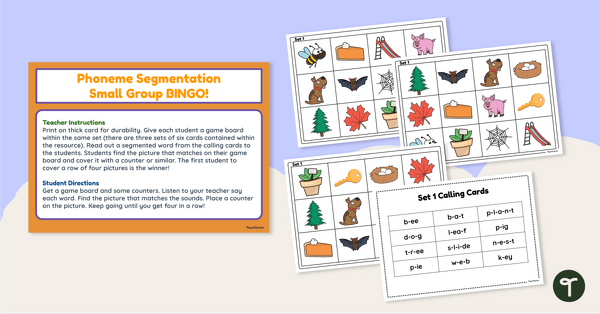
Phoneme Segmentation Bingo
Help students master phoneme segmentation through targeted listening with this fun and engaging bingo game.
- Plus Plan
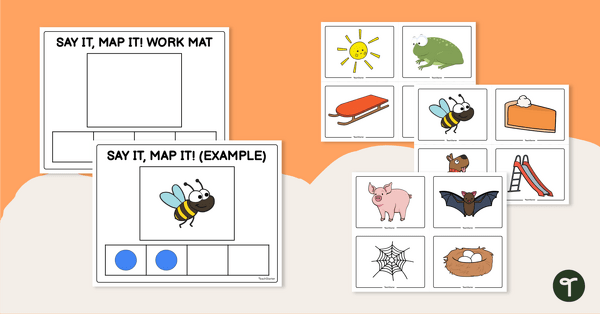
Phoneme Segmentation Work Mats - Count It!
Develop phonemic awareness using hands-on manipulatives with this counting phonemes work mat and accompanying picture cards.
- Plus Plan
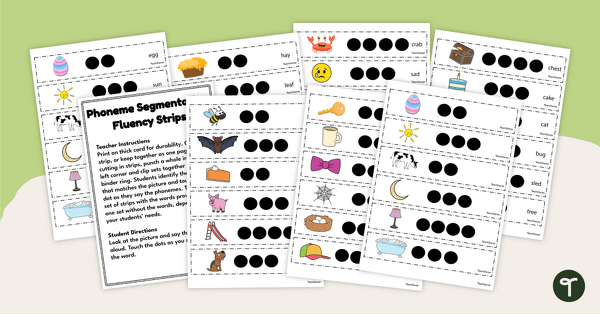
Phoneme Segmentation Fluency Strips
Develop students’ ability to segment and blend phonemes with this comprehensive set of phoneme segmentation fluency strips.
- Plus Plan
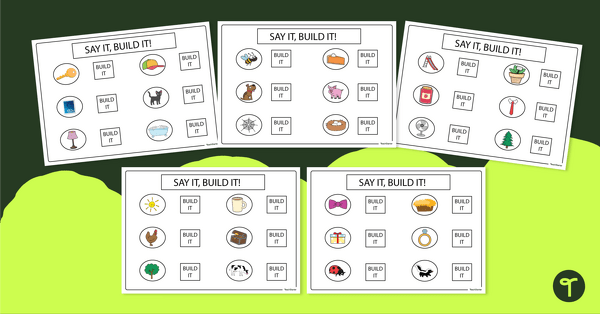
Phoneme Segmentation Work Mats - Build It!
Develop phonemic awareness using hands-on manipulatives with this set of ten phoneme segmentation work mats.
- Plus Plan
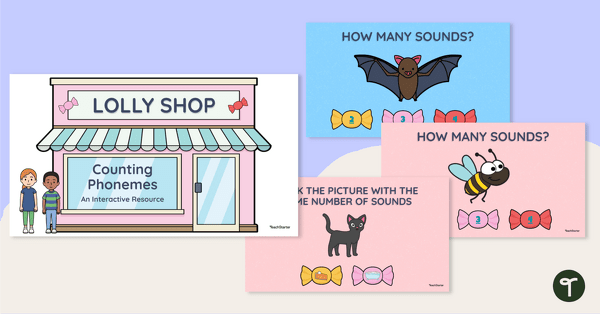
Counting Phonemes Interactive Activity
Help students segment 2-, 3- and 4-phoneme words into their distinct sounds with this engaging interactive resource.
- Free Plan
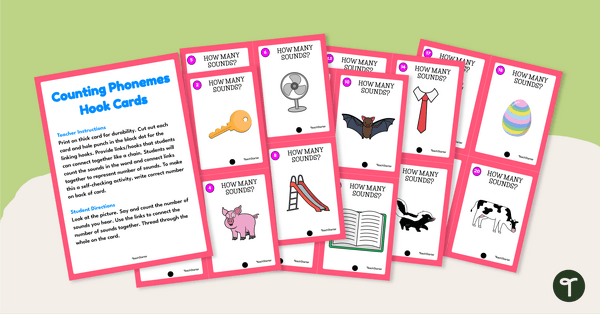
Phoneme Segmentation - Count and Hook Cards
Help students gain mastery in phoneme segmentation with these hands-on count and hook task cards.
- Plus Plan
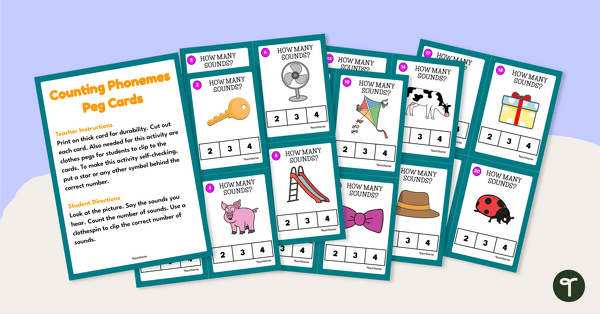
Counting Phonemes Peg Cards
Help students gain mastery in phoneme segmentation with these hands-on peg cards.
- Plus Plan
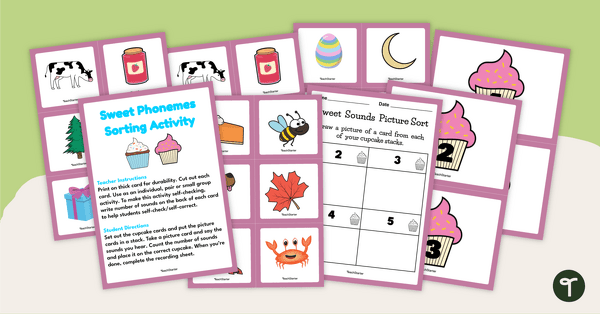
Sweet Phonemes - Sorting Activity
Practise segmenting phonemes in common words with this sweet sorting activity.
- Plus Plan
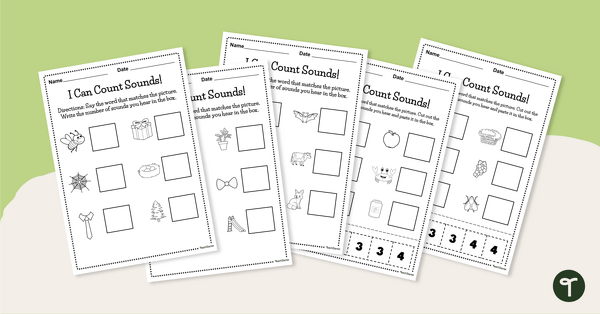
I Can Count Sounds! - Phoneme Segmentation Worksheets
Practise phonemic segmentation of words with 2, 3 and 4 phonemes with this set of differentiated phonics worksheets.
- Plus Plan
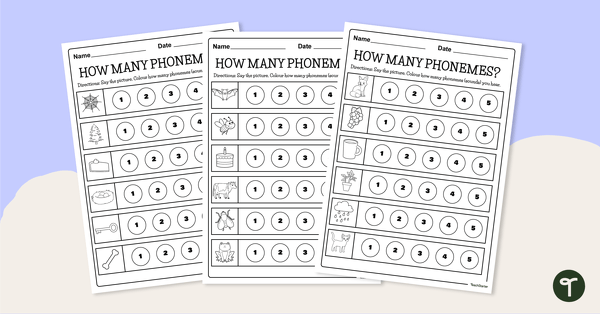
How Many Phonemes? Worksheets
Practise counting the number of phonemes in common words with the set of five phonics worksheets.
- Plus Plan
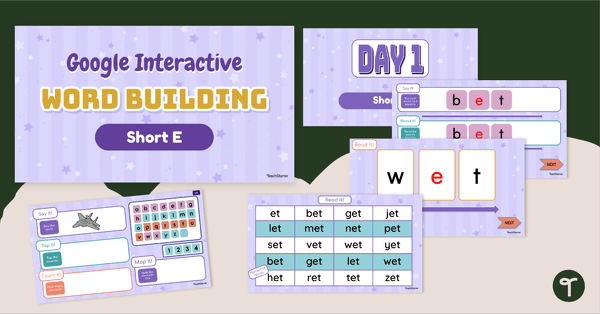
Learn to Read Short E - Daily Phonics for Kids
Immerse your students in the short 'e' vowel sound with this comprehensive series of phonics activities.
- Plus Plan
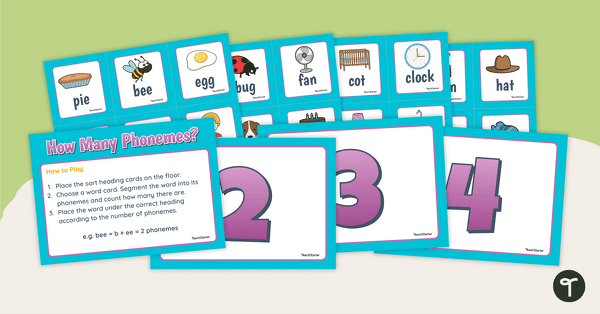
How Many Phonemes? Sorting Activity
Practise identifying the discrete sounds in words with this hands-on sorting activity.
- Plus Plan
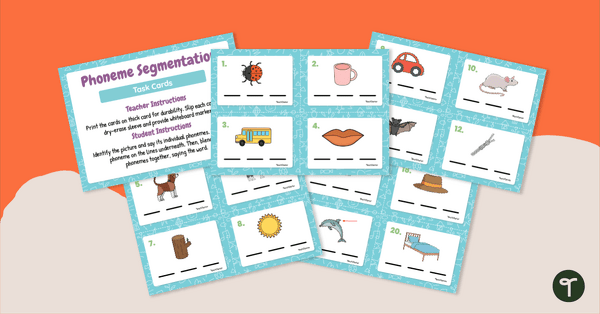
Phoneme Segmentation Task Cards - CVC Words
Segment initial, middle and end sounds with this set of 20 CVC word task cards.
- Plus Plan
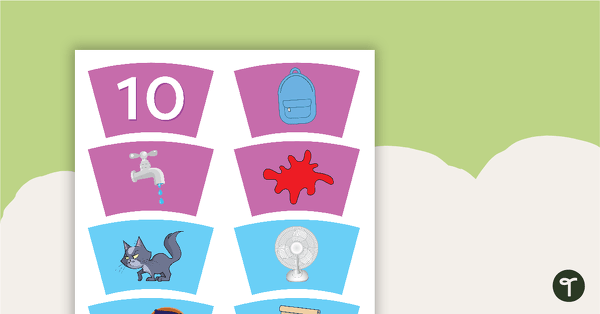
Classsroom Spinner Template - CVC Words
Classroom spinner template focusing on CVC words.
- Plus Plan
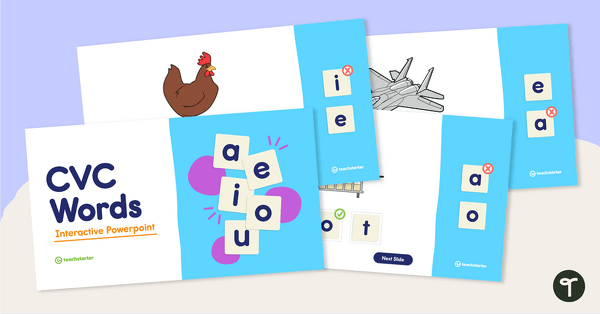
Segmenting and Blending CVC Words Interactive PowerPoint
An interactive PowerPoint for students to practise reading CVC words.