Puzzles for Teachers
Browse an extensive collection of printable puzzles, brain teasers, mazes, crosswords, digital activities and a whole lot more to challenge your primary students in fresh and fun ways!
This teaching resource collection is teacher-created, with curriculum-aligned and editable resources available for both lesson planning and adding to your fast finisher activity box!
Curious about using puzzles in your classroom or looking for fresh ideas? Read on for a primer from our teacher team!
Types of Puzzles
There's a whole host of puzzles out there you can use to get your students more engaged in learning, develop problem-solving skills and reinforce the concepts you're teaching! Here are a few favourites from our teacher team (and you'll find printable versions of many of these in this collection)!
- Picture puzzles — Picture puzzles are a great teaching tool that require kids to use visual perception and problem-solving skills to identify patterns or differences in a set of pictures.
- Crossword puzzles — Often used by adults, these puzzles are kid-friendly too! They offer written clues and require students to fill in a grid with words that intersect.
- Tangram puzzles — These challenging puzzles for kids involve using a set of geometric shapes to create a larger picture or design.
- Logic puzzles — This learning tool requires kids to use reasoning and deduction to solve a problem. They usually involve a set of clues that need to be used to figure out the solution.
- Word searches — In this type of puzzle, a grid of letters is given with a list of words to find hidden within it. Students are challenged to go on the hunt for the word, often reading up, down, diagonally and sometimes even backward!
- Spot the difference — A popular feature in kids' magazines, these require our students to find the differences between two nearly identical pictures.
- Sequence puzzles — Sequence puzzles involve arranging a series of objects or symbols in a particular order, based on a set of rules or patterns. For example, students may practise skip counting as they place puzzle pieces in order based on the numbers displayed on each piece.
- Maze puzzles — Yes, mazes count as puzzles! They challenge kids to find their way through a maze to reach a goal or endpoint.
- Matching games — This is another type of puzzle you may not think of as a puzzle per se, but it is! Matching games involve finding pairs of matching items, such as shapes, colours, or numbers, in a set of cards or objects.
- Tarsia puzzles — Similar to jigsaw puzzles, tarsia puzzles are made up of irregularly shaped pieces that fit together in a specific way to form a larger picture or pattern. This type of puzzle has a twist, however! In a Tarsia puzzle, each piece contains a problem or question related to a particular topic or subject area. The students must match the pieces together by finding the correct answer or solution to each problem or question. Once all the pieces have been matched, they form a larger picture or pattern that provides a visual representation of the topic or concept being studied.
How Do You Use Puzzles in the Classroom?
Whether you're using tarsia puzzles to teach maths or crossword puzzles in your reading rotations, this is a versatile learning tool! Here are a few of the times they can come in handy:
- Introducing new concepts
- Reviewing concepts students have learned
- Reinforcing problem-solving skills
- Collaborative learning
- Learning through play
- Differentiated instruction
- Plus Plan
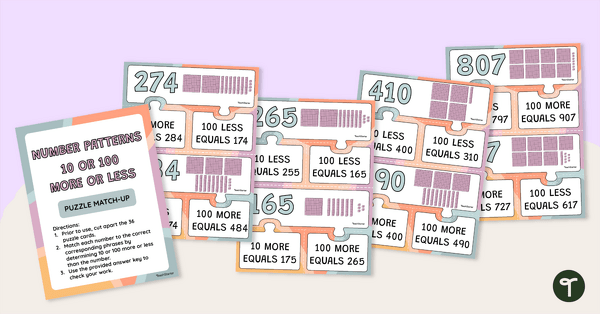
Number Patterns: More or Less – Puzzle Match-Up
Use your understanding of place value and skip counting to determine 10 or 100 more or less than a 3-digit number with this set of puzzles.
- Plus Plan
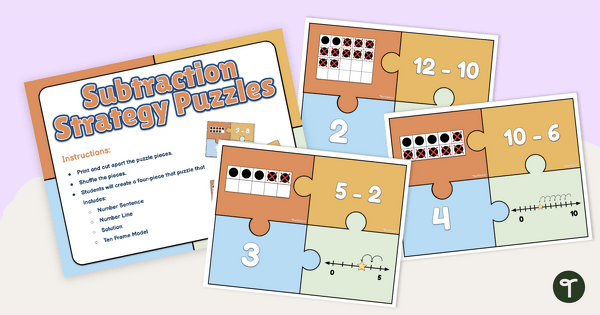
Subtraction Strategies Puzzles
Practise identifying and using different subtraction strategies with a set of printable maths puzzles.
- Plus Plan
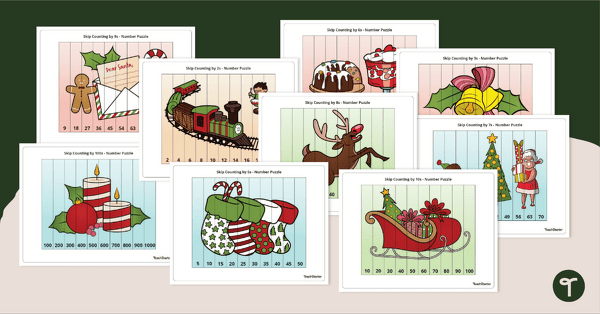
Christmas Skip Counting - Printable Puzzles
Grab a set of 10 printable Christmas puzzles to help students skip count in the classroom.
- Plus Plan
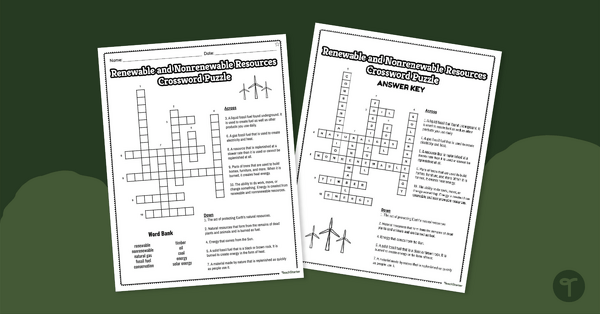
Renewable and Nonrenewable Resources – Crossword Puzzle
Reinforce science vocabulary with a renewable and nonrenewable resources crossword puzzle.
- Plus Plan
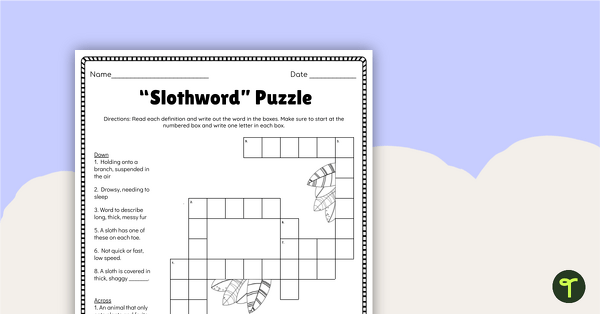
Sloth Crossword Puzzle
Stretch your students’ vocabularies and reading skills with a sloth-themed crossward puzzle.
- Plus Plan
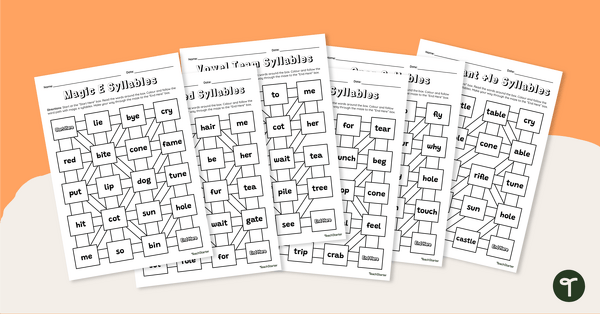
Syllable Type Mazes - Worksheets
Strengthen students’ understanding of the six types of syllables with this set of 6 syllable mazes.
- Plus Plan
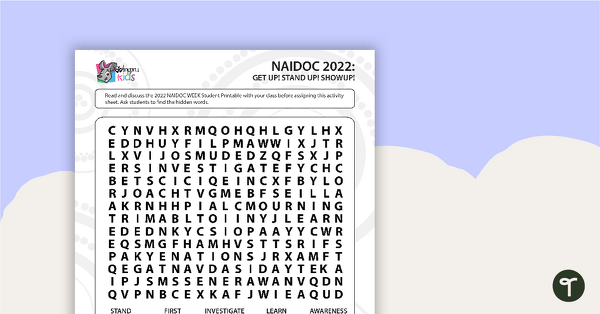
NAIDOC Week 2022 Find-a-Word – Upper Years
A student find-a-word puzzle emphasising topic words from information sheet about the NAIDOC 2022 theme: “Get Up! Stand Up! Show Up!”
- Free Plan
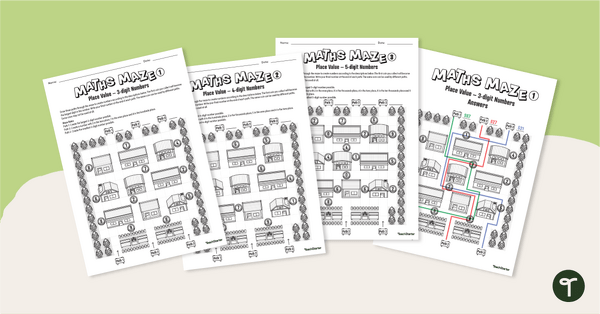
Maths Mazes (Place Value)
Determine the correct paths through each maze using knowledge of place value.
- Plus Plan
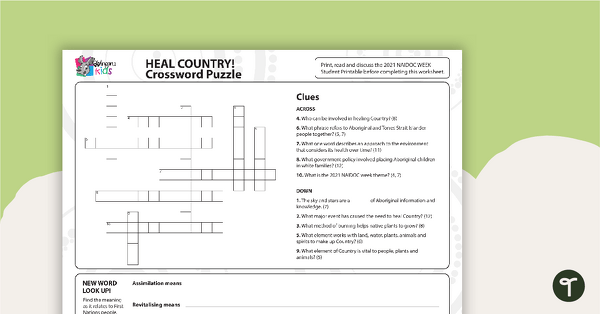
NAIDOC 2021 – Heal Country! - Crossword Puzzle
A puzzle related to key concepts of the NAIDOC theme.
- Plus Plan

Name Match Up Puzzle – Word Document Template
A Word template to make your own match-up puzzles.
- Plus Plan
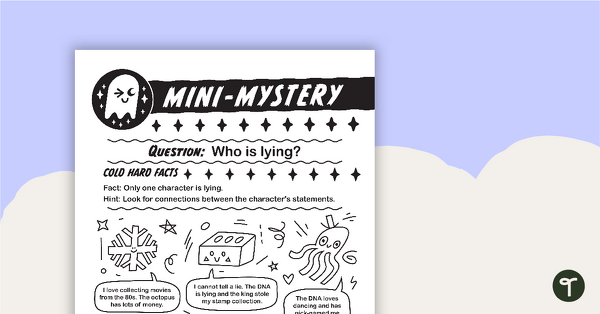
Mini-Mystery – Who Is Lying?
A fun, logic-based activity where students read clues to solve the mystery.
- Plus Plan
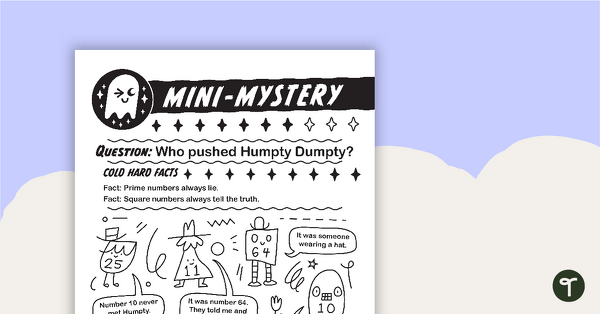
Mini-Mystery – Who Pushed Humpty Dumpty?
A fun, logic-based activity where students read clues to solve the mystery.
- Plus Plan
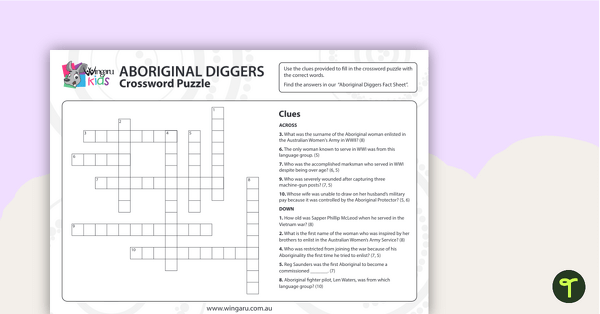
Aboriginal Diggers Crossword Puzzle
A crossword puzzle that teaches students about Aboriginal diggers.
- Plus Plan
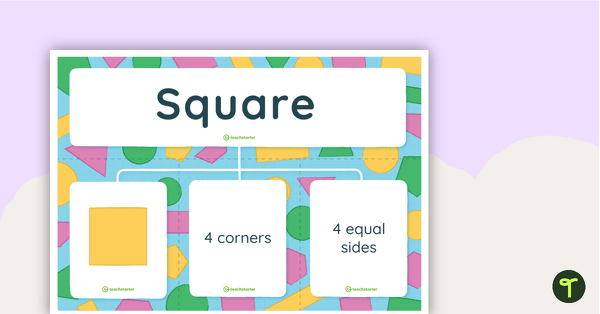
2D Shape Match-up Puzzles
A set of puzzles that match up 2D shapes and their properties.
- Plus Plan
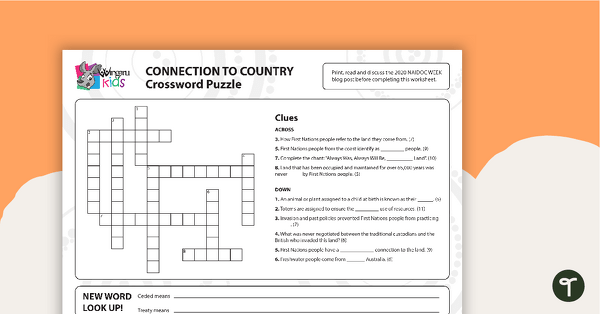
NAIDOC Week Connection to Country Crossword Puzzle Worksheet
A NAIDOC Week Connection to Country crossword puzzle worksheet to use with your students.
- Plus Plan
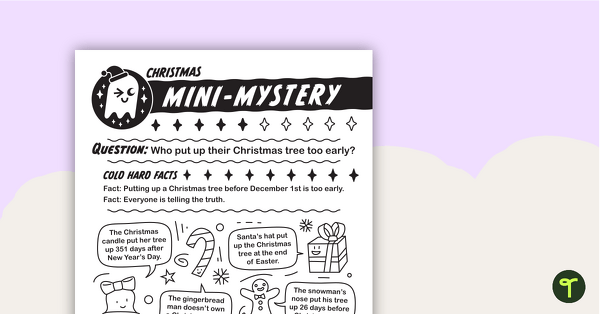
Christmas Mini-Mystery - Who Put Up Their Christmas Tree Too Early?
Read clues to solve a mystery with this fun, logic-based Christmas-themed activity.
- Plus Plan
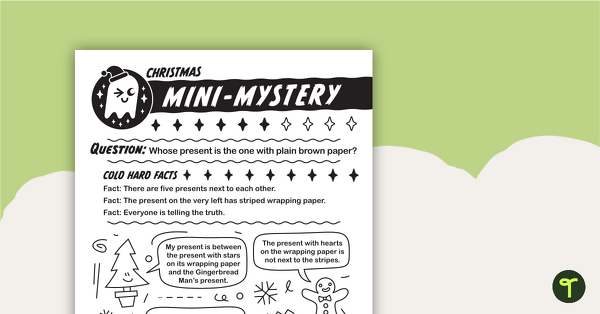
Christmas Mini-Mystery - Whose Present Is the One with Plain Brown Paper?
Read clues to solve a mystery with this fun, logic-based Christmas-themed activity.
- Plus Plan
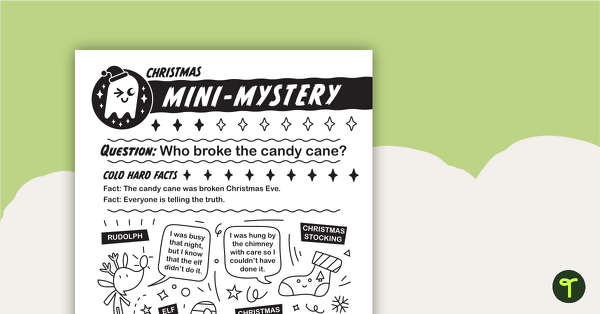
Christmas Mini-Mystery - Who Broke the Candy Cane?
Add a fun, logic-based Christmas-themed activity to your plans. Students read clues to solve a holiday mystery.
- Plus Plan
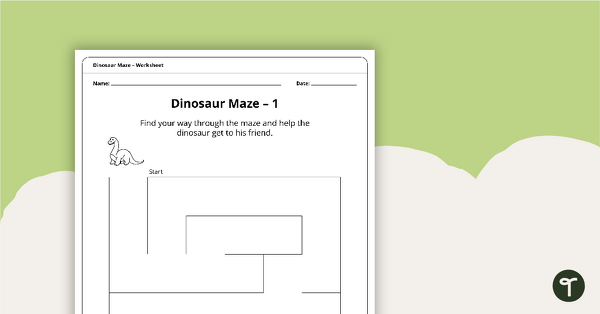
6 x Dinosaur Mazes
A set of 6 fun mazes with a dinosaur theme.
- Plus Plan
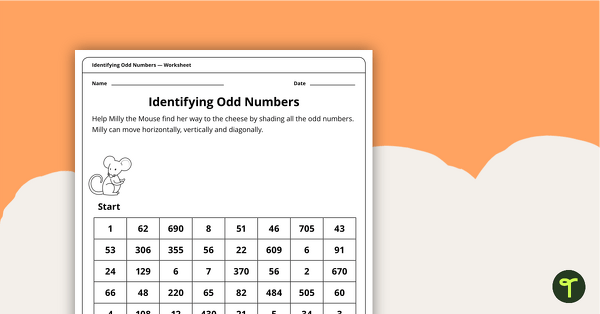
Identifying Even and Odd Numbers Worksheets
Even and odd number mazes that help students build number‑sense fluency through engaging puzzles.
- Plus Plan
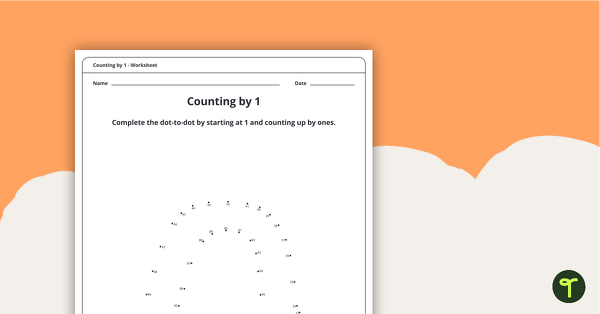
Dot-to-Dot Drawing - Numbers by 1 - Caterpillar
Join the dots and numbers to make a picture.
- Plus Plan
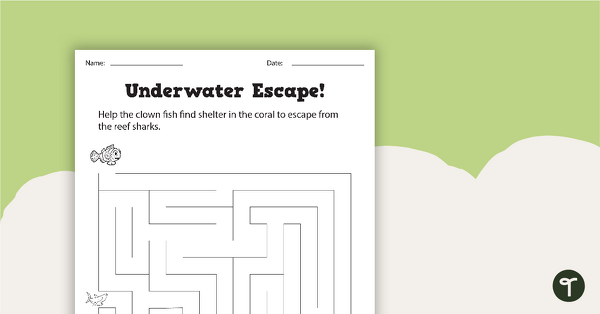
Underwater Escape! - Maze
A fun marine themed maze for students to complete when learning about oceans.
- Plus Plan
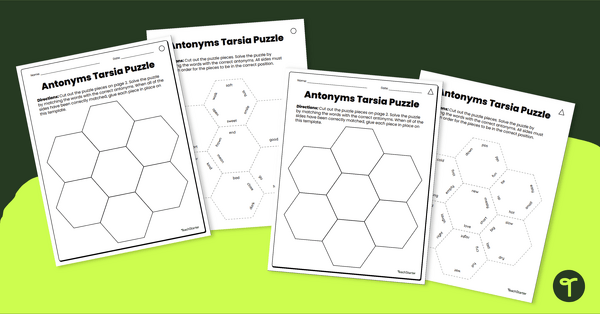
Antonyms Polygon Puzzle
Match antonym pairs with an engaging opposite words tarsia puzzle.
- Plus Plan
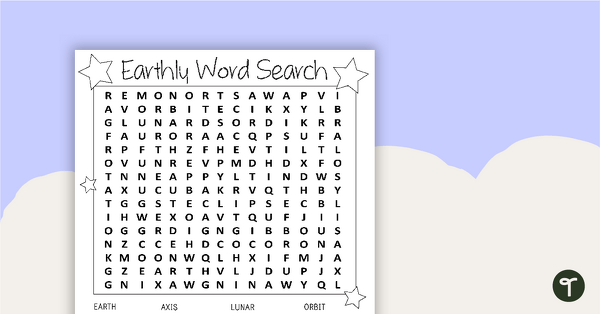
Earthly Word Search with Answers
The Earthly Word Search uses scientific vocabulary in a fun way!
- Plus Plan
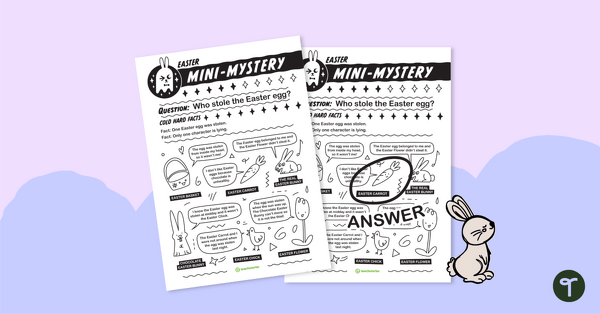
Easter Mini-Mystery – Who Stole the Easter Egg?
A fun, logic-based Easter-themed activity where students read clues to solve the mystery.
- Plus Plan
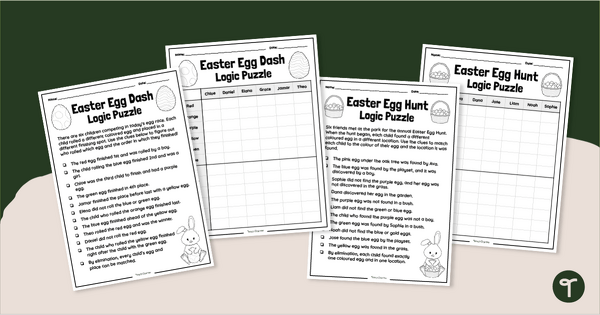
Easter Logic Puzzle Pack
Challenge your students to some serious thinking with an engaging Easter Logic Puzzle Pack.
- Free Plan
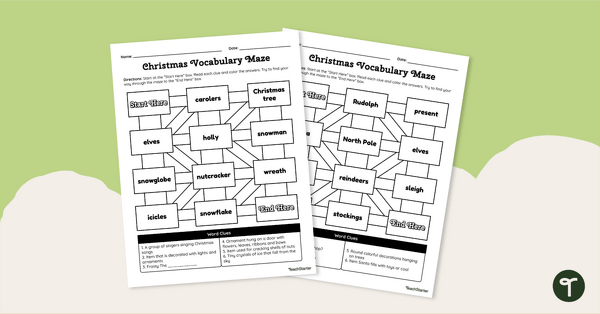
Christmas Maze Vocabulary Activity
Enhance your students’ vocabulary with this Christmas maze printable, a festive vocabulary activity that makes learning meaningful while having fun.
- Plus Plan

Halloween Logic Puzzles
Challenge your students’ critical thinking skills with Halloween logic puzzles!
- Plus Plan
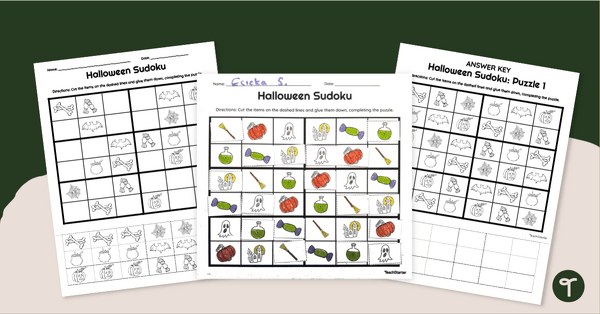
Halloween Sudoku Worksheets
Bring logical thinking and problem-solving fun into your classroom this October with Halloween Sudoku worksheets for kids.
- Plus Plan
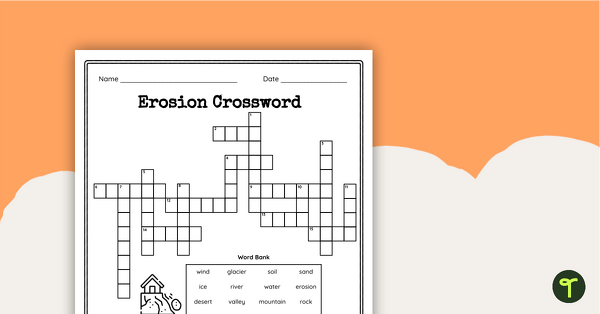
Erosion Crossword Puzzle
Review vocabulary related to erosion with a printable Erosion Crossword Puzzle and answer key.
- Plus Plan
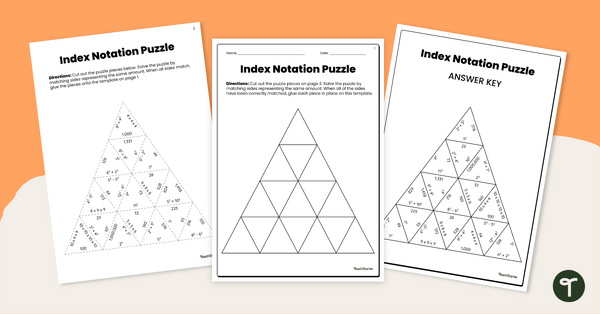
Index Notation Worksheet — Tarsia Puzzle
Share this index notation worksheet with your students to give them practice evaluating exponential expressions in a fun puzzle format.
- Plus Plan
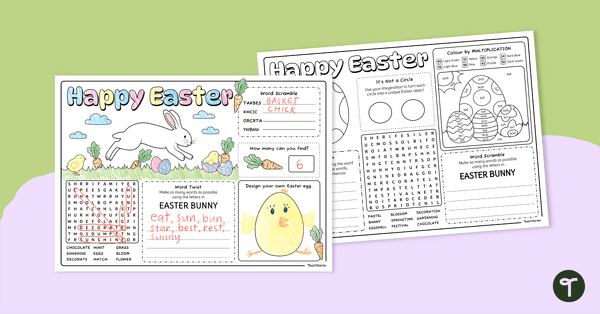
Easter Puzzles Activity Sheet
Challenge and entertain your students with an activity sheet packed with a variety of activities and Easter puzzles.