Worksheets for Teachers
Did someone say printable worksheets? From year 1 maths worksheets to reading comprehension worksheets to printables for kindergarten and beyond, our collection of teacher-created teaching tools is ready to make learning fun and engaging for your students in all subject areas and on all primary year levels.
Explore printable activities, free worksheets, homework sheets and more — all aligned to the Australian curriculum and all created by teachers, for teachers just like you!
Teach Starter worksheets undergo a careful review process by our expert teacher team to ensure they're ready for your lesson plans ... and your students! Best of all, you know each printable is designed with the goal of turning on that lightbulb over your students' heads and producing more of those 'aha!' moments in the classroom!
Curious about how to make worksheets more engaging? Or maybe you're just wondering how worksheets became a tool used in schools? Read on for a primer from our teacher team!
Why Do Teachers Use Worksheets?
Worksheets are an important part of any teacher's toolkit — and yes, we say part because we believe in the importance of hands-on learning too (explore our full collection for plenty of student-led activities!) — but do you ever wonder how they ended up being so ubiquitous?
It was back in the mid-20th century that worksheets started to take hold in education.
The concept of individualised instruction was gaining traction, and educators recognised the need to tailor learning experiences to students' unique abilities, interests and learning styles.
Worksheets started to emerge because they were a means to provide students with both individualised practice and reinforcement of skills. Psychologists like Jean Piaget (you may know him best for his theories on children's cognitive development?) played a role here. The Swiss psychologist suggested teachers should be providing their students with materials that would advance their thinking, and worksheets offer a means for students to assess their own learning.
The real win for worksheets, however, was the invention of the photocopy machine! It made it easy for this supplemental tool to spread like wildfire!
How Do You Make Worksheets Engaging?
You already know educational printables are a beneficial learning tool. They enable students to work independently, practising and applying the concepts they've been learning in your classroom.
So how do you keep them from putting your students in boxes?
At Teach Starter, our worksheets aren't 'just worksheets.' Our expert teacher team works every day to create the tools you need to create impactful classroom experiences. That means our teacher team creates our school worksheets specifically to engage students with eye-catching graphics and creative formats. Here are some of their tips to ensure worksheets are used effectively in the classroom — and truly help engage your students!
- Use worksheets as just part of your toolbox. These are great tools to support classroom instruction and provide independent practise, and they should be balanced with a mix of other teaching tools!
- Mix up your worksheet types. Teach Starter's cut-and-paste worksheets, for example, add an interactive element to help hold students' attention.
- Encourage students to doodle. Doodle notes have taken education by storm in recent years as the visual note-taking method has been proven to improve students' focus and memory. Apply those benefits to your worksheets, and you may be surprised by how it pulls kids' attention to the page!
- Add plastic sleeves. Slipping worksheets into plastic sleeves and allow students to use wipe-away pens on the sleeves is a good way to extend the life of a worksheet — and it adds and element of fun for kids who love the chance to use pens!
- Use digital worksheets. Allow students to fill out their worksheets on classroom tablets as a means to add an extra level of engagement.
It's Not Just a Worksheet
The key to effective worksheets comes down to how you use them — a balanced approach to education combines worksheets with other instructional strategies — from hands-on activities to group work to project-based learning.
So what can you get from worksheets?
Consider this — early years students can work on their fine motor skills with our mini books, cut-and-paste worksheets and more while their upper years peers get pulled into the fun of vocabulary fun with word searches and crossword puzzle worksheets. Printable puzzles that engage students in the form of a brain game and colour by worksheets that bring art elements into maths and reading.
Worksheets also provide the opportunity for formative assessment and give your students a chance to practice problem-solving while they work independently.
- Plus Plan
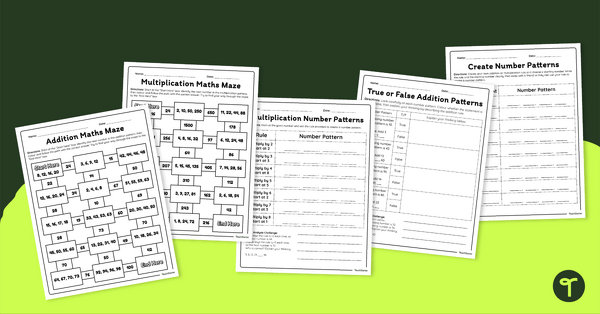
Follow and Create Algorithms - Number Pattern Worksheet Pack
Number pattern worksheet pack helps students confidently identify, extend and create number patterns through engaging and structured activities.
- Plus Plan
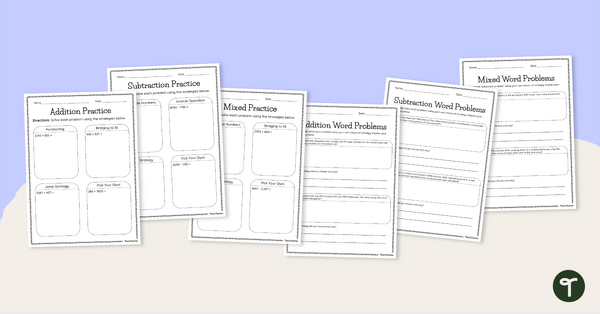
Addition and Subtraction Strategies Worksheet Pack
Support addition and subtraction strategies with this engaging worksheet pack.
- Plus Plan
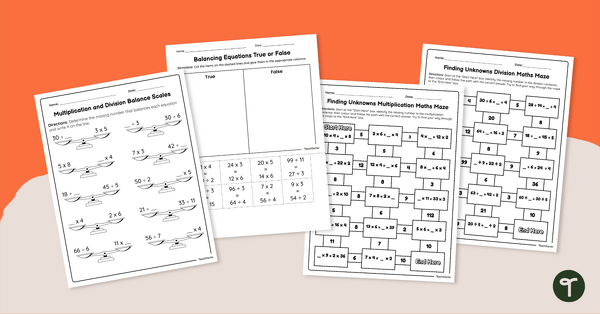
Finding Unknown Numbers Worksheet Pack
Build strong number sense with this finding unknown numbers worksheet pack designed to help strengthen multiplication and division understanding.
- Plus Plan
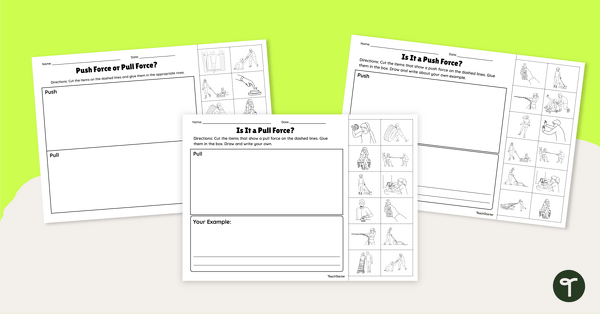
Push or Pull? Cut and Paste Worksheet Pack
Use these push and pull cut and paste worksheets when exploring forces and motion in your science lessons.
- Plus Plan
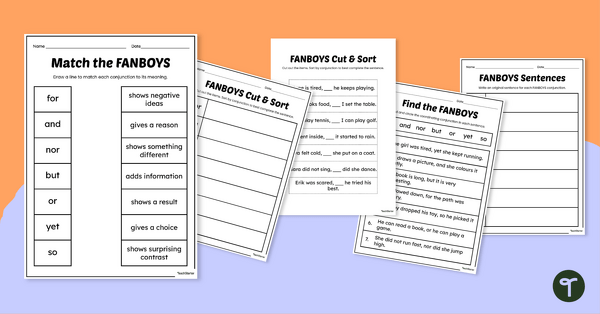
FANBOYS Worksheet Pack
Help students connect ideas in their writing with these FANBOYS worksheets to improve compound sentence writing.
- Plus Plan
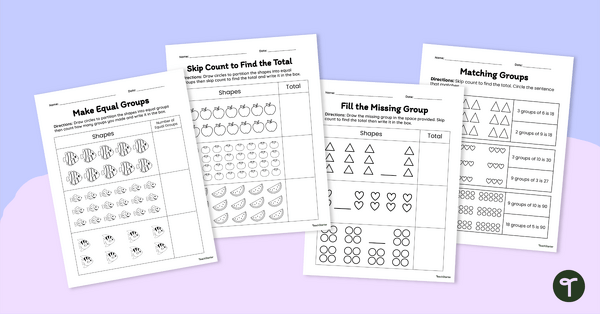
Partitioning Numbers Worksheet Pack
Use this partitioning numbers worksheet pack to help students quantify sets up to 120 through equal grouping and skip‑counting strategies.
- Plus Plan
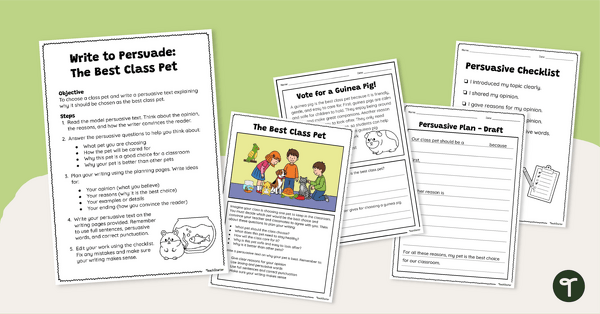
Persuasive Writing Assessment Pack Year 2
Use this task to guide students through the full persuasive writing process for a persuasive assessment piece (including criteria sheet).
- Plus Plan
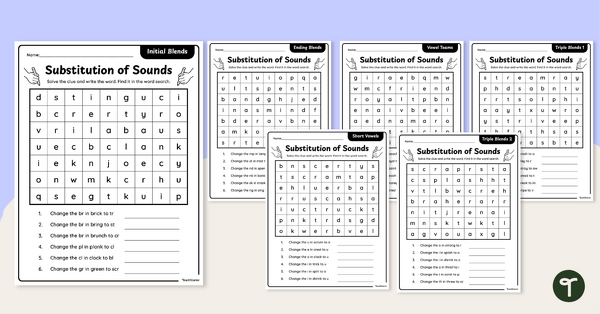
Phoneme Substitution Worksheets - Word Search Pack
Help students manipulate phonemes with these phoneme substitution worksheets where students substitute phonemes and search for words in a word search.
- Plus Plan
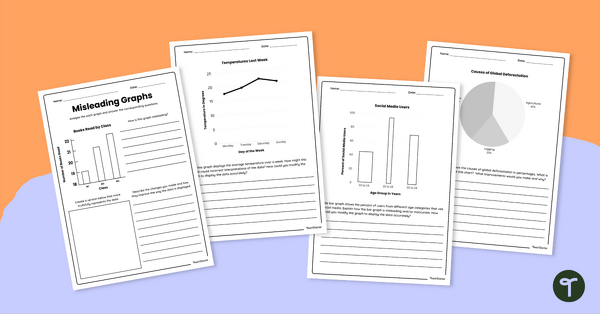
Misleading Graphs Worksheet Set
Download our misleading graphs worksheet set to increase your students’ abilities in statistical literacy and data analysis.
- Plus Plan
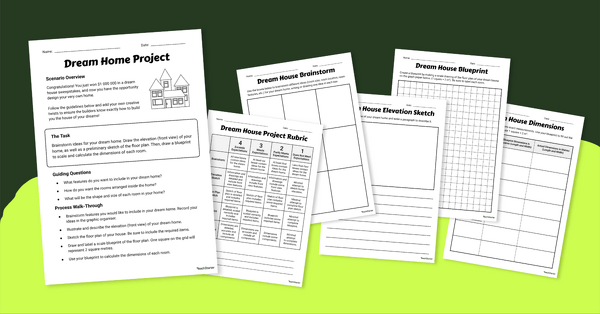
My Dream Home Project
Introduce our 'My Dream Home Project’ to your students to help them increase spatial skills while designing the house of their dreams!
- Plus Plan
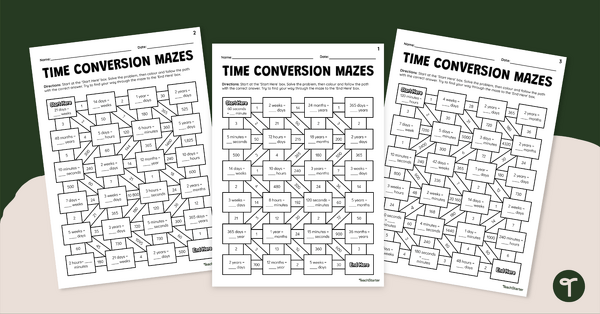
Time Conversion Maths Mazes
Convert units of time while finding your way through this set of 3 Time Conversion maths mazes.
- Free Plan
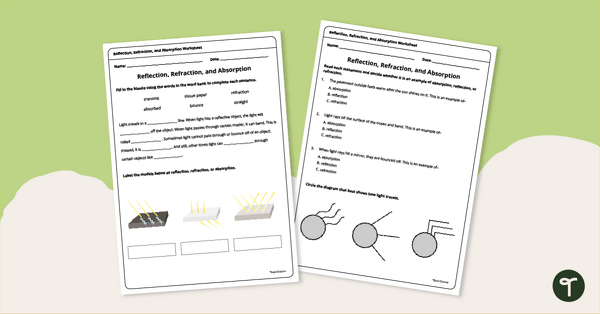
Reflection, Refraction, and Absorption Worksheet
Use a Reflection, Refraction, and Absorption worksheet to ensure students understand light energy.
- Plus Plan

3 States of Matter - I Spy Worksheets
Recognise examples of solids, liquids, and gases with a pack of printable States of Matter I Spy Worksheets!
- Plus Plan
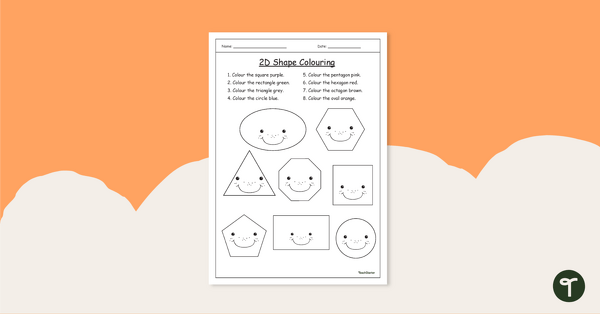
Identify and Colour 2D Shapes Worksheet
Use this 2D shapes worksheet to help your students identify 8 of the most common two-dimensional shapes.
- Plus Plan
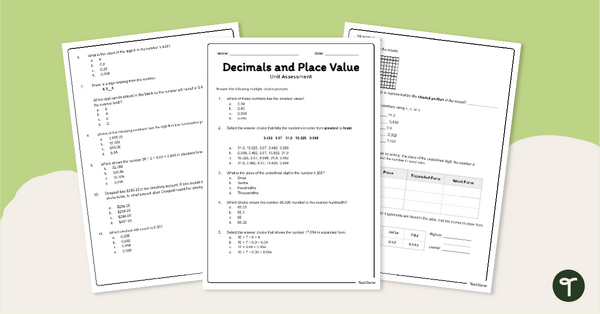
Year 5 - Decimal Place Value Assessment
Assess your students' skills with decimals and place value using a printable Year 5 Decimal Place Value Test.
- Plus Plan
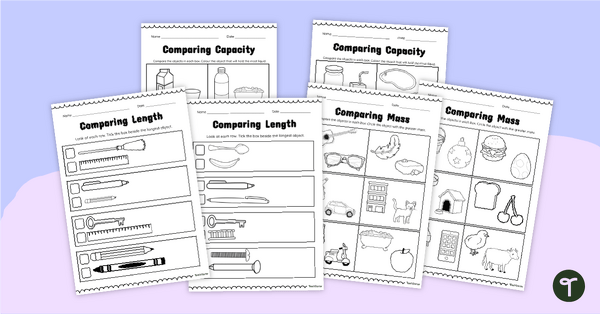
Measurement Worksheets for Foundation - Mass, Length, Capacity
Practise comparing units of mass, capacity, and length with a printable pack of foundation measurement worksheets.
- Free Plan
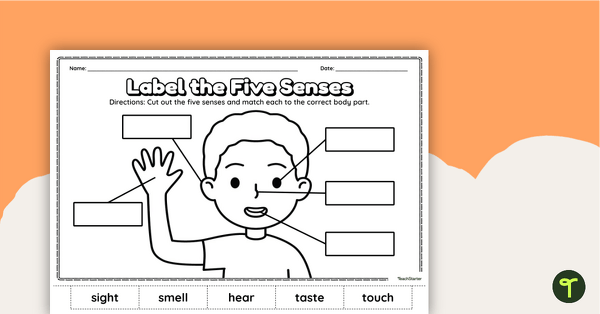
Free 5 Senses Worksheet
Identify the body parts used to sense things with a free 5 Senses Cut and Paste Worksheet.
- Plus Plan
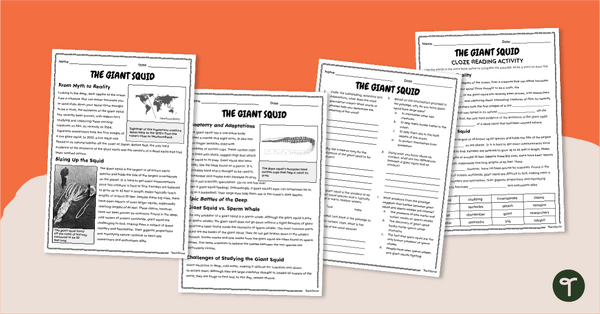
Giant Squid Reading Comprehension Worksheets - Year 5
Read and learn about the features and adaptations of the giant squid with reading comprehension worksheets for years 5 and 6.
- Plus Plan
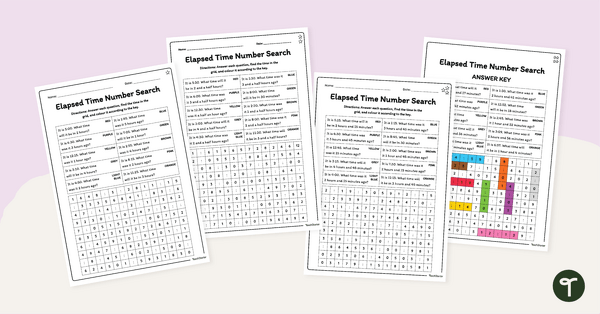
Elapsed Time Number Search Worksheets
Review how to find elapsed time and practise learned skills with engaging Elapsed Time Number Search worksheets!
- Plus Plan
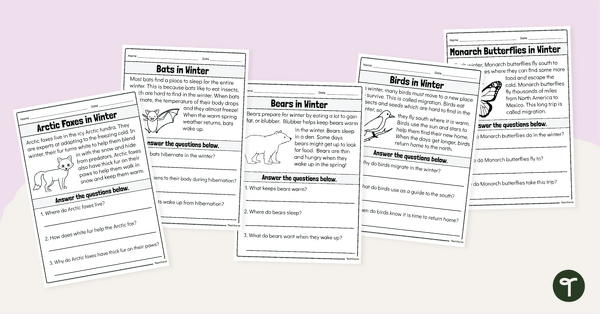
Animals in Winter - Year 1 Reading Worksheets
Blend Year 1 Science and Reading with a printable pack of Animals in Winter reading comprehension worksheets.
- Plus Plan
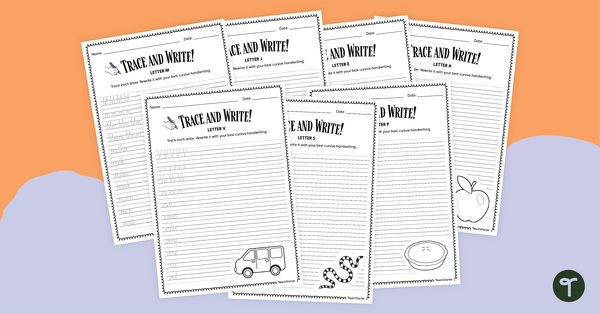
Cursive Writing Worksheets PDF - Alphabet
Practise writing the alphabet in cursive with a pack of printable cursive alphabet writing worksheets.
- Plus Plan
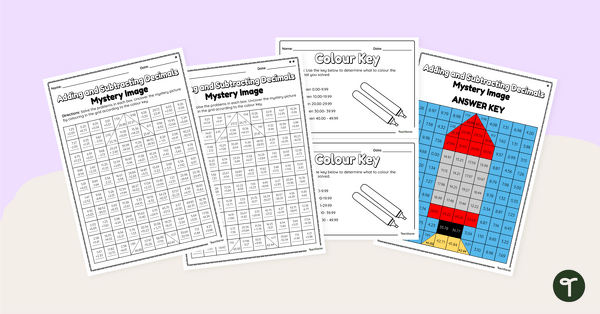
Adding and Subtracting Decimals – Differentiated Mystery Image Worksheets
Have students practise adding and subtracting decimals with this mystery image worksheet.
- Plus Plan
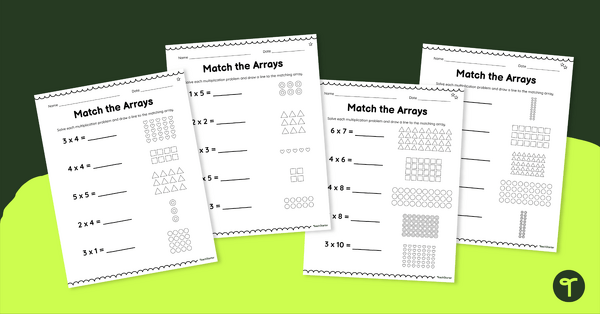
Match the Arrays Worksheet Pack
Give your students practise matching arrays and multiplication facts with these math worksheets for Year 3.
- Free Plan
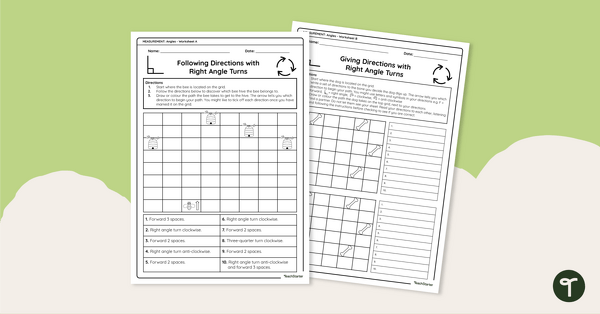
Directions with Right Angle Turns Worksheet
Teach your students to give and follow directions using right angles with this 2-page maths worksheet for Year 3 students.
- Plus Plan
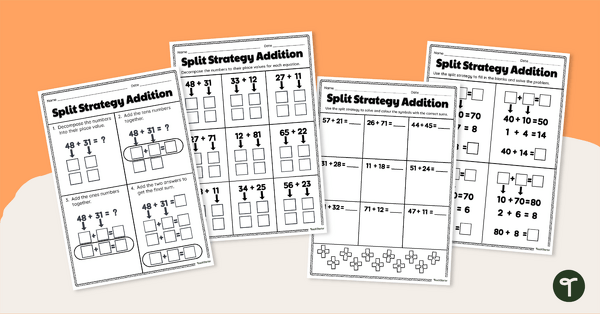
Split Strategy Addition Worksheet Pack
Practise using the split strategy with this worksheet set.
- Free Plan
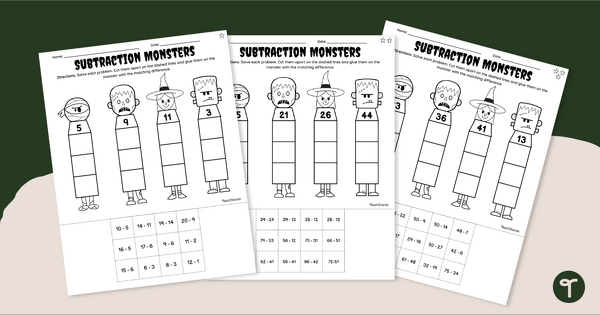
Making Monsters Subtraction - Worksheet
Have some spooky subtraction fun with three differentiated Halloween subtraction worksheets.
- Free Plan
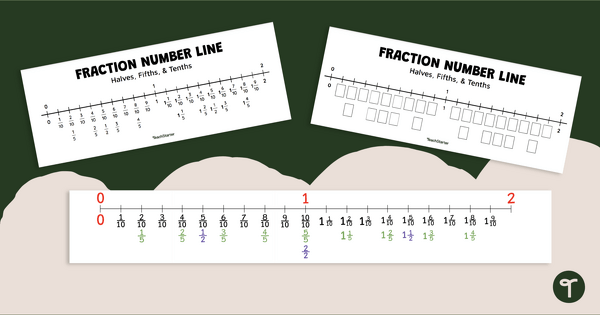
Fractions Number Line - Halves, Fifths and Tenths
Demonstrate the concept of fractions on a number line with a printable number line display and student reference sheets.
- Free Plan
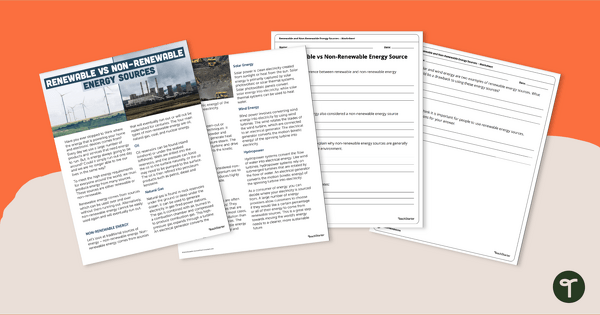
Renewable vs Non-Renewable Energy Sources – Worksheet
Discover the difference between renewable and non-renewable energy sources with a comprehension passage and worksheet.
- Plus Plan
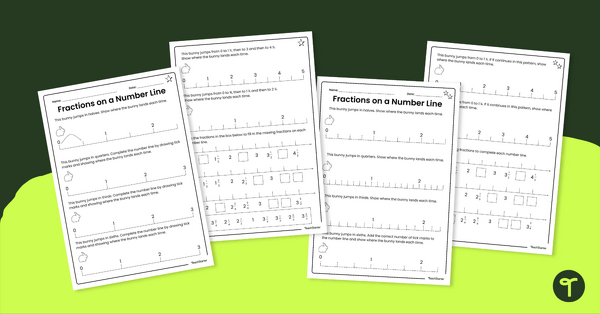
Fractions on a Number Line – Differentiated Worksheets
Practise plotting and counting by fractions on a number line with this set of differentiated worksheets.
- Free Plan
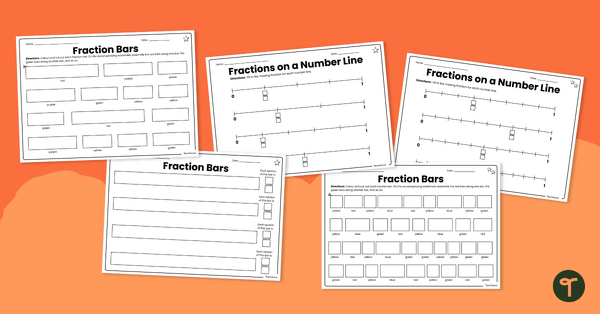
Fraction Bars and Number Lines – Cut and Paste Worksheet
Build a fraction bar by piecing together unit fractions and identifying them on a number line with this set of differentiated worksheets.
- Plus Plan
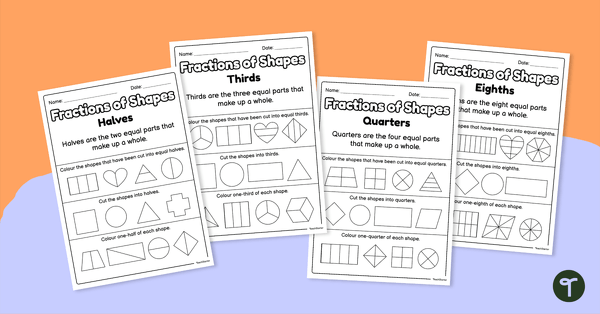
Fractions of Shapes – Basic Fraction Worksheets
Identify equal parts and practise dividing shapes with these fraction worksheets designed for year 2 students.
- Plus Plan
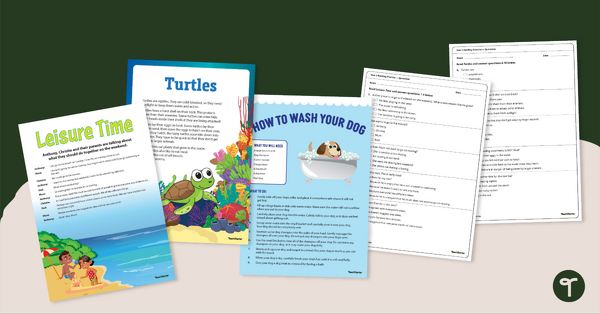
NAPLAN Reading Magazine – Year 3
5 reading texts with multiple choice questions for NAPLAN Reading Year 3.