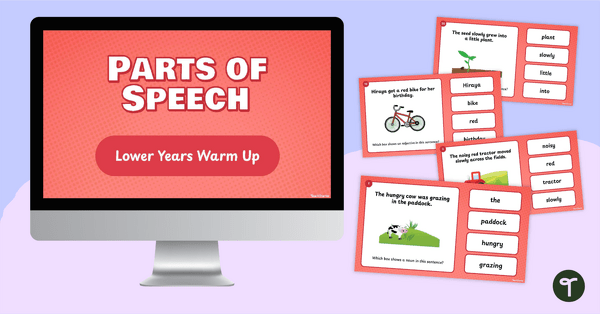

Learn and consolidate four key parts of speech with this interactive PowerPoint.
Review Parts of Speech with Your Primary Students
Use this interactive PowerPoint presentation to introduce or revise key parts of speech with your students. This resource contains 20 assessment-style questions designed for whole-class participation. Each question presents four word options, and students select the correct answer.
Incorrect responses trigger a fun buzz sound, while correct answers chime and automatically transition to the answer slide—keeping students engaged and motivated throughout the lesson.
The following parts of speech are addressed in this presentation:
- Nouns (common, proper and pronouns)
- Verbs
- Adjectives
- Adverbs
This presentation can be used prior to teaching parts of speech lessons or as a daily revision activity to reinforce correct usage.
Ways to Extend This English Grammar Lesson
Solidify your students’ understanding of nouns, verbs, adjectives and adverbs with these bonus activities for small-group or whole-class learning environments:
- Pre-Lesson Activity – Assign this presentation as an independent task, either at home or before beginning the lesson as a class. Ask students to provide their own examples of each part of speech to assess prior knowledge.
- Dissect the Sentences – After students choose the correct word, review the remaining three options and identify which part of speech each represents. Extend learning by removing words from the sentence and discussing whether it still makes sense. What do students notice about the role of nouns and verbs compared to adjectives and adverbs?
- Be the Teacher – As a post-lesson activity, ask students what questions they would include if they were creating the quiz. Have them write their own 5-question parts of speech quiz using the concepts from the presentation, then swap with a partner to complete.
Download This Parts of Speech Review Activity
This resource downloads as a Microsoft PowerPoint or editable Google Slides file. You can select your preferred file via the dropdown menu on the Download button.
Please ensure that you use this resource in Slideshow mode to enable the interactive features.
Lindsey Phillips, a teacher and Teach Starter collaborator, contributed to this resource.
More Grammar Resources for the Classroom
Make all of your grammar lessons interactive with these additional activities and teaching resources:
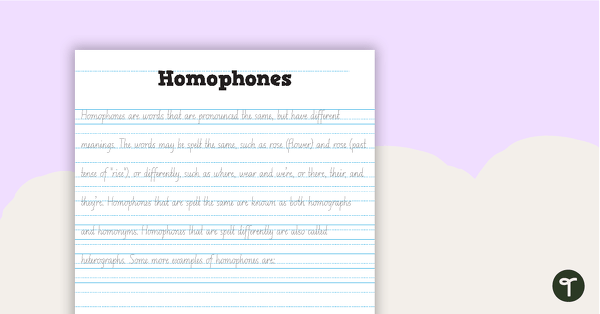
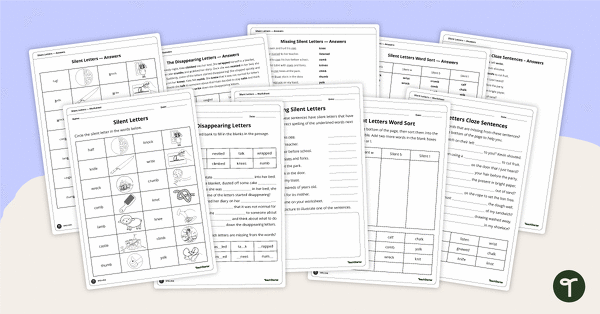
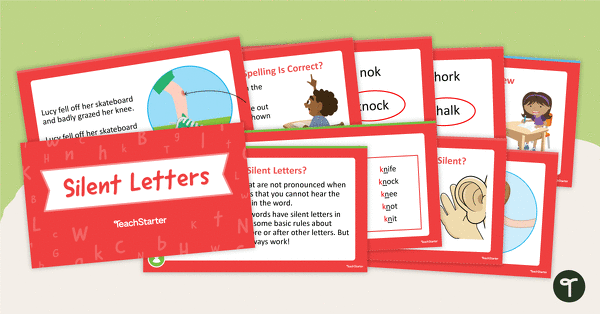
[resource:20768] [resource:3309330] [resource:4371795]

0 Comments
Write a review to help other teachers and parents like yourself. If you'd like to request a change to this resource, or report an error, select the corresponding tab above.