A comprehension worksheet for a comic from the Foundation magazine (Bonus Issue).
This teaching resource is a comprehension worksheet for the magazine article ‘That Time!’ from the Foundation magazine, ‘What’s Buzzing?’ (Bonus Issue).
Updated: 19 Feb 2021
A comprehension worksheet for a comic from the Foundation magazine (Bonus Issue).
Non-Editable: PDF
Pages: 3 Pages
Year: F
Read decodable and authentic texts using developing phonic knowledge, and make and monitor meaning using context and emerging grammatical knowledge
Communicates effectively by using interpersonal conventions and language with familiar peers and adults
Tracks written text from left to right and from top to bottom of the page and identifies visual and spatial features of print
Uses single-letter grapheme-phoneme correspondences and common digraphs to decode and encode words when reading and creating texts
Comprehends independently read texts using background knowledge, word knowledge and understanding of how sentences connect
Read decodable and predictable texts, practising phrasing and fluency, and monitor meaning using concepts about print and emerging contextual, semantic, grammatical and phonic knowledgeElaborationsnavigating a text correctly, starting at the right pl...
Use comprehension strategies to understand and discuss texts listened to, viewed or read independentlyElaborationstalking about the meanings in texts listened to, viewed and read (Skills: Literacy, Critical and Creative Thinking)visualising elements ...
Read decodable and authentic texts using developing phonic knowledge, and monitor meaning using context and emerging grammatical knowledge
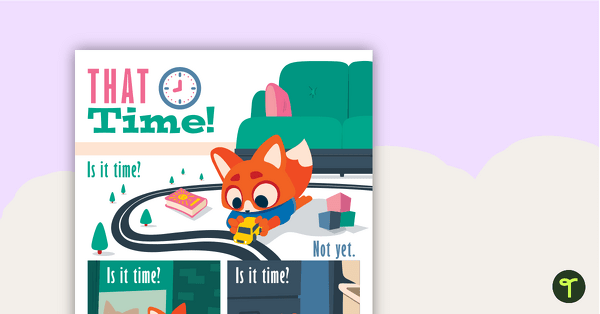
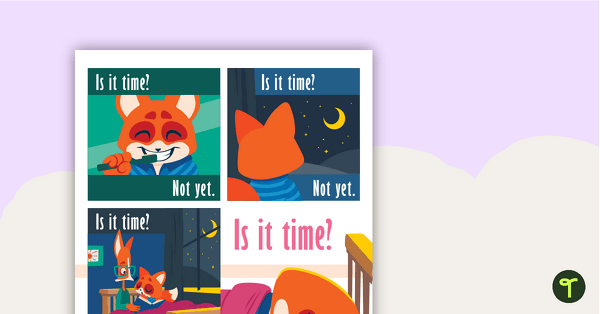
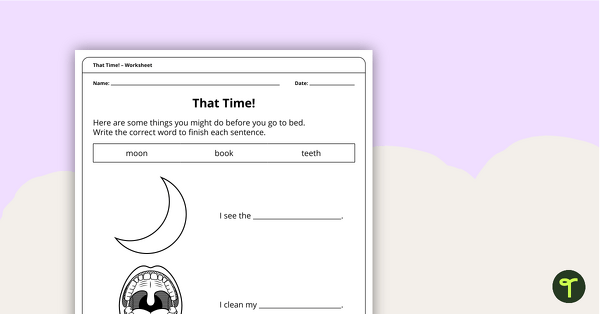
A comprehension worksheet for a comic from the Foundation magazine (Bonus Issue).
This teaching resource is a comprehension worksheet for the magazine article ‘That Time!’ from the Foundation magazine, ‘What’s Buzzing?’ (Bonus Issue).
Read decodable and authentic texts using developing phonic knowledge, and make and monitor meaning using context and emerging grammatical knowledge
Communicates effectively by using interpersonal conventions and language with familiar peers and adults
Tracks written text from left to right and from top to bottom of the page and identifies visual and spatial features of print
Uses single-letter grapheme-phoneme correspondences and common digraphs to decode and encode words when reading and creating texts
Comprehends independently read texts using background knowledge, word knowledge and understanding of how sentences connect
Read decodable and predictable texts, practising phrasing and fluency, and monitor meaning using concepts about print and emerging contextual, semantic, grammatical and phonic knowledgeElaborationsnavigating a text correctly, starting at the right pl...
Use comprehension strategies to understand and discuss texts listened to, viewed or read independentlyElaborationstalking about the meanings in texts listened to, viewed and read (Skills: Literacy, Critical and Creative Thinking)visualising elements ...
Read decodable and authentic texts using developing phonic knowledge, and monitor meaning using context and emerging grammatical knowledge

We create premium quality, downloadable teaching resources for primary/elementary school teachers that make classrooms buzz!
Would you like something changed or customised on this resource? While our team makes every effort to complete change suggestions, we can't guarantee that every change will be completed.
Did you spot an error on this resource? Please let us know and we will fix it shortly.
Are you having trouble downloading or viewing this resource? Please try the following steps:
If you are still having difficulty, please visit the Teach Starter Help Desk or contact us .
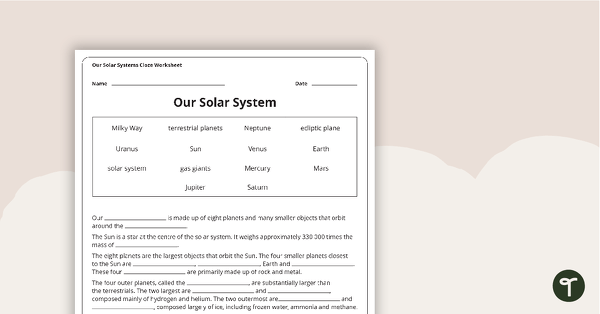
Build confidence and strengthen literacy skills with cloze activities in which students fill in missing words to create meaningful texts.
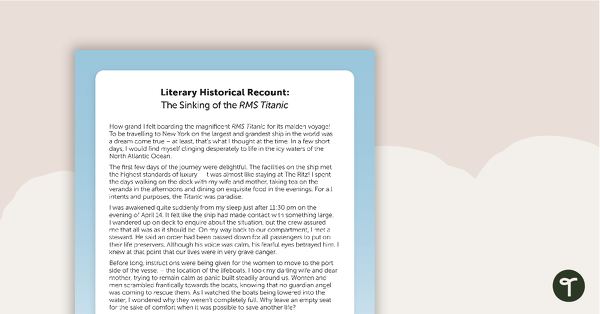
Explore historical recounts examples through a detailed comparison of two accounts of the RMS Titanic disaster, helping students analyse how historical events can be represented in different ways in texts.
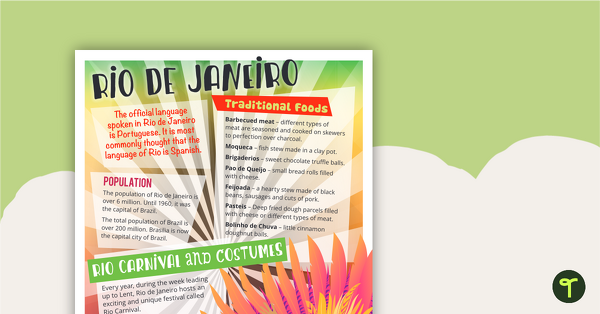
A comprehension task that encourages students to apply a range of comprehension skills when finding out interesting fun facts about Rio.
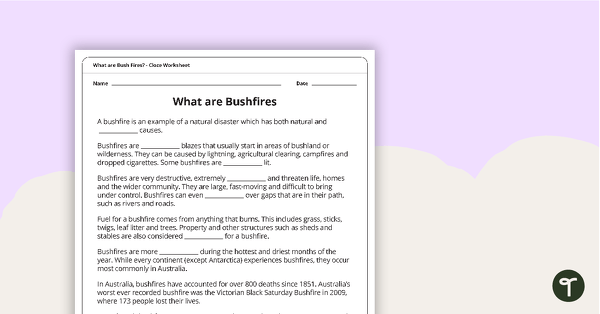
A cloze worksheet about bushfires.
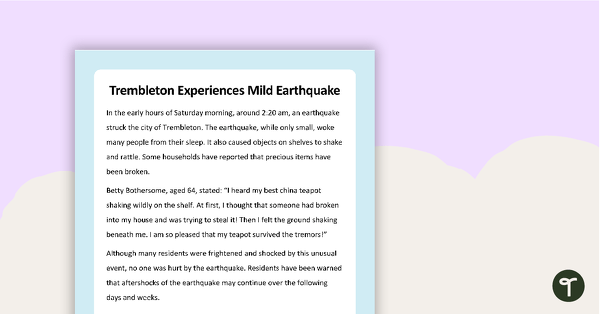
Download these recalling facts and details worksheets to help students identify, remember and retrieve important information from a text.
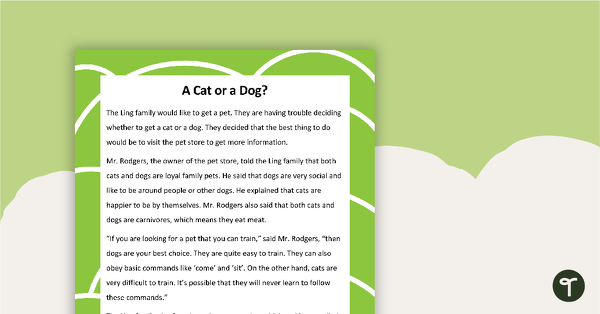
Help students strengthen their compare and contrast reading comprehension skills by reading an engaging passage about cats and dogs.
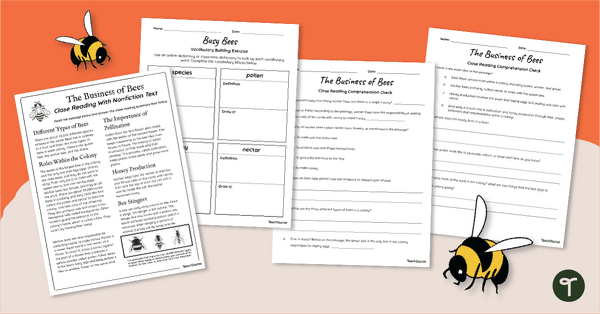
Read and learn about bees, pollination and honey production with a reading comprehension passage and worksheet pack.
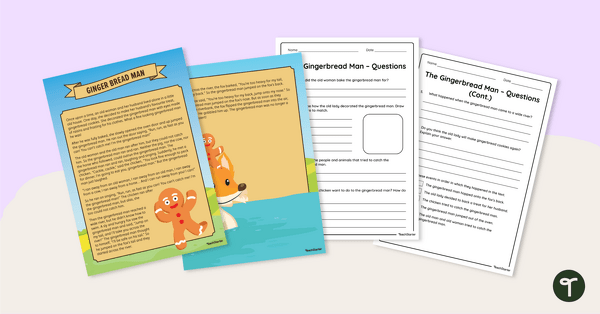
Develop your students' reading comprehension skills with a well-known fairy tale.
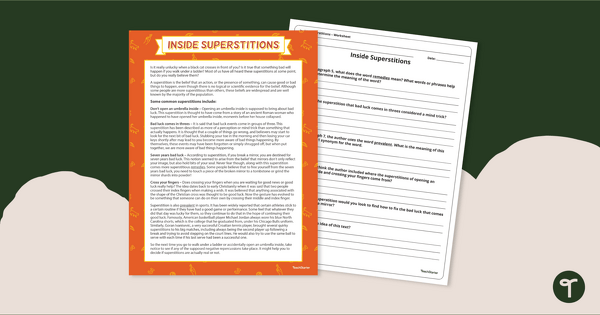
Learn about common superstitions and beliefs with a printable reading comprehenion passage for Year 5.
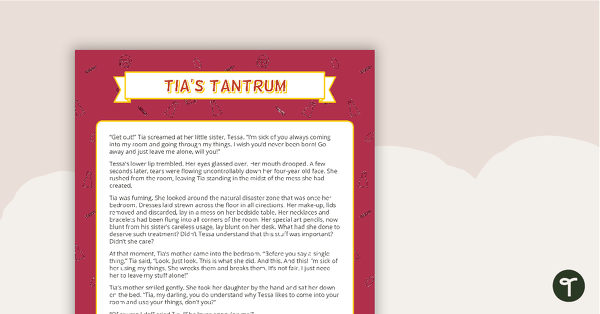
A comprehension activity using a narrative text.
0 Comments
Write a review to help other teachers and parents like yourself. If you'd like to request a change to this resource, or report an error, select the corresponding tab above.