ELAR 5.9
Multiple genres: listening, speaking, reading, writing, and thinking using multiple texts--genres. The student recognizes and analyzes genre-specific characteristics, structures, and purposes within and across increasingly complex traditional, contemporary, classical, and diverse texts. The student is expected to:
- (1) demonstrate knowledge of
distinguishing characteristics of well-known children's
literature such as folktales, fables, legends, myths, and tall tales;
- (A) explain the use of sound devices and figurative language and distinguish between the poet and the speaker in poems across a variety of poetic forms;
- (B) explain structure in drama such as character tags, acts, scenes, and stage directions;
- (C) recognize characteristics and structures of informational text, including:
- (D) the central idea with supporting evidence;
- (i) features such as insets, timelines, and sidebars to support understanding; and
- (ii) organizational patterns such as logical order and order of importance;
- (iii) recognize characteristics and structures of argumentative text by:
- (E) identifying the claim;
- (i) explaining how the author has used facts for or against an argument; and
- (ii) identifying the intended audience or reader; and
- (iii) recognize characteristics of multimodal and digital texts.
- Plus Plan
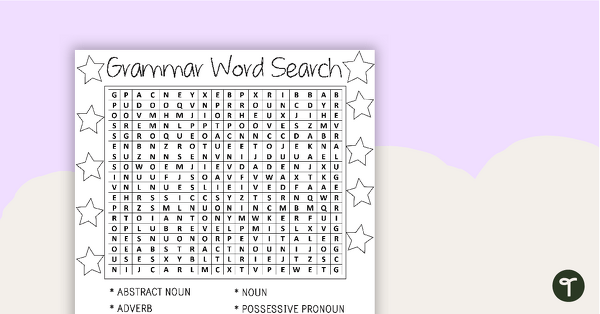
Grammar Word Search with Solution
A word search to help your students learn a variety of grammatical terms.
- Plus Plan
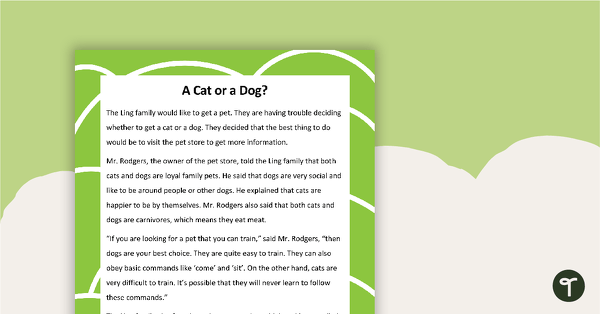
Compare and Contrast - Comprehension Task
A task to use when teaching your students reading comprehension strategies.
- Plus Plan
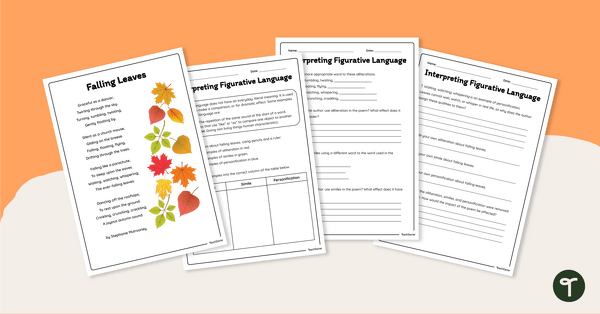
Interpreting Figurative Language - Worksheets
Explore figurative language in poetry with this age-appropriate poem and accompanying vocabulary questions.
- Plus Plan
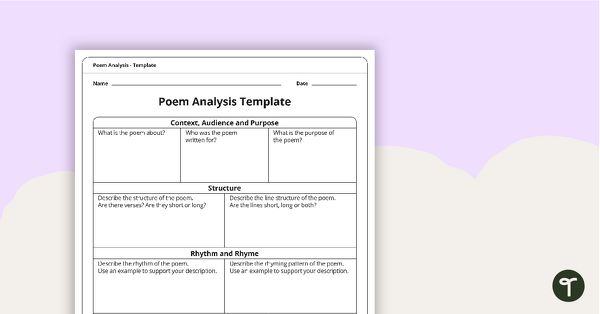
Poetry Analysis Template
A template for students to use when analyzing a poem.
- Plus Plan
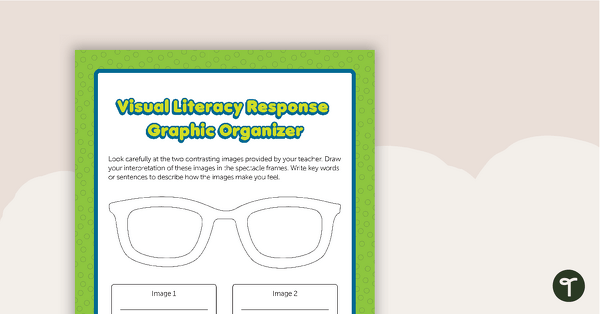
Visual Literacy Graphic Organizer
A graphic organizer to use when responding to images during visual literacy activities.
- Plus Plan
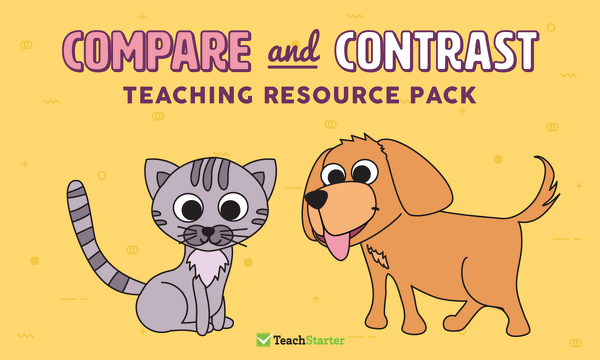
Comprehension Strategy Teaching Resource Pack - Compare and Contrast
An extensive resource pack helping students compare and contrast information.
- Plus Plan
Experimenting with Poetry Unit Plan - Grade 5 and Grade 6
This English unit addresses the common elements of poetry and explores how these may be applied to shape poems, limericks, odes and simple ballads.
- Plus Plan
Writing Informative Texts Unit Plan - Year 5 and Year 6
This English unit addresses the informative text type; specifically, how to write a well-structured informative text.
- Plus Plan
Writing Narrative Texts Unit Plan - Year 5 and Year 6
This English unit addresses the narrative text type; specifically, how to write an engaging narrative text.
- Plus Plan
Introduction to Historical Recounts Unit Plan
This English unit has been designed to introduce the historical recount text type to older students; specifically, the purpose, structure and language features of factual historical recounts.
- Plus Plan
Narrative Texts - Language Features
A 60 minute lesson in which students will identify and explore the language features of narrative texts.
- Plus Plan
Figurative Language
A 60 minute lesson in which students will identify and investigate figurative language in poetry.
- Plus Plan
Research and Note Taking - Exciting Expeditions
A 60 minute lesson in which students will research and take notes about an exciting expedition in history.
- Plus Plan
Historical Recounts - Literary vs Factual
A 60 minute lesson in which students will explore the difference between a literary historical recount and a factual historical recount.
- Plus Plan
Research Skills - Note Taking
A 60 minute lesson in which students will take appropriate notes from an informative text.