Level 4
Identify features used in imaginative, informative and persuasive texts to meet the purpose of the text, and understand how texts vary in complexity and technicality depending on the approach to the topic, the purpose and the intended audience
- Plus Plan
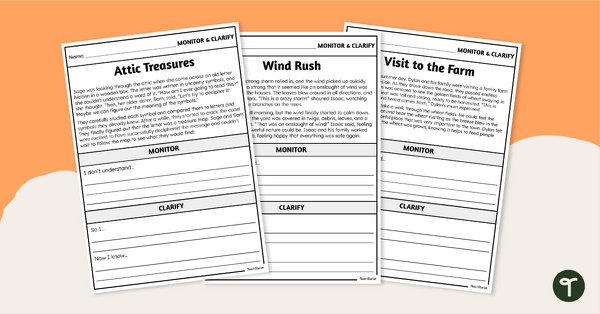
Monitor and Clarify Reading Strategy Worksheets
Help students monitor and clarify while reading using these Monitor and Clarify Reading Strategy Worksheets.
- Plus Plan
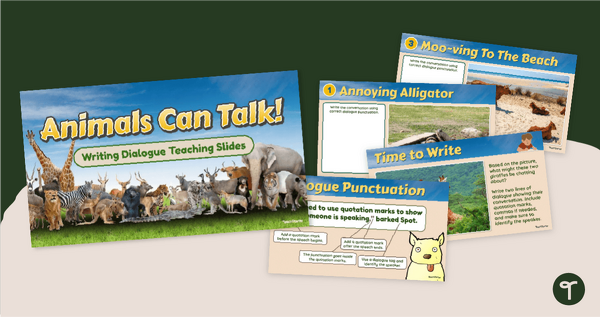
Talking Animals - Writing Dialogue Interactive Slide Deck
Practise writing dialogue and proving that 'Animals Can Talk!' with an exciting slide deck and digital learning activity.
- Plus Plan
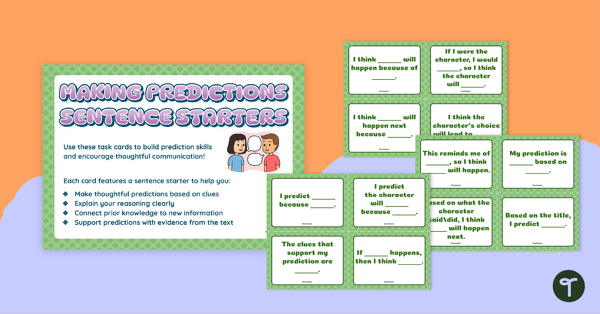
Making Prediction Sentence Starter Flashcards
Use these Making Prediction Sentence Starter Flashcards to guide students in making accurate predictions using prompts.
- Plus Plan
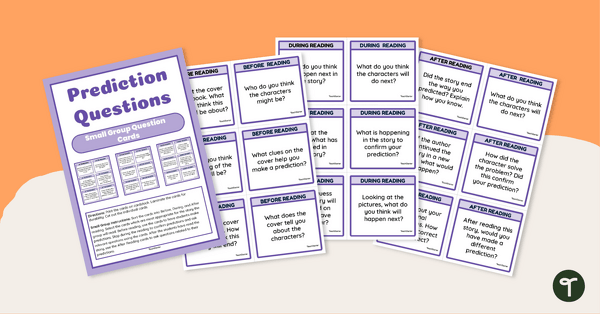
Predictions Questions for Reading Flashcards
Encourage active reading with Predictions Questions for Reading Flashcards, a versatile resource including question prompts for students to use during reading.
- Plus Plan
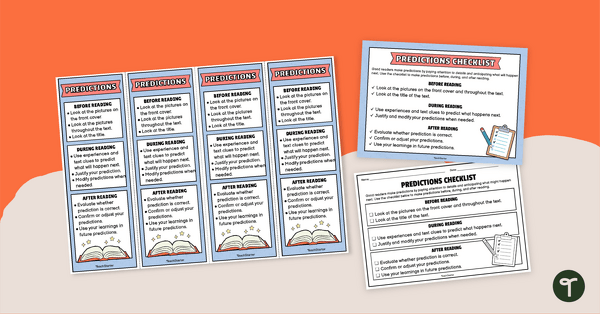
Making Predictions Before, During, After Reading Bookmark
Support student comprehension with these Making Predictions Before, During and After Reading Bookmarks.
- Plus Plan
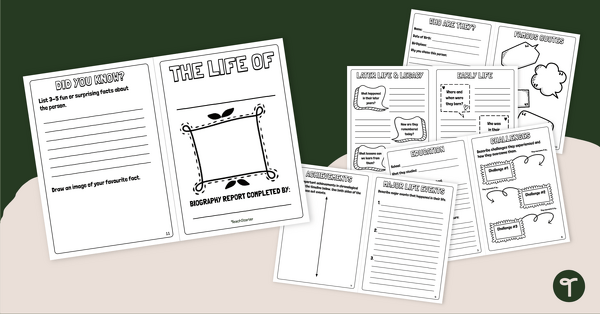
Write a Biography Booklet
Use this biography booklet to help your students organise and present information about any person in a structured, engaging format.
- Plus Plan
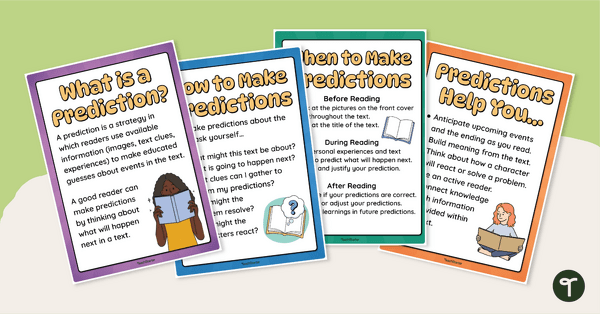
Making Predictions Poster Pack
Support student learning with these Making Predictions Posters explaining when and how to make predictions.
- Plus Plan
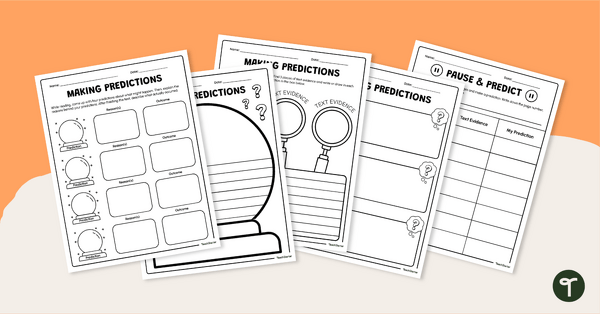
Making Predictions Graphic Organiser Pack
Enhance reading comprehension by using these Making Predictions Graphic Organiser templates in your classroom.
- Plus Plan
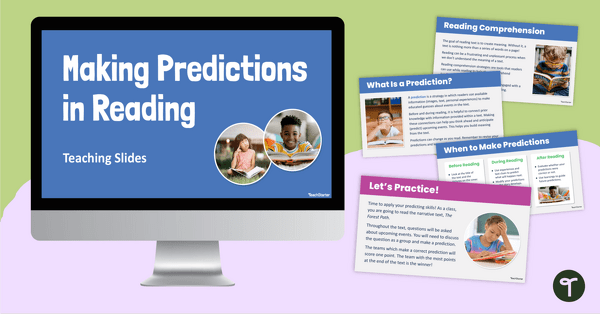
Making Predictions PowerPoint
Use this Making Predictions PowerPoint to engage students in the learning of predicting during reading.
- Plus Plan
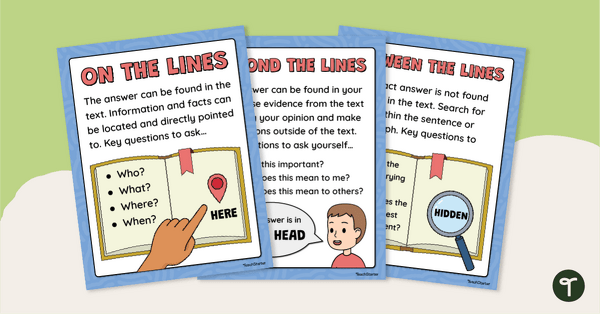
Three Levels of Reading Posters
Teach your students to read beyond the lines, between the lines and on the lines with a set of printable 3 Levels of Reading posters.
- Plus Plan
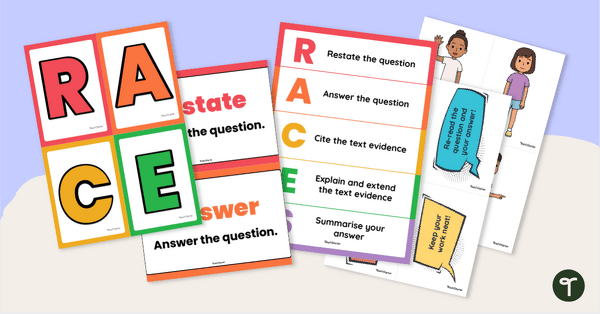
R.A.C.E.S. Constructed Response Writing Classroom Display
Help your students write evidence-based responses to text with a printable R.A.C.E.S. Writing Strategy classroom display.
- Plus Plan
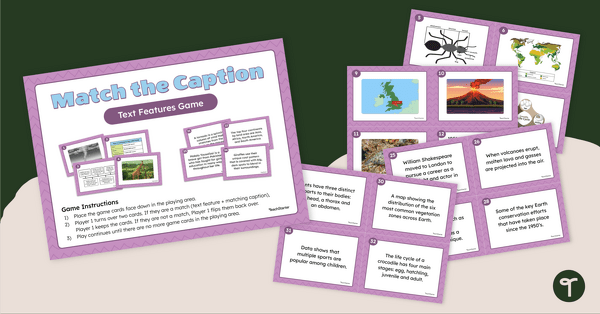
Caption Text Feature Matching Game
Teach your students about the caption text feature with this engaging and collaborative matching game.
- Plus Plan
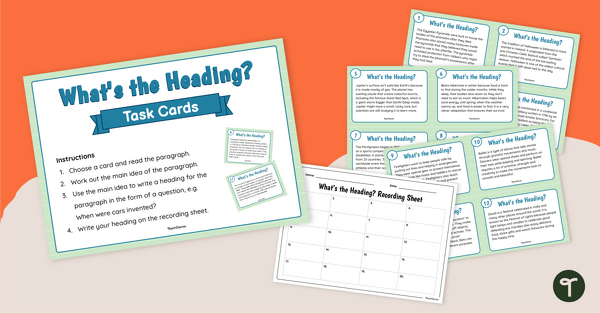
What’s the Heading? Task Cards
Explore the heading text feature with this set of task cards perfect for literacy groups.
- Free Plan
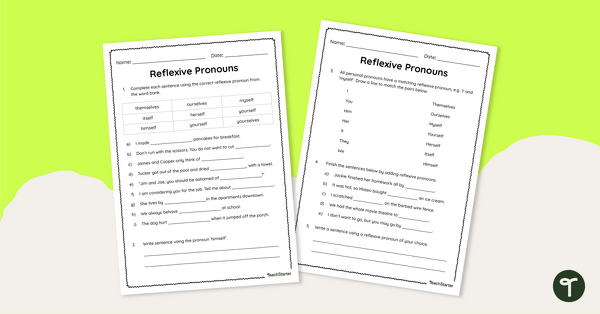
Reflexive Pronoun Worksheet
Use this reflexive pronouns worksheet to teach your students about reflexive pronouns and how they are used in sentences.
- Plus Plan
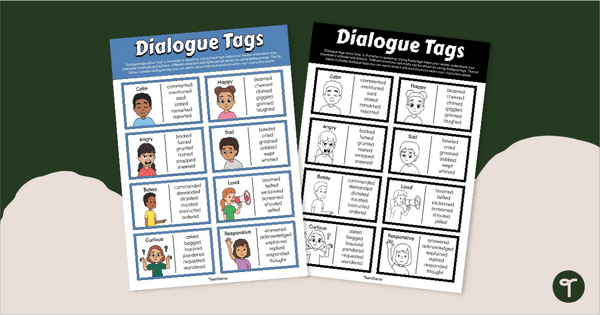
Dialogue Tags List - Vocabulary Chart
Use a Dialogue Tags list to expand your students’ vocabularies and encourage better character development in their writing.
- Plus Plan
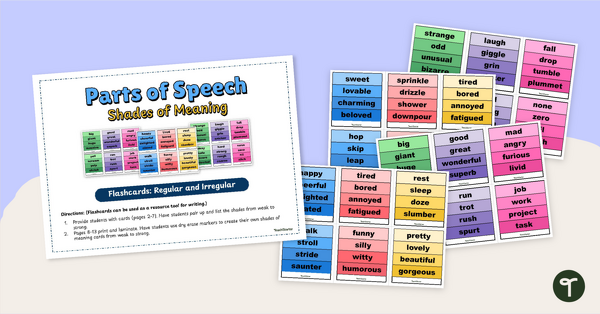
Shades of Meaning Vocabulary Posters
Support students to deepen their vocabulary understanding by exploring shades of meaning across verbs, adverbs, nouns and adjectives with engaging, classroom-ready posters.
- Plus Plan
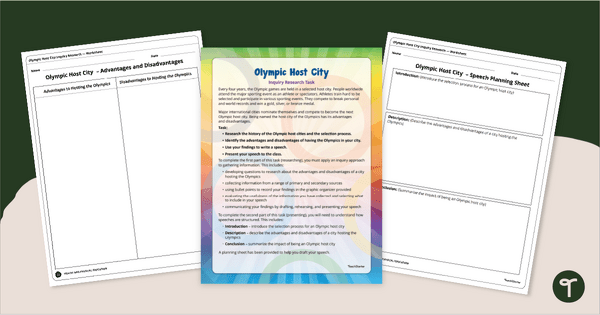
Olympic Host City Bid – Speechwriting Project
Explore the advantages and disadvantages of being the host city for the Olympics in this inquiry and speechwriting task.
- Plus Plan
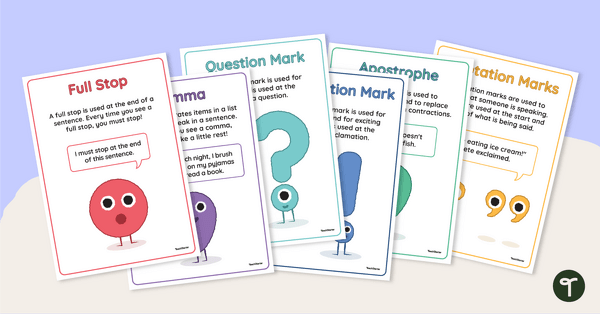
Punctuation Poster Pack
Display this set of 6 punctuation posters in your classroom to remind your students of the most common punctuation marks and their uses.
- Plus Plan
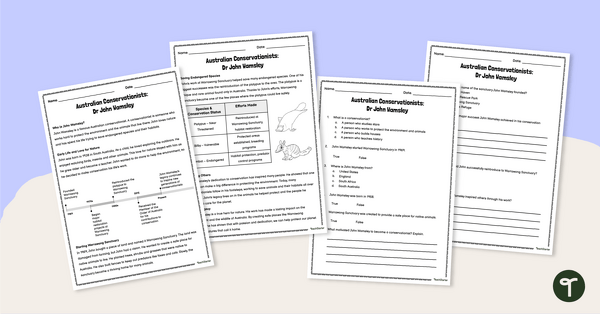
Australian Conservationists: John Walmsley – Comprehension Worksheet
Learn about Dr John Walmsley and his conservation work with this 2-page reading passage and accompanying comprehension questions.
- Plus Plan
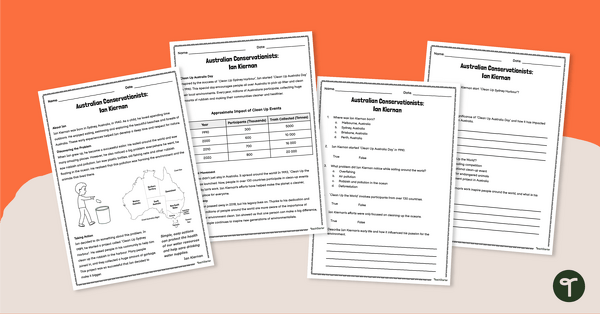
Australian Conservationists: Ian Kiernan – Comprehension Worksheet
Learn about Ian Kiernan and his conservation work with this 2-page reading passage and accompanying comprehension questions.
- Plus Plan
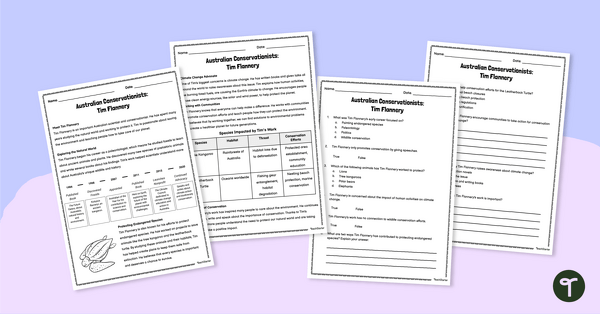
Australian Conservationists: Tim Flannery – Comprehension Worksheet
Learn about Tim Flannery and his conservation work with this 2-page reading passage and accompanying comprehension questions.
- Plus Plan
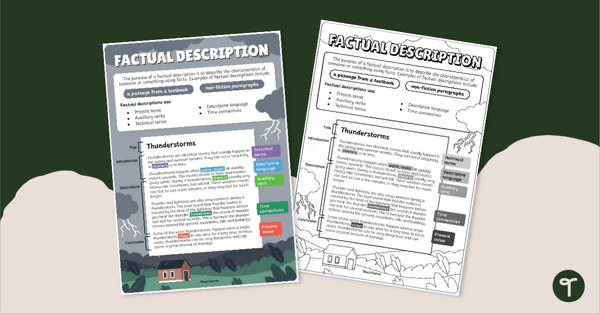
Factual Description Text Type Poster With Annotations
Display this factual description with annotations to help students identify the structure of this type of text.
- Plus Plan
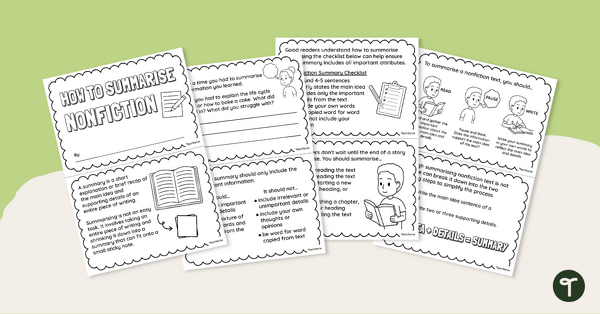
How to Summarise Nonfiction Mini Book
Explore the elements needed for a good summary of nonfiction texts with this How to Summarise Nonfiction mini-book.
- Plus Plan
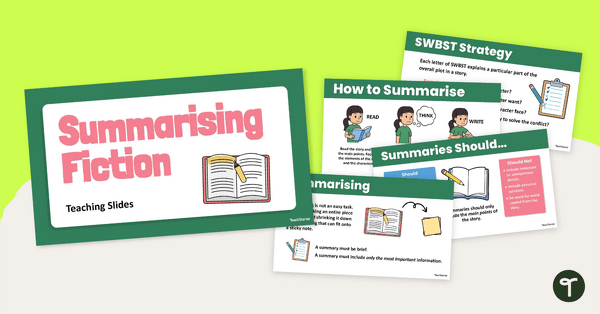
Summarising Fiction Texts Teaching Slides
Build summarising skills with fiction texts using these teaching slides.
- Plus Plan
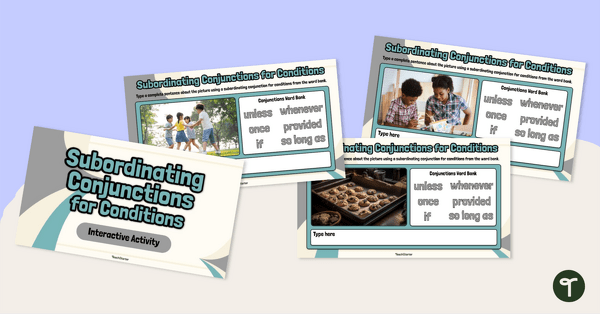
Subordinating Conjunctions for Conditions – Interactive Activity
Use this interactive digital activity to help students identify conditional subordinating conjunctions, and construct sentences using this part of speech.
- Plus Plan
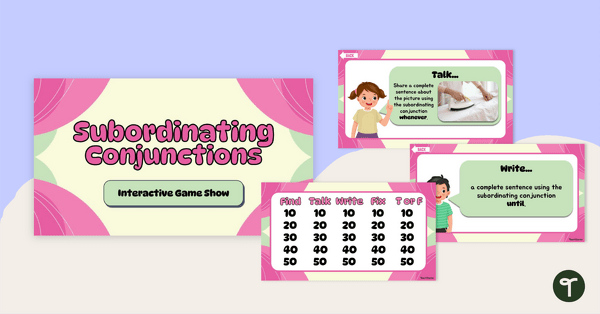
Subordinating Conjunctions Game Show
Use this interactive digital activity to assist your students in practising identifying and constructing sentences using subordinating conjunctions in a fun way!
- Plus Plan
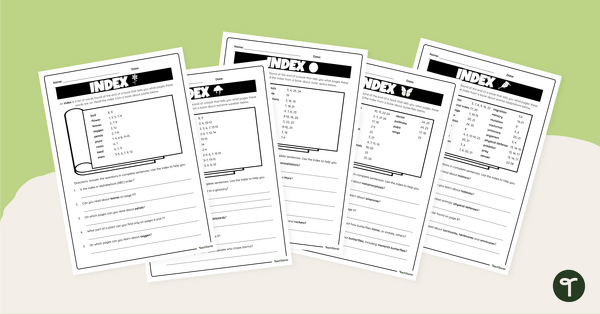
Using Indexes Worksheets
Teach students about the index text feature with this set of worksheets perfect for primary students.
- Plus Plan
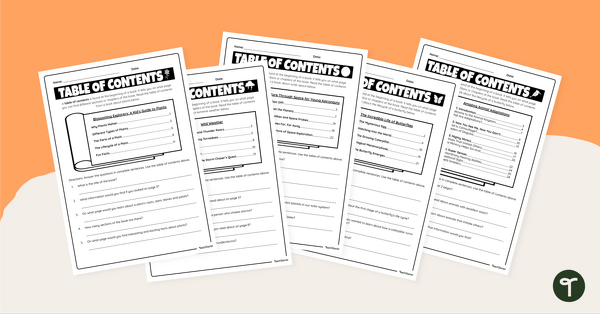
Using Tables of Contents Worksheets
Download these table of contents worksheets to provide your students with practice working with this valuable non-fiction text feature.
- Plus Plan
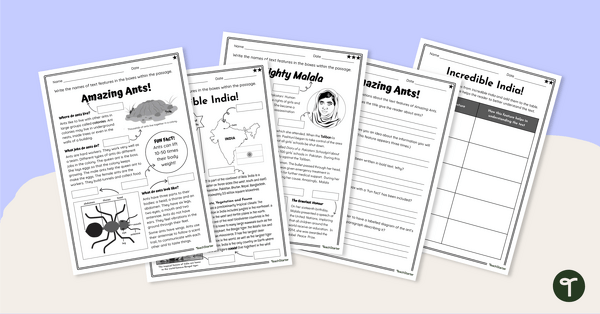
Label the Non-Fiction Text Features Worksheets
Have your students label text features in non-fiction texts with this set of three differentiation text features worksheets.
- Plus Plan
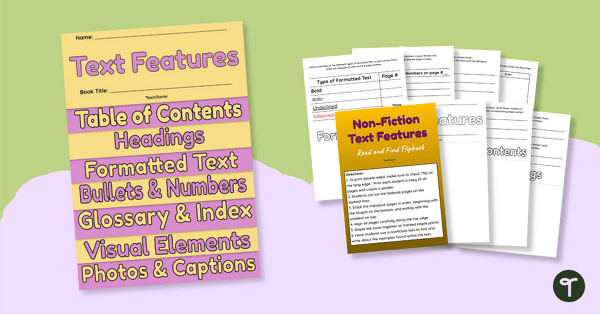
Non-Fiction Text Features Flipbook – Read and Find
Get your students to find text features in non-fiction books with this student-centred flipbook activity perfect for literacy groups.
- Free Plan
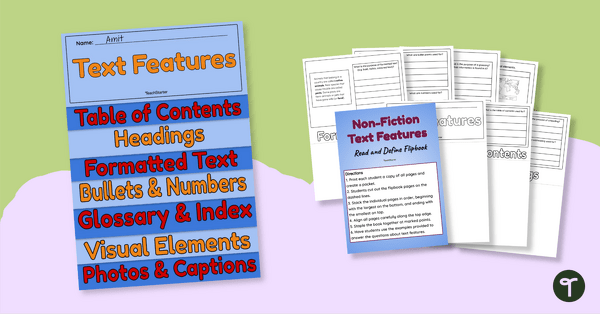
Non-Fiction Text Features Flipbook – Read and Define
Use this text features flipbook as a student-centred literacy activity to teach your students about the purpose of text features in non-fiction books.
- Plus Plan
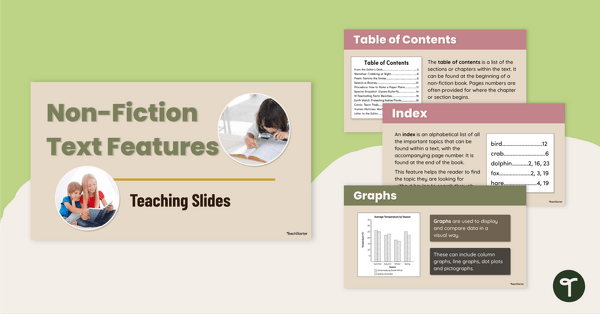
Non-Fiction Text Features Teaching Slides
Explore the features of non-fiction texts with your students using this detailed and age-appropriate slideshow for primary school literacy lessons.