VC2S2U10
the way objects move depends on a variety of factors including their size, shape and material
- observing how toys move, and grouping these based on their movements
- observing and describing movements of different and unusually shaped objects such as blocks, tubes and boiled eggs when rolled down a slope
- comparing the way different-sized, similar-shaped objects such as tennis balls, golf balls, marbles and basketballs roll and bounce
- exploring how the material a ball is made from, such as plastic, foam, cloth or rubber, affects the way it moves
- investigating how the size and shape of Aboriginal and/or Torres Strait Islander Peoples’ traditional educational toys for children influence the toys’ movement; for example, the ball used in marngrook, a football game played by some Aboriginal groups at gatherings and celebrations, was traditionally played with a possum-skin ball in south-western Victoria, but in some other areas the ball was made from materials such as kangaroo skin
- Plus Plan
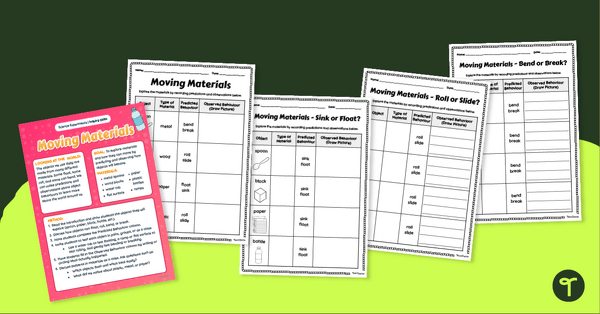
Moving Materials Science Experiment Pack
Explore materials and how they behave with an engaging Moving Materials Science experiment pack.
- Plus Plan
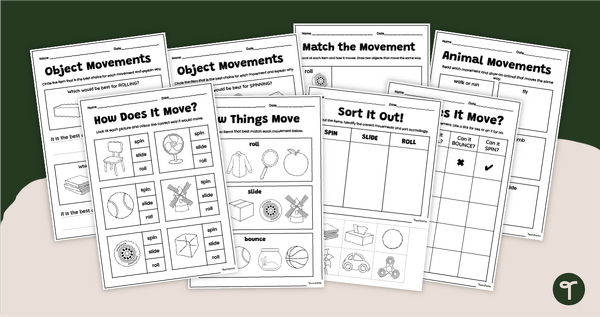
How Things Move Worksheet Pack
Download our ‘How Things Move’ Worksheet Pack to boost science inquiry skills and encourage your students to explore force and motion.
- Plus Plan
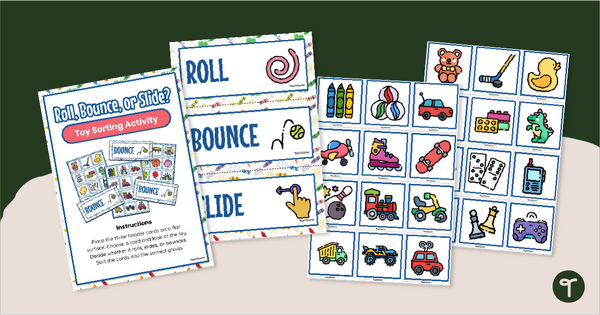
Roll, Slide or Bounce? Toy Sorting Activity
Explore movement, sorting, and classification with a printable ‘How It Moves’ Toy Sorting Activity.
- Plus Plan
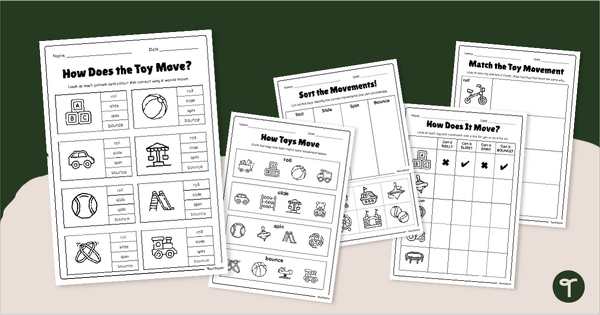
‘How Toys Move’ Worksheet Pack
Download our ‘How Toys Move’ Worksheet Pack to boost science inquiry skills and encourage your students to explore motion.
- Plus Plan
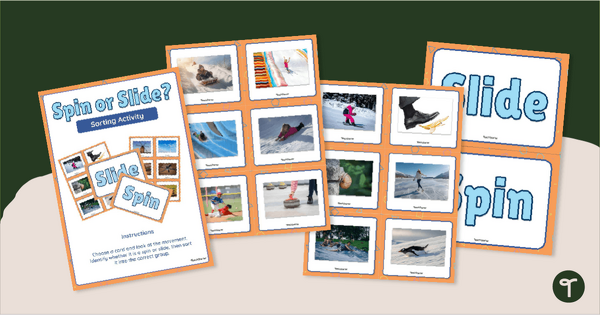
Spin or Slide Sort - Science of Movement Activity
Group objects based on how they move with an engaging Spin or Slide? Science of Movement Activity.
- Plus Plan
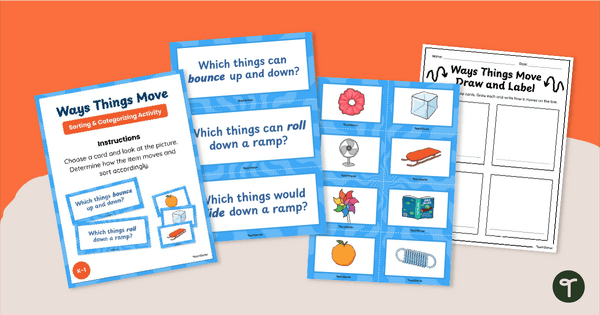
Ways Things Move - Science Sorting Activity
Introduce your F-1 students to the world of motion and scientific categorisation with a printable ‘How Things Move’ Sorting Activity.
- Free Plan
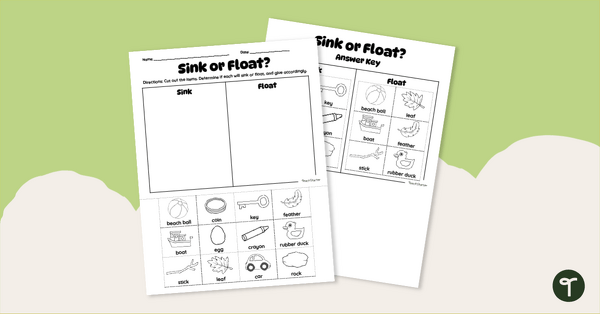
Sink or Float? Worksheet (Cut and Paste)
Identify objects that sink and float with a printable Sink or Float Worksheet PDF.
- Plus Plan
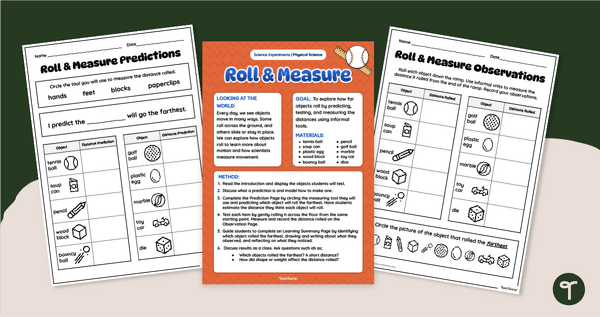
Roll & Measure Science Investigation
Explore movement and measurement with informal units with an engaging Roll and Measure Science Experiment for early learners.
- Plus Plan
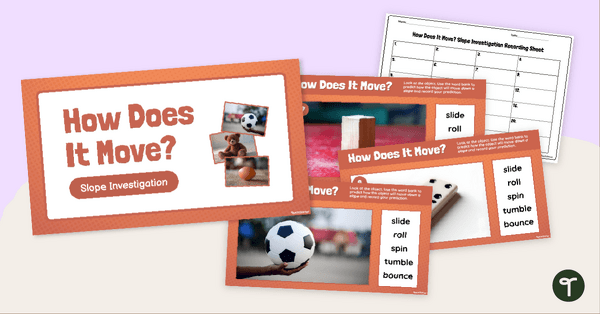
Make It Move! Slope Investigation Activity
Explore movement and make science predictions with our Make It Move! Slope Investigation Slideshow and recording sheet.
- Plus Plan
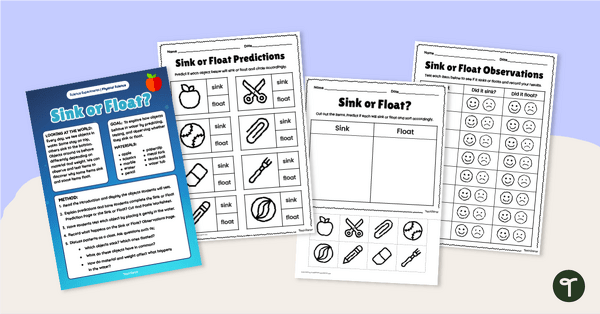
Sink or Float Experiment Pack (F-1)
Explore properties of matter and boost science inquiry skills with a Sink or Float Science Experiment.
- Plus Plan
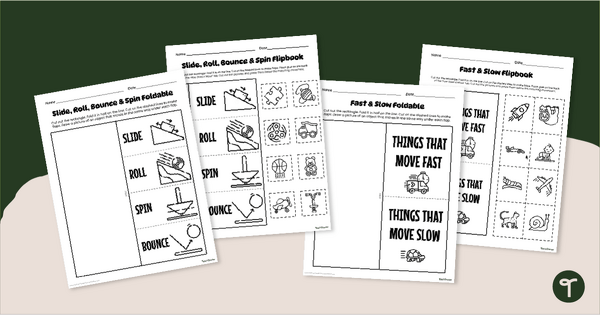
How Things Move Foldables
Explore ways things move with printable How Things Move foldables for interactive science notebooks.
- Free Plan
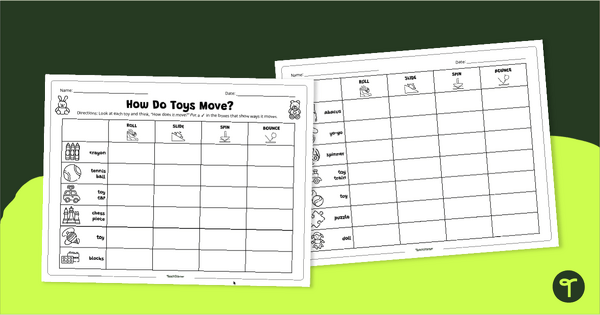
How Do Toys Move? Worksheet
Explore motion and how things move with a printable ‘How Do Toys Move?’ Worksheet.
- Plus Plan
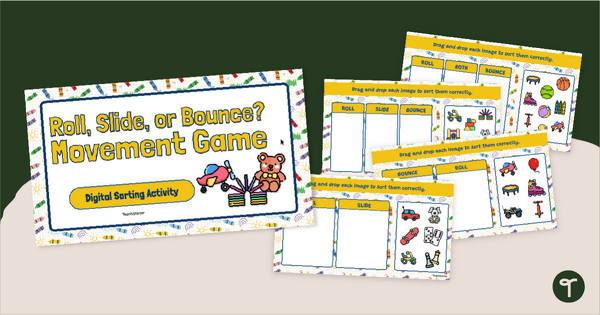
How It Moves - Digital Toy Sorting Game
Explore motion and categorisation with an engaging Interactive Toy Sorting Game.
- Plus Plan
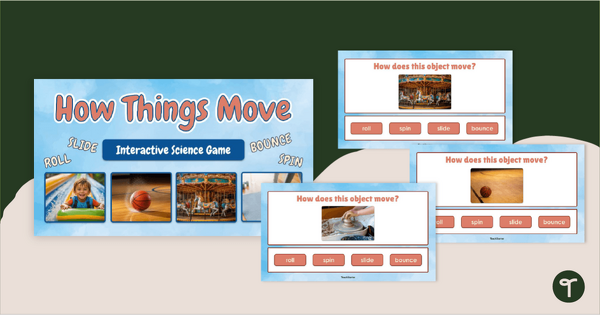
How Does It Move? Game
Engage your little learners in the study of motion with a self-checking ‘How Does It Move?’ Game.
- Plus Plan
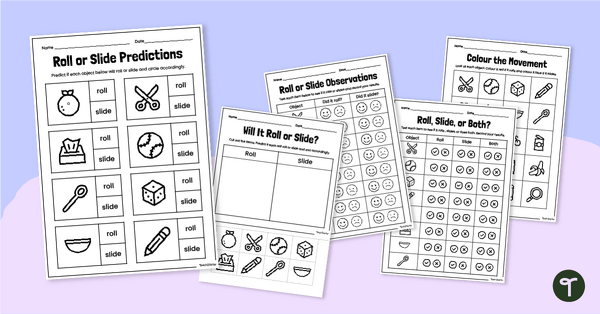
Roll or Slide Worksheets (F-1)
Explore motion and boost science inquiry skills with Roll and Slide Worksheets for Foundation and Year 1 students.