VC2S2U03
plants and animals have external features that perform different functions to enable their survival; in plants these features include roots, stems, leaves, flowers, fruit, bulbs, trunks and branches, while different features in animals enable them to move, breathe, eat and respond to their environment
- comparing the roots, leaves, flowers and stems of different plants
- investigating the movement of water in plants by observing what happens when a celery stick is placed in a glass of water to which food colouring has been added
- exploring how the 5 human sensory organs (eyes, ears, skin, nose and tongue) detect and respond to what is happening around them, and comparing the importance of sensory organs for different animals, such as in echolocation used by bats
- exploring why animals, including humans, have different teeth and how this relates to diets (herbivores, carnivores and omnivores)
- investigating how Aboriginal and/or Torres Strait Islander Peoples’ observations of external features of living things, such as the way that different animals move and behave, can be represented in traditional dance
- grouping animals on the basis of common features, for example identifying how different animals use their tails or comparing body coverings of different animals, such as scales, fur, hair and skin
- Plus Plan
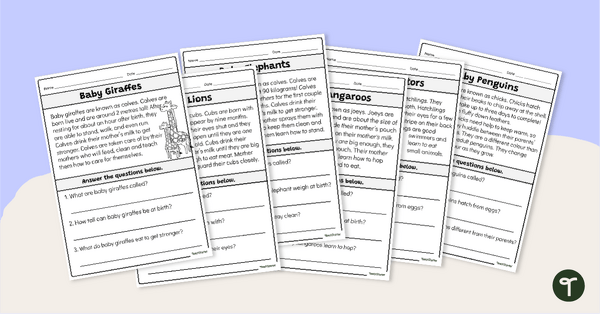
Baby Animals Reading Worksheets - Year 1-2
Learn about animals and their babies with a pack of printable Animal Babies Reading Worksheets for Years 1 & 2.
- Plus Plan
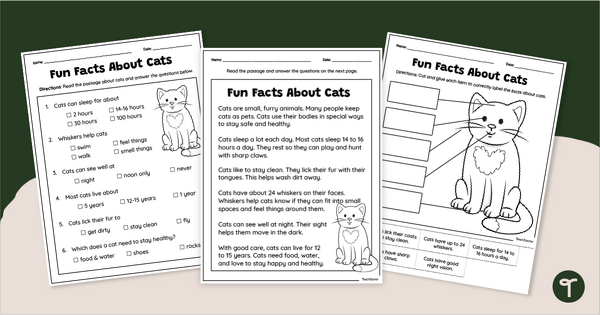
All About Cats - Year 1 Reading Comprehension Passage
Explore informational text and learn all about cats and their external features with a printable reading comprehension passage for year 1 students.
- Free Plan
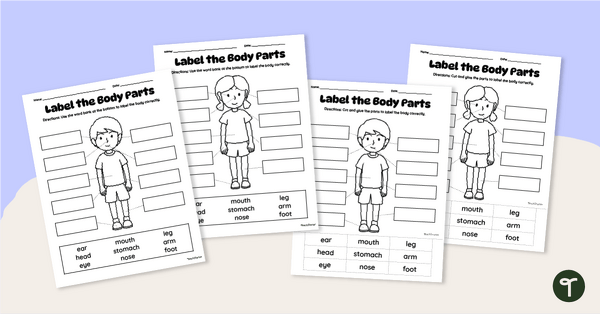
Human Body Labelling Worksheet Pack
Highlight the features of the body with a Human Body Labelling Worksheet pack.
- Plus Plan
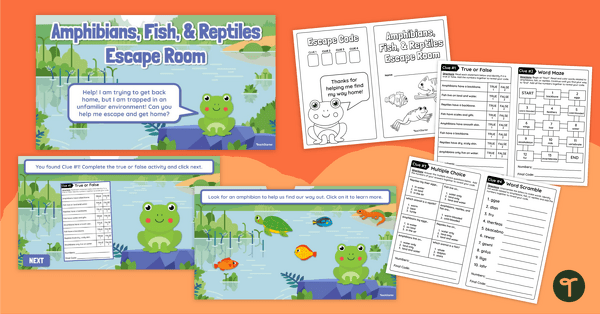
Amphibians, Fish and Reptiles Escape Room
Help your students discover the unique characteristics of amphibians, fish, and reptiles with an exciting Animal Science Escape Game!
- Plus Plan
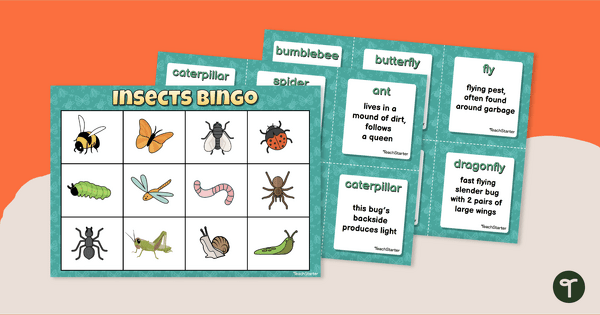
Insects for Kids - Bingo Game
Learn about creepy crawly insects with a Bug Bingo Game for early learners.
- Plus Plan
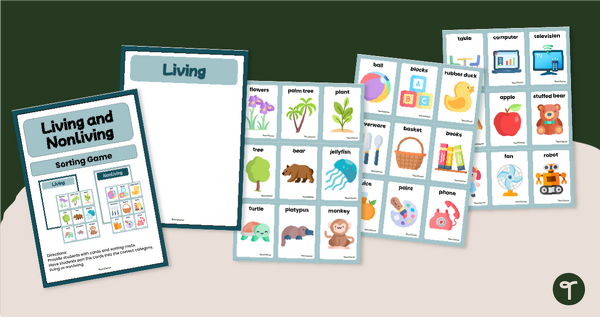
Living & Non-Living Things - Picture Sort
Sort biotic vs. abiotic things and discuss their characteristics with a hands-on living vs. nonliving picture sort.
- Plus Plan
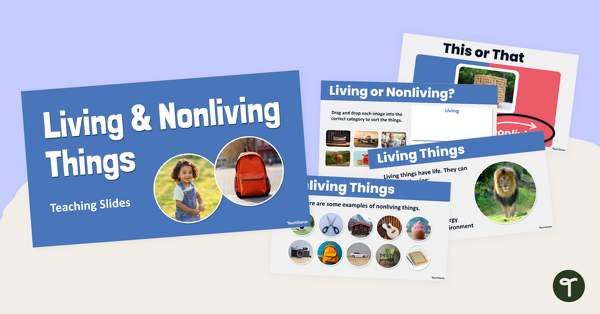
Living and Non-Living Things Teaching Slides
Discover living and nonliving things with an engaging Living vs. Nonliving things teaching slide deck.
- Free Plan
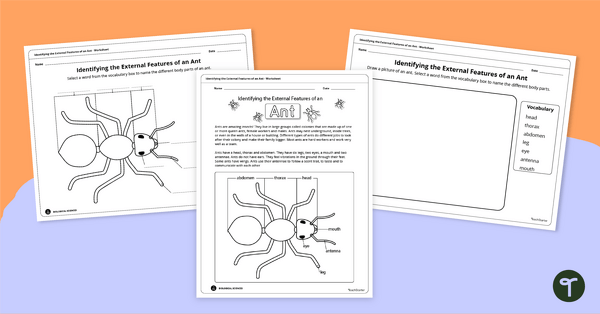
Label the Ant Diagram Worksheet Pack
Learn about the anatomy of an ant with a printable reading passage and ant labeling worksheets.
- Plus Plan
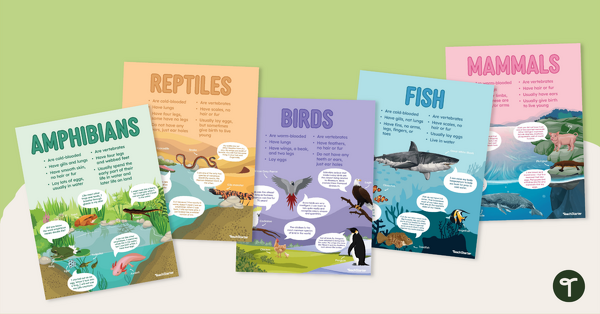
Printable Animal Classification Posters
Support your F-3 students’ understanding of the animal kingdom with classroom-ready animal classification posters. Designed for durability and easy display.
- Plus Plan
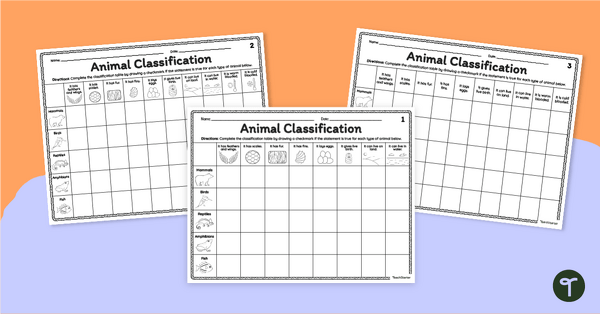
Animal Classification Chart Activity Pack
Classify mammals, reptiles, birds, and other animal groups with a printable pack of animal classification table worksheets.
- Free Plan
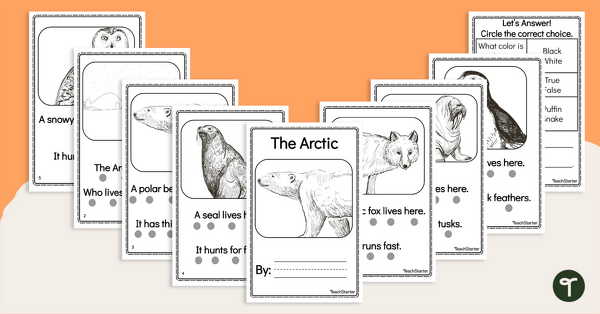
Arctic Animals Booklet - Science Reader
Learn about polar animals and build comprehension skills with a Year 2 Arctic animal book.
- Free Plan
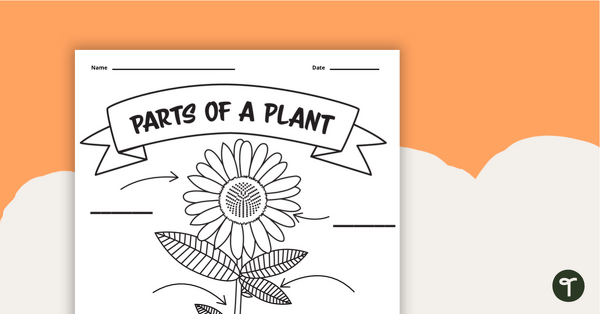
Free Parts of A Plant Labeling Worksheet (F-2)
Explore our free parts of a plant worksheet to help your students identify and label plant parts, including roots, stems, leaves, flowers, fruits, and seeds.
- Plus Plan
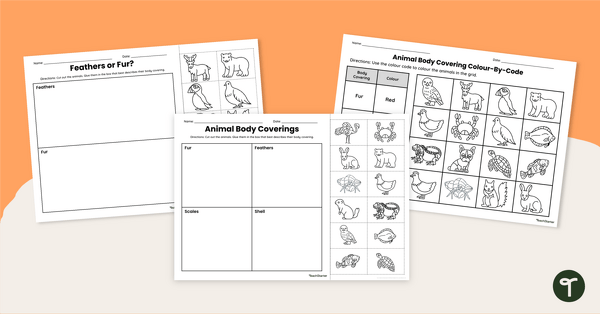
Animals With Scales, Fur, Shells and Feathers Worksheet Pack
Investigate different animal body coverings by sorting and colouring animals with feathers, fur, scales and shells.
- Free Plan
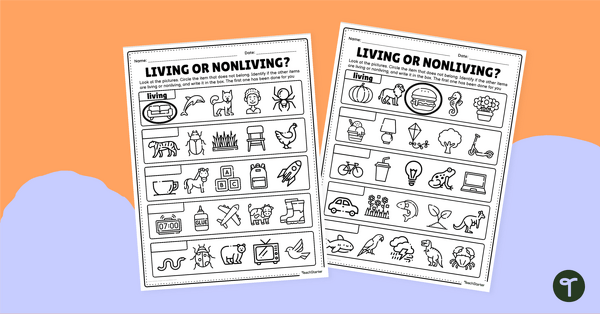
Living or Non-Living? Worksheet
Explore living and non-living thing and develop classification skills with a printable Living or Nonliving Worksheet.
- Plus Plan
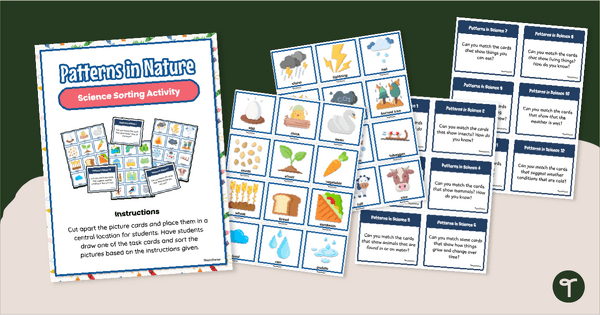
Patterns in Nature - Science Sorting Activity
Explore and observe patterns in nature with a printable Patterns In Nature Sorting Activity.
- Plus Plan
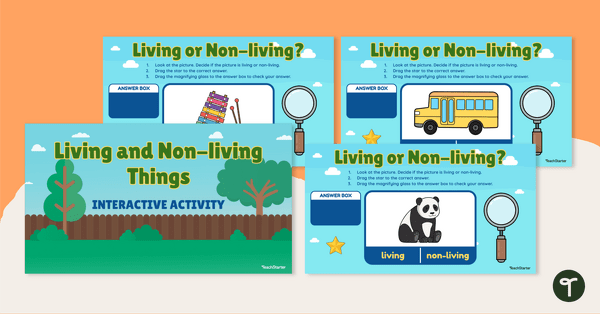
Living or Non-living Things – Interactive Activity
Identify living and non-living things with this self-checking interactive activity.
- Plus Plan
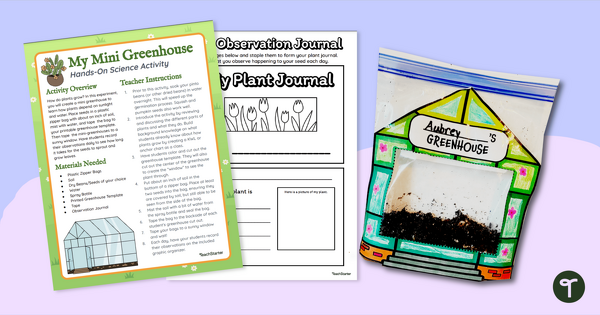
Growing Bean Plant Seeds — Greenhouse Template
Start growing bean plant seeds to observe plant life cycles with a printable greenhouse template and observation journal.
- Plus Plan
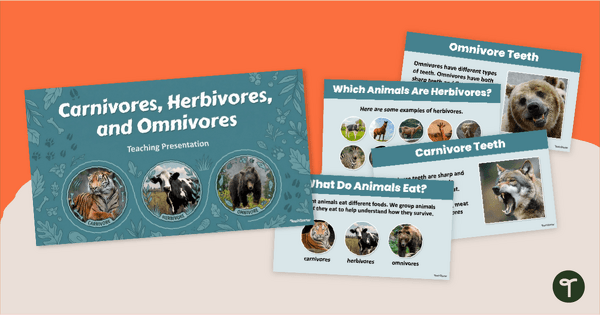
Carnivores, Herbivores, and Omnivores PowerPoint
Explore types of consumers and how they get their food with an engaging Carnivores, Herbivores, and Omnivores PowerPoint.
- Plus Plan
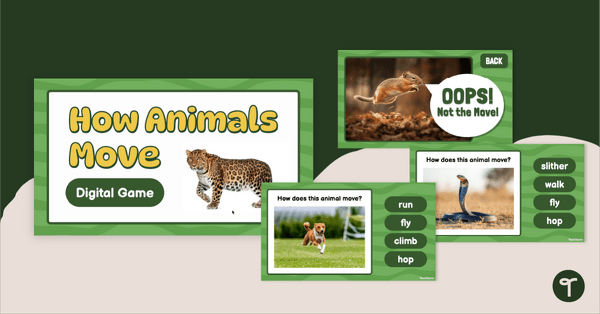
Interactive Animal Movement Game
Explore animals and how they move with an interactive Animal Movement Game.
- Plus Plan
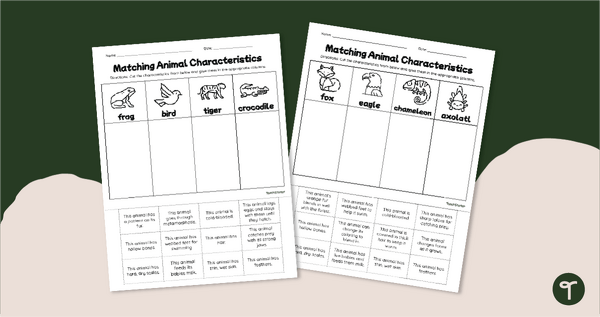
Characteristics of Living Things - Science Worksheets
Identify the characteristics of living things and animal classes with a pack of printable Animal Class Characteristic Worksheets.
- Plus Plan
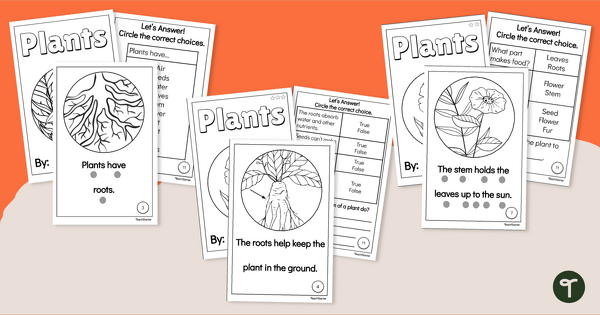
Parts of a Plant Booklets - Differentiated
Read and learn about the parts of a plant with a set of differentiated Parts of a Plant Books for kids.
- Free Plan
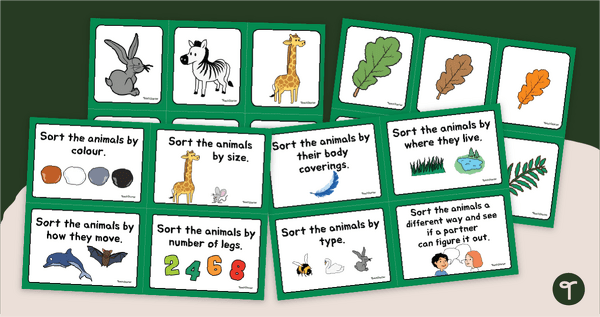
Grouping Plants and Animals – Sorting Activity (F-1)
Sort and group plants and animals based on a variety of characteristics with a Plants And Animals Sorting Activity Pack.
- Plus Plan
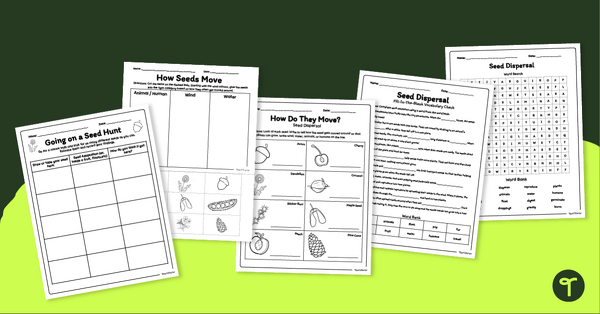
Seed Dispersal Activity Sheets
Complete these seed dispersal activity sheets to help your students discover how seeds travel and reproduce into new plants.
- Plus Plan
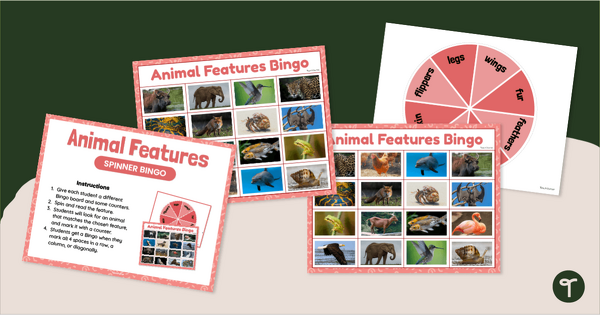
Features of Animals Bingo Game (F-2)
Explore and identify the external features of animals with an exciting Features of Animals Bingo Game.
- Plus Plan
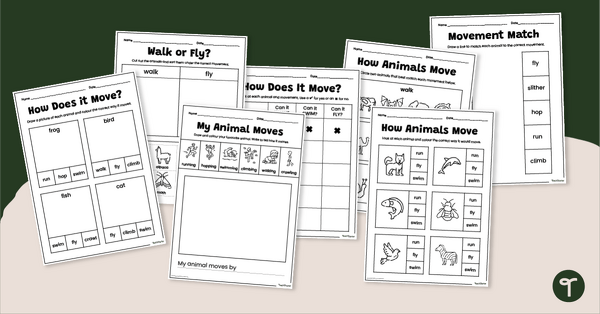
How Do Animals Move Worksheet Pack
Colour, sort, and categorise how animals get around with a set of ‘How Animals Do Animals Move’ Worksheet Pack
- Plus Plan
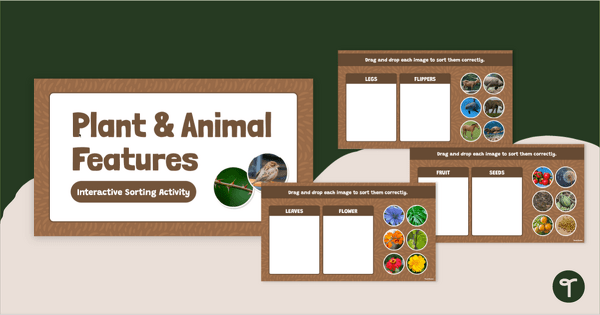
Interactive Plant and Animal Sorting Game - External Features
Observe, sort, and group living things based on external features with an Interactive Plant and Animal Sorting Game.
- Plus Plan
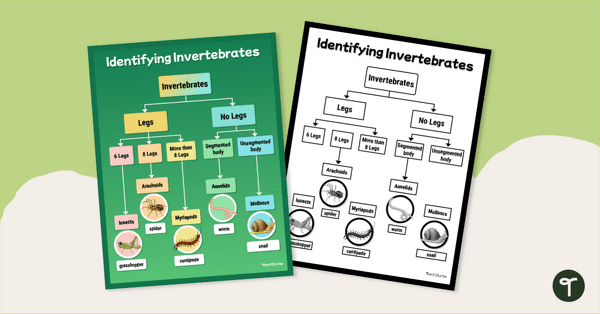
Identifying Invertebrates Poster
Help your students differentiate between insects, arachnids and other invertebrates, with a printable Invertebrate Identification chart.
- Free Plan
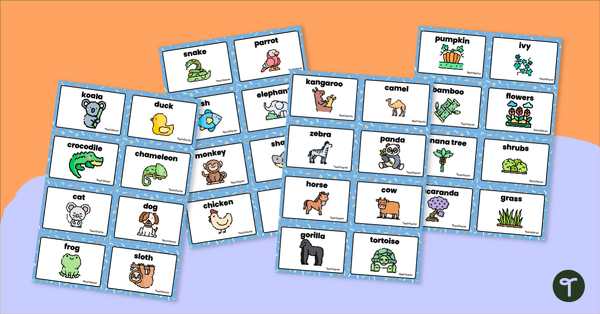
Plants and Animals Flashcards
Introduce your students to a variety of plants and animals with our printable flashcards.
- Plus Plan
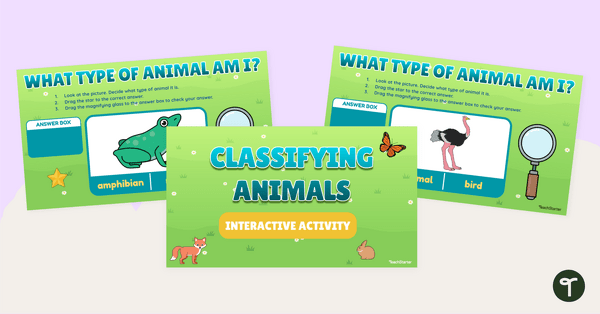
Classifying Animals Digital Learning Activity
Help students learn how to classify animals based on their characteristics with an engaging ‘Magic Looking Glass’ Interactive activity.
- Plus Plan
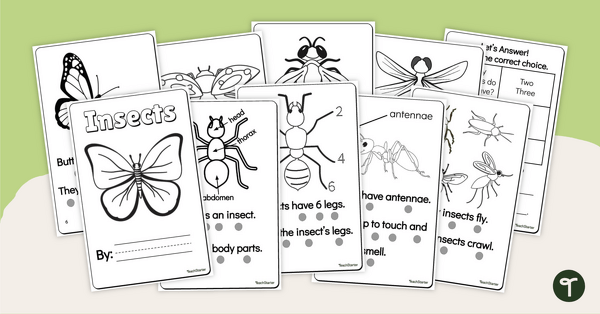
Features of Insects Mini Book
Learn about the features of insects with a printable decodable book for kids.
- Free Plan
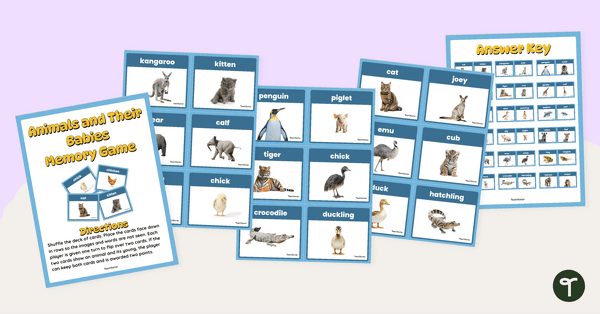
Baby Animal Matching Game - Memory
Play a Baby Animal Matching Game for kids to learn about animals and their young.
- Plus Plan
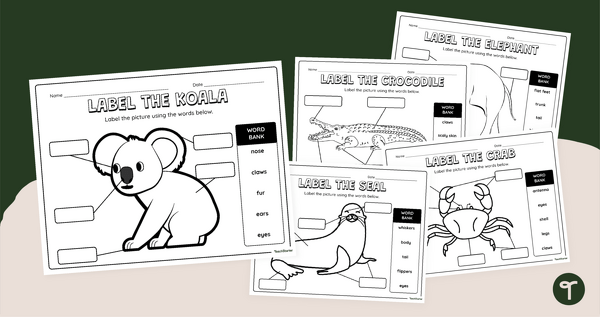
Label the Animal Activity Sheets
Examine and identify animal body parts with printable ‘Label the Animal’ activities for students in the early years.