VC2S4I01
observations can be used as a basis for posing questions to identify patterns and relationships, and to predict the outcomes of investigations
- making predictions based on previous observations of potential changes about the mass of ice in a sealed container as the ice melts, such as predicting how quickly ice will melt at different ambient temperatures or predicting whether the mass of ice in the sealed container will change when the ice has melted
- predicting which objects will reach the highest temperature when they are heated
- predicting the effect on food chains when living things are removed from or die out in an area, based on current observations and discussion
- posing questions about why some materials are used more often than others for particular products
- posing questions about substances that are difficult to classify as solids, liquids or gases, such as toothpaste, slime, foam and hair gel
- Plus Plan
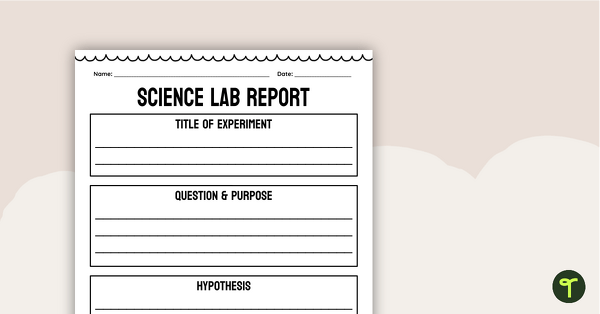
Science Lab Report Template
Use a Science Lab Report Template to help your students organise their findings in any scientific method lab experiment.
- Plus Plan
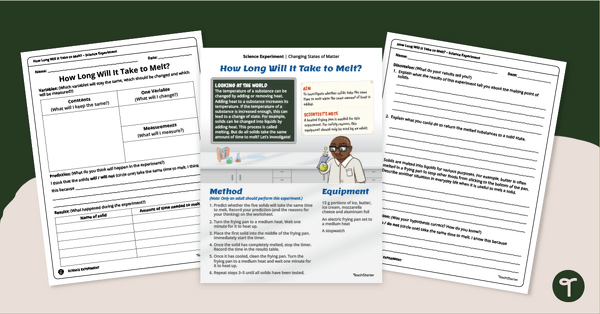
Changing Matter Experiment – How Long Will It Take to Melt?
Explore how solids change into liquids with an exciting hands-on Matter science experiment.
- Plus Plan
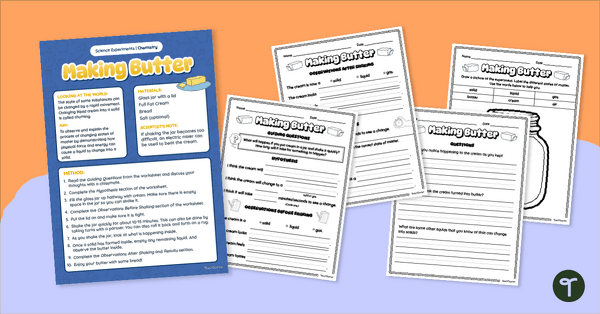
Making Butter in a Jar – States of Matter Lab Activity
Have fun making butter in a jar in this exciting Changing States of Matter Lab Activity.
- Plus Plan
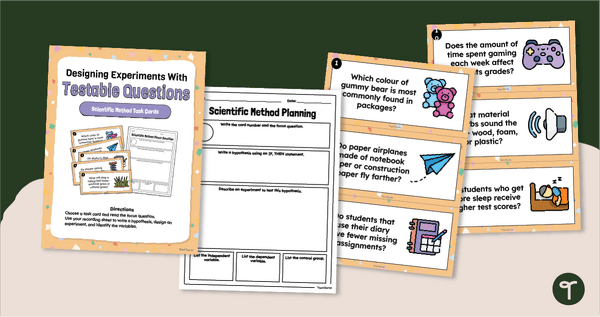
Designing a Science Experiment Task Cards
Help your students plan their own scientific method experiments with a set of printable Scientific Method Experiment Design Task Cards.
- Plus Plan
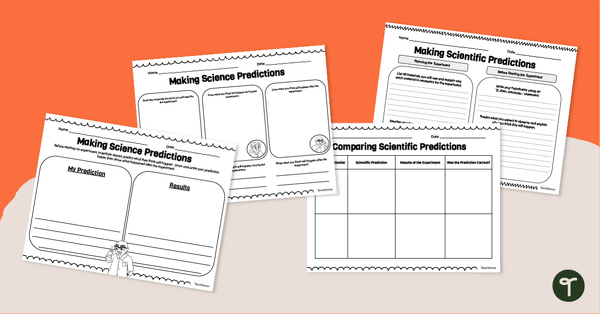
Making Predictions in Science - Worksheets (Differentiated)
Introduce your students to making predictions in science with a set of differentiated Scientific Prediction Worksheets.
- Plus Plan
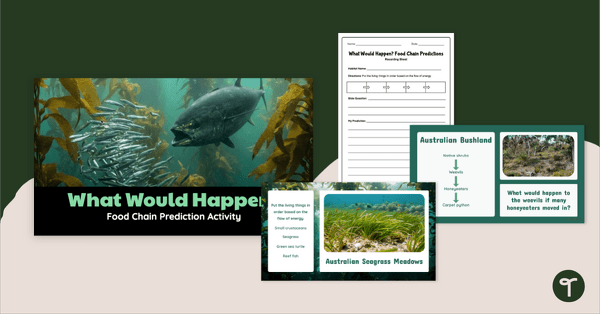
What Would Happen? Food Chain Prediction Activity
Explore how changes in the environment can affect food chains with an interactive Food Chain Prediction Activity.
- Plus Plan
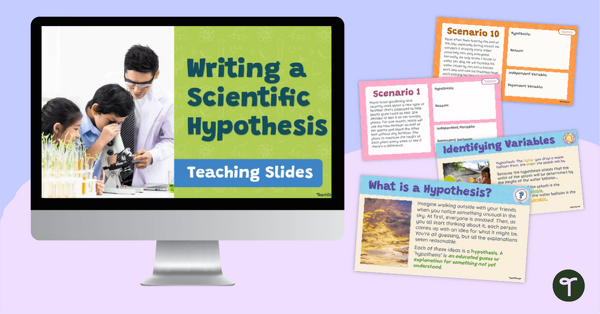
Writing a Scientific Hypothesis PowerPoint
Teach your students how to write a scientific hypothesis with an interactive slide deck and hypothesis writing practice activity.
- Plus Plan
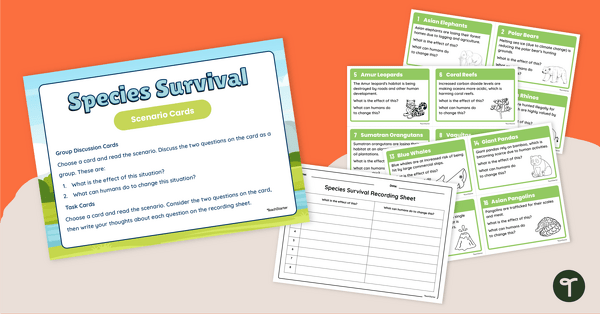
Species Survival Prediction Task Cards
Explore how to save endangered species with this set of 16 species survival scenario cards.
- Plus Plan
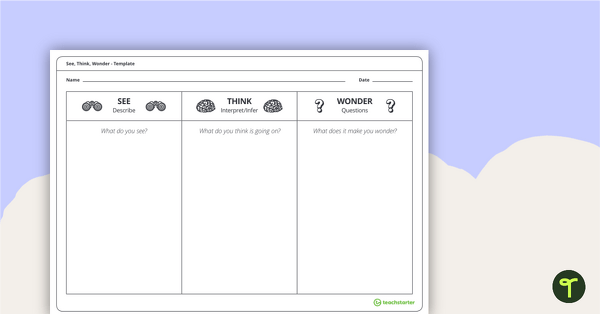
See, Think, Wonder Template
A See, Think, Wonder Template is useful in encouraging students to make careful observations and interpretations.
- Plus Plan
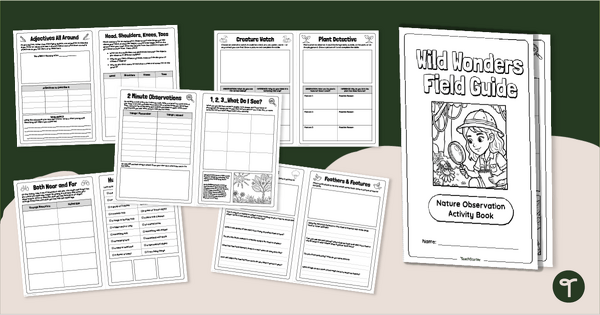
Wild Wonders! Nature Observation Activity Book
Explore and observe the natural world with our Wild Wonders Nature Observation Activity Book.
- Plus Plan
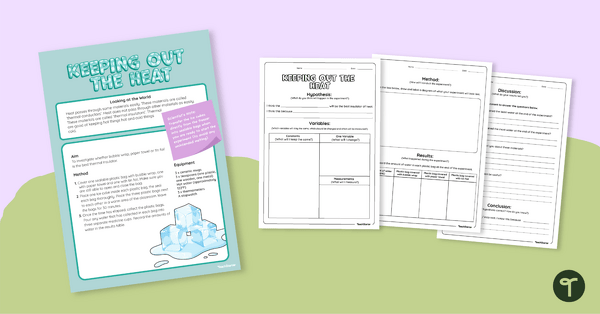
Heat Insulators Experiment (Keeping Out the Heat)
Investigate heat insulators with your students using this engaging Heat Insulator experiment.
- Plus Plan
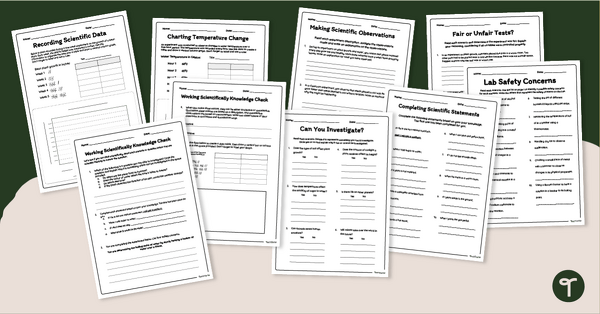
Working Scientifically - Skills for Science Inquiry Worksheet Pack
Improve your students' skills for science class with printable Scientific Inquiry Skills Worksheets.
- Plus Plan
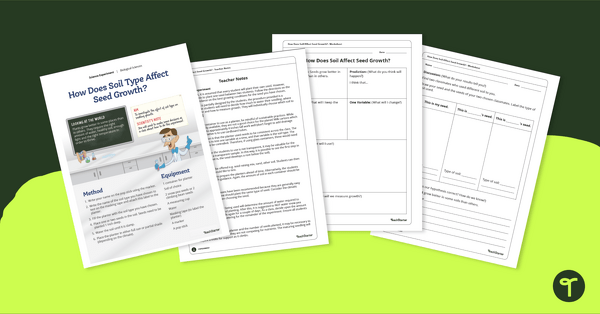
Science Experiment - How Does Soil Affect Seed Growth?
Explore the effect of soil type on growth and change of a seedling with a hands-on science experiment.
- Plus Plan
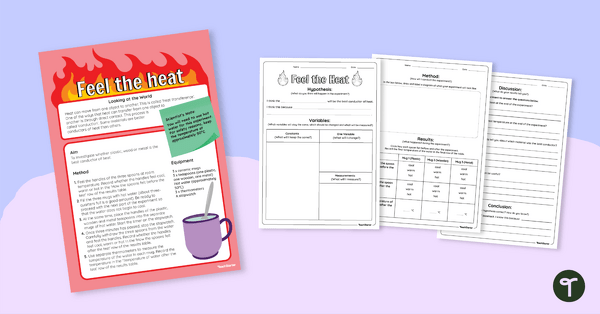
Heat Conductors Science Experiment (Feel the Heat)
Investigate heat conductors with your students using this engaging Conducting Heat experiment.
- Plus Plan
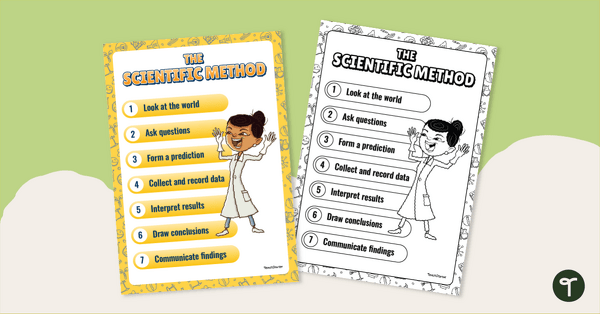
The Scientific Method Poster - Upper Years
Teach your students the 7 steps in the scientific process with a printable scientific method poster.
- Plus Plan
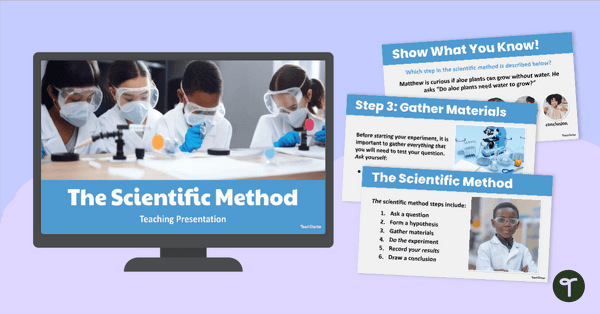
The Scientific Method PowerPoint - Early Years
Complete your scientific method lesson plan sequence with a ready-made Scientific Method PowerPoint for Year 1 through Year 3 Students!
- Plus Plan
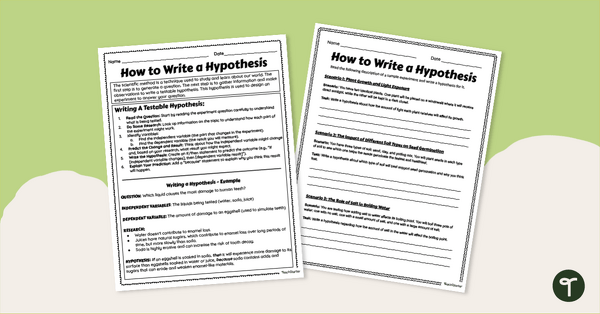
How to Write a Hypothesis Worksheet
Teach your students to write a hypothesis with a printable writing guide and a hypothesis-writing practice worksheet.
- Plus Plan
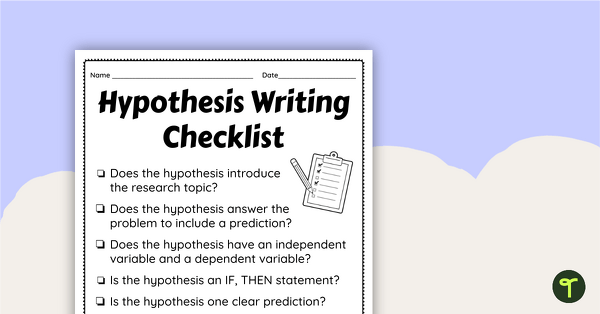
Scientific Hypothesis Writing Checklist
Use a Scientific Hypothesis Writing Checklist to help your students write clear and complete scientific hypotheses.
- Plus Plan
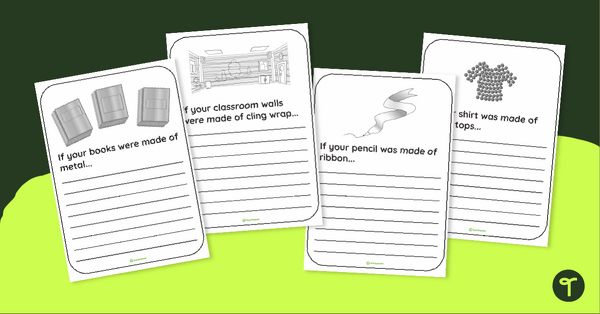
What If? Choosing Materials Worksheets
A set of 6 templates to use when investigating the properties of materials.
- Plus Plan
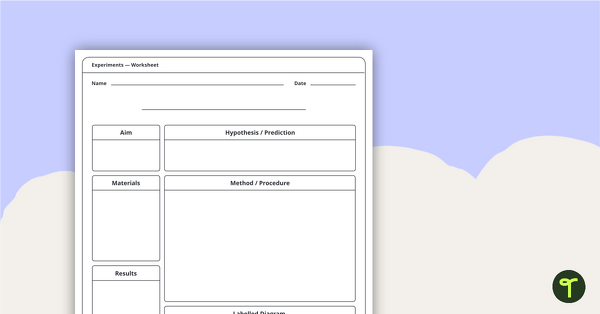
Science Experiment Recording Sheet
A recording sheet to use when completing a Science experiment.
- Plus Plan
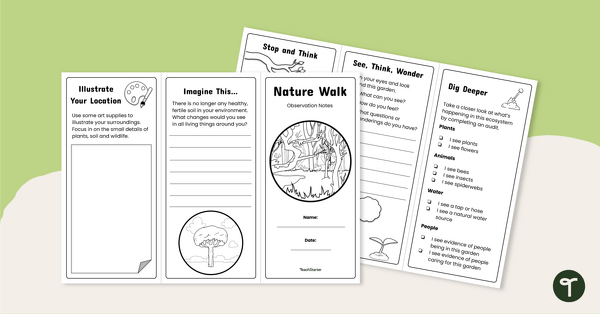
Nature Walk Brochure Template
Have your students explore their natural surroundings with this nature walk brochure template.
- Plus Plan
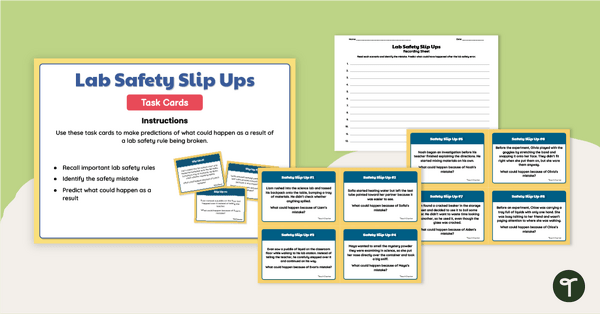
Lab Safety Slip Ups - Making Predictions Task Cards (4-6)
Help your upper-years science students develop safe lab habits with this interactive set of printable Lab Safety Task Cards.
- Plus Plan
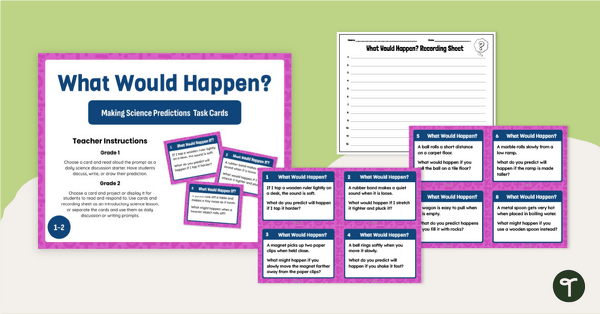
What Would Happen? Making Science Predictions Activity Cards
Read, think, and make scientific predictions in the classroom with a set of printable Science Prediction Task Cards for early and middle-primary students.
- Plus Plan
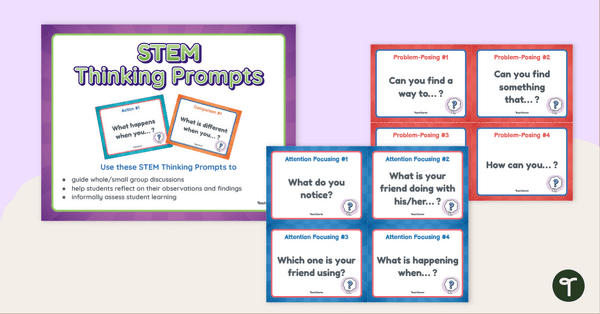
STEM Thinking Prompts - Higher Order Thinking Skills Questions
Use our printable STEM Higher Order Thinking Question cards to improve scientific conversation and critical thinking skills in your students.
- Plus Plan
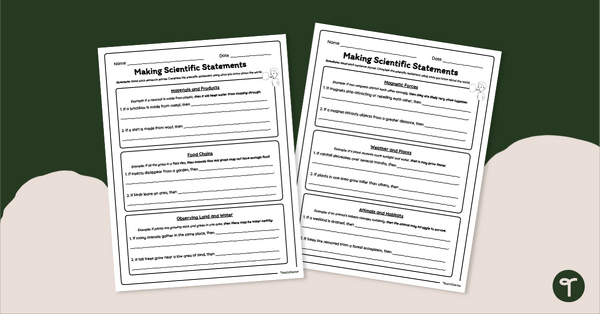
Making Scientific Statements Worksheets
Practise writing complete scientific predictions with a pair of printable ‘Making Scientific Statements’ worksheets.
- Plus Plan
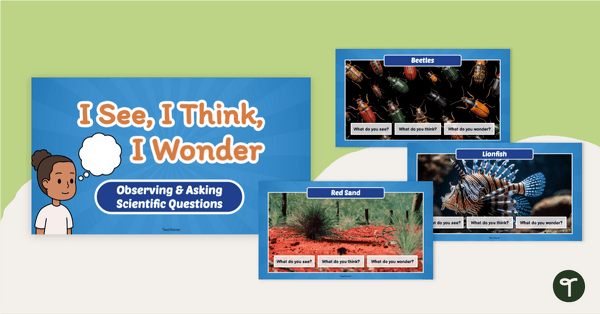
I See, I Think, I Wonder - Science Inquiry PowerPoint
Teach students to ask scientific questions, make observations, and inspire discussions with an engaging ‘I See, I Think, I Wonder’ Science Inquiry Slide Deck.
- Free Plan
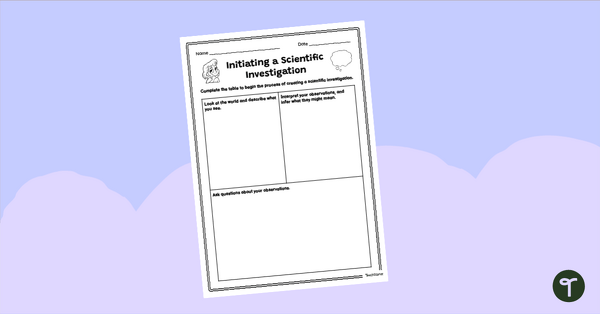
Scientific Investigation Skills Worksheet
Help students begin the process of a scientific investigation with an introduction to the scientific method activity sheet.
- Plus Plan
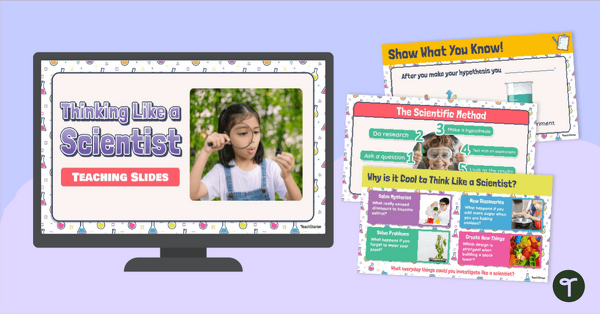
Thinking Like a Scientist - Scientific Method PPT
Introduce your students to the scientific process with an interactive Scientific Method PPT.