A See, Think, Wonder Template is useful in encouraging students to make careful observations and interpretations.
Use this graphic organiser as a thinking strategy to guide inquiry and make learning visible.
Updated: 21 Nov 2023
A See, Think, Wonder Template is useful in encouraging students to make careful observations and interpretations.
Editable: Google Slides
Non-Editable: PDF
Pages: 1 Page
Years: F - 2
Observes, questions and collects data to communicate ideas
Observes, questions and collects data to communicate and compare ideas
People use science in their daily lives
Use informal measurements in the collection and recording of observations
Scientific knowledge is based on observations of the natural world using the senses, and scientific tools and instruments <ul> <li>exploring what an observation is, and different ways to make observations using the 5 senses, through guided discussion</li> <li>viewing examples of observations, for example recorded in rock paintings, bark drawings, age-appropriate written reports, labelled drawings or photographs, to explore ways that people make and record observations</li> <li>listening to people involved in scientific work – such as arborists, nurses, engineers and meteorologists – and asking questions about the importance of observations in their work</li> <li>interacting with stories or documentaries about scientists and noticing the ways that they make their observations, such as through drawings, collections, sound recordings and photography, and how they ask questions about what they think they will observe and find</li> <li>recognising that astronomers use patterns of movement of celestial objects, such as stars and comets, in the sky to make predictions about future appearances</li> </ul> <!--a=1-->
Explore the ways people make and use observations and questions to learn about the natural world
Engage in investigations safely and make observations using their senses
Represent observations in provided templates and identify patterns with guidance
Make and record observations, including informal measurements, using digital tools as appropriate
Describe how people use science in their daily lives, including using patterns to make scientific predictions
Make and record observations, including informal measurements, using digital tools as appropriate
Describe how people use science in their daily lives, including using patterns to make scientific predictions
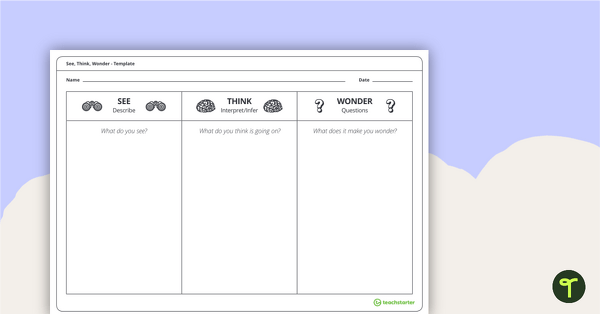
A See, Think, Wonder Template is useful in encouraging students to make careful observations and interpretations.
Use this graphic organiser as a thinking strategy to guide inquiry and make learning visible.
Observes, questions and collects data to communicate ideas
Observes, questions and collects data to communicate and compare ideas
People use science in their daily lives
Use informal measurements in the collection and recording of observations
Scientific knowledge is based on observations of the natural world using the senses, and scientific tools and instruments <ul> <li>exploring what an observation is, and different ways to make observations using the 5 senses, through guided discussion</li> <li>viewing examples of observations, for example recorded in rock paintings, bark drawings, age-appropriate written reports, labelled drawings or photographs, to explore ways that people make and record observations</li> <li>listening to people involved in scientific work – such as arborists, nurses, engineers and meteorologists – and asking questions about the importance of observations in their work</li> <li>interacting with stories or documentaries about scientists and noticing the ways that they make their observations, such as through drawings, collections, sound recordings and photography, and how they ask questions about what they think they will observe and find</li> <li>recognising that astronomers use patterns of movement of celestial objects, such as stars and comets, in the sky to make predictions about future appearances</li> </ul> <!--a=1-->
Explore the ways people make and use observations and questions to learn about the natural world
Engage in investigations safely and make observations using their senses
Represent observations in provided templates and identify patterns with guidance
Make and record observations, including informal measurements, using digital tools as appropriate
Describe how people use science in their daily lives, including using patterns to make scientific predictions
Make and record observations, including informal measurements, using digital tools as appropriate
Describe how people use science in their daily lives, including using patterns to make scientific predictions

We create premium quality, downloadable teaching resources for primary/elementary school teachers that make classrooms buzz!
Write a review to help other teachers and parents like yourself. If you'd like to request a change to this resource, or report an error, select the corresponding tab above.
Would you like something changed or customised on this resource? While our team makes every effort to complete change suggestions, we can't guarantee that every change will be completed.
Did you spot an error on this resource? Please let us know and we will fix it shortly.
Are you having trouble downloading or viewing this resource? Please try the following steps:
If you are still having difficulty, please visit the Teach Starter Help Desk or contact us .
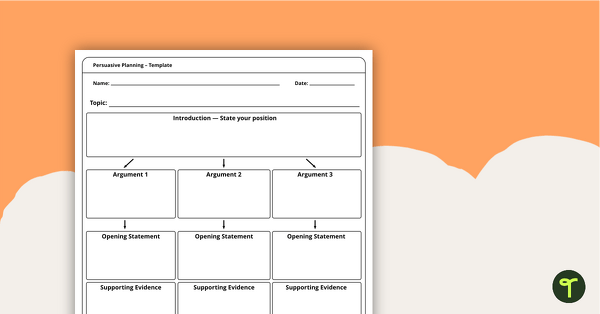
A planning template to assist students in writing a well-structured persuasive text.
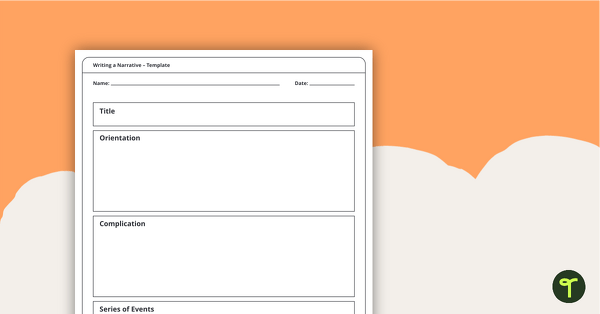
A template for students to use when planning a narrative text.
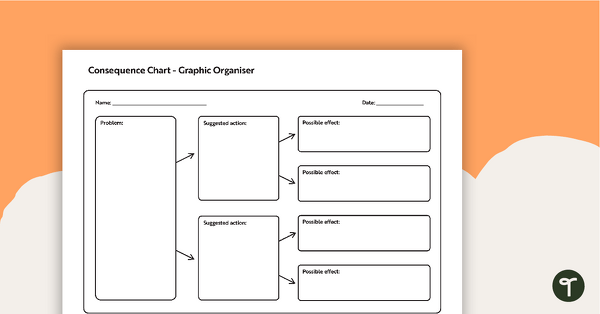
A blank consequence chart graphic organiser.
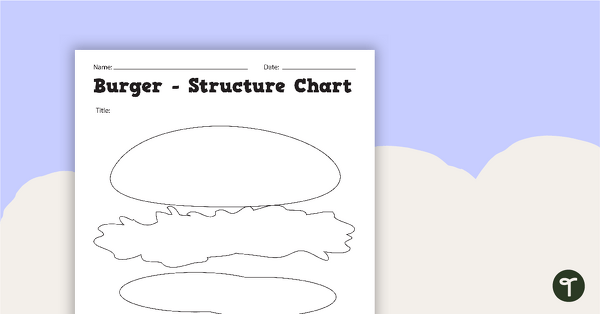
Use this blank hamburger graphic organiser to help students visually outline the key components of a good paragraph.
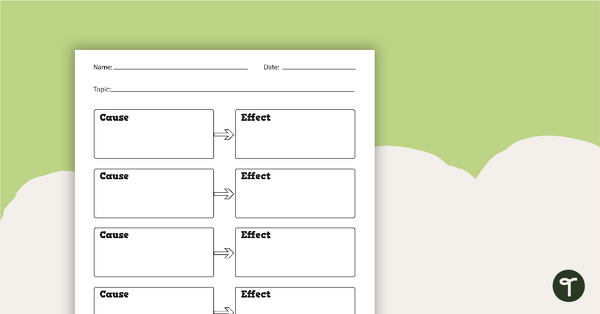
A blank chart to use when identifying cause and effect.
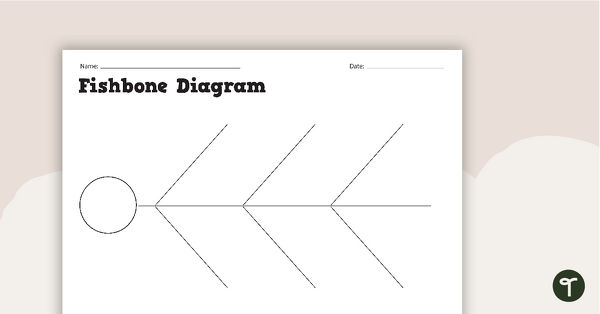
A blank fishbone and herringbone graphic organiser.
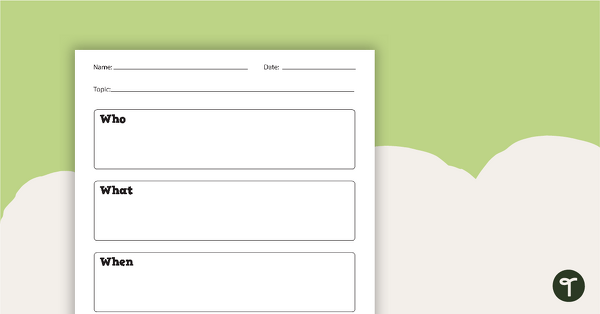
A blank 5 W's graphic organiser.
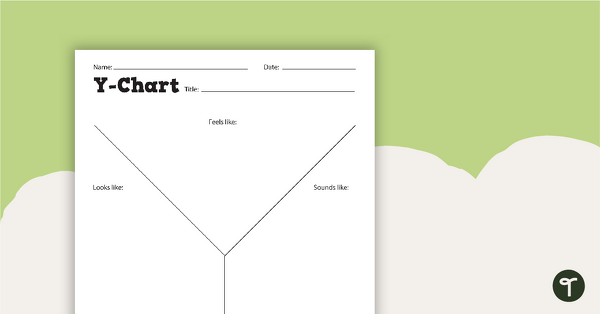
A blank Y-Chart graphic organiser.
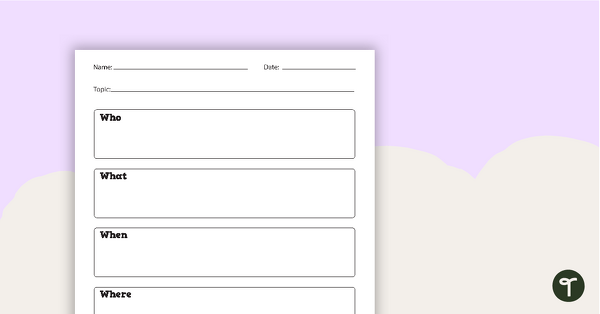
A blank 5 W's and 1 H graphic organiser.
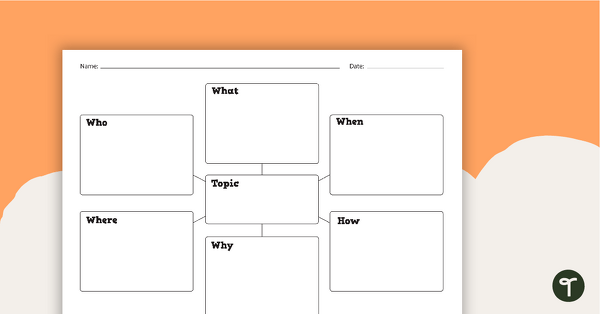
A blank 5 W’s and 1 H graphic organiser.
Love this resource!
Thanks, Elizabeth!! :)