VC2S4U03
consumers, producers and decomposers have different roles and interactions within a habitat; food chains can be used to represent feeding relationships
- describing how animals, including humans, obtain their food from plants and other animals
- observing living things in a local habitat and categorising them as producers, consumers or decomposers
- researching the different types of decomposers and the importance of these within a habitat
- representing feeding relationships of producers and consumers as a food chain and comparing food chains across different habitats
- investigating the impact of introduced predators such as foxes on small mammal species in Australia
- researching how the removal of a food source from within a habitat, such as through an insect or rodent infestation, affects other living things within that habitat
- Plus Plan
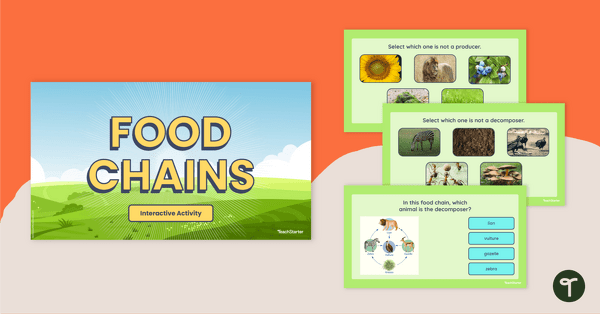
Food Chains - Interactive Activity
Review producers, consumers and decomposers in food chains with this interactive digital quiz.
- Plus Plan
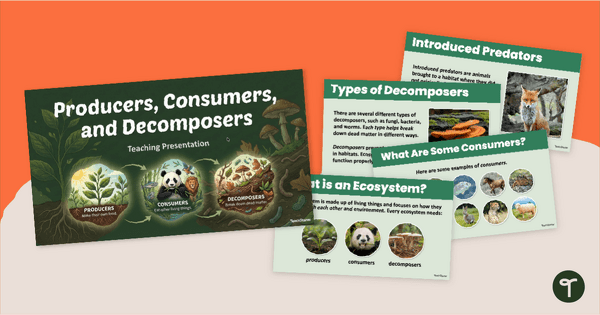
Producers, Consumers, and Decomposers PowerPoint
Explore habitat roles, food chains, and the effects of environmental change on ecosystems with an interactive Producers, Consumers, and Decomposers PowerPoint presentation.
- Plus Plan
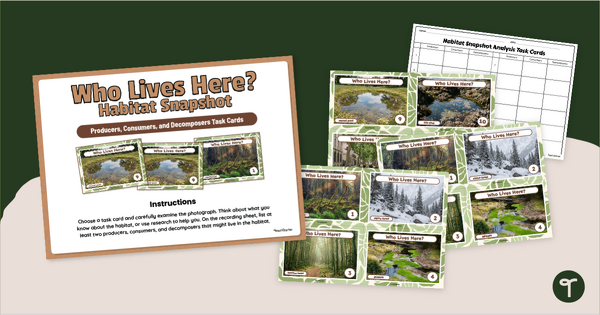
Who Lives Here? Animal Habitat Task Cards
Identify producers, consumers, and decomposers in different habitats with our Who Lives Here? Animal Habitat Task Cards.
- Plus Plan
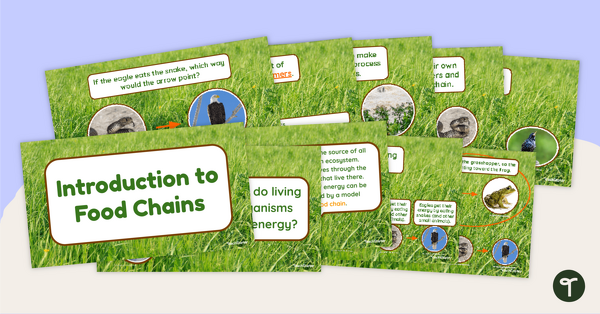
Introduction to Food Chains PowerPoint
Learn about the flow of energy in a food chain with this Food Chains PowerPoint.
- Plus Plan
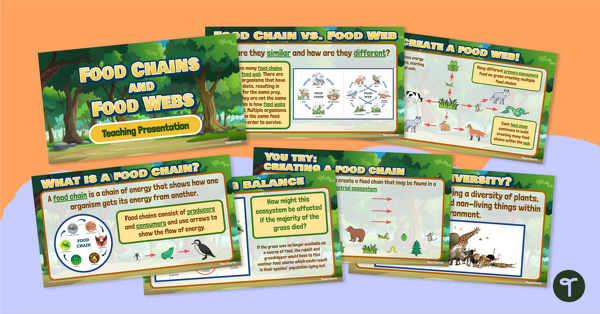
Food Webs vs. Food Chains – Teaching Presentation
Learn about the difference between a food chain and a food web with this 18-slide teaching presentation.
- Free Plan
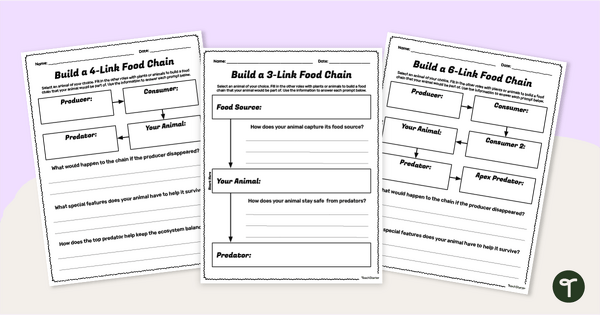
Build a Food Chain Worksheet Pack
Explore and build 3, 4, and 6 link food chains with our Build-a-Food-Chain Worksheet Pack.
- Plus Plan
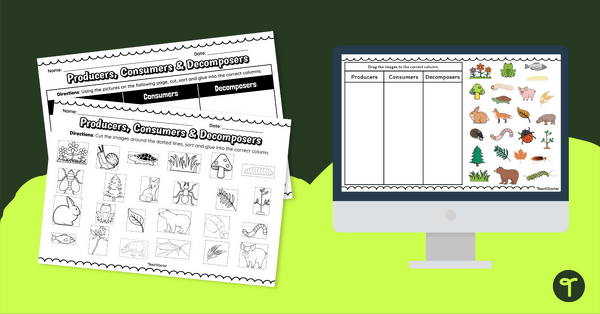
Producers, Consumers and Decomposers – Interactive and Printable Activity
Sort producers, consumers and decomposers, with this cut and paste science worksheet.
- Plus Plan
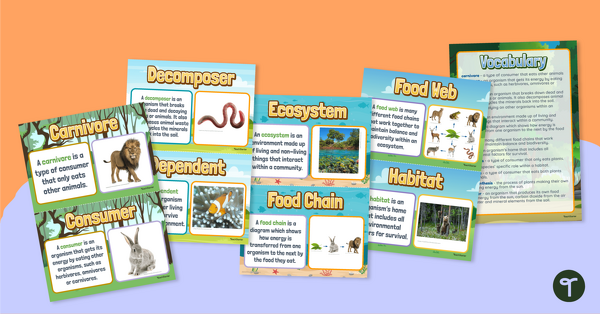
Food Chains and Food Webs – Vocabulary Posters
Display this set of science vocabulary posters in your classroom when learning about food chains and food webs.
- Plus Plan
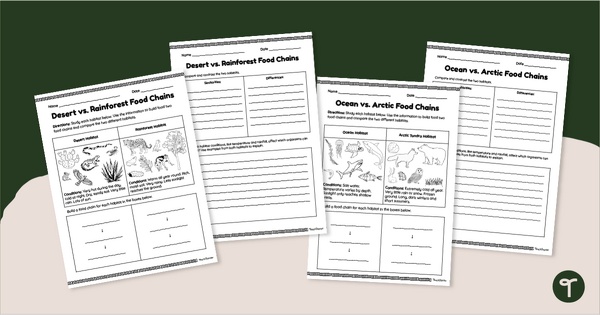
Comparing Food Chains & Habitats Worksheet Pack
Compare and contrast different habitats and how energy flows through them with our Comparing Food Chains and Habitats Worksheet Pack.
- Plus Plan
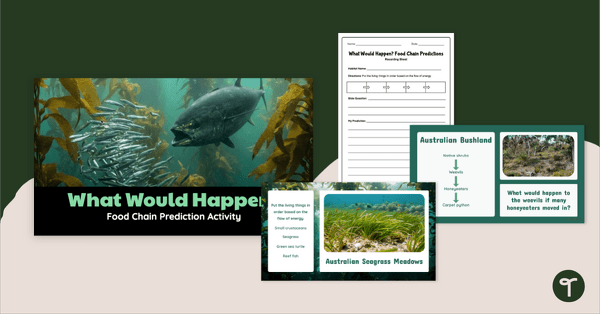
What Would Happen? Food Chain Prediction Activity
Explore how changes in the environment can affect food chains with an interactive Food Chain Prediction Activity.
- Free Plan
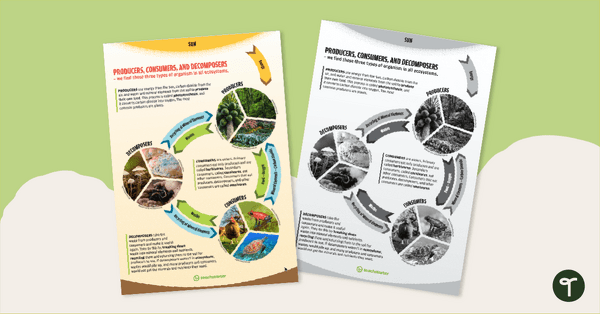
Producer, Consumer, Decomposer - Poster
A poster explaining the roles of the Sun, producers, consumers, and decomposers in the food chain.
- Free Plan
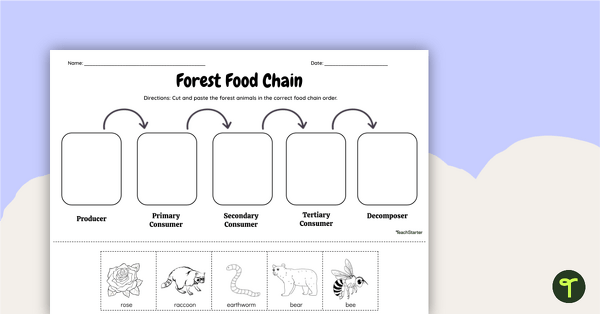
Forest Food Chain – Cut and Paste Worksheet
Create a forest food chain to show how energy flows between organisms with this cut-and-paste worksheet.
- Plus Plan
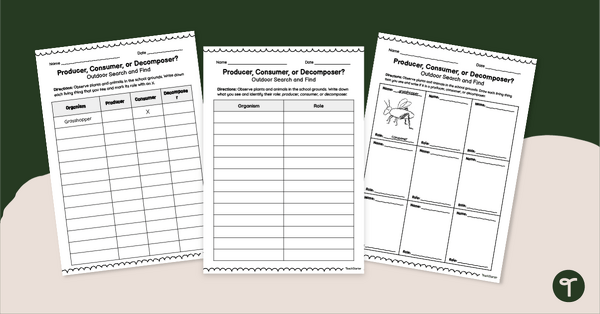
Producer, Consumer, or Decomposer? Activity - Outdoor Search and Find
Explore animal roles in habitats in the field with a search-and-find Producers, Consumers, Decomposers activity.
- Plus Plan
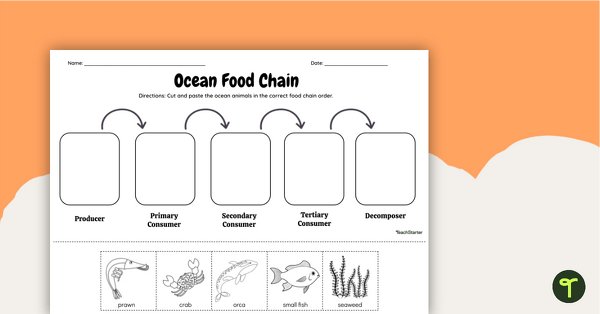
Ocean Food Chain - Cut and Paste Worksheet
Create an ocean food chain to show how energy flows between organisms with this cut-and-paste worksheet.
- Plus Plan
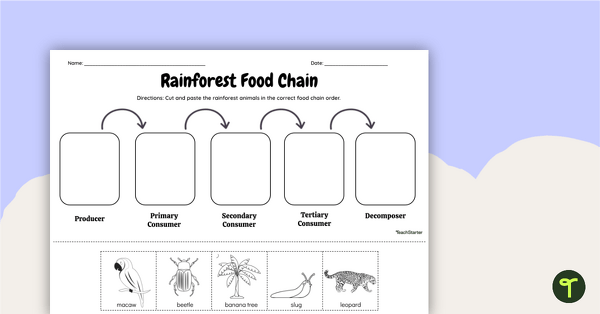
Rainforest Food Chain - Cut and Paste Worksheet
Create a rainforest food chain to show how energy flows between organisms with this cut-and-paste worksheet.
- Plus Plan
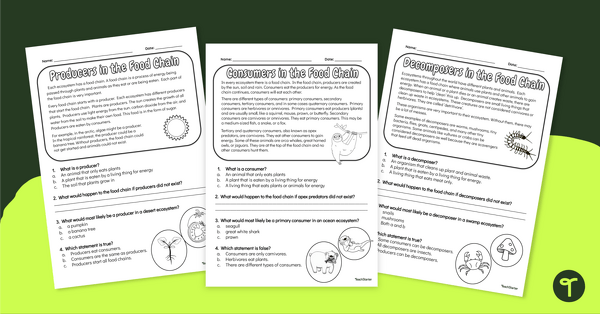
Producer, Consumer, Decomposer - Comprehension Worksheets
Explore the role of producers, consumers and decomposers within ecosystems with this comprehension task.
- Plus Plan
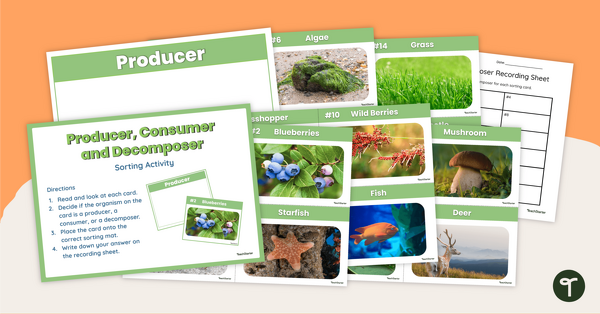
Producer, Consumer and Decomposer - Sorting Activity
Explore the roles and relationships of producers, consumers and decomposers in food chains with this hands-on sorting activity.
- Plus Plan
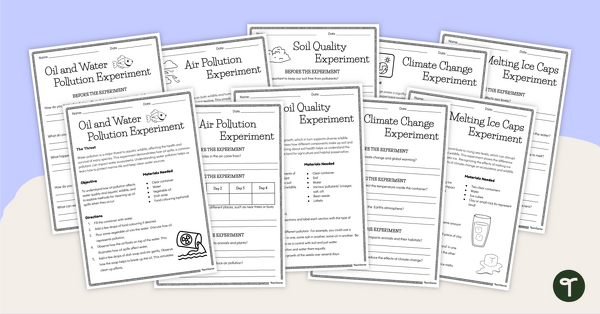
Environmental Impact Science Experiments
Use these simple science experiments to teach your students about environmental issues such as oil and water pollution, soil quality and climate change.
- Plus Plan
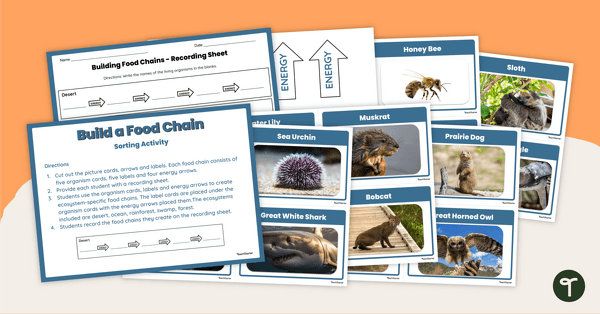
Build a Food Chain - Sorting Activity
Create food chains for a variety of ecosystems with this hands-on, student-centred activity.
- Plus Plan
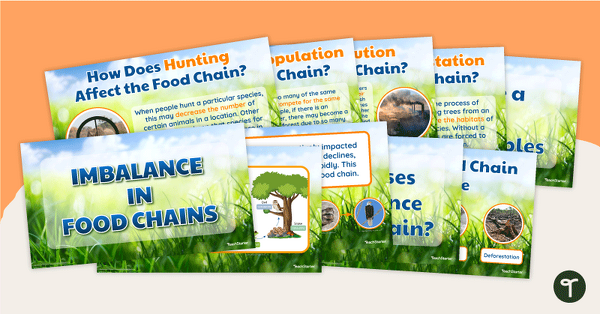
Imbalance in Food Chains – Teaching Presentation
Explore how different factors can cause a break in a food chain and may affect an ecosystem with this 16-slide teaching presentation.
- Plus Plan
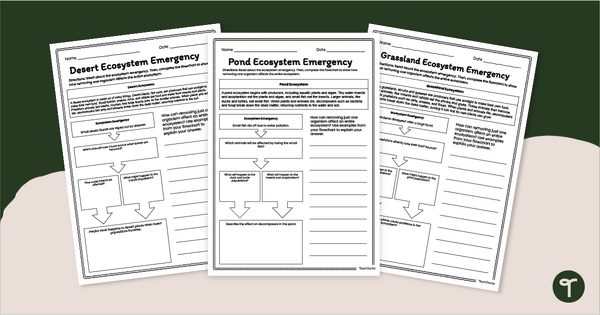
Investigating Food Chain Disruptions Worksheet Pack
Explore what happens when a food source is removed from an ecosystem with our Investigating Food Chain Disruptions Worksheet Pack.
- Plus Plan
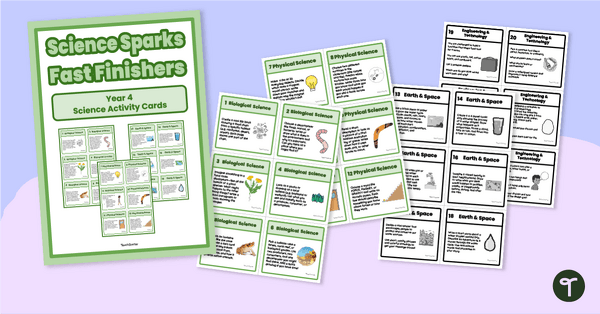
Science Sparks - Year 4 Science Activities for Fast Finishers
Give your students a little science boost with Science Sparks 4 – our newest set of fast finisher science activities for Year 4!
- Plus Plan
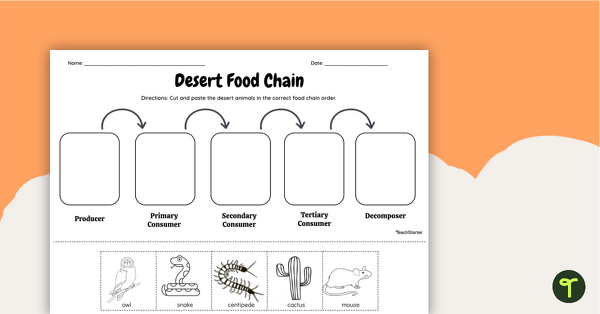
Desert Food Chain - Cut and Paste Worksheet
Create a desert food chain to show how energy flows between organisms with this cut-and-paste worksheet.
- Plus Plan
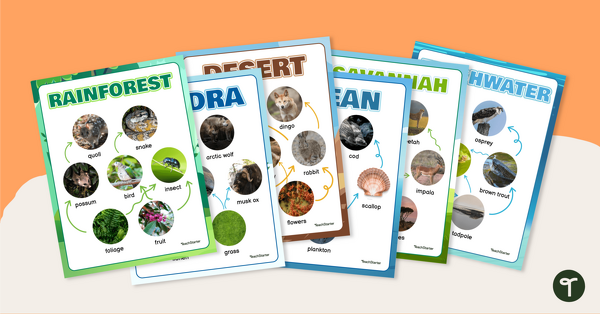
Biome Food Web - Posters
Learn how energy flows through food webs in different biomes with this set of classroom posters.
- Plus Plan
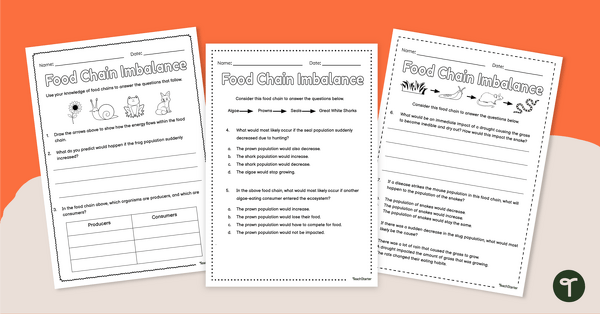
Food Chain Imbalance – Worksheet
Predict how changes in a food chain affect species in an ecosystem with this worksheet.
- Plus Plan
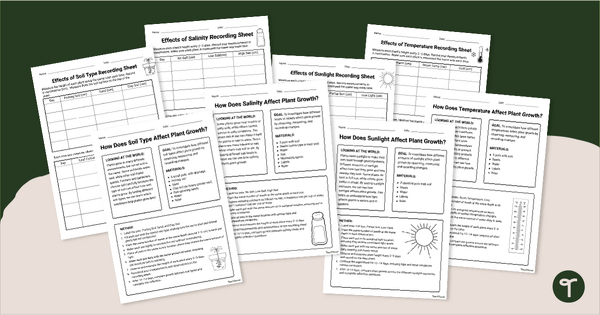
Environmental Impact Experiment Pack
Observe the effects of soil, salinity, sunlight, and temperature on the growth of plants with an engaging Environmental Impact Experiment.
- Plus Plan
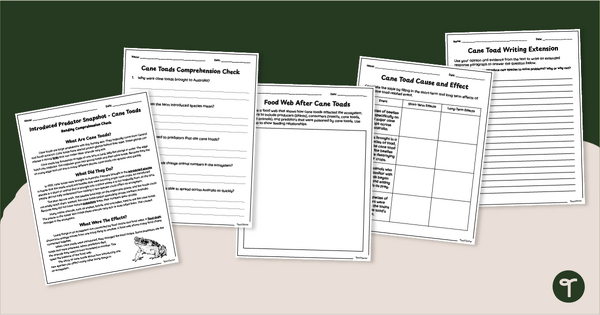
Cane Toads - Invasive Species Worksheet Pack
Explore the effects of introduced predators with our printable Cane Toads - Invasive Species Worksheet Pack.
- Plus Plan
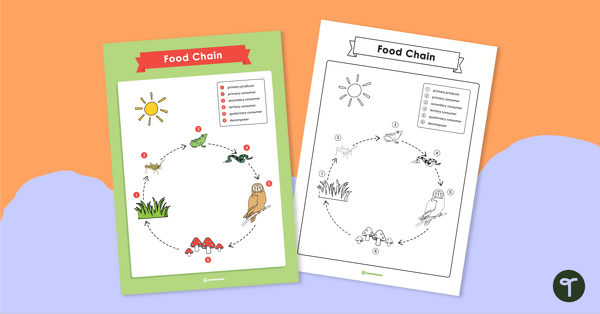
Food Chain - Poster
Use this poster to explore the concept of a food chain.
- Plus Plan
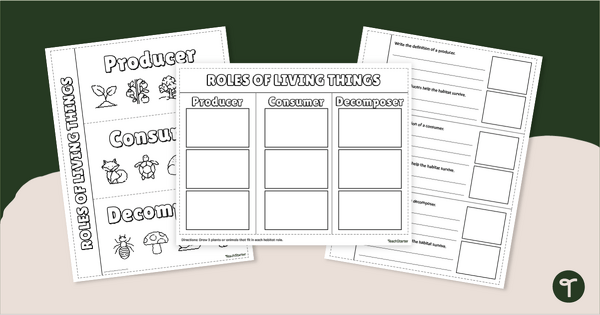
Habitat Roles Foldable Templates
Explore habitat roles including producers, consumers, and decomposers with our printable Habitat Roles Foldable Templates.
- Plus Plan
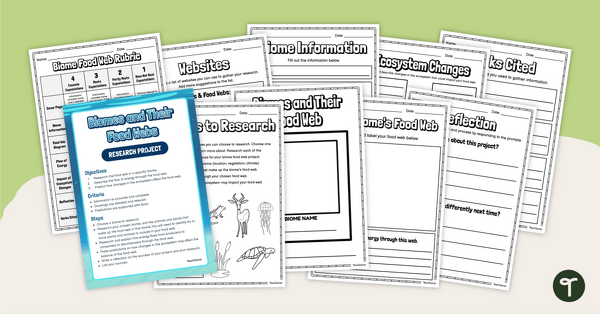
Food Webs - Research Project
Explore the food webs that exist in various biomes around the world with this student-centred inquiry task.
- Plus Plan
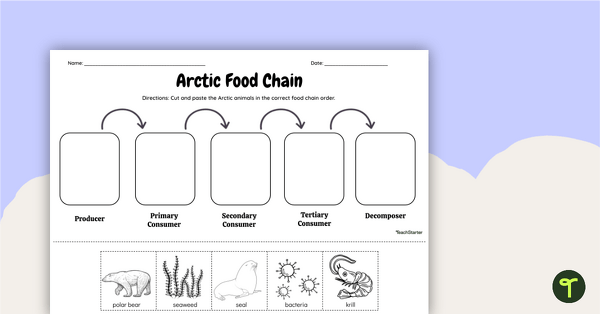
Arctic Food Chain - Cut and Paste Worksheet
Create an Arctic food chain to show how energy flows between organisms with this cut-and-paste worksheet.
- Plus Plan
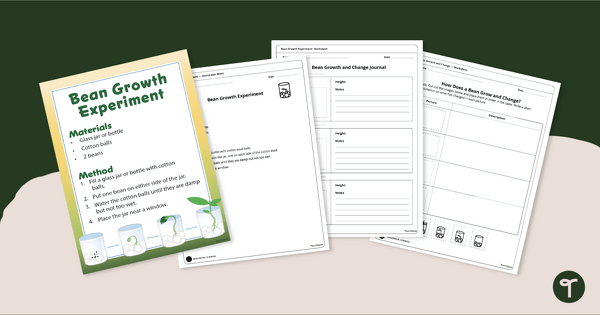
Lima Bean Experiment
“Grow” your students’ knowledge of plant life cycles with a plant growth experiment.