VC2S6I02
repeatable scientific investigations to answer questions can be planned and conducted, including, as appropriate, deciding the variables to be changed, measured and controlled in fair tests, considering potential risks, planning for the safe and ethical use of equipment and materials, and obtaining permissions for investigations conducted on Country and Place or in protected areas
- considering different ways to undertake investigations, such as researching, using trial and error, experimental testing, field observations, using digital tools to record observations, conducting surveys and using simulations
- using a map or aerial photographs to predict local sites likely to be affected by erosion, and collaboratively planning a field excursion to collect observations
- identifying the variable being tested, the variable being measured and variables that need to be kept the same in their investigation of the amount of heat energy needed to cause a reversible or irreversible reaction
- planning and recording the method used in an investigation about the amount of erosion on slopes so that the method is repeatable
- identifying potential risks to themselves or others when identifying electrical hazards at home and explaining rules for safe processes and use of equipment and materials
- recognising that scientific investigations on or about Country and Place should involve Aboriginal and/or Torres Strait Islander knowledge holders, and that there may be cultural protocols (ethical principles that guide behaviour in particular situations when interacting with Aboriginal and/or Torres Strait Islander Peoples and that are designed to protect Aboriginal and Torres Strait Islander cultural and intellectual property rights) in place restricting or prohibiting access
- Plus Plan
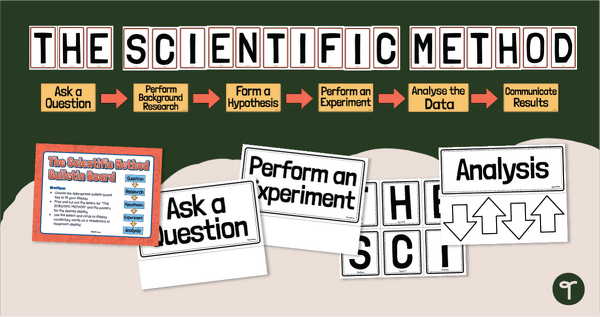
Scientific Method Classroom Display Pack
Use a Scientific Method Classroom Display pack to introduce your students to the steps in the scientific process.
- Plus Plan
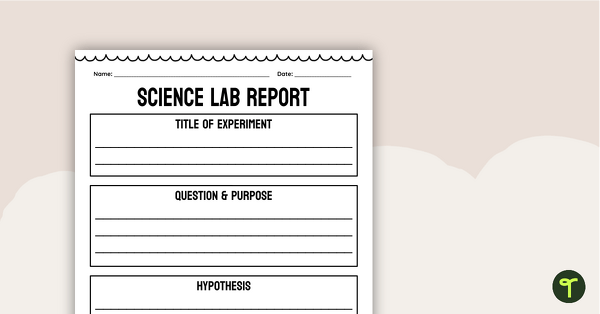
Science Lab Report Template
Use a Science Lab Report Template to help your students organise their findings in any scientific method lab experiment.
- Plus Plan
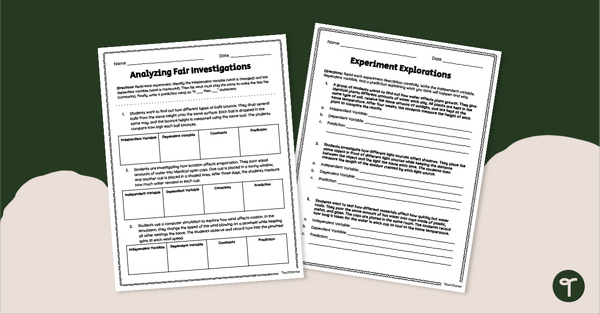
Analysing Fair Tests Activity Sheets (5-6)
Download these Analysing Fair Tests Activity Sheets to help your students practice identifying dependent and independent variables and making experimental predictions.
- Plus Plan
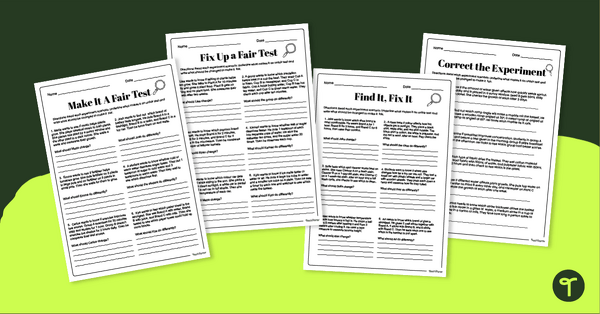
Make It A Fair Test Worksheets
Download a group of four Fair Test Worksheets to help your students identify and correct unfair scientific tests.
- Plus Plan
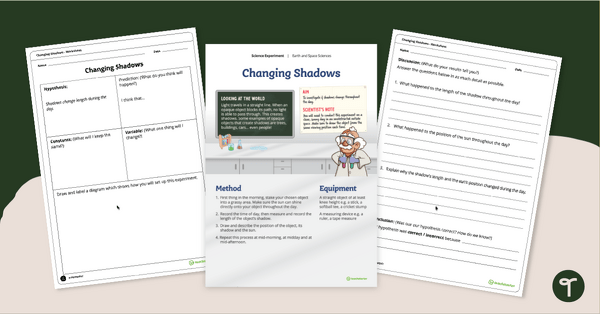
Science Experiment - Changing Shadows
Explore how shadows change throughout the day with this hands-on science experiment.
- Plus Plan
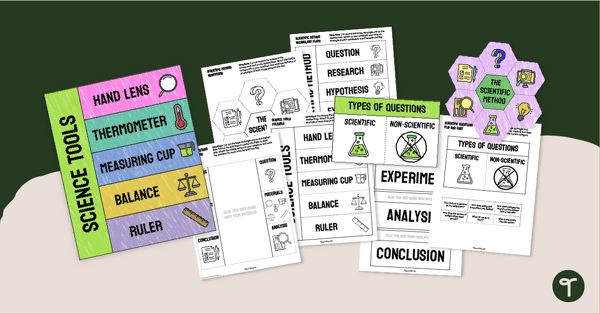
Scientific Method Graphic Organiser Templates - Foldables
Use a foldable Scientific Method Graphic Organiser to help your students organise their learning about the scientific process.
- Plus Plan
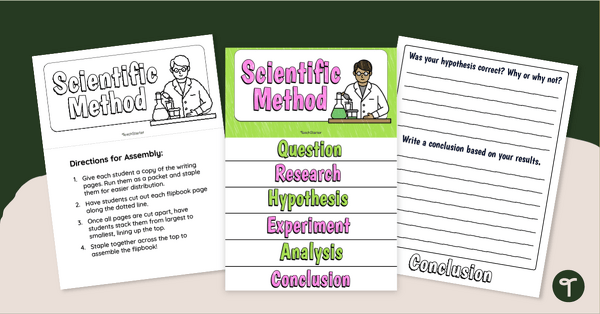
Scientific Method Flipbook Template
Create a Scientific Method Flipbook to record scientific predictions, observations, and conclusions with a printable science flip book template.
- Plus Plan
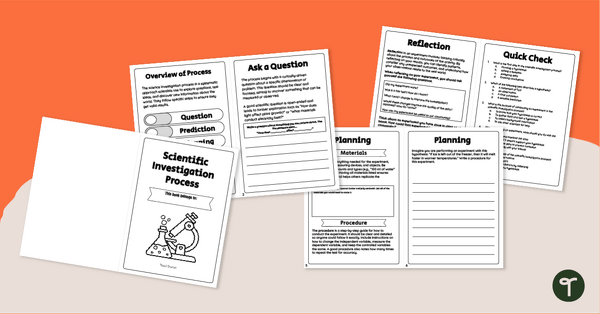
Scientific Investigation Process – Workbook
Print a Scientific Investigation Process Workbook to help your students learn and practice the steps in the scientific method.
- Plus Plan
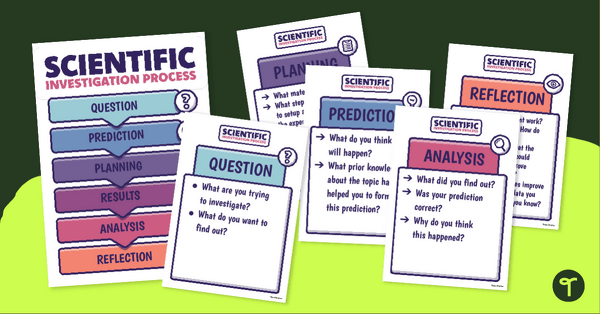
Scientific Investigation Process – Posters
Remind your students of the steps to the scientific investigation process with this set of 7 scientific method posters.
- Plus Plan
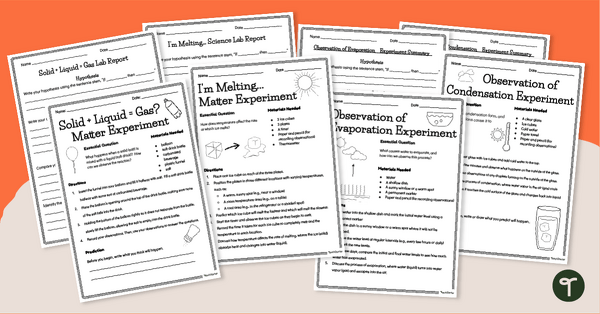
Matter States and Changes Science Lab Activity Pack
Discover the states and changes of matter with a printable pack of Science Lab Activities for Kids!
- Plus Plan
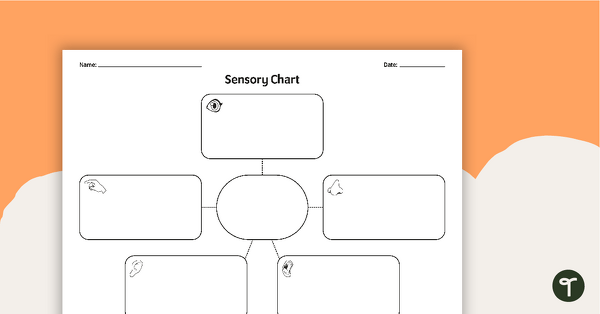
Sensory Chart Graphic Organiser
Observe and record observations of the world around you with a printable Sensory Chart Graphic Organiser.
- Plus Plan
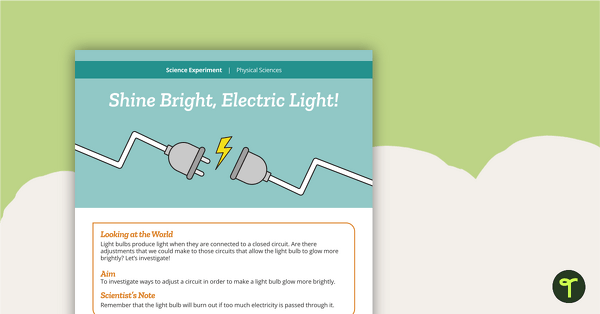
Science Experiment - Shine Bright, Electric Light!
A science experiment that investigates how changes to electrical circuits affects their components.
- Plus Plan
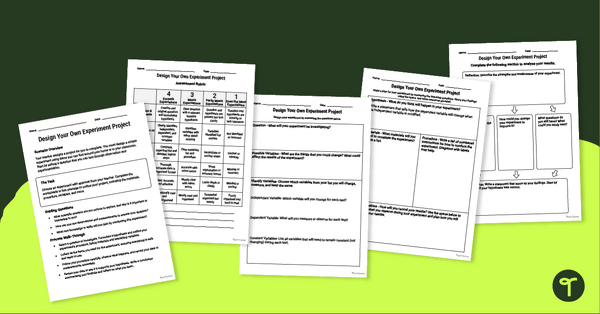
Design Your Own Science Experiment Project
Design your own science experiments and science fair projects with an experimental design project guide and planning templates.
- Plus Plan
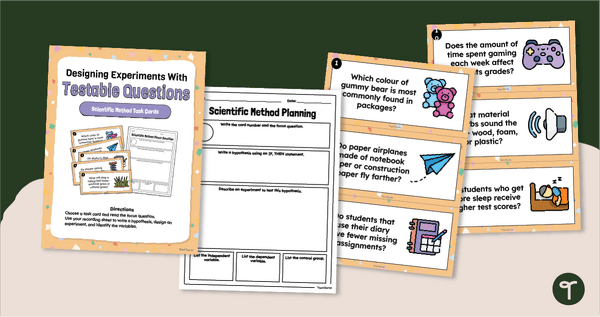
Designing a Science Experiment Task Cards
Help your students plan their own scientific method experiments with a set of printable Scientific Method Experiment Design Task Cards.
- Plus Plan
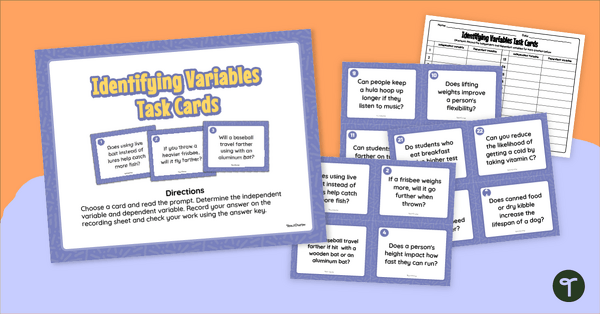
Independent Variable vs Dependent Variable Worksheet & Task Cards
Recognise the independent and dependent variables in testable questions with our Independent Variable vs Dependent Variable Worksheet and Task Card Set.
- Plus Plan
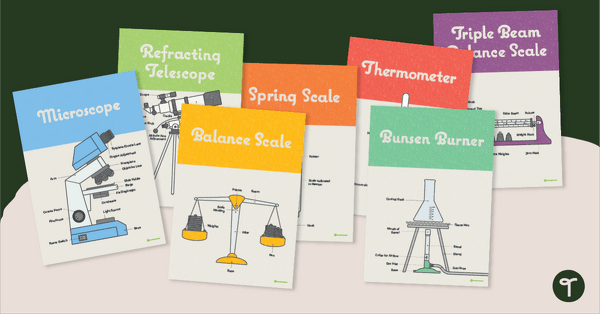
Science Equipment Poster Pack
Explore a variety of science lab tools with a printable Science Lab Equipment Poster Pack.
- Plus Plan
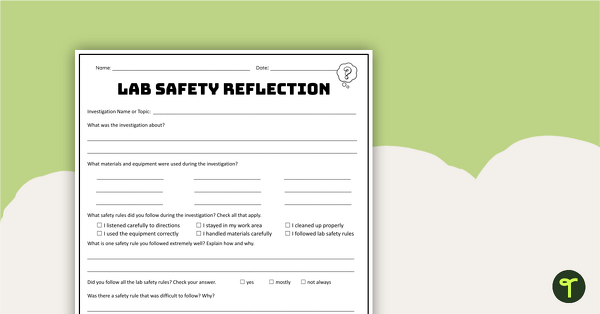
Lab Safety Reflection Sheet (4-6)
Reflect on Lab Safety knowledge and behaviours with a printable Lab Safety Reflection Sheet.
- Plus Plan
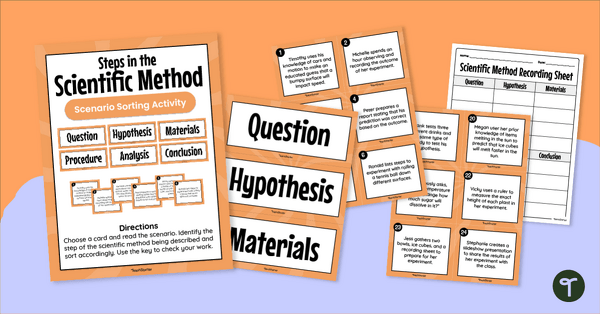
Scientific Investigation Scenarios - Sorting Activity
Analyse scientific investigation scenarios to determine which stage in the scientific method is being described with a printable Scientific Method Sorting Activity.
- Plus Plan
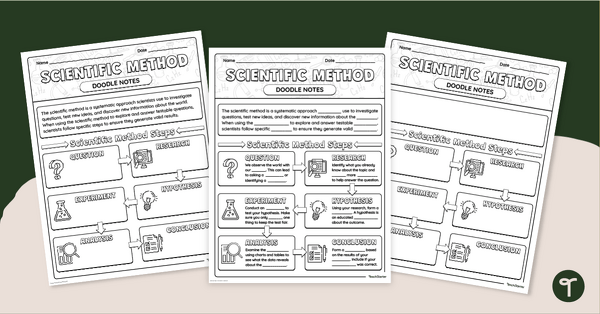
Differentiated Scientific Method Doodle Notes Templates
Use scientific method doodle notes to turn learning the scientific method into a meaningful note-taking session for students!
- Free Plan
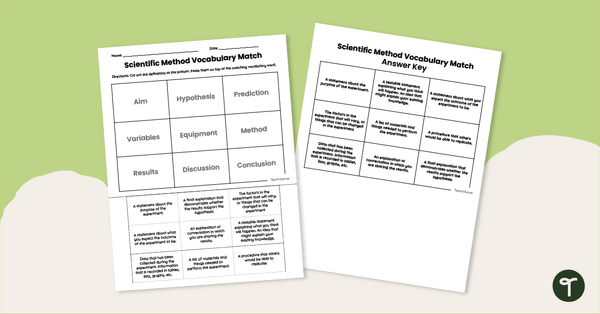
Scientific Method Worksheet - Match the Definition
Use a Scientific Method Worksheet to review key science experiment vocabulary words.
- Plus Plan
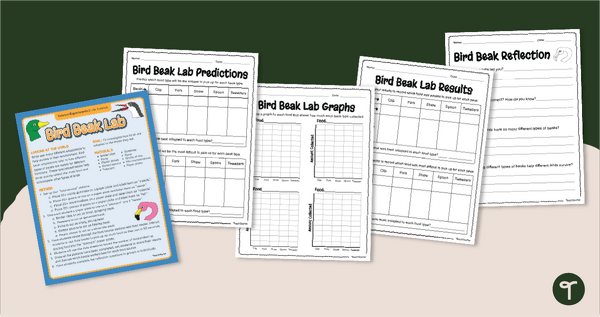
Bird Beak Lab Activity
Discover how birds’ beaks help them find food and survive in the wild with a hands-on Bird Beak Adaptation Lab.
- Free Plan
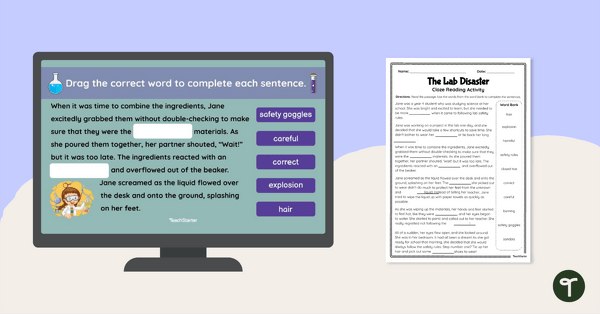
Lab Safety Interactive and Printable Cloze Reading Activity
Assess students' understanding of lab safety rules and expectations with this cloze reading activity.
- Free Plan
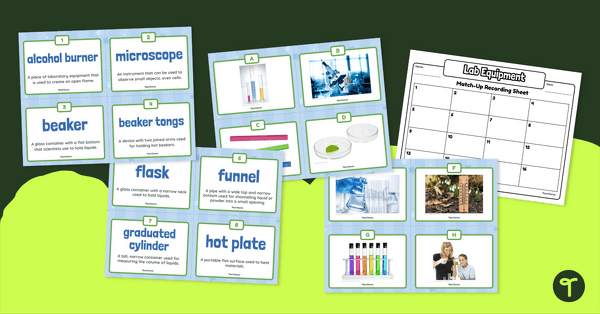
Lab Equipment Activity - Vocabulary Match
Use this lab equipment activity to identify different types of science tools by matching vocabulary terms, pictures and definitions.
- Plus Plan
Facts of the Matter
This Chemical Sciences unit explores the concept that solids, liquids and gases have different observable properties and behave in different ways.