VC2S6I05
methods and findings can be compared with those of others to identify sources of error, to select evidence in support of reasoned explanations and conclusions, and to develop further questions for investigation
- recognising errors that could have occurred while classifying solids, liquids and gases, such as incorrect measuring or misreading of measurements of volume or mass of gases
- recognising errors that could have occurred during testing of the effects of temperature, light availability and rainfall on plants or animals, including changing too many variables, measuring incorrectly or misreading measurements, and in relation to changes in environmental factors
- discussing the difference between data and evidence when considering weathering, erosion, transportation and deposition, and examining how evidence is selected
- comparing and contrasting data collected by different individuals or groups to discuss similarities and differences in findings, and posing questions for further investigation
- Plus Plan
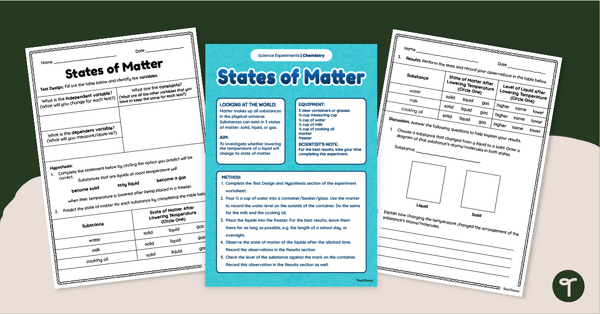
Matter Experiment – Will All Liquids Freeze?
Investigates whether all liquids will change states when heat is removed with an engaging Matter Experiment.
- Plus Plan
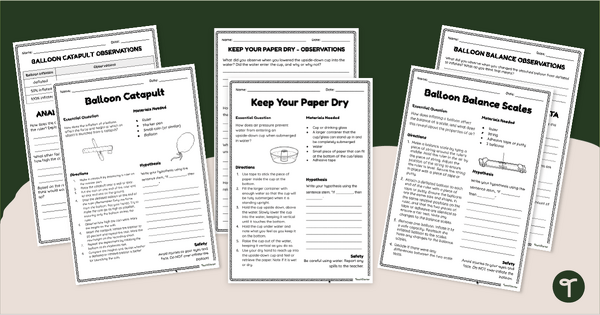
Does Air Have Mass? Matter Science Experiments
Explore the physical properties of gases and discover that air has mass with a set of 4 matter experiments for kids.
- Plus Plan
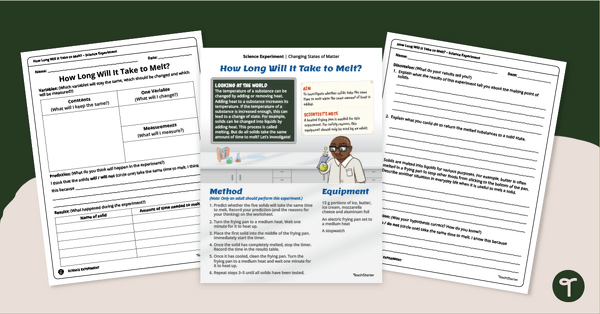
Changing Matter Experiment – How Long Will It Take to Melt?
Explore how solids change into liquids with an exciting hands-on Matter science experiment.
- Plus Plan
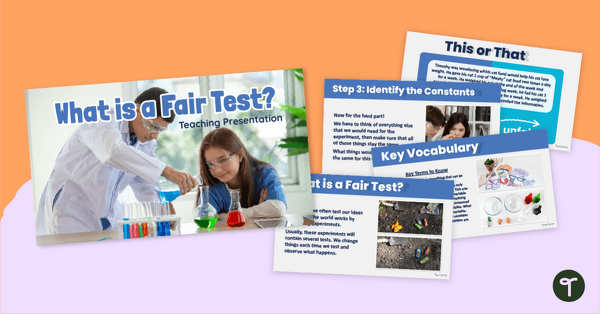
What is a Fair Test? PowerPoint - Year 5 & Year 6
Teach your students about fair testing in science with an engaging 'What is a Fair Test? Teaching Slide Presentation.
- Plus Plan
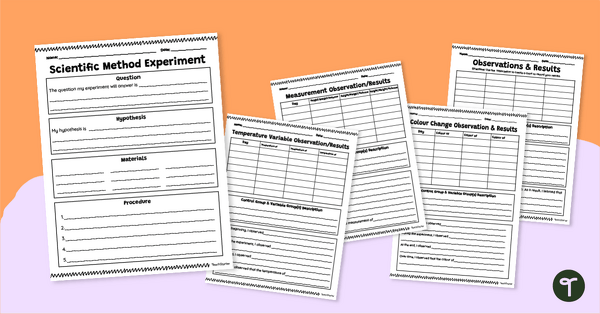
Science Investigation Worksheets - Experiment Data Collection Templates
Record scientific observations and results with a variety of ready-made science investigation worksheets.
- Plus Plan
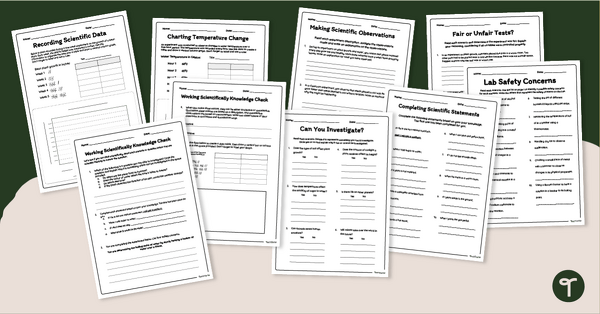
Working Scientifically - Skills for Science Inquiry Worksheet Pack
Improve your students' skills for science class with printable Scientific Inquiry Skills Worksheets.
- Plus Plan
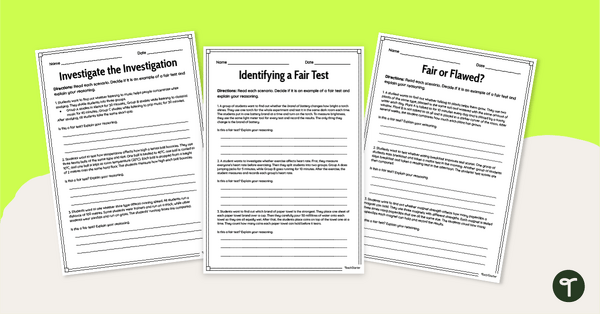
Identify the Fair Test Worksheet Pack
Identify examples and non-examples of fair scientific tests with our Identify The Fair Test Worksheet Pack.
- Plus Plan
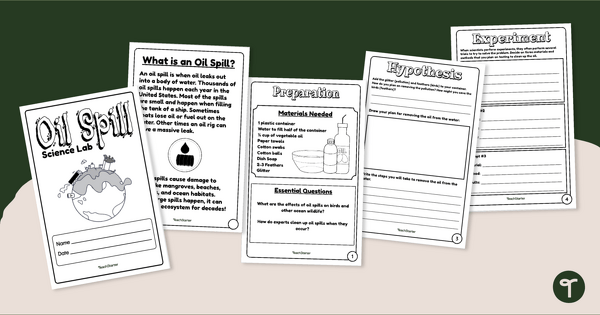
Oil Spill Science Experiment for Water Pollution
Investigate a man-made natural disaster and discover the effects of oil spills on wildlife with an oil spill science experiment.
- Plus Plan
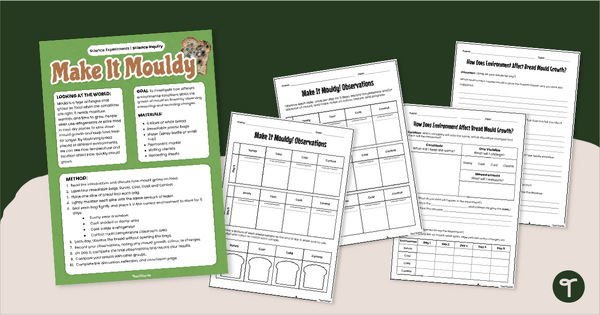
Bread Mould Experiment
Observe how the environment causes changes in mould growth with an engaging Bread Mould Experiment.
- Plus Plan
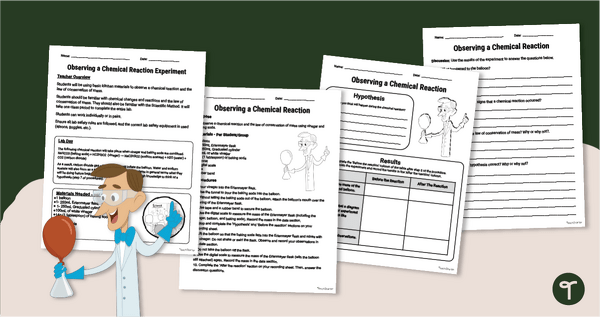
Observing Chemical Reactions Experiment for Kids
Investigates chemical changes and the law of conservation of mass with our Observing Chemical Reactions Experiments.
- Plus Plan
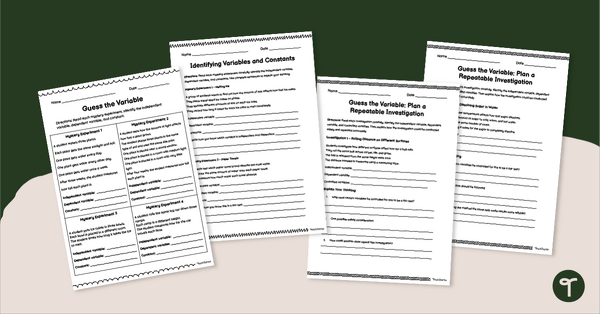
Identifying Variables and Constants Worksheets
Identify components of science investigations with our Identifying Variables and Constants Worksheets.
- Plus Plan
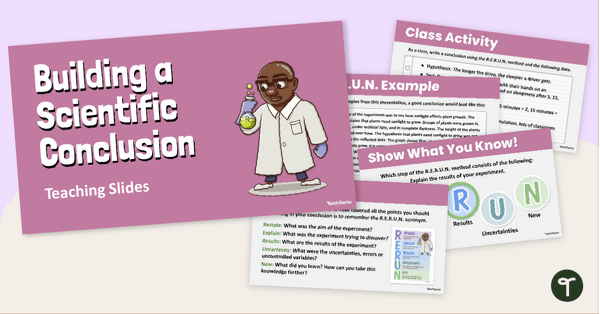
Building a Scientific Conclusion - Teaching Slides
Teach your students the R.E.R.U.N. method for writing a scientific conclusion with an interactive teaching slide deck.
- Plus Plan
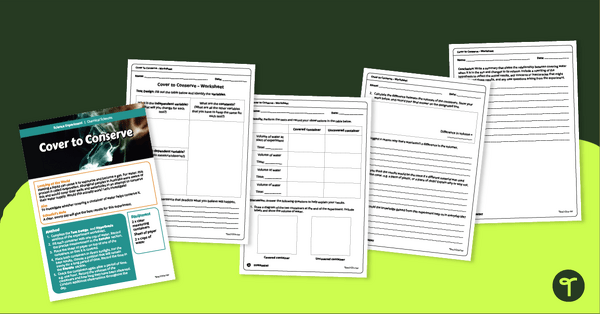
Evaporation Experiment - Cover to Conserve
Investigate if evaporation can be reduced by covering a body of water with a hands on Evaporation Experiment.
- Plus Plan
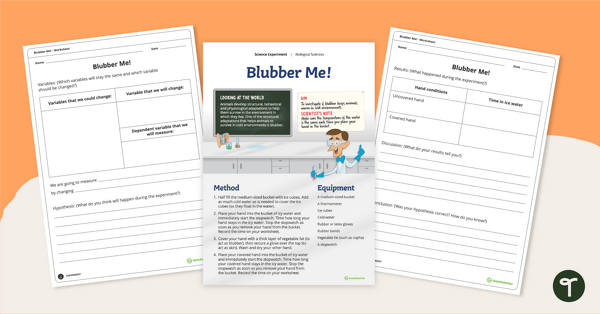
Arctic Animal Adaptations- Blubber Experiment
Explore the structural adaptation of blubber with an Arctic Animal Adaptation experiment.
- Plus Plan
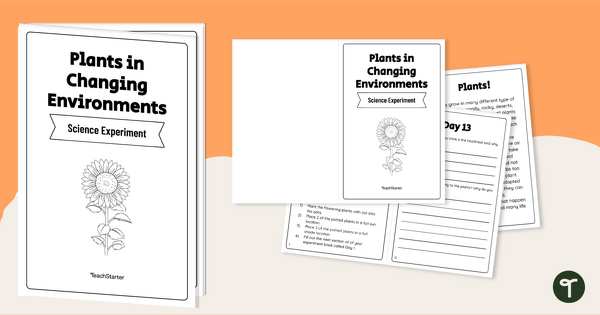
How Does the Environment Affect Plants? Science Experiment
Investigate the effects of the environment on plant life with a no-cut printable science experiment mini-book.
- Plus Plan
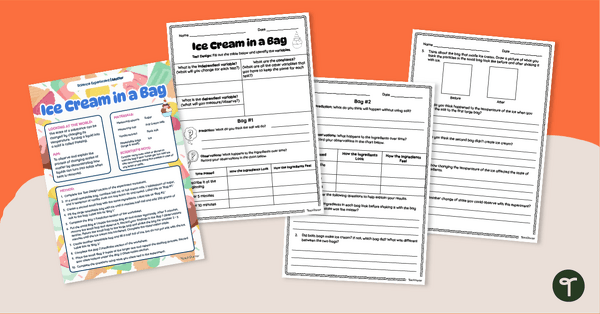
Removing Heat – Ice Cream in a Bag Experiment
Make Ice Cream in a Bag and discover how removing heat causes matter to change states.
- Plus Plan
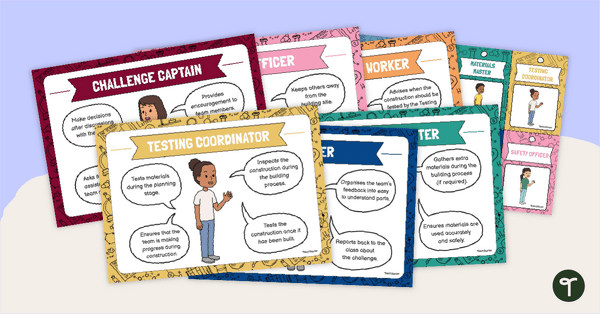
STEM Job Description Posters and Lanyards
Help students stay on task during STEM group work with these STEM job description posters and lanyards.
- Plus Plan
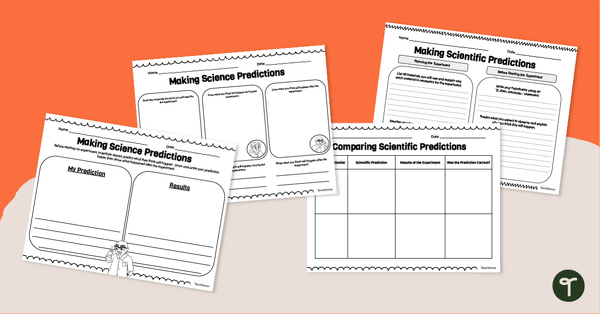
Making Predictions in Science - Worksheets (Differentiated)
Introduce your students to making predictions in science with a set of differentiated Scientific Prediction Worksheets.
- Plus Plan
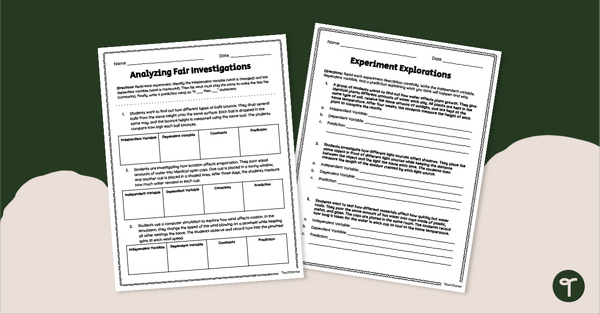
Analysing Fair Tests Activity Sheets (5-6)
Download these Analysing Fair Tests Activity Sheets to help your students practice identifying dependent and independent variables and making experimental predictions.
- Plus Plan
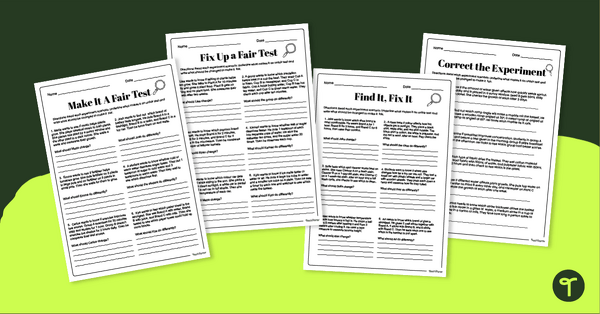
Make It A Fair Test Worksheets
Download a group of four Fair Test Worksheets to help your students identify and correct unfair scientific tests.
- Plus Plan
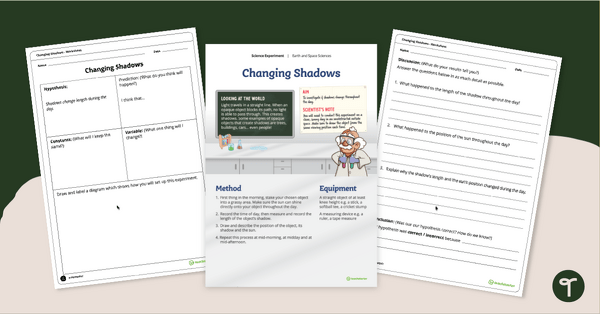
Science Experiment - Changing Shadows
Explore how shadows change throughout the day with this hands-on science experiment.
- Plus Plan
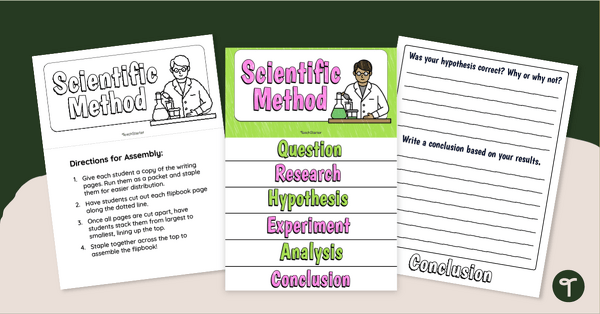
Scientific Method Flipbook Template
Create a Scientific Method Flipbook to record scientific predictions, observations, and conclusions with a printable science flip book template.
- Plus Plan
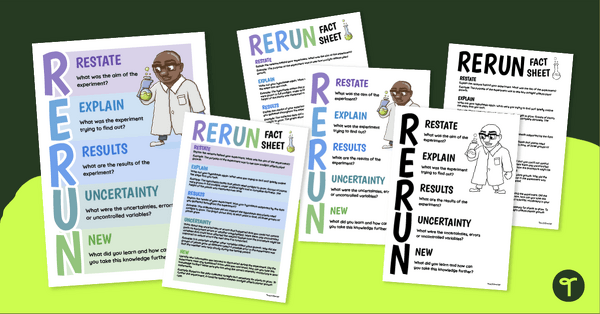
R.E.R.U.N. - Writing a Scientific Conclusion Anchor Charts
Introduce your students to the R.E.R.U.N. method for writing a scientific conclusion with a printable poster and fact sheet.
- Plus Plan
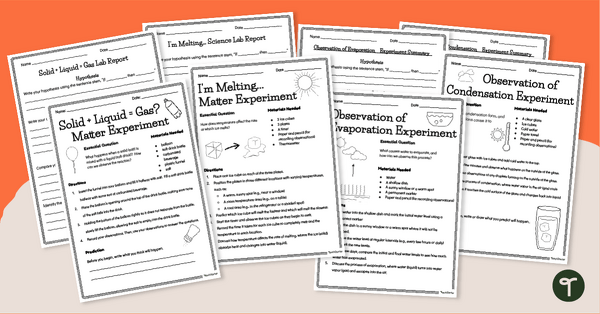
Matter States and Changes Science Lab Activity Pack
Discover the states and changes of matter with a printable pack of Science Lab Activities for Kids!
- Plus Plan
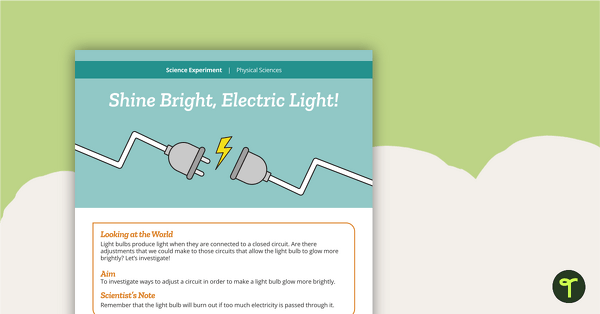
Science Experiment - Shine Bright, Electric Light!
A science experiment that investigates how changes to electrical circuits affects their components.
- Plus Plan
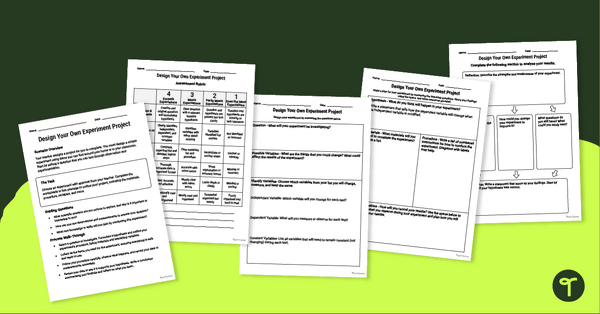
Design Your Own Science Experiment Project
Design your own science experiments and science fair projects with an experimental design project guide and planning templates.
- Plus Plan
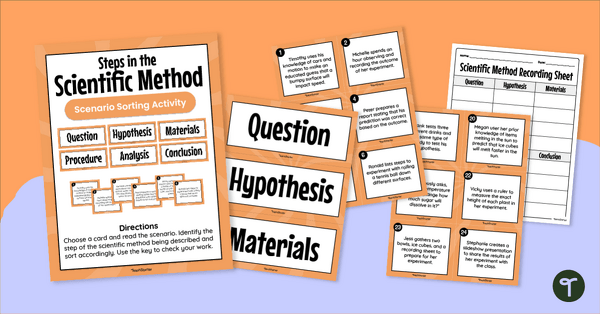
Scientific Investigation Scenarios - Sorting Activity
Analyse scientific investigation scenarios to determine which stage in the scientific method is being described with a printable Scientific Method Sorting Activity.
- Plus Plan
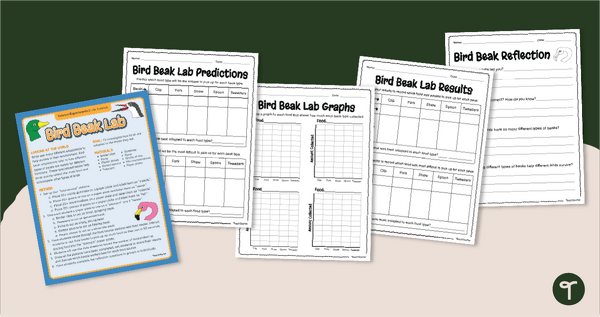
Bird Beak Lab Activity
Discover how birds’ beaks help them find food and survive in the wild with a hands-on Bird Beak Adaptation Lab.
- Plus Plan
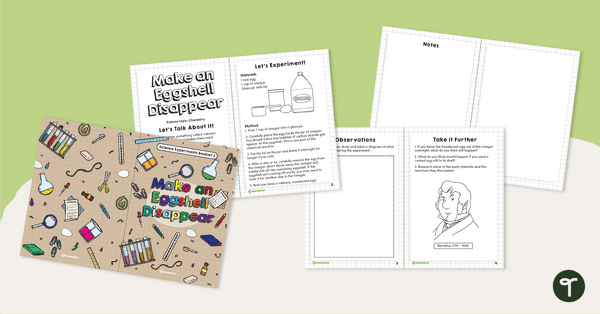
Make an Eggshell Disappear - Science Experiment Booklet
Investigate chemical reactions with this hands-on experiment booklet.
- Plus Plan
Facts of the Matter
This Chemical Sciences unit explores the concept that solids, liquids and gases have different observable properties and behave in different ways.