Year 3 Teaching Resources
Explore printable worksheets, digital activities, games and more Year 3 resources, all aligned to the Australian curriculum! The teacher-created resources have all been designed with primary teachers and students in mind to meet the special needs of children as they transition into the middle years of their primary school education.
Carefully curated and thoroughly reviewed by the expert teachers of the Teach Starter team to ensure they're classroom-ready, our Year 3 resources can save you lesson planning time this school year with editable and differentiated options at the ready.
Teach Starter’s Year 3 resources utilise a vast array of resource types and have something for every learning area. Here's just a taste of what you'll find for your classroom!
- Spelling words and English worksheets
- Fractions activities and Maths worksheets
- Social and emotional learning activities
- Narrative writing stimuli
- Language conventions practice
- And so much more!
Are you new to teaching Year 3? Here's a look at what this year of primary school is all about!
What Is Year 3 in Australia?
Year 3 sits right in the middle of primary school for most students in Australia as the fourth year of compulsory education.
How Old Are Kids in Year 3?
The exact age of students will vary slightly by state (and birthday!), but most children in your Year 3 class will be 8 to 9 years old.
What Do Students Learn in Year 3?
Year 3 is a big one for Australian students. Many will sit the NAPLAN tests, and more than a few will hit double digits before the year is through. This is a big year for Maths between the introduction of more complex fractions and formal multiplication, as well as even more skill-building in other learning areas.
Exactly what they're expected to learn will depend to some degree on the state or territory where you are teaching, but here's a look at what your students can expect to encounter in the key areas of the curriculum!
English
Year 3 students continue to develop their reading, writing, speaking, and listening skills in their English lessons. Reading will involve more complex texts, including longer novels, non-fiction texts, and poetry.
Students will also be expected to analyse these texts more deeply, examining themes, character development, and literary techniques. Comprehension skill-building will require deeper analysis of texts and drawing inferences from what is read.
While Year 2 instruction focuses on basic writing skills such as sentence structure and punctuation, this older group of students will move toward more advanced writing skills such as paragraphing, using descriptive language, and organising ideas in a logical way.
Grammar and spelling will also become a greater focus this year, with an emphasis on understanding and applying more complex grammar rules and spelling patterns.
Maths
Fractions feature front and centre of the Year 3 Maths curriculum. Students will learn to identify, compare, and order unit fractions (those being fractions with a numerator of 1), as well as use them in simple problem-solving contexts.
We already alluded to this being a big year for multiplication, and is it ever! Year 3 students learn the basic multiplication facts — such as 2 x 2 = 4 and 3 x 3 = 9 — and they begin to use these facts to solve multiplication and division problems. They also learn to interpret and create simple multiplication and division problems.
Students will have the chance to build upon their understanding of measurement concepts from Year 2, including length, mass, and capacity. They'll learn to measure and estimate using standard units, plus how to compare and order measurements.
Maths students will expand their knowledge of 2D shapes this year, and they will begin to learn about three-dimensional shapes and their properties.
Place value is still a big part of maths, of course. Year 3 students expand their understanding of place value to include numbers up to 10,000, and they learn to read, write, and compare four-digit numbers. They also learn to use place value to solve addition and subtraction problems.
Science
Science instruction in Year 3 is more focused on building a deeper understanding of scientific concepts and their applications, as compared to Year 2. It also emphasises the development of scientific inquiry skills that will help kids become more proficient in conducting scientific investigations and communicating their findings.
Students in Year 3 learn to ask questions, plan and conduct investigations, collect and record data, and communicate their findings as part of their development of science inquiry skills. They spend a portion of the year learning about the characteristics of living things, including plants and animals. Year 3 students will have the chance to explore the life cycles of plants and animals, as well as learning about the needs of living things and their habitats.
While they're learning about things that live on Earth, they're also learning about the planet itself, exploring geological features such as rocks, soil, and minerals. They also explore heat energy and how it can be transferred from one object to another.
Last, but certainly not least, Year 3 students learn about the properties and states of matter, including solids and liquids (gasses are explored later on in primary school).
Humanities and Social Sciences
Building on the foundation set in Year 2, Year 3 HAAS lessons build a deeper understanding of historical events and concepts, as well as exploring the social and economic systems that underpin Australian society.
Students learn about the historical events, people, and places that have shaped Australia's history. They explore the concept of change and continuity over time and learn to use historical sources to investigate the past. Students also study significant cultural events celebrated in our country and how they contribute to Australia's diversity and identity.
Geography instruction will guide students as they learn about the physical and cultural characteristics of places and regions. They'll learn more about the representation of Australia as states and territories, and as Countries/Places of First Nations Australians. Students will also begin exploring Australia's neighbours such as New Zealand, Papua New Guinea, and Indonesia.
Civics instruction sees Year 3 students strengthening their understanding of what it means to live in a democratic society. They will draw upon their own personal experiences to examine why rules are important and to discuss how they can be active participants in the communities to which they belong.
Health and Physical Education
With their bodies rapidly changing, Year 3 students learn about the factors that influence their health and wellbeing, including the importance of good nutrition, hygiene, and sleep. They also learn about social and emotional health, including how to manage their feelings, develop positive relationships, and make safe and healthy choices.
In Year 3, there are a number of different types of safety on tap in lessons, including road safety, water safety, and personal safety. They develop an understanding of risk and learn strategies for staying safe in different situations.
Year 3 students also learn about the importance of being active and informed citizens in their community. They learn about the benefits of volunteering and begin to develop an understanding of the responsibilities and rights of individuals in society.
The Arts
In Year 3, students develop more advanced skills in drawing, painting, and other visual arts techniques. This includes studying the elements of art — such as line, shape, colour, and texture — and beginning to use these to create more complex artworks.
In music class, these children are learning all about musical notation and how to read and write simple music, while drama instruction explores different forms of drama, including role-playing, improvisation, and scripted performance. Students get the chance to learn about the elements of drama, such as character, plot, and setting, and begin to use these to create their own dramatic works.
- Plus Plan
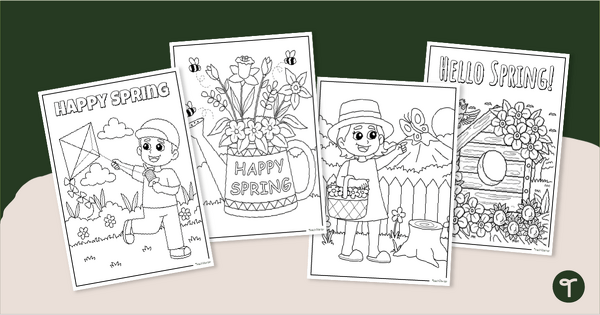
Spring Colouring-In Activity Sheets
Give your students a refreshing spring-inspired brain break with our printable Spring Colouring In Pages.
- Plus Plan
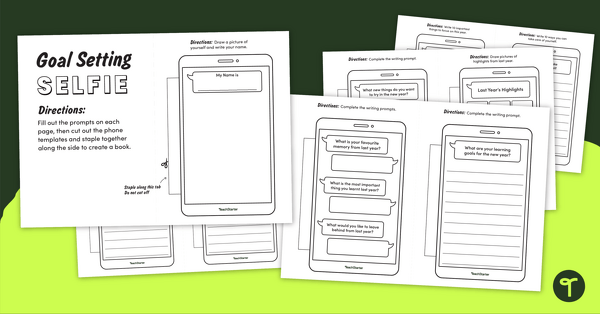
New Year Goal Setting Selfie Template
Inspire your students to reflect and set goals for the new year with a New Year Goal Setting Selfie Template.
- Plus Plan
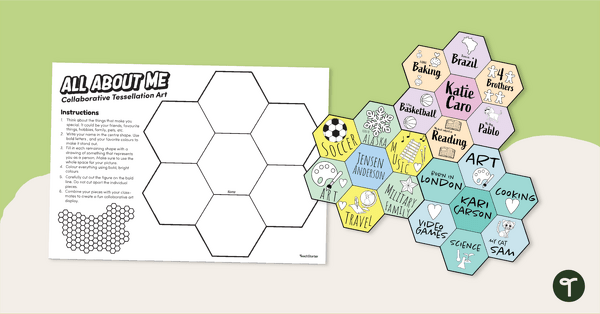
All About Me Collaborative Tessellation Project
Invite your students to get to know each other by completing an All About Me Collaborative Tessellation Project.
- Free Plan
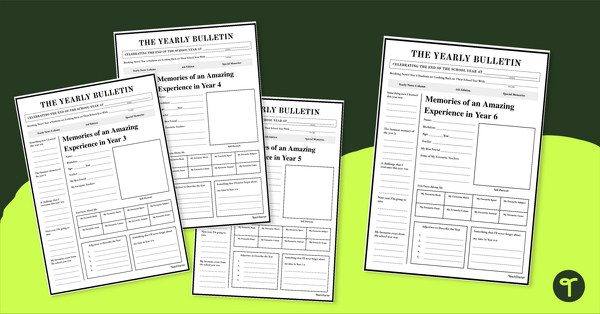
End of School Year Newspaper Template
Spread the news of a fantastic year with a printable End-of-Year newspaper template.
- Plus Plan
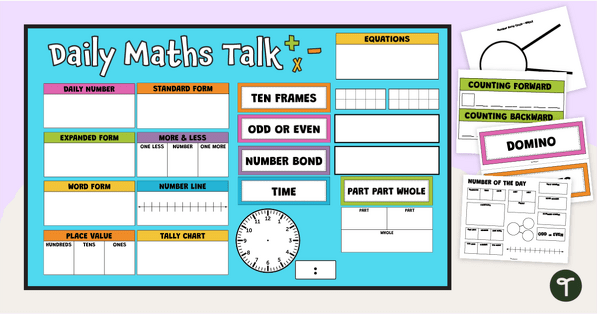
Interactive Maths Display Board
Implement daily math review easily using our Interactive Maths Display Board Resource Pack.
- Plus Plan
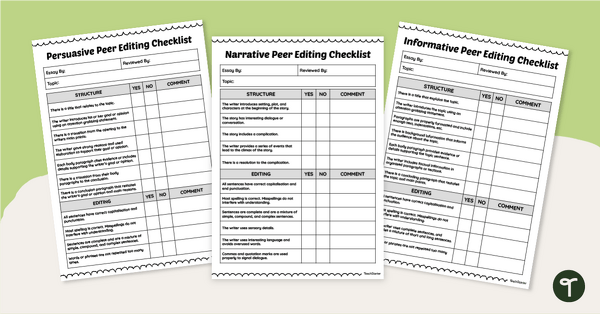
Peer Editing Checklist Pack
Encourage thorough peer reviews by providing your students with printable peer review checklists for informative, persuasive, and narrative writing.
- Plus Plan
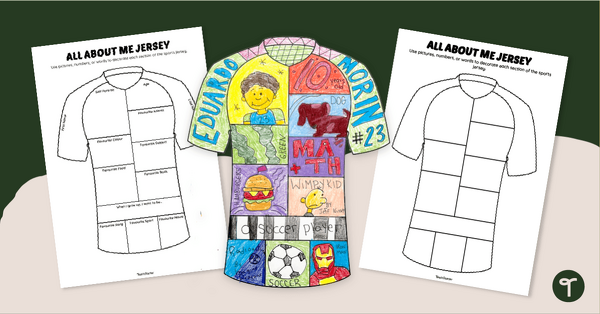
All About Me Jersey Template
Kick off the year and get to know your new team of students with an exciting ‘All About Me' Jersey Template.
- Plus Plan
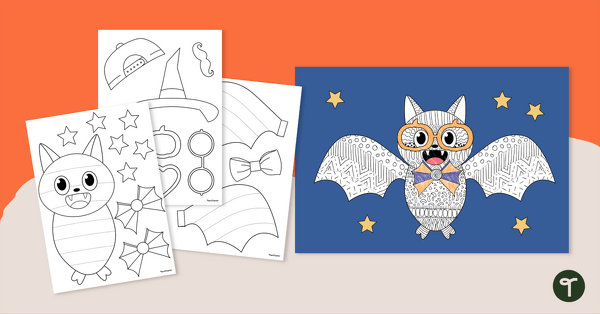
Funky Halloween Bat Craft
Create a classroom colony of adorable Funky Halloween Bat Craft!
- Plus Plan

Halloween Logic Puzzles
Challenge your students’ critical thinking skills with Halloween logic puzzles!
- Plus Plan
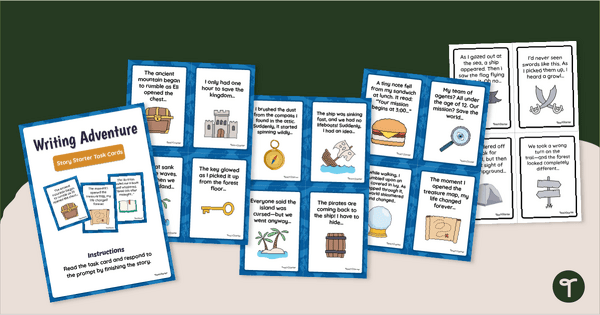
Adventure Story Starter Task Cards
Print and use these Adventure Story Starter Task Cards to inspire adventurous narrative writings during Book Week.
- Plus Plan
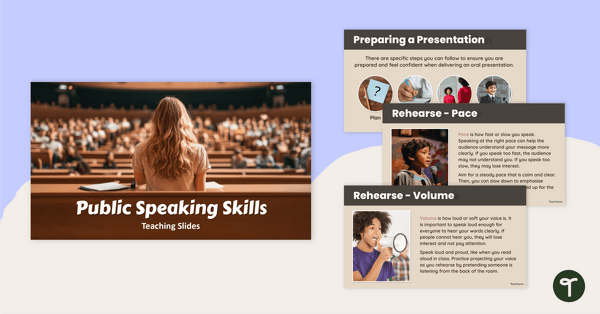
Public Speaking Skills Teaching Slides
Support students to develop public speaking skills like volume, pace, intonation and eye contact using this engaging slide deck designed for Year 3 and 4 students.
- Plus Plan
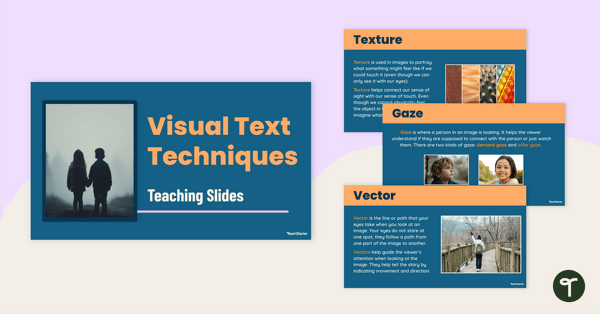
Visual Text Techniques Teaching Slides
Teach your students about visual text techniques with this engaging presentation, which features elements like layout, gaze, salience, angle and shot.
- Plus Plan
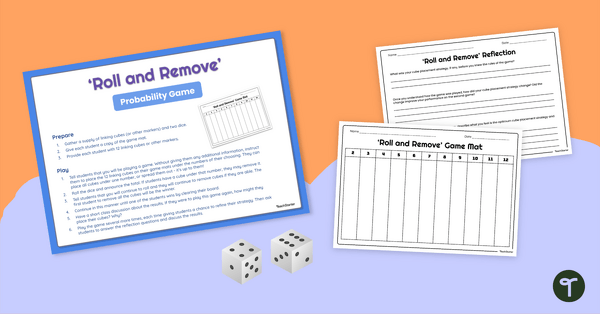
Probability Games — ‘Roll and Remove’
Play probability games like ‘Roll and Remove’ to engage your students while introducing them to essential concepts of probability.
- Plus Plan
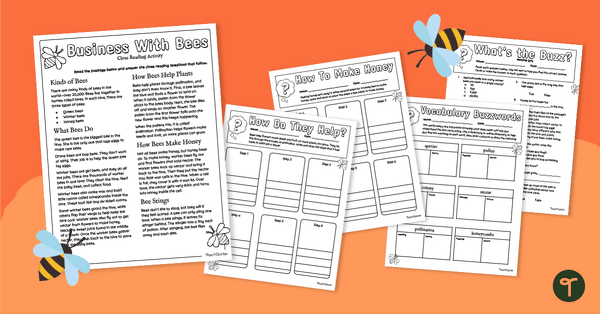
Printable Worksheets About Bees - Year 2-3 Comprehension
Use our worksheets about bees to discover what there is to know about bees, how they help plants, and how they make honey.
- Plus Plan
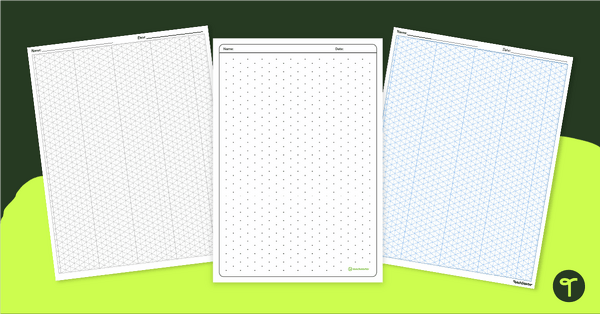
Isometric Drawing Paper - Dotty & Lined
Take your maths and design lessons to the next dimension with our collection of isometric drawing paper templates!
- Plus Plan
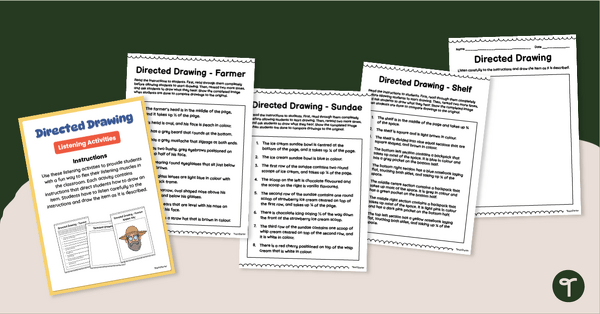
Active Listening-Drawing Activity Pack
Grab a Draw My Picture Game to fill in classroom downtime and help your students boost their listening skills.
- Plus Plan
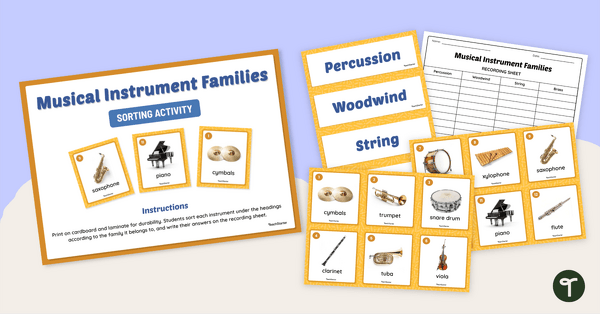
Music Instrument Game — Instrument Family Sort
Share this music instrument game with your students to assess their ability to sort instruments into their correct orchestra families.
- Plus Plan
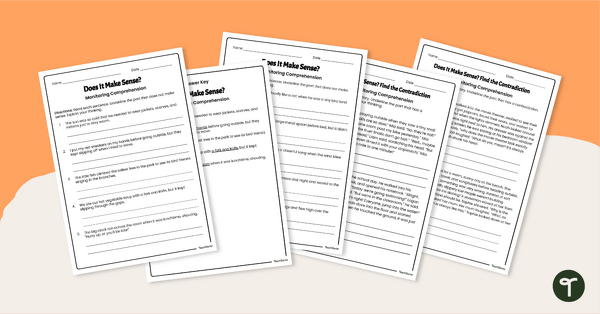
Monitoring Comprehension Worksheets
Help students strengthen their reading comprehension skills with this set of differentiated worksheets for monitoring comprehension!
- Plus Plan
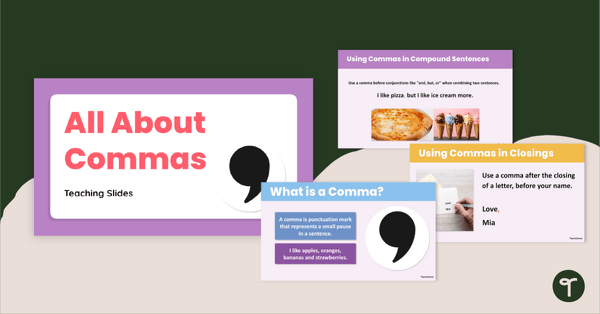
Comma Lesson Slides - Middle Primary
Teach your middle primary students all about comma rules with our Comma Lesson Slides Presentation.
- Plus Plan
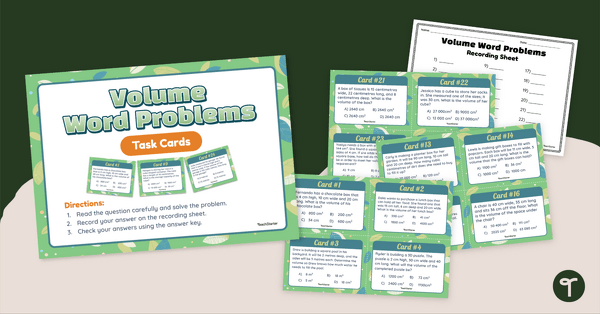
Word Problems for Volume Task Cards
Present these word problems for volume task cards to your students to give them practice solving volume problems with real-world context!
- Plus Plan
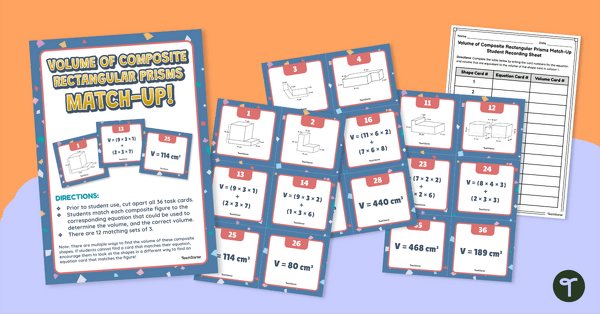
Volume Math Games — Composite Figures Match-Up
Challenge your students with volume math games like this composite figures match-up that will have them matching compound rectangular prisms with equations and volumes.
- Plus Plan
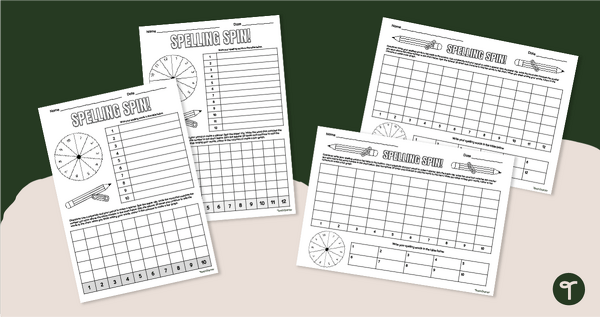
Spelling Spinner Homework Activity - Differentiated
Have fun practising spelling words with an engaging Spelling Spinner Game for any spelling word list.
- Plus Plan
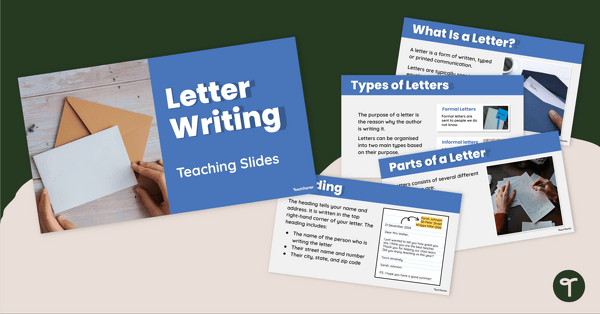
Letter Writing PowerPoint
Download this letter writing PowerPoint to teach students about the purpose, audience and structure of letters through an engaging and easy-to-follow presentation.
- Plus Plan
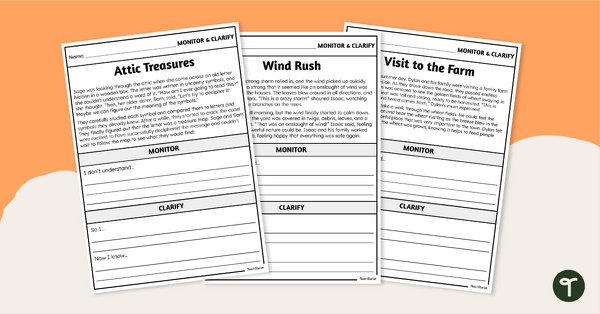
Monitor and Clarify Reading Strategy Worksheets
Help students monitor and clarify while reading using these Monitor and Clarify Reading Strategy Worksheets.
- Plus Plan
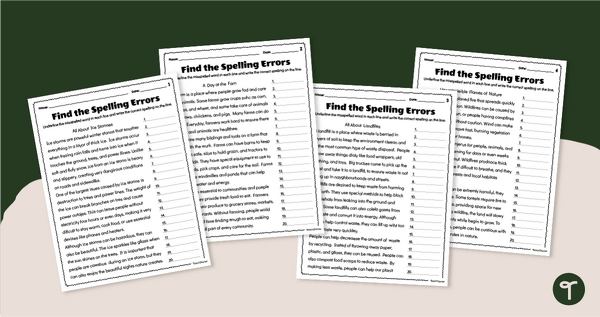
Find the Spelling Errors Worksheets (3-4)
Build spelling and editing skills with printable ‘Find the Spelling Errors’ Worksheets
- Plus Plan
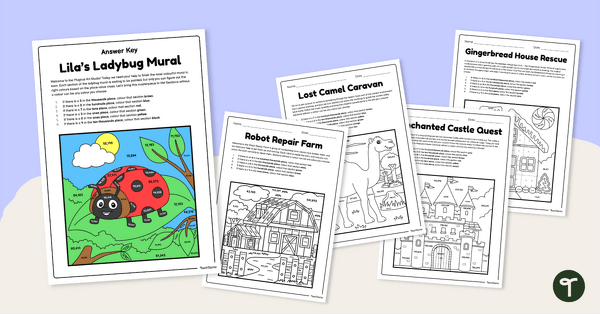
Place Value Colour by Number Worksheets
Share these place value colour by number worksheets with your students for a fun way to review place value up to the hundred thousands place.
- Free Plan
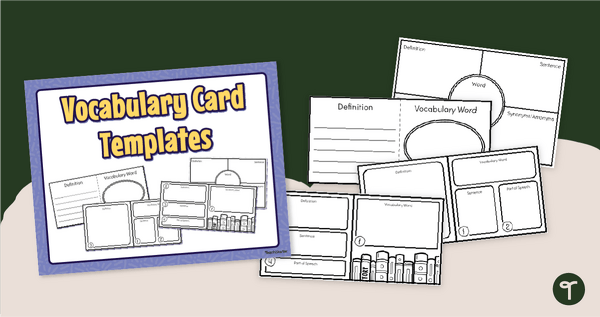
Editable Vocabulary Card Template Pack
Create English vocabulary cards to help your students study new vocabulary terms with our editable Vocabulary Card Template pack.
- Plus Plan
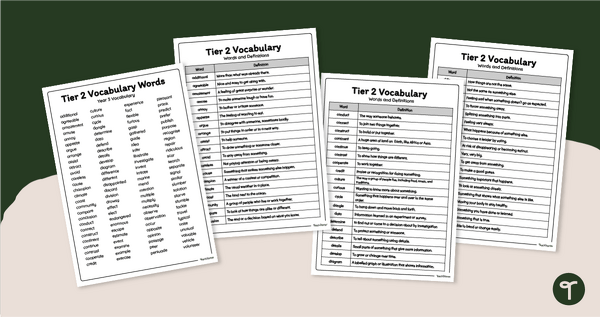
Tier Two Vocabulary List - Year 3
Use Our Tier Two Vocabulary List to boost year 3 vocabulary and reading skills
- Plus Plan
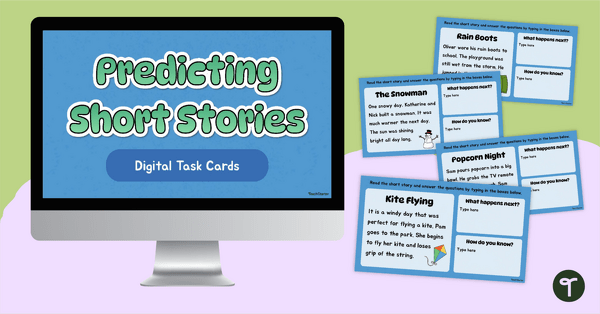
Making Predictions Comprehension Strategy: Digital Task Cards
Enhance reading comprehension with these Making Predictions Comprehension Strategy Digital Task Cards, where students read short stories, predict what happens next, and justify their thinking using text evidence.
- Plus Plan
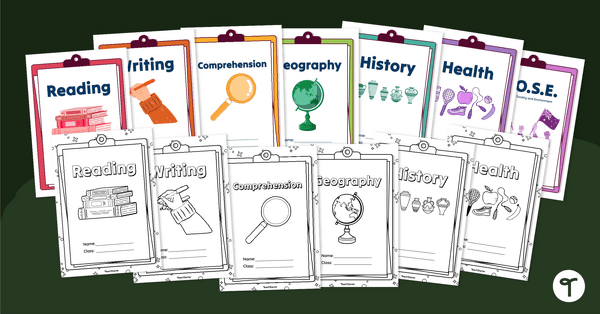
Printable KLA Book Covers
Make it easy for you or your students to find the correct book by using this collection of KLA Book Covers.
- Free Plan
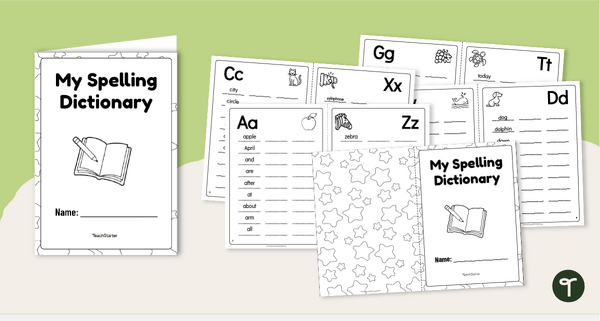
Personal Spelling Dictionary Booklet
Help young learners build their writing and spelling confidence with their very own Personal Spelling Dictionary Booklet!
- Plus Plan
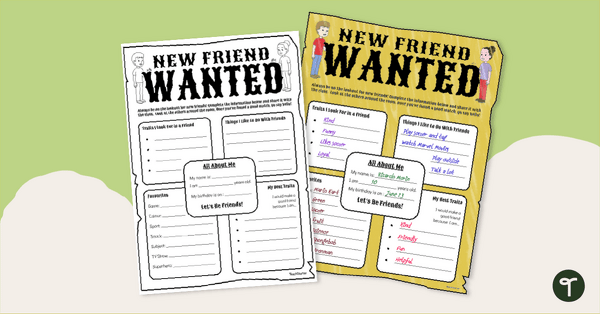
Best Friend Wanted Poster Template
Use our Best Friend Wanted Poster Template to spark new friendships at the beginning of the year.