English
By the beginning of year 3, pupils should be able to read books written at an age-appropriate interest level. They should be able to read them accurately and at a speed that is sufficient for them to focus on understanding what they read rather than on decoding individual words. They should be able to decode most new words outside their spoken vocabulary, making a good approximation to the word’s pronunciation. As their decoding skills become increasingly secure, teaching should be directed more towards developing their vocabulary and the breadth and depth of their reading, making sure that they become independent, fluent and enthusiastic readers who read widely and frequently. They should be developing their understanding and enjoyment of stories, poetry, plays and non-fiction, and learning to read silently. They should also be developing their knowledge and skills in reading non-fiction about a wide range of subjects. They should be learning to justify their views about what they have read: with support at the start of year 3 and increasingly independently by the end of year 4.
- Plus Plan
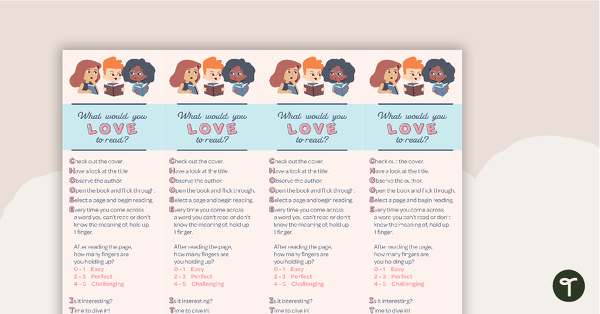
Choose It Bookmarks
A bookmark which is a handy guide for students to use when choosing books to read.
- Plus Plan
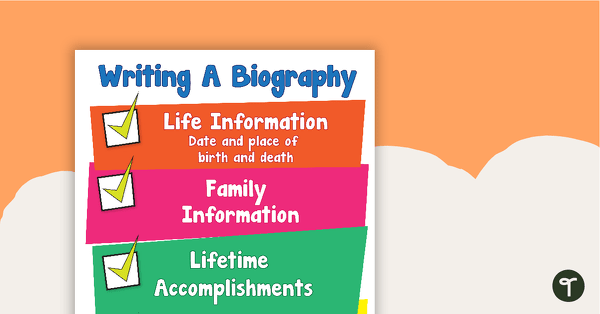
Writing A Biography Poster
Display this poster in your room as a visual reminder of the structure of a biography.
- Plus Plan
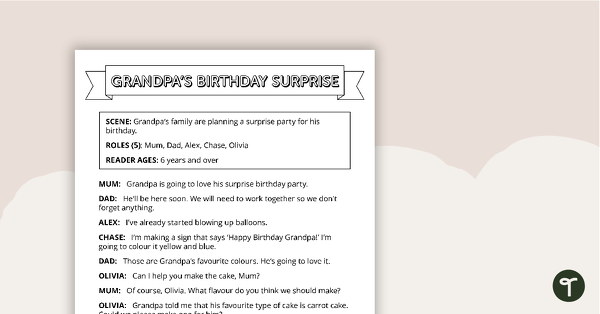
Readers' Theatre Script - Grandpa's Birthday Surprise
A script which can be used during readers' theatre or Drama sessions, aimed at students 6 years and over.
- Plus Plan
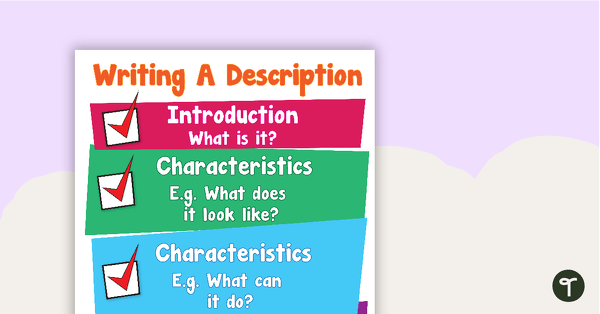
Writing A Description Text Poster
Display this poster in your room as a visual reminder of the structure of a description text.
- Plus Plan
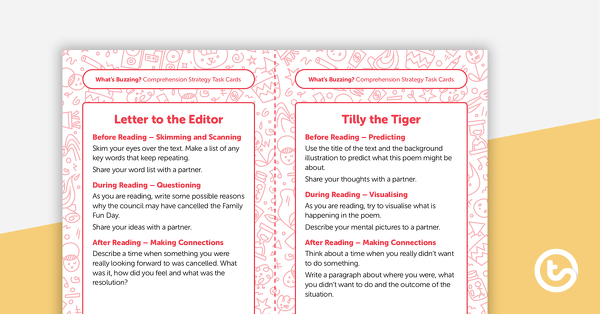
Year 3 Magazine - "What's Buzzing?" (Issue 2) Task Cards
A set of five literacy rotation task cards to be used in conjunction with Issue 2 of Teach Starter’s Year 3 magazine.
- Plus Plan
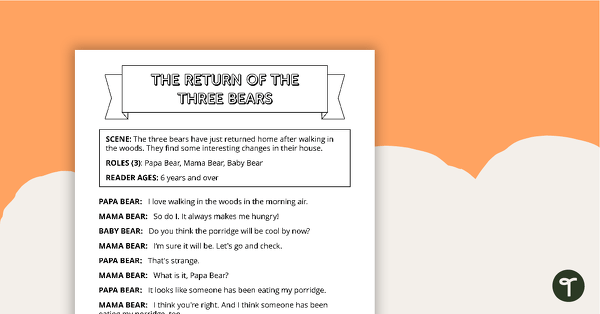
Readers' Theatre Script - Return of the Three Bears
A script which can be used during readers' theatre or Drama sessions, aimed at students 6 years and over.
- Plus Plan
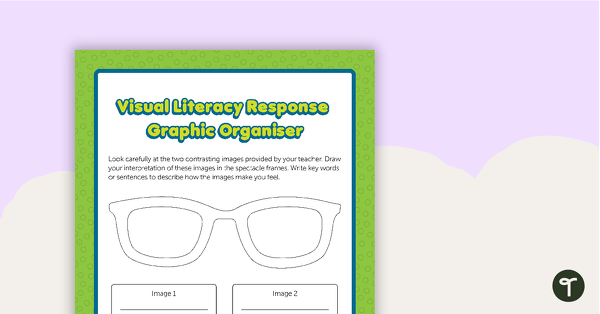
Visual Literacy Graphic Organiser
A worksheet to use when responding to images during visual literacy activities.
- Plus Plan
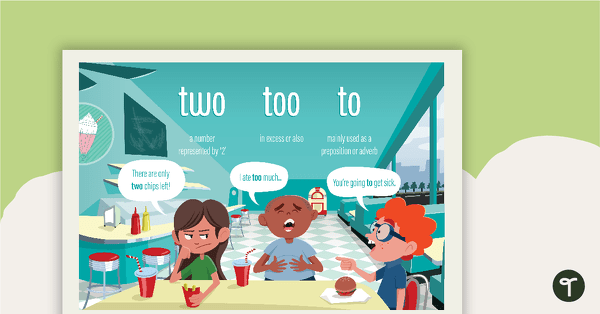
Two, Too and To Homophones Poster
An educational poster for the homophones two, too and to.
- Plus Plan
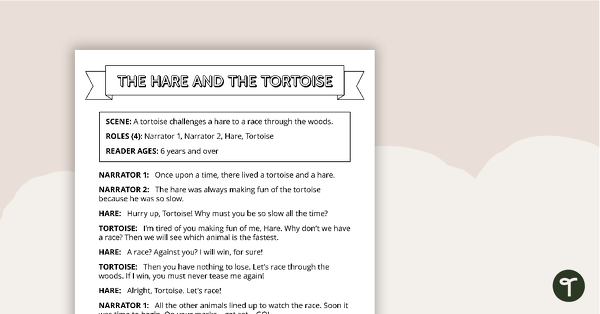
Readers' Theatre Script - Hare and Tortoise
A script which can be used during readers' theatre or Drama sessions, aimed at students 6 years and over.
- Plus Plan
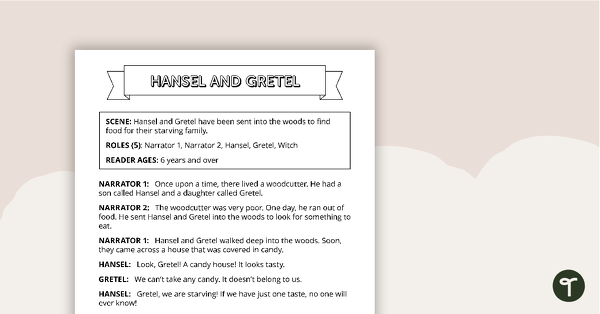
Readers' Theatre Script - Hansel and Gretel
A script which can be used during readers' theatre or Drama sessions, aimed at students 6 years and over.
- Plus Plan
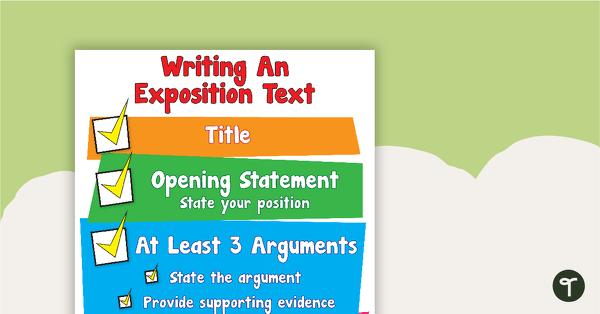
Writing An Exposition Text Poster
Display this poster in your room as a visual reminder of the structure of an exposition text.
- Free Plan
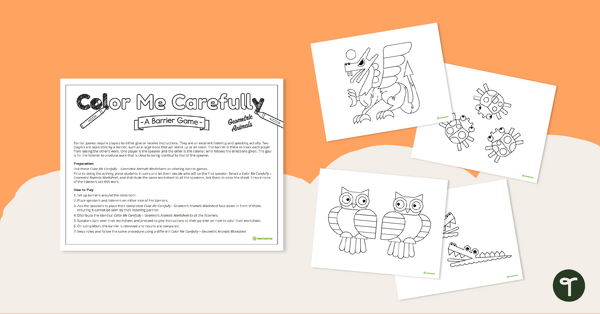
Colour Me Carefully – Geometric Animals – Worksheets
Hone in on your KS2 pupils' speaking and listening skills with this barrier activity.
- Plus Plan
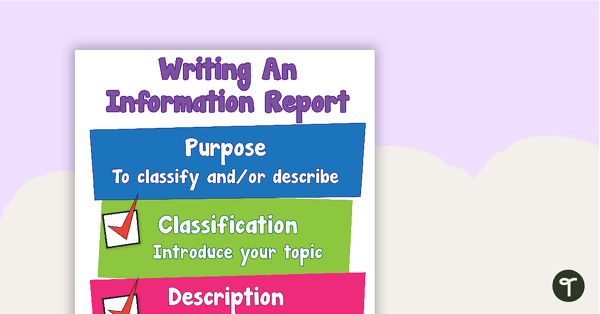
Writing An Information Report Poster
Display this poster in your room as a visual reminder of the structure of an information report.
- Plus Plan
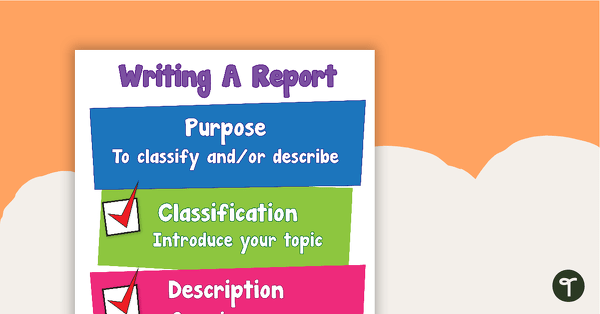
Writing A Report Poster
Display this poster in your room as a visual reminder of the structure of a report.
- Plus Plan
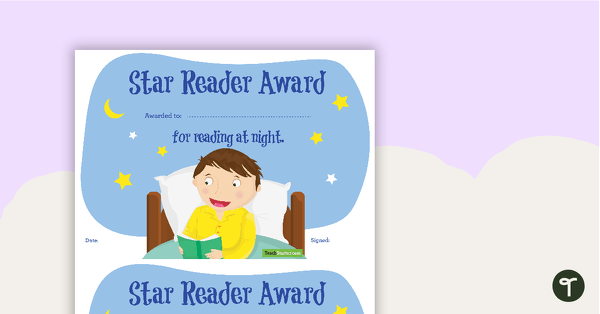
Reading at Night Certificate
Give positive feedback to your students for reading at night with this certificate.
- Plus Plan
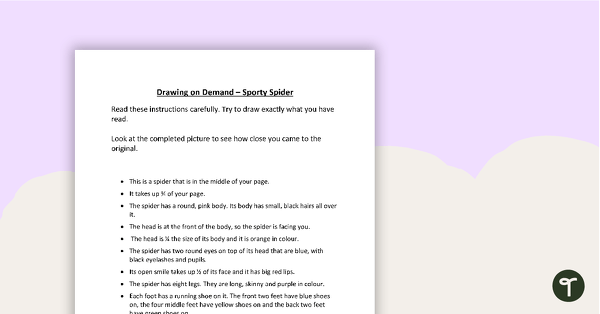
Drawing on Demand - Sporty Spider
An art activity that incorporates both drawing and listening skills.
- Plus Plan
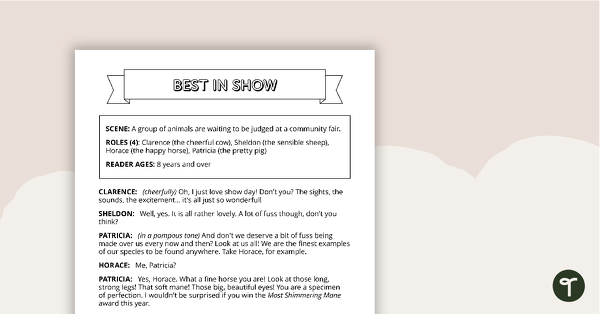
Readers' Theatre Script - Best In Show
A script which can be used during readers' theatre or Drama sessions, aimed at students 8 years and over.
- Plus Plan
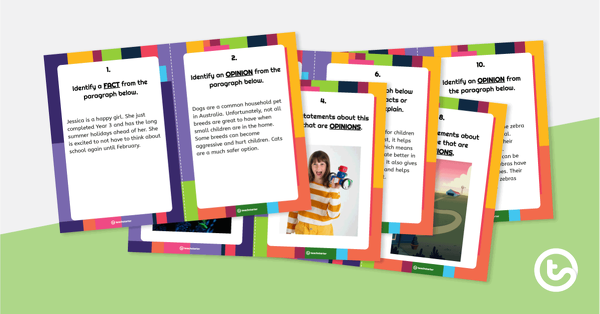
Fact and Opinion Task Cards
A set of 12 task cards to practise identifying and writing facts and opinions.
- Plus Plan
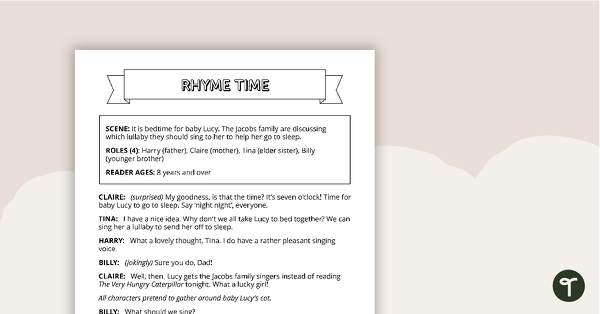
Readers' Theatre Script - Rhyme Time
A script which can be used during readers' theatre or Drama sessions, aimed at students 8 years and over.
- Plus Plan
Strong Verbs Word Wall
A set of 100 strong verb vocabulary cards.
- Plus Plan
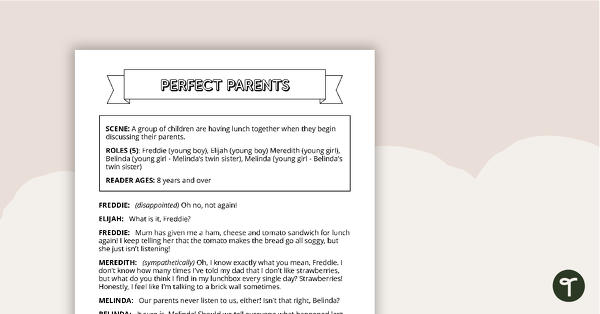
Readers' Theatre Script - Perfect Parents
A script which can be used during readers' theatre or Drama sessions, aimed at students 8 years and over.
- Plus Plan
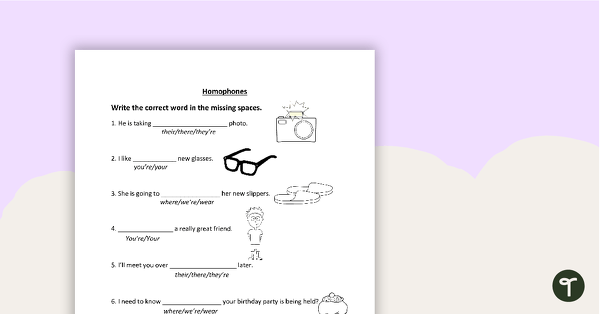
Homophones Worksheet
A worksheet using your/you're, there/their/they're and we're/where/wear homophones.
- Plus Plan
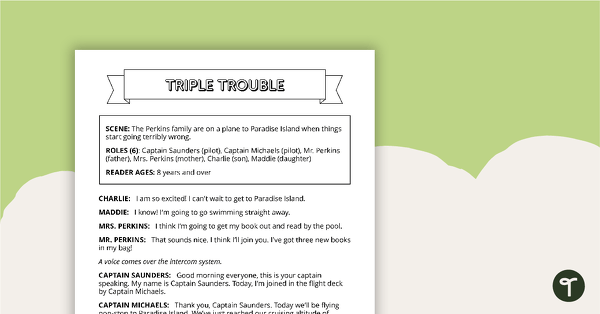
Readers' Theatre Script - Triple Trouble
A script which can be used during readers' theatre or Drama sessions, aimed at students 8 years and over.
- Plus Plan
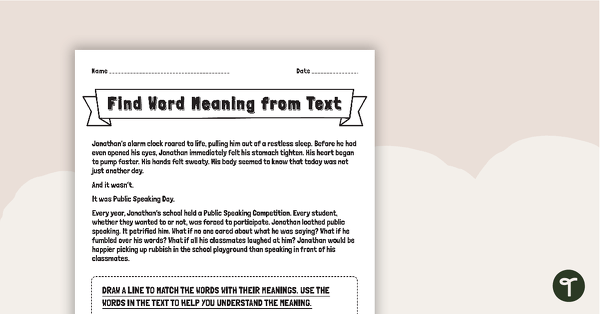
Finding Word Meaning In Context - Text And Word Meaning Worksheet
A teaching resource to help teach your students how to find word meaning in context.
- Plus Plan
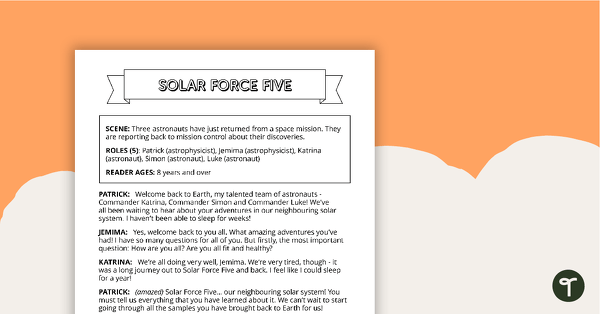
Readers' Theatre Script - Solar Force Five
A script which can be used during readers' theatre or Drama sessions, aimed at students 8 years and over.
- Plus Plan
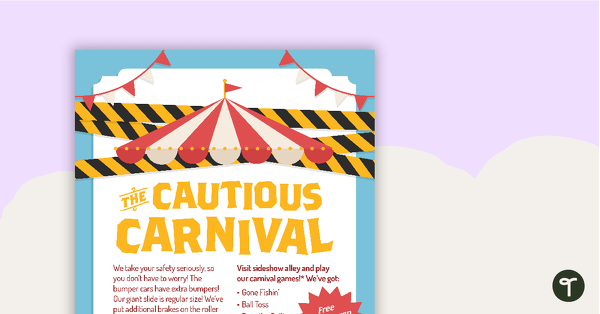
The Cautious Carnival – Worksheet
A comprehension worksheet for a fake advertisement from the Year 3 magazine (Issue 3).
- Plus Plan
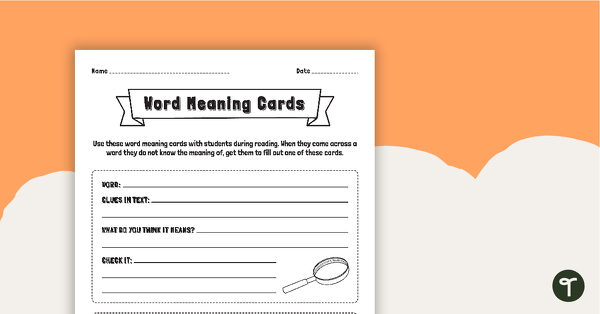
Finding Word Meaning In Context - Word Meaning Cards
A teaching resource to help teach your students how to find word meaning in context.
- Plus Plan
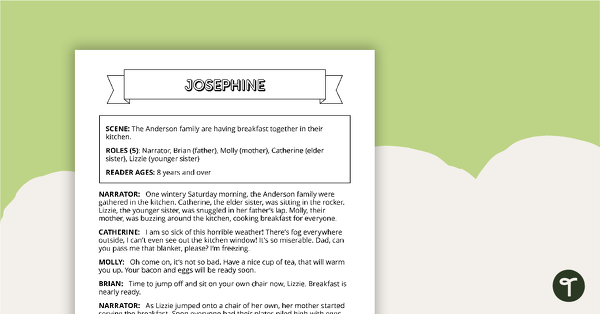
Readers' Theatre Script - Josephine
A script which can be used during readers' theatre or Drama sessions, aimed at students 8 years and over.
- Plus Plan
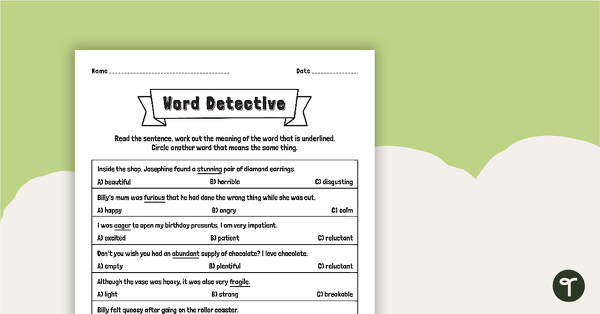
Finding Word Meaning In Context - Word Detective Worksheet
A teaching resource to help teach your students how to find word meaning in context.
- Plus Plan
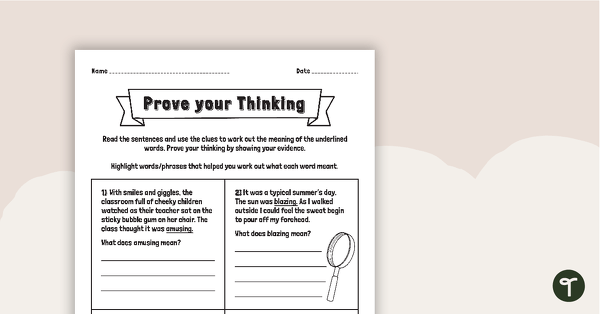
Finding Word Meaning In Context - Prove Your Thinking Worksheet
A teaching resource to help teach your students how to find word meaning in context.
- Plus Plan
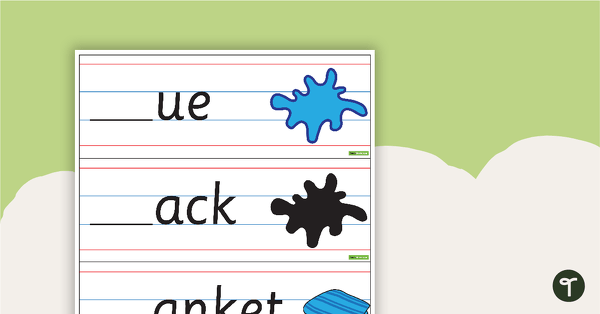
Initial L Blend Cards
A resource to help students identify the L blend at the beginning of a word.
- Plus Plan
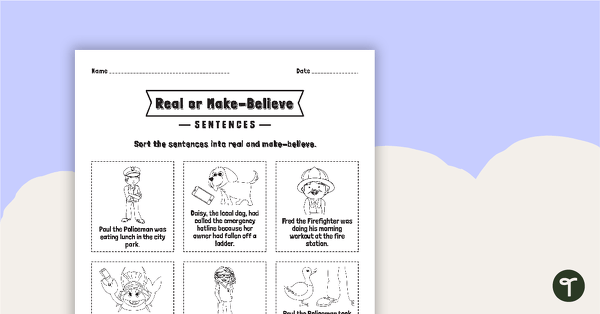
Real Or Make-Believe - Sentence And Picture Sorting Worksheet
A teaching resource to help teach your students the difference between real and make-believe.