Year 3
The proficiency strands understanding, fluency, problem-solving and reasoning are an integral part of mathematics content across the three content strands: number and algebra, measurement and geometry, and statistics and probability. The proficiencies reinforce the significance of working mathematically within the content and describe how the content is explored or developed. They provide the language to build in the developmental aspects of the learning of mathematics. The achievement standards reflect the content and encompass the proficiencies.
At this year level:
- understanding includes connecting number representations with number sequences, partitioning and combining numbers flexibly, representing unit fractions, using appropriate language to communicate times, and identifying environmental symmetry
- fluency includes recalling multiplication facts, using familiar metric units to order and compare objects, identifying and describing outcomes of chance experiments, interpreting maps and communicating positions
- problem-solving includes formulating and modelling authentic situations involving planning methods of data collection and representation, making models of three-dimensional objects and using number properties to continue number patterns
- reasoning includes using generalising from number properties and results of calculations, comparing angles and creating and interpreting variations in the results of data collections and data displays.
(source: www.australiancurriculum.edu.au)
Achievement Standard
By the end of Year 3, students recognise the connection between addition and subtraction and solve problems using efficient strategies for multiplication. They model and represent unit fractions. They represent money values in various ways. Students identify symmetry in the environment. They match positions on maps with given information. Students recognise angles in real situations. They interpret and compare data displays.
Students count to and from 10 000. They classify numbers as either odd or even. They recall addition and multiplication facts for single-digit numbers. Students correctly count out change from financial transactions. They continue number patterns involving addition and subtraction. Students use metric units for length, mass and capacity. They tell time to the nearest minute. Students make models of three-dimensional objects. Students conduct chance experiments and list possible outcomes. They conduct simple data investigations for categorical variables.
(source: www.australiancurriculum.edu.au)
- Plus Plan
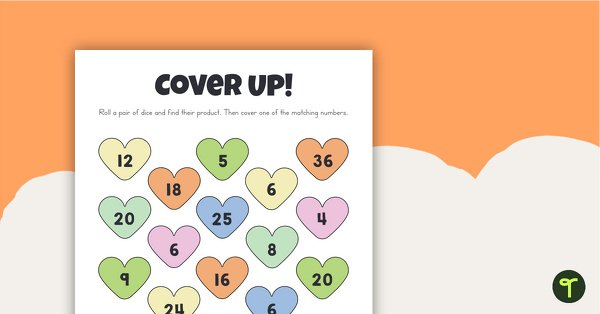
Cover Up! - Multiplication Facts Game
A game for practicing multiplication facts.
- Plus Plan
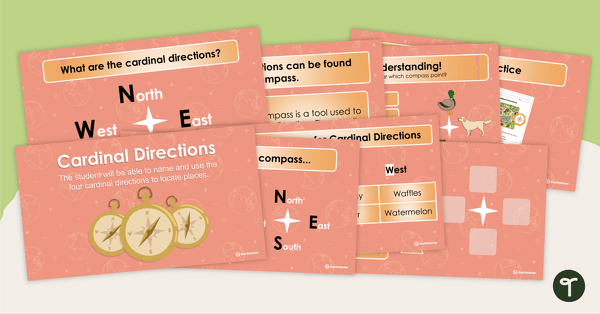
Cardinal Directions PowerPoint
An editable PowerPoint to use when teaching your students about cardinal directions.
- Plus Plan
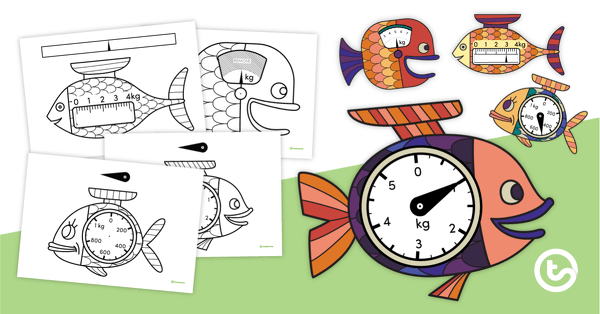
Weighing Scales Templates – Fish Scales
An assortment of weighing scales templates to give students practice at reading scales to measure mass.
- Plus Plan
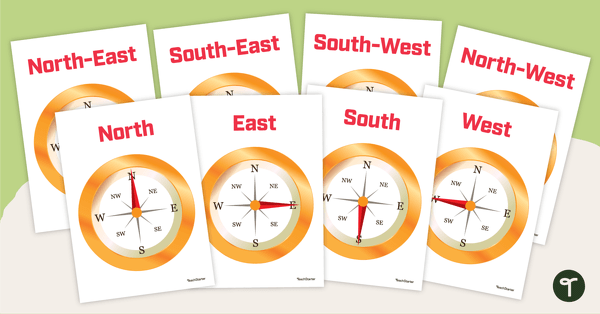
Cardinal and Intermediate Directions - Poster Pack
Display these cardinal and intermediate directions posters when exploring the compass rose with your students.
- Plus Plan
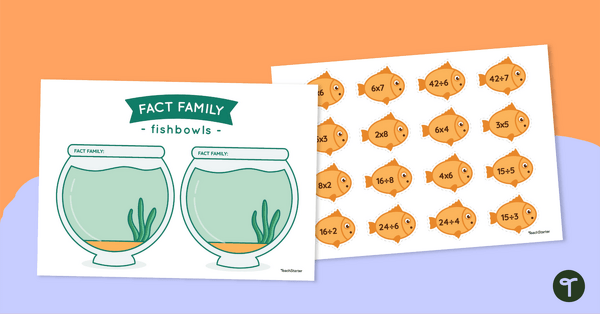
Fact Family Fishbowls
A sorting activity to demonstrate an understanding of multiplication and division fact families.
- Plus Plan
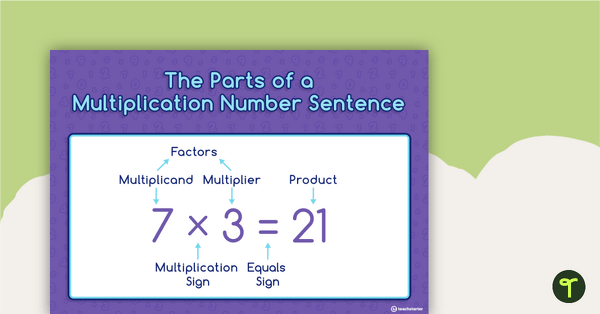
Parts of a Number Sentence (Multiplication and Division) Posters
Four posters to display in the classroom explaining the elements of multiplication and division number sentences.
- Plus Plan
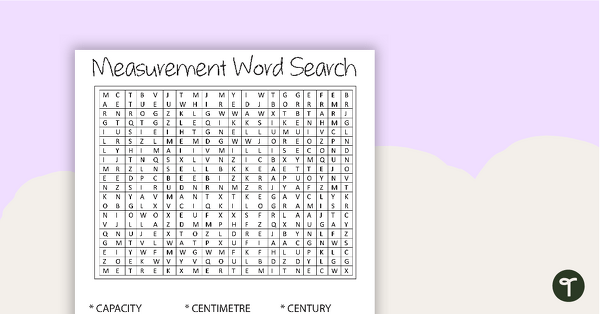
Measurement Word Search with Solution
A fun word search to help your students learn measurement vocabulary.
- Plus Plan
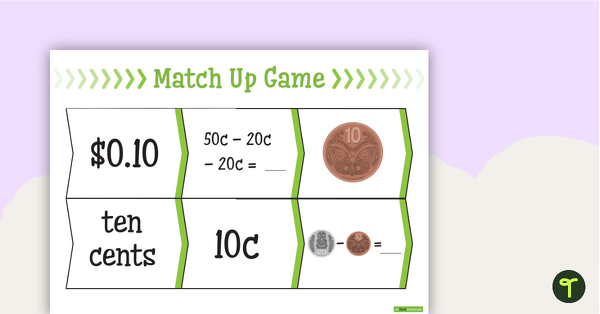
Money Match-Up Game (New Zealand Currency)
A set of six cards to be matched up for each note and coin in New Zealand currency.
- Plus Plan
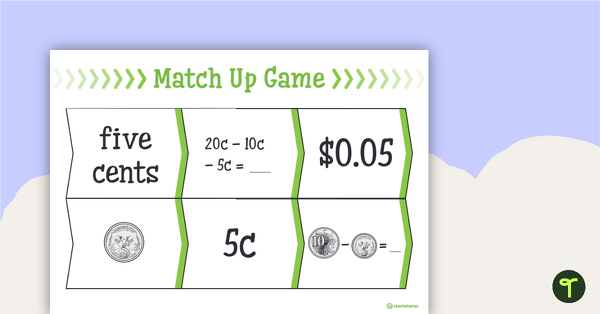
Money Match-Up Game (Australian Currency)
A set of six cards to be matched up for each note and coin in Australian currency.
- Plus Plan
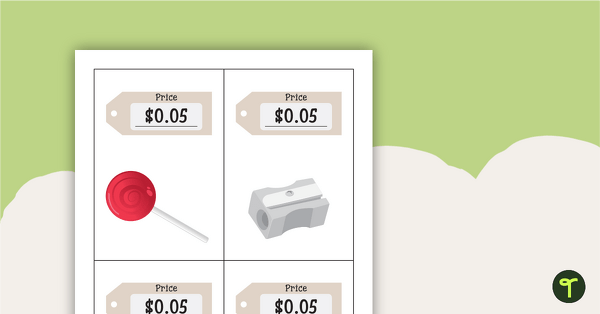
Picture Cards with Price Tags and Coins (Australian Currency)
A variety of different objects with price tags and coin cards.
- Plus Plan
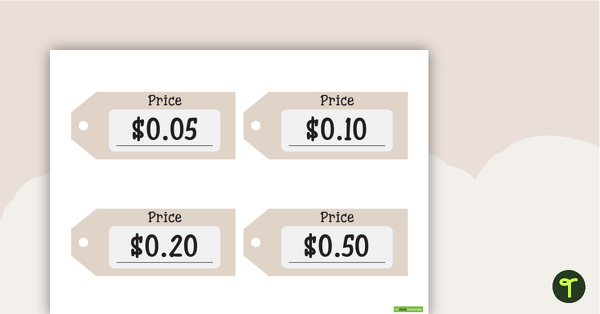
Price Tags
Price tags for classroom display.
- Plus Plan
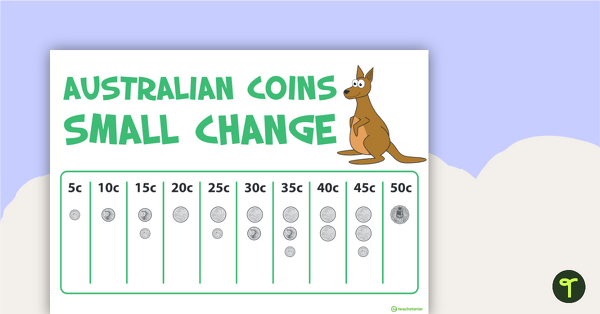
Australian Coins Small Change Poster
A poster showing different amounts and the coins that can be used to make them.
- Plus Plan
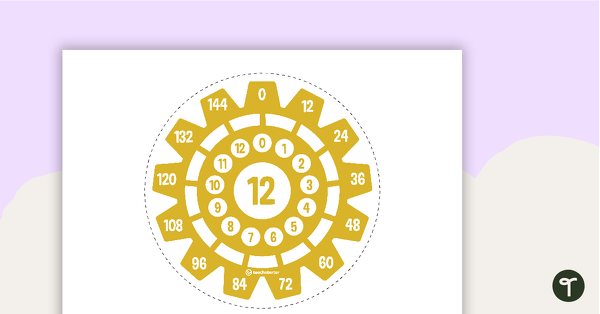
Multiplication Gears - Multiplication Facts of 12 Poster
A fun poster that shows the multiplication facts for 0.
- Plus Plan
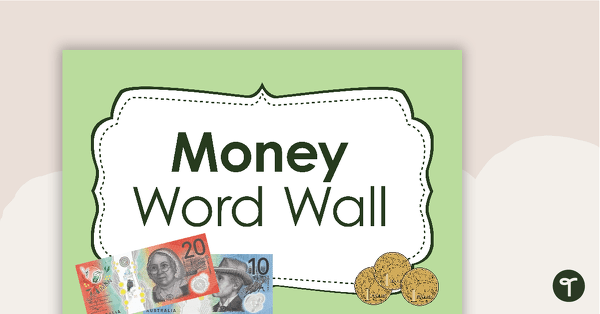
Australian Money Word Wall Vocabulary
Seventy-five money vocabulary cards.
- Plus Plan
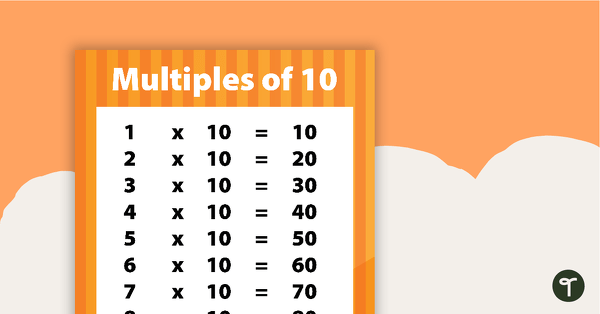
Multiplication Facts Poster - Multiples of 10
A poster showing the multiples of ten.
- Plus Plan
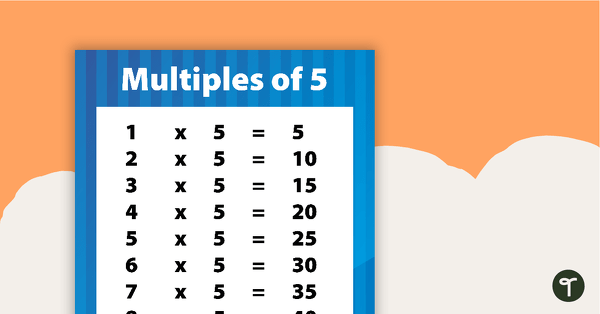
Multiplication Facts Poster - Multiples of 5
A poster showing the multiples of five.
- Plus Plan
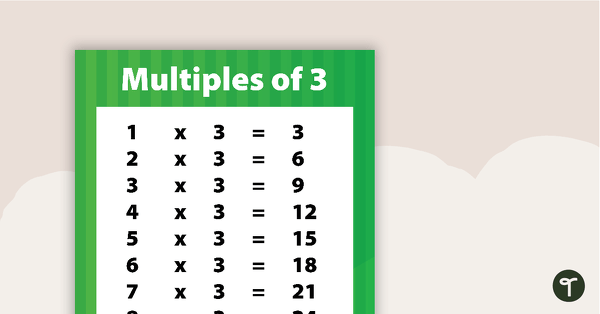
Multiplication Facts Poster - Multiples of 3
A poster showing the multiples of three.
- Plus Plan
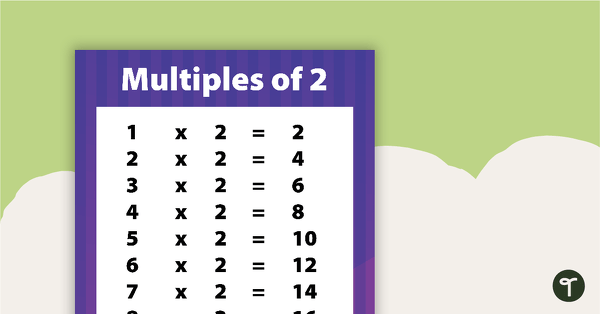
Multiplication Facts Poster - Multiples of 2
A poster showing the multiples of two.
- Plus Plan
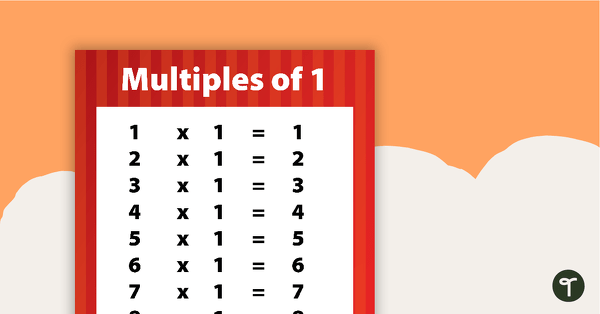
Multiplication Facts Poster - Multiples of 1
A poster showing the multiples of one.
- Plus Plan
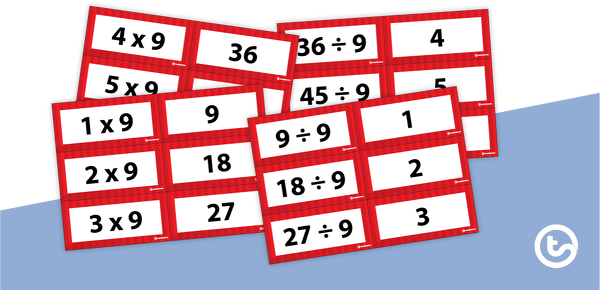
Multiplication and Division Facts Flashcards - Multiples of 9
A set of multiplication and division facts flashcards for multiples of 9.
- Plus Plan
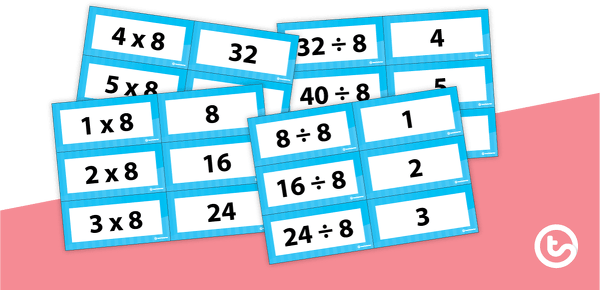
Multiplication and Division Facts Flashcards - Multiples of 8
A set of multiplication and division facts flashcards for multiples of 8.
- Plus Plan
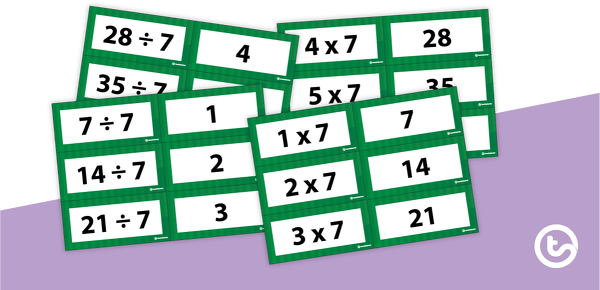
Multiplication and Division Facts Flashcards - Multiples of 7
A set of multiplication and division facts flashcards for multiples of 7.
- Plus Plan
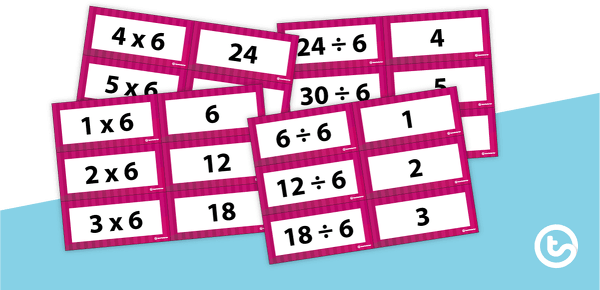
Multiplication and Division Facts Flashcards - Multiples of 6
A set of multiplication and division facts flashcards for multiples of 6.
- Plus Plan
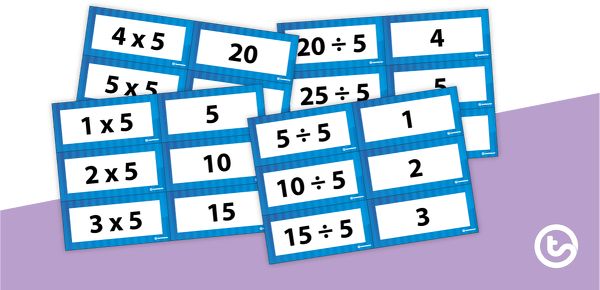
Multiplication and Division Facts Flashcards - Multiples of 5
A set of multiplication and division facts flashcards for multiples of 5.
- Plus Plan
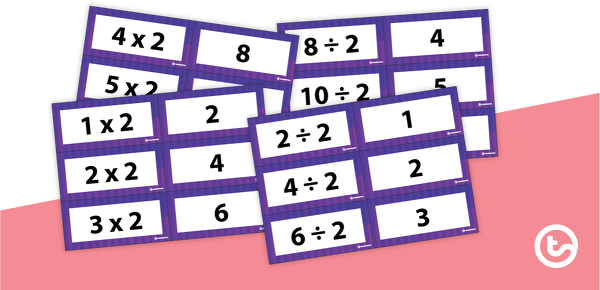
Multiplication and Division Facts Flashcards - Multiples of 2
A set of multiplication and division facts flashcards for multiples of 2.
- Plus Plan
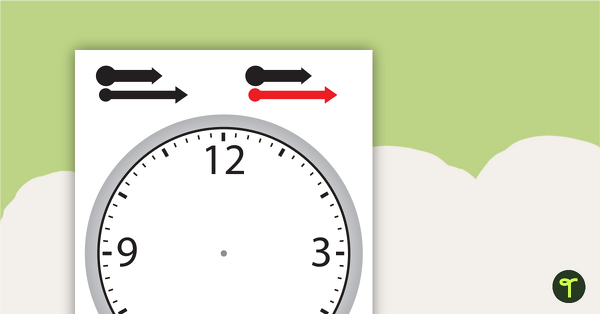
Clock Template
A clock that can be used for games or direct teaching.
- Plus Plan
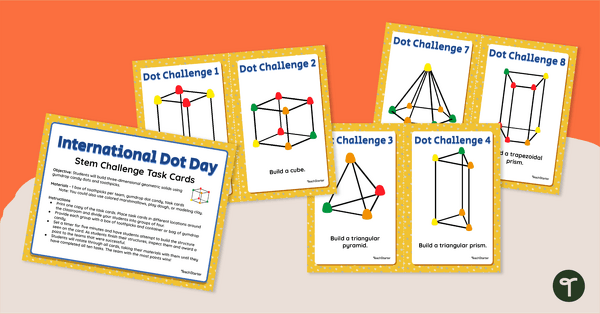
Dot Day STEM Activities - Building Tasks
Implement Dot Day STEM Activities with a set of fun DOT-based structure-building task cards.
- Plus Plan
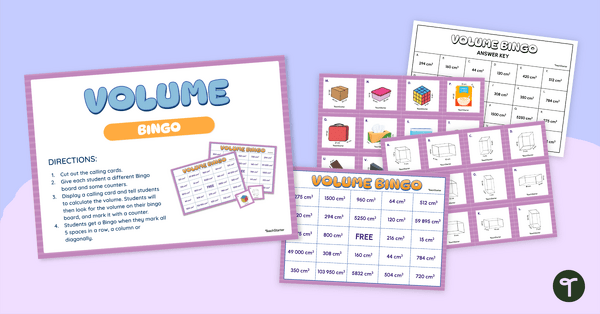
Volume Game — BINGO!
Play our BINGO volume game with your students to give them engaging practice finding the volume of rectangular prisms.
- Plus Plan
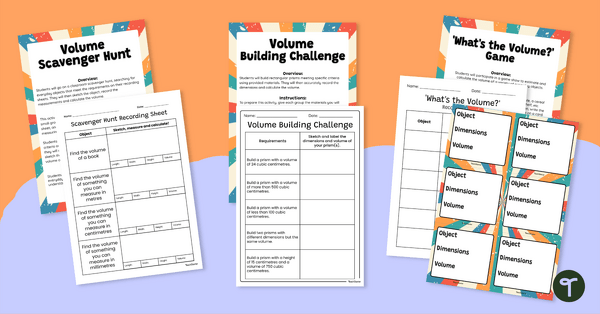
Fun Volume Activities
Bring maths to life with these fun volume activities that will have students building prisms, going on a scavenger hunt and estimating volumes!
- Plus Plan
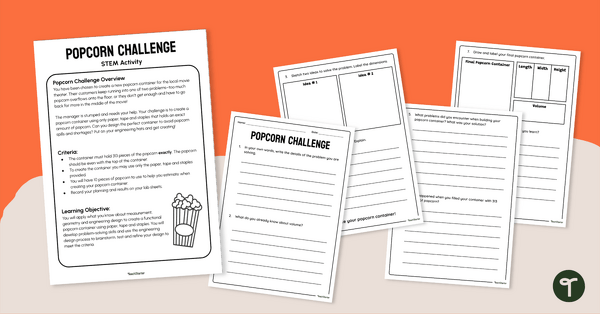
Volume Hands On Activity — The Popcorn Challenge!
Make learning ‘pop’ with this volume hands on activity — ‘The Popcorn Challenge!’
- Plus Plan
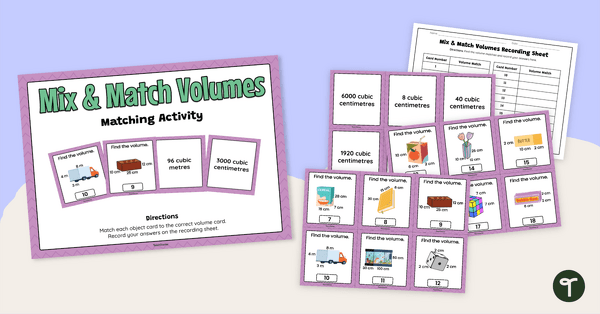
Matching Activity for Volume
Provide your students with this matching activity for volume to give them practice finding the volume of objects they see in the real world.
- Plus Plan
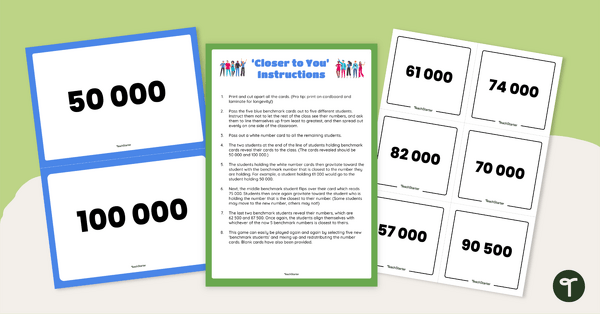
Comparing Numbers Game — 'Closer to You'
Play our comparing numbers game for a fun way to review comparing large numbers!