Social Cues Teaching Resources
Teach your students how to read social cues with SEL activities worksheets, printables and more for elementary and middle school teachers.
This collection of social awareness resources was developed by teachers, for teachers, with a focus on saving you time on your lesson plans! Explore teaching resources created to help your students pick up on both verbal and non-verbal cues, interpret them and react appropriately.
Looking for tips on teaching students how to pick up on social cues? Read on for a primer from our teacher team!
What Are Social Cues? A Kid-Friendly Definition
Not sure how to explain the meaning of "social cues" to your students? Here's a kid-friendly definition from our teacher team!
Social cues are special signals that people give to each other without using words that can help us understand how they are feeling or what they want.
You can see social cues in things like how someone's face looks and how they move their body or even in how they talk. They let us know when we need to be kind, when we need to listen and when to give someone space.
Paying attention to these cues is important because they can help us be better friends and understand others better.
Social Cues Examples for Kids
Sharing examples of social cues with your students can help make this intangible concept a bit more concrete, so here are a few good examples to share with your class:
- When someone is smiling, it's a cue that they are probably happy.
- When someone is frowning, it lets us know they are sad.
- When someone is feeling shy or nervous, they might avoid making eye contact with other people.
- Giving a thumbs up is a social cue that lets us know someone approves.
- When someone speaks softly, it is a cue that they share a secret we know we should not share.
- If someone is tapping their foot, it can be a cue that they're impatient.
Teaching Kids How to Read Social Cues
Reading social cues is easier for some people than it is for others, but by around preschool age, many students can pick up on basic social cues.
Around age 3 to 5, many kids can recognize simple facial expressions like happiness, sadness and anger. At this stage, many kids also start to notice and respond to others' body language and gestures.
Building on those basic social cue reading skills is something that you can work on in your social and emotional lessons by teaching kids to identify and understand various social cues — such as facial expressions, body language and tone of voice — and working with them to understand how to abide by social norms like waiting your turn on the playground or honoring their classmates' personal space.
As kids approach upper elementary and middle school, many will be better able to understand more complex social cues, including sarcasm, irony and non-literal language.
- Free Plan
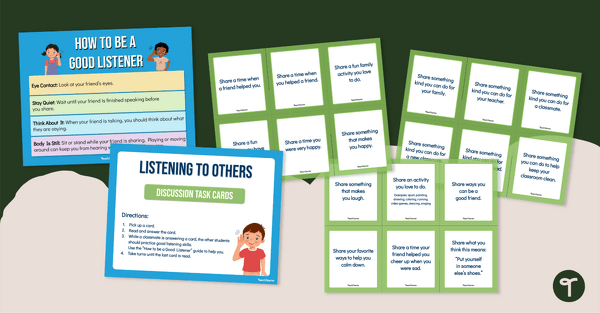
Listening to Others – Discussion Task Cards and Poster
Give students the opportunity to work on their listening skills and learn what it means to be a good listener with this set of 42 discussion cards and classroom poster.
- Plus Plan
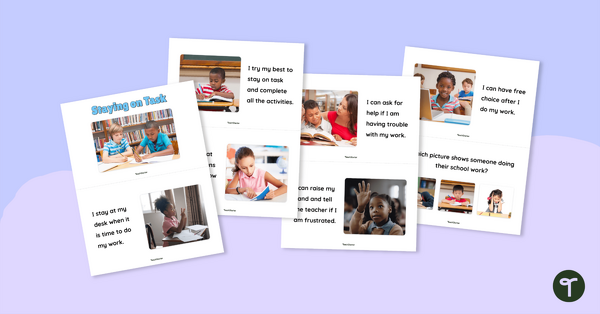
Staying on Task Mini-Book
Review different strategies for on-task behavior with this printable mini-book.
- Plus Plan
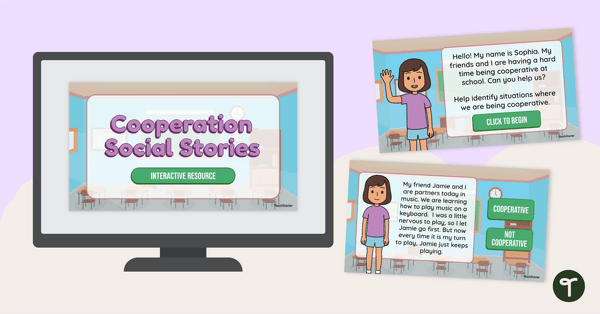
Cooperation Social Stories - Interactive Activity
Help your students differentiate between uncooperative and cooperative behavior in social situations with an interactive activity.
- Plus Plan
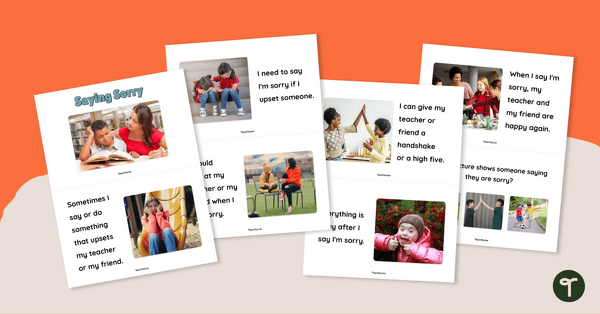
Saying Sorry Mini-Book
Learn how to develop strategies and skills for saying sorry to others with this printable mini-book.
- Plus Plan
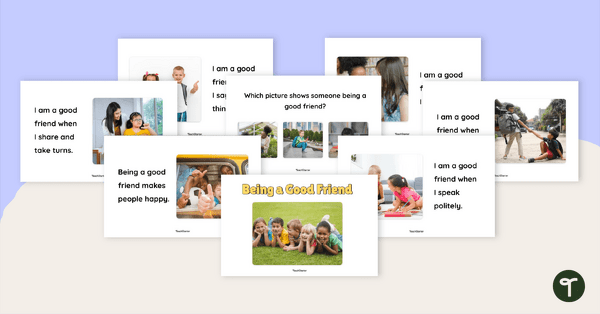
Being a Good Friend – Mini-Book
Learn how to be a good friend and maintain relationships with this printable social skills book.
- Free Plan
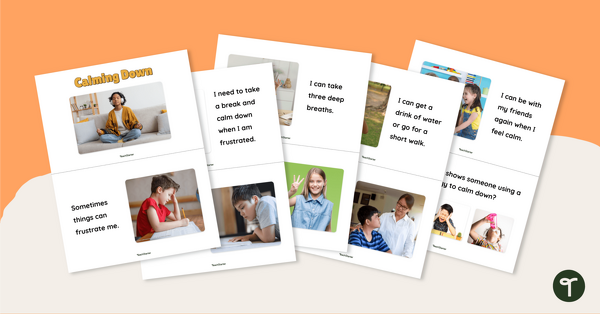
Calming Down Mini-Book
Help your students to keep calm when they are experiencing heightened emotions with this social story mini-book.
- Plus Plan
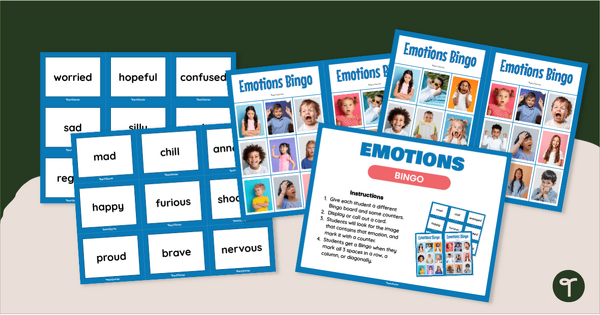
Emotions Bingo
Play Emotions Bingo to help your little learners practice recognizing emotions.
- Plus Plan
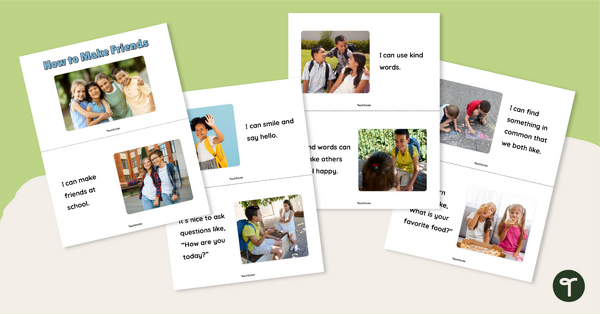
How to Make Friends Social Story
Learn the different ways you can make friends with this how to make friends social story.
- Plus Plan
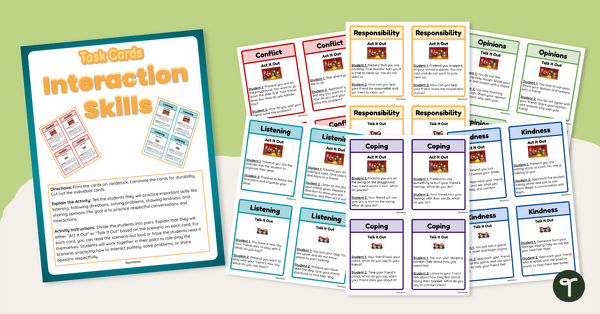
Oral Language Activities
Share these oral language activities with your students to help them practice listening to others, expressing opinions, receiving instructions, and more!
- Plus Plan
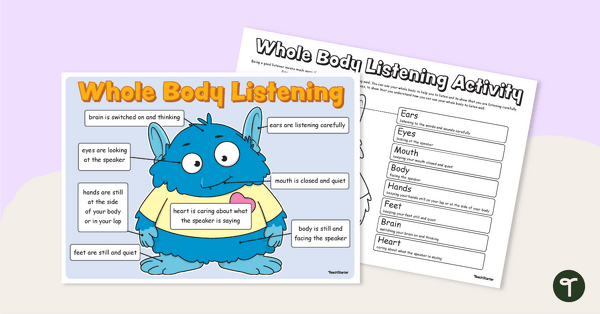
Whole Body Listening – Poster and Worksheet
Use this poster and accompanying worksheet to teach your students about whole body listening.
- Plus Plan
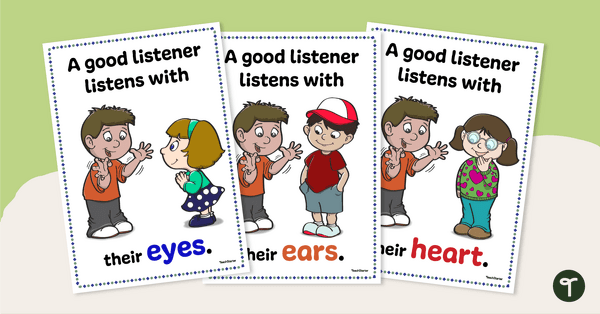
Good Listener Anchor Charts
Use these anchor charts to teach your students how to be good listeners.
- Plus Plan
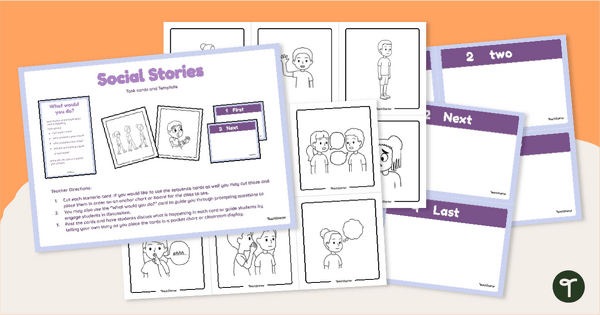
Social Story Cards and Templates
Create individualized social stories for students in your classroom with this versatile set of social story cards and templates.
- Plus Plan
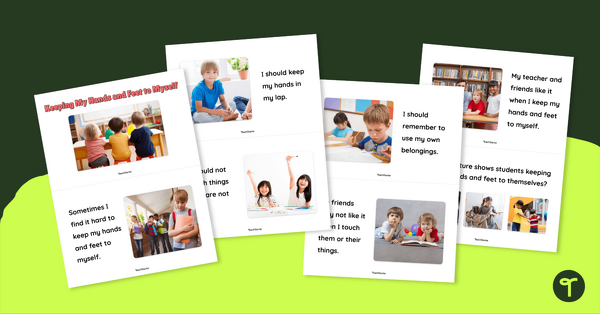
Keeping My Hands and Feet to Myself Mini-Book
Teach your students about the importance of keeping their hands and feet to themselves with this printable mini-book.
- Plus Plan
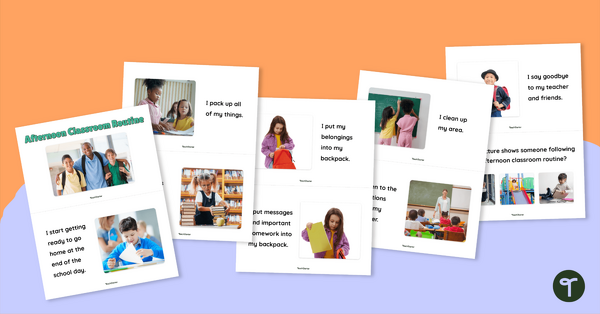
Afternoon Classroom Routine Mini-Book
Review expectations with your students regarding your afternoon routines with this printable mini-book.
- Plus Plan
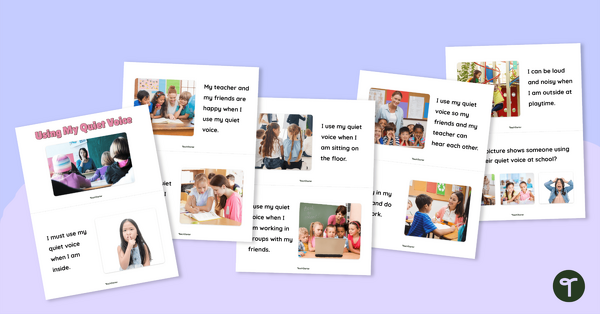
Using My Quiet Voice at School Mini-Book
Teach your students where they should use an inside voice and the benefits of doing so while at school with this printable mini-book.
- Plus Plan
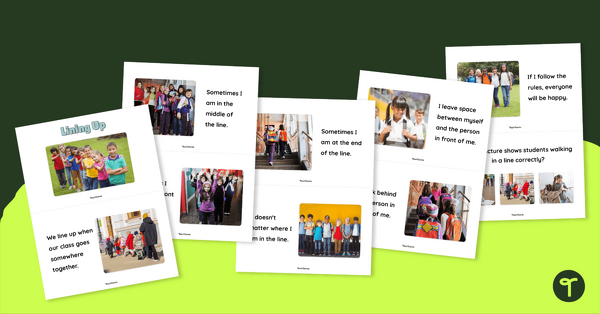
Lining Up Mini-Book
Teach your students the proper way to line up with this printable mini-book.
- Plus Plan
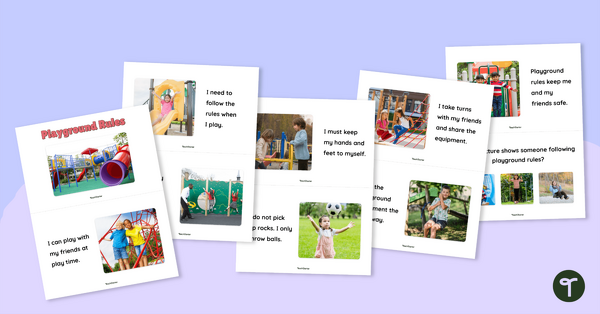
Playground Rules Mini-Book
Remind your students about playground rules with this printable mini-book.
- Plus Plan
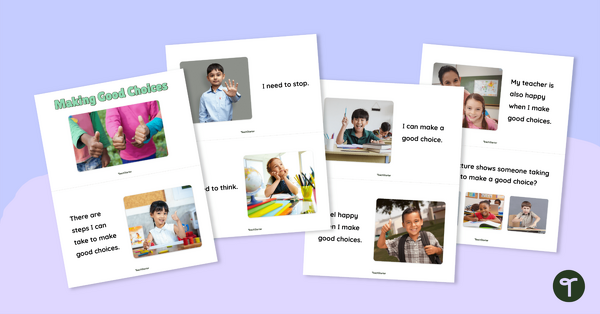
Making Good Choices Mini-Book
Help your students develop strategies for making good choices with this printable social story mini-book.
- Plus Plan
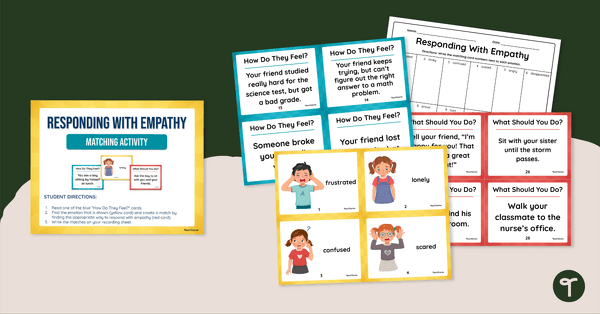
Responding With Empathy Matching Activity
Guide your students to identify emotions in others and select appropriate ways to respond with empathy with this matching activity.
- Plus Plan
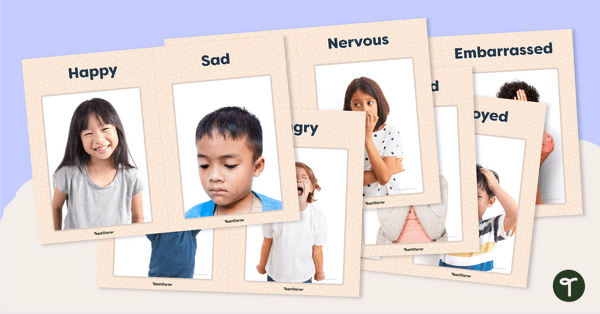
Recognizing Feelings - Flashcards
Improve your students' emotional literacy with this set of feelings flashcards.
- Plus Plan
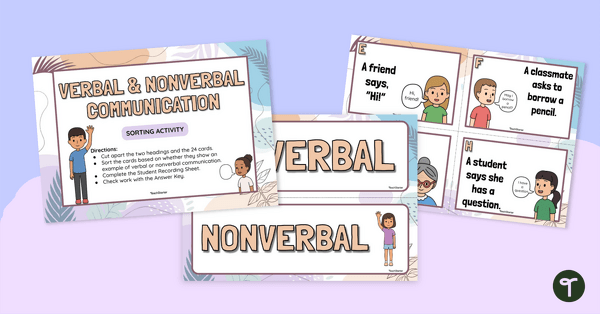
Verbal and Nonverbal Communication Sorting Activity
Use this sorting activity with your First Grade and Second Grade students to practice differentiating between verbal and nonverbal communication methods.
- Plus Plan
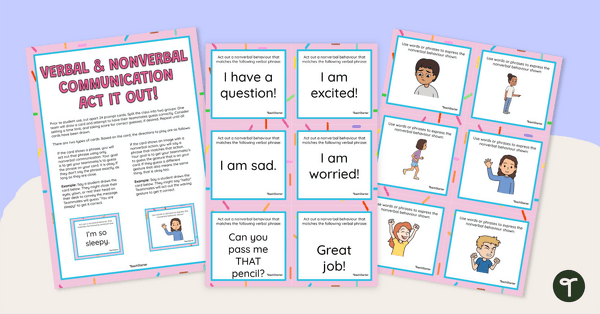
Verbal and Nonverbal Communication Act It Out Game
Use this active learning game to allow students to practice communication verbally and nonverbally, and interpret different verbal and nonverbal messages.
- Plus Plan
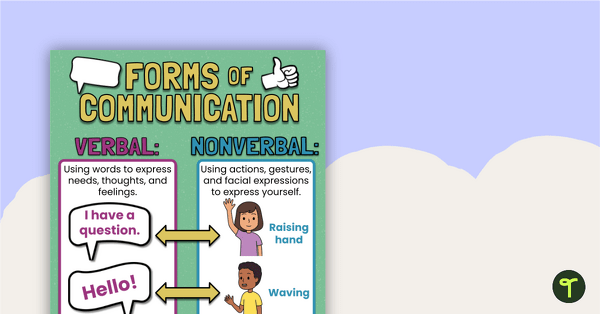
Verbal and Nonverbal Communication Poster
Teach your young students the key to communication by starting with the basics — the difference between verbal and nonverbal communication methods.
- Plus Plan
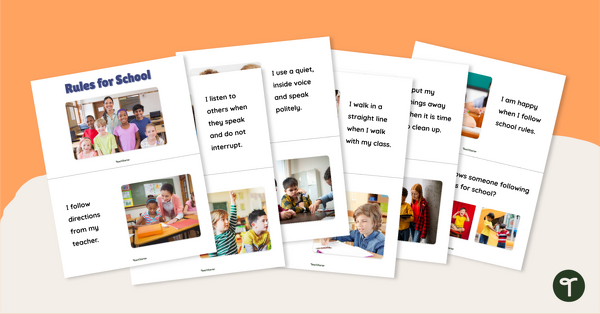
Rules for School Mini-Book
Remind students about appropriate behaviors at school with this printable mini-book.
- Plus Plan
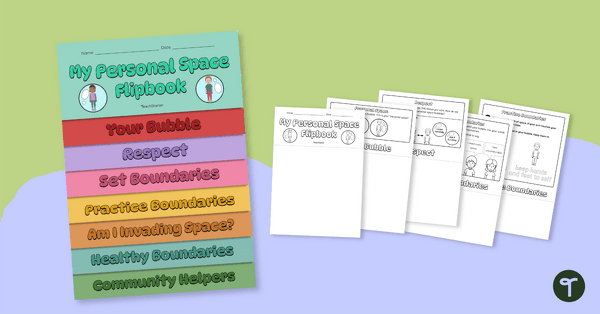
Personal Space Flipbook
Explore the concept of personal space and how it keeps us safe with this activity flipbook.
- Plus Plan
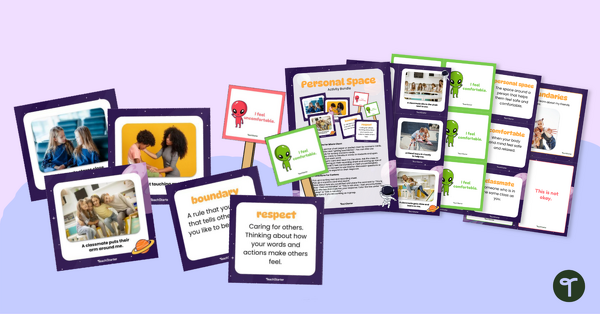
Personal Space and Setting Boundaries Activity Set
Learn about personal space and appropriate boundaries with this activity pack.
- Plus Plan
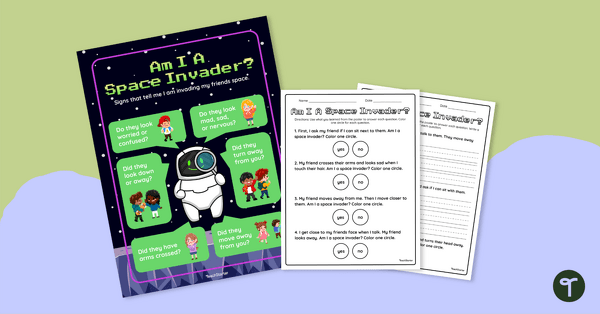
Am I A Space Invader? Poster and Worksheet Set
Learn about personal space with this space invader poster and worksheet set.
- Plus Plan
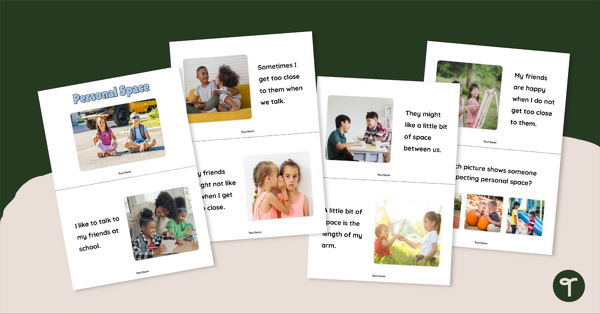
Social Stories - Personal Space
Learn about the importance of leaving personal space when interacting with others with this personal space social story.
- Plus Plan
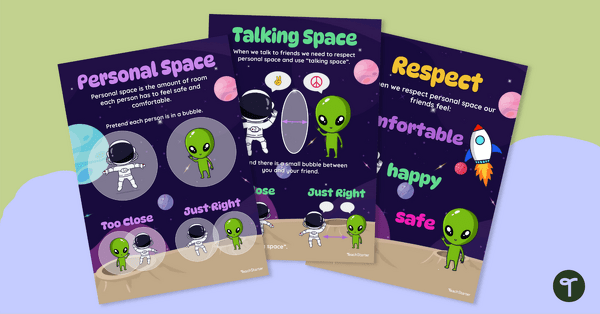
Personal Space Posters
Learn about personal space with these space-themed classroom posters.
- Plus Plan
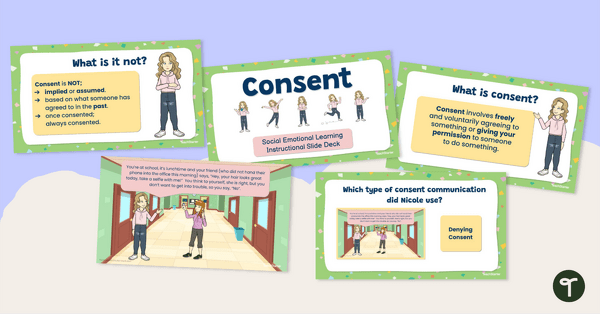
Understanding and Communicating Consent — Teaching Slides
Introduce your middle school students to the concept of consent, the steps of seeking, giving, or denying consent, and how to communicate in familiar scenarios.
- Plus Plan
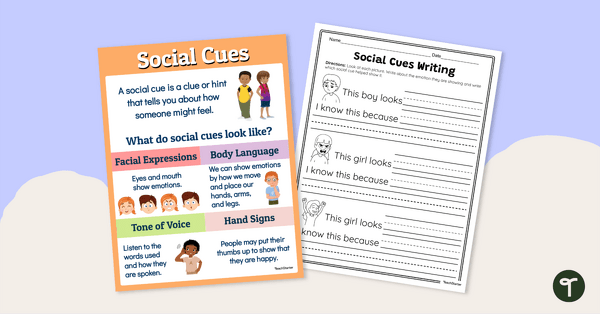
Social Cues Poster & Worksheet
Teach your students about different social cues with this printable poster and worksheet.
- Plus Plan
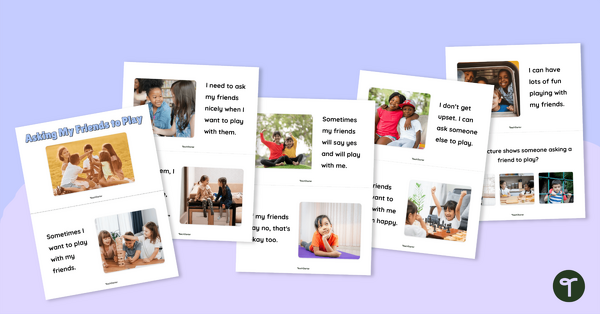
Asking My Friends to Play Mini-Book
Learn about appropriate social skills when asking friends to play with this printable mini-book.