English
By the beginning of year 3, pupils should be able to read books written at an age-appropriate interest level. They should be able to read them accurately and at a speed that is sufficient for them to focus on understanding what they read rather than on decoding individual words. They should be able to decode most new words outside their spoken vocabulary, making a good approximation to the word’s pronunciation. As their decoding skills become increasingly secure, teaching should be directed more towards developing their vocabulary and the breadth and depth of their reading, making sure that they become independent, fluent and enthusiastic readers who read widely and frequently. They should be developing their understanding and enjoyment of stories, poetry, plays and non-fiction, and learning to read silently. They should also be developing their knowledge and skills in reading non-fiction about a wide range of subjects. They should be learning to justify their views about what they have read: with support at the start of year 3 and increasingly independently by the end of year 4.
- Plus Plan
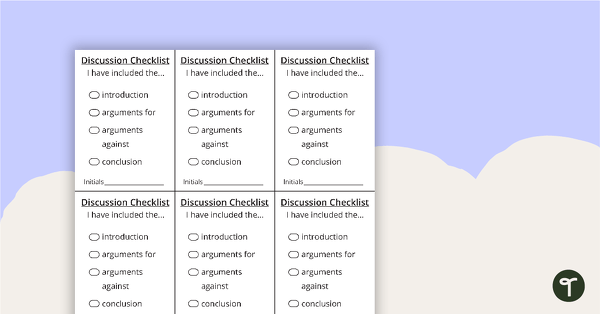
Discussion Writing Checklist
Now your students can make sure that they have everything they need in their discussion.
- Plus Plan
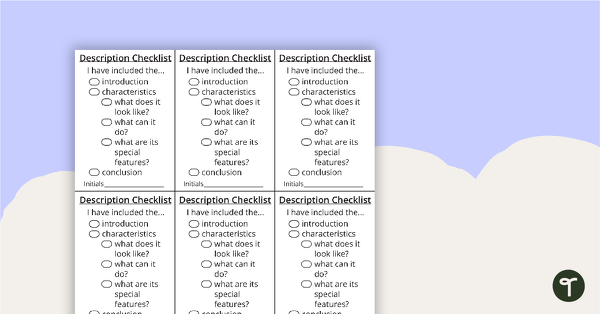
Description Writing Checklist
Now your students can make sure that they have everything they need in their description.
- Plus Plan
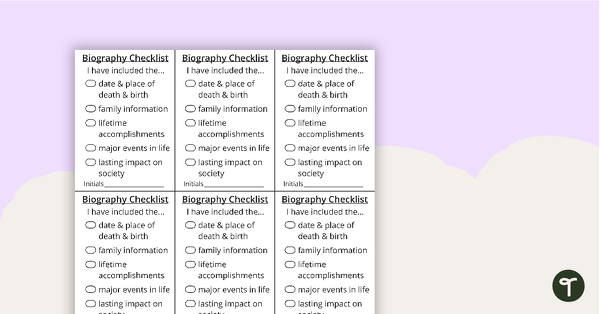
Biography Writing Checklist
Now your students can make sure that they have everything they need in their biography.
- Plus Plan
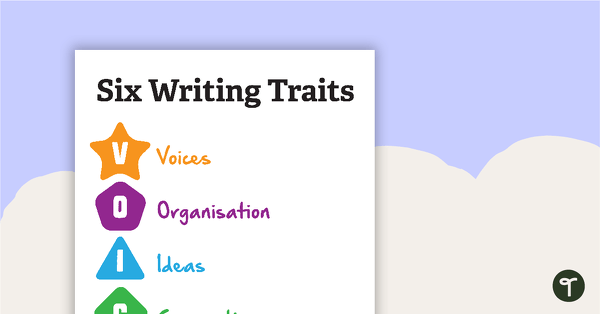
V.O.I.C.E.S. - Six Writing Traits Posters
An overview poster as well as 6 individual posters covering the VOICES Six Writing Traits.
- Plus Plan
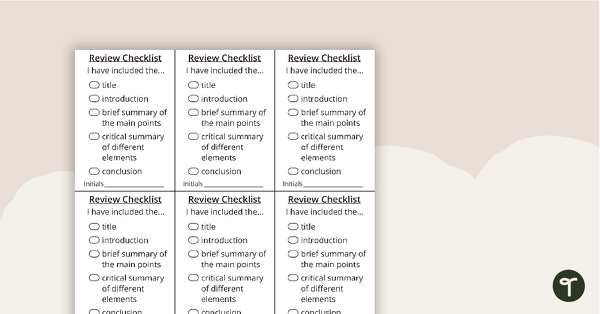
Review Writing Checklist
Now your students can make sure that they have everything they need in their review.
- Plus Plan
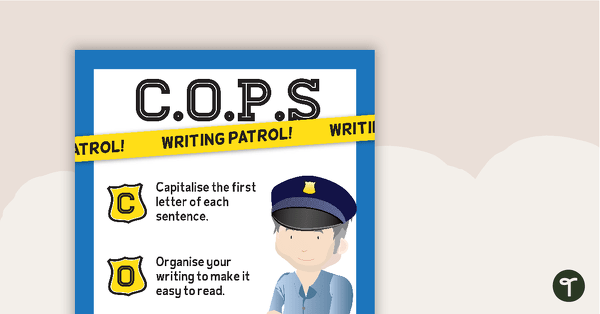
COPS Writing and Editing Poster and Checklist
A C.O.P.S writing and editing poster with accompanying checklist.
- Plus Plan
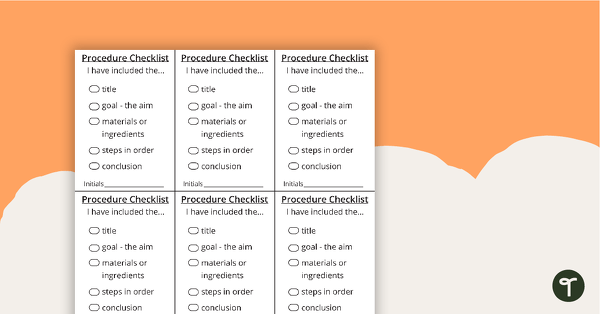
Procedure Writing Checklist
Now your students can make sure that they have everything they need in their procedure.
- Plus Plan
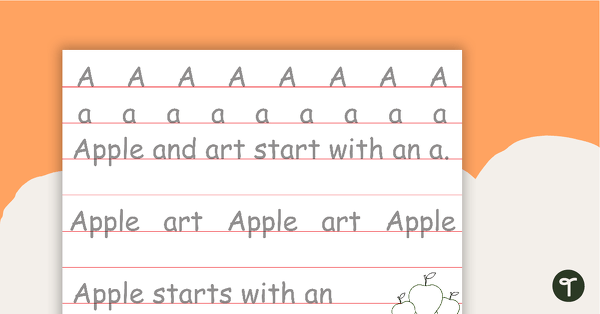
Alphabet Handwriting Sheets - Individual
Handwriting sheets for each letter of the alphabet.
- Plus Plan
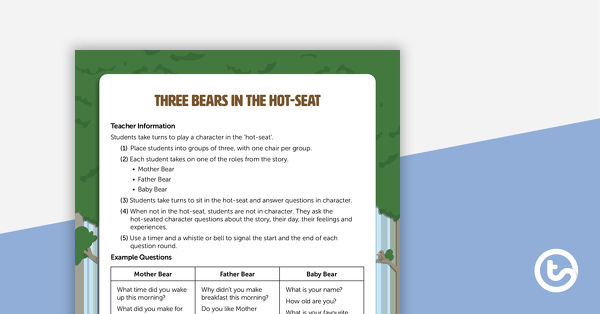
Three Bears in the Hot-Seat – Role Play Activity
A role-playing activity where students play the role of a character from the fairy tale, The Three Bears.
- Plus Plan
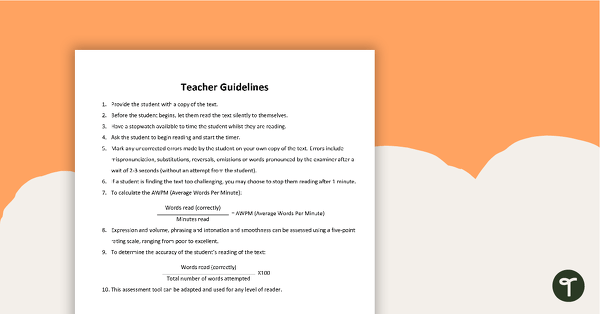
Reading Fluency Assessment Tool
A user-friendly tool for teachers to test their students' fluency and accuracy.
- Plus Plan
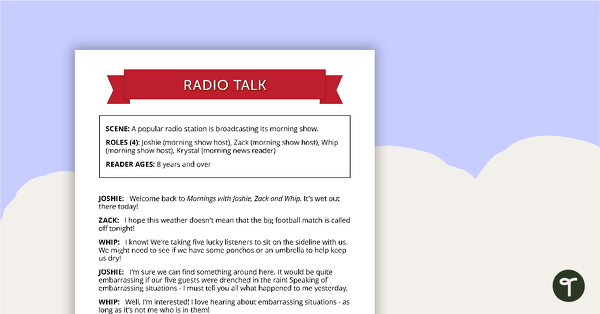
Comprehension - Radio Talk
A fun script and set of questions to help students develop reading and comprehension strategies.
- Plus Plan
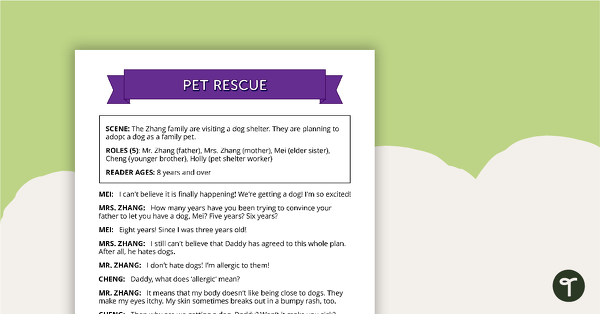
Comprehension - Pet Rescue
A fun script and set of questions to help students develop reading and comprehension strategies.
- Plus Plan
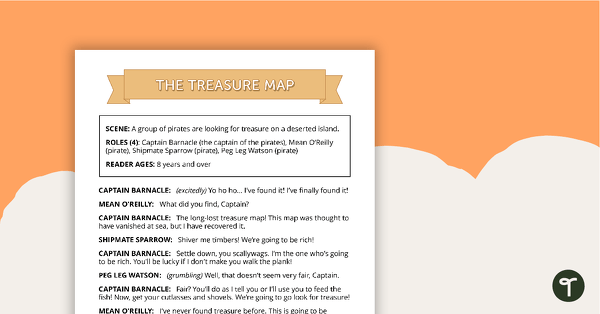
Comprehension - Treasure Map
A fun script and set of questions to help students develop reading and comprehension strategies.
- Plus Plan
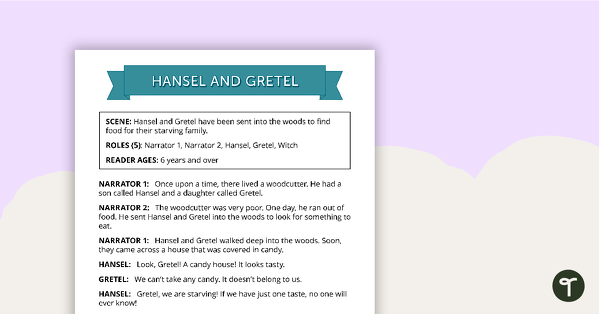
Comprehension - Hansel and Gretel
A fun script and set of questions to help students develop reading and comprehension strategies.
- Plus Plan
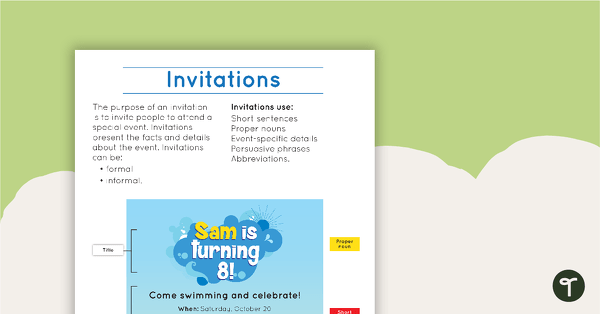
Invitation Text Type Poster With Annotations
A poster about invitations, including an annotated example.
- Plus Plan
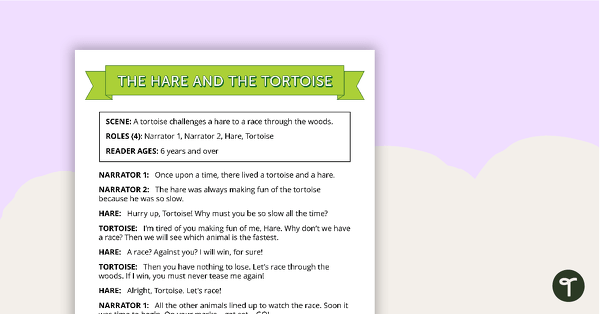
Comprehension - Hare and The Tortoise
A fun script and set of questions to help students develop reading and comprehension strategies.
- Plus Plan
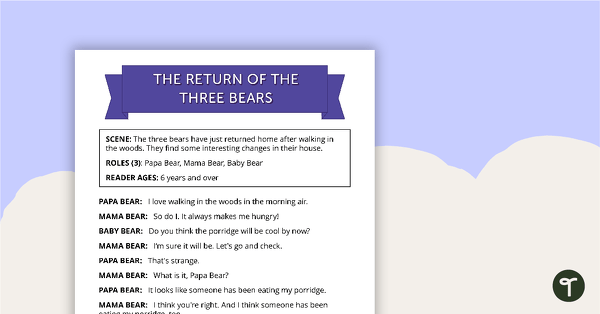
Comprehension - Return of the Three Bears
A fun script and set of questions to help students develop reading and comprehension strategies.
- Plus Plan
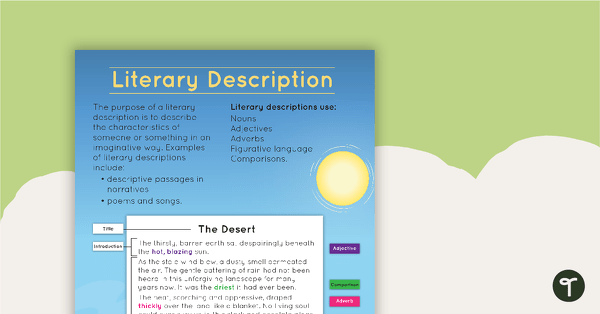
Literary Description Text Type Poster With Annotations
A poster about literary descriptions, including an annotated example.
- Plus Plan
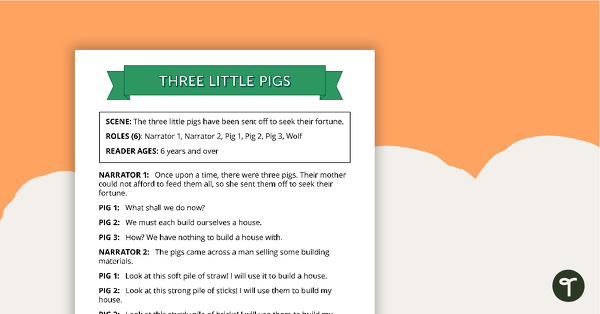
Comprehension - Three Little Pigs
A fun script and set of questions to help students develop reading and comprehension strategies.
- Plus Plan
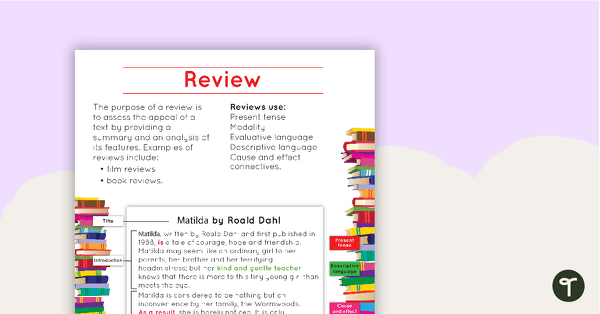
Review Text Type Poster With Annotations
A poster about reviews, including an annotated example.
- Plus Plan
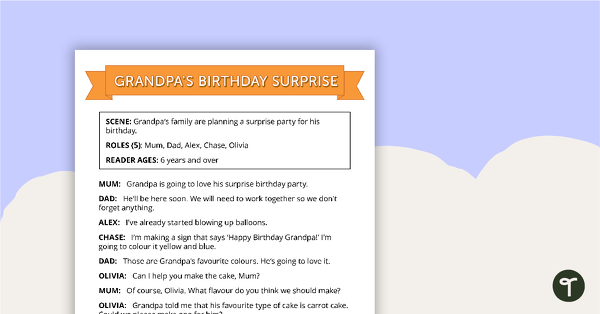
Comprehension - Grandpa's Birthday Surprise
A fun script and set of questions to help students develop reading and comprehension strategies.
- Plus Plan
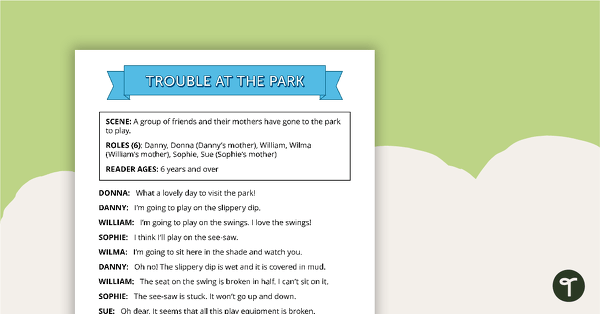
Comprehension - Trouble at the Park
A fun script and set of questions to help students develop reading and comprehension strategies.
- Plus Plan
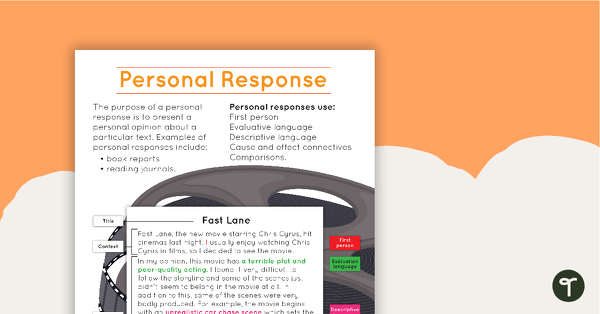
Personal Response Text Type Poster With Annotations
A poster about personal responses, including an annotated example.
- Plus Plan
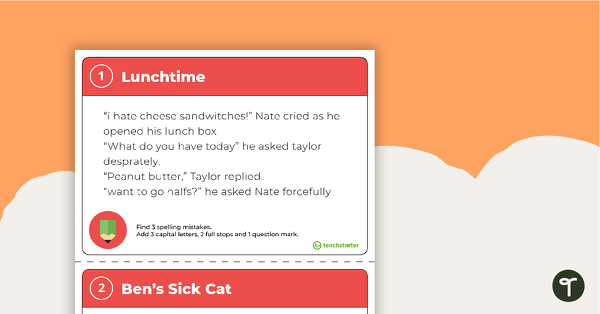
Editing Passage Task Cards - Year 4
A set of 20 editing passage task cards with answers.
- Plus Plan
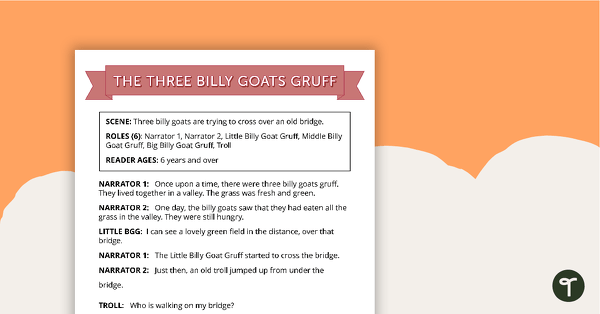
Comprehension - Three Billy Goats Gruff
A fun script and set of questions to help students develop reading and comprehension strategies.
- Plus Plan
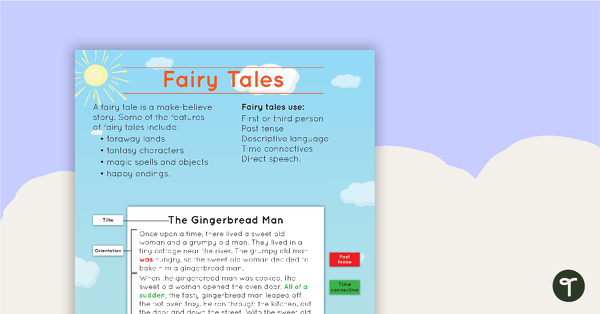
Fairy Tales Text Type Poster With Annotations
A poster about fairy tales, including an annotated example.
- Plus Plan
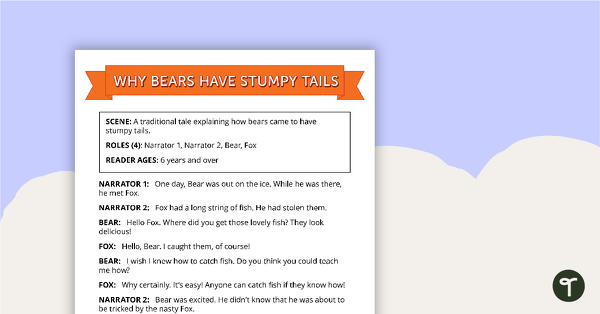
Comprehension - Why Bears Have Stumpy Tails
A fun script and set of questions to help students develop reading and comprehension strategies.
- Plus Plan
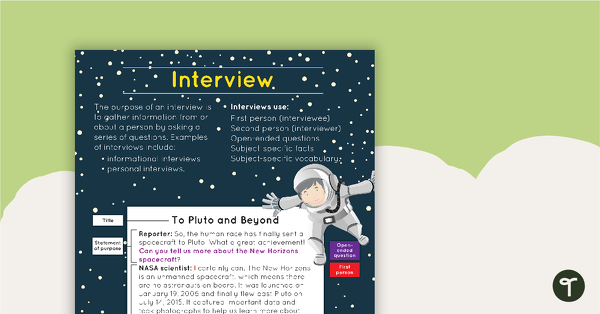
Interview Text Type Poster With Annotations
A poster about interviews, including an annotated example.
- Plus Plan
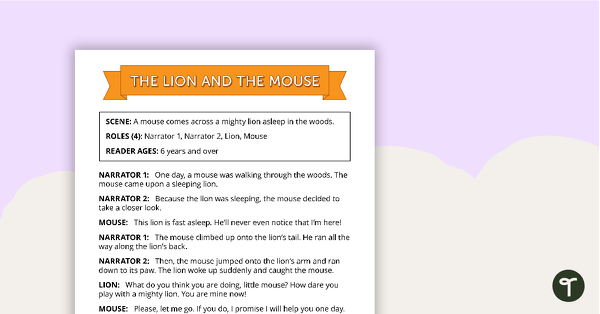
Comprehension - Lion and The Mouse
A fun script and set of questions to help students develop reading and comprehension strategies.
- Plus Plan
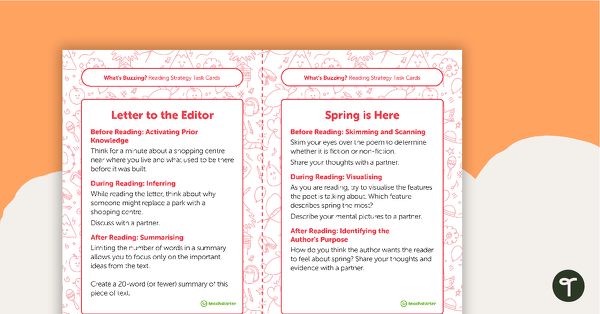
Year 3 Magazine - "What's Buzzing?" (Issue 1) Task Cards
A set of five literacy rotation task cards to be used in conjunction with Issue 1 of Teach Starter's Year 3 magazine.
- Plus Plan
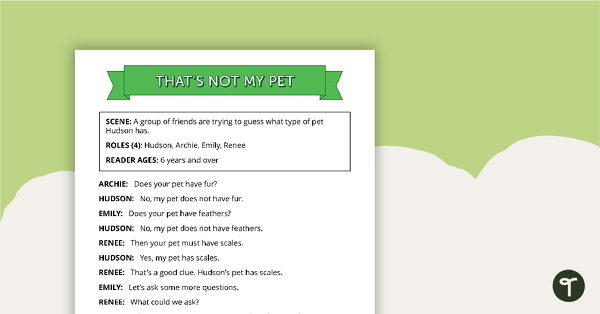
Comprehension - That's Not My Pet
A fun script and set of questions to help students develop reading and comprehension strategies.
- Plus Plan
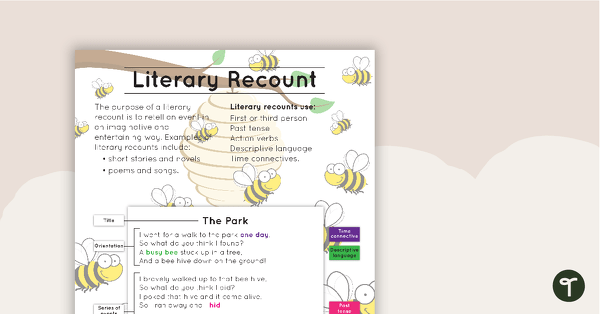
Literary Recount Text Type Poster With Annotations
A poster about literary recounts, including an annotated example.