English
By the beginning of year 3, pupils should be able to read books written at an age-appropriate interest level. They should be able to read them accurately and at a speed that is sufficient for them to focus on understanding what they read rather than on decoding individual words. They should be able to decode most new words outside their spoken vocabulary, making a good approximation to the word’s pronunciation. As their decoding skills become increasingly secure, teaching should be directed more towards developing their vocabulary and the breadth and depth of their reading, making sure that they become independent, fluent and enthusiastic readers who read widely and frequently. They should be developing their understanding and enjoyment of stories, poetry, plays and non-fiction, and learning to read silently. They should also be developing their knowledge and skills in reading non-fiction about a wide range of subjects. They should be learning to justify their views about what they have read: with support at the start of year 3 and increasingly independently by the end of year 4.
- Plus Plan
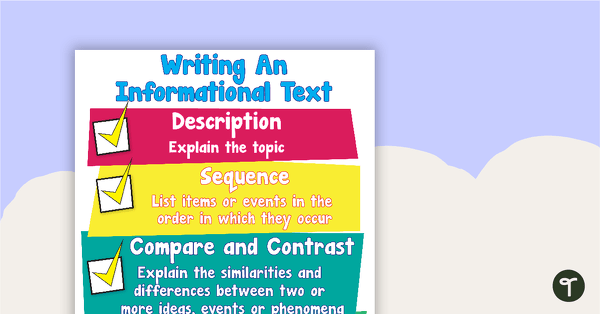
Writing An Informational Text Poster
Display this poster in your room as a visual reminder of the structure of an informational text.
- Plus Plan
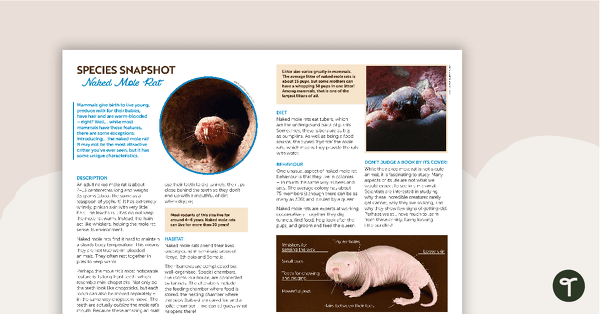
Species Snapshot Worksheet - Naked Mole Rat
A comprehension worksheet for a species snapshot magazine article about the naked mole rat.
- Plus Plan
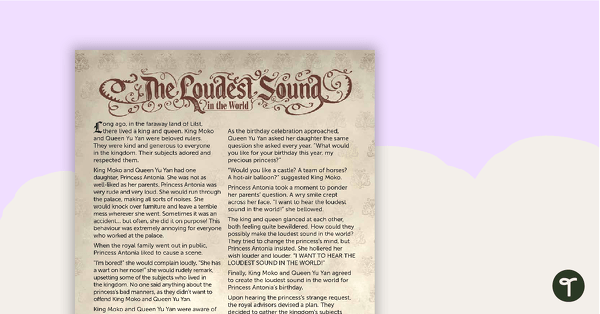
The Loudest Sound in the World – Comprehension Worksheet
A comprehension worksheet for a narrative about a princess who demands to hear the loudest sound in the world.
- Plus Plan
Reading Goals Tracking Chart
A classroom display that allows students to see their progress towards reading.
- Plus Plan
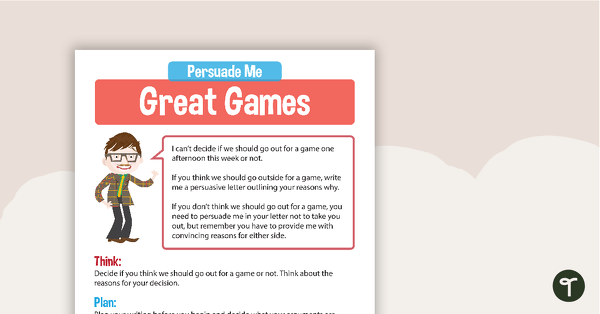
Persuade Me: Persuasive Writing Assessment Activities
A set of 4 persuasive writing assessment activities.
- Plus Plan
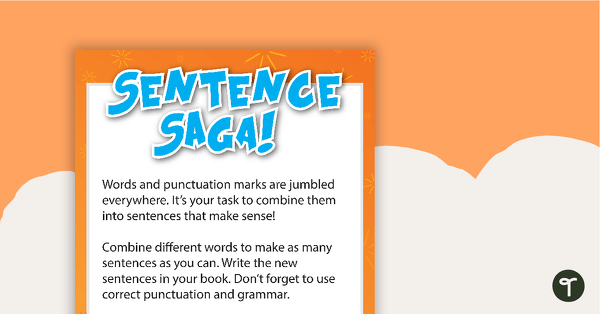
Sentence Saga Literacy Activity (Silly Sentences)
Words and punctuation marks are jumbled everywhere. It’s your task to combine them into sentences that make sense!
- Plus Plan
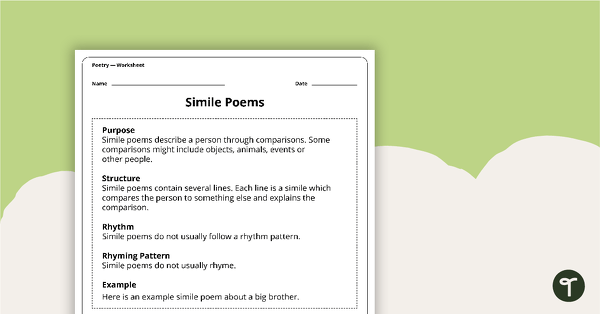
Writing a Simile Poem Worksheet
A 2 page worksheet for students to use when learning how to write a simile poem.
- Plus Plan
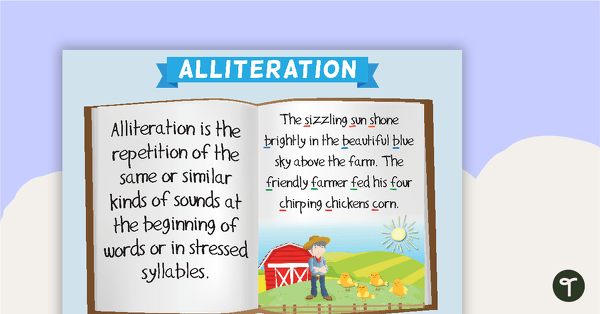
Alliteration Poster
A poster providing a definition and examples of alliteration.
- Plus Plan
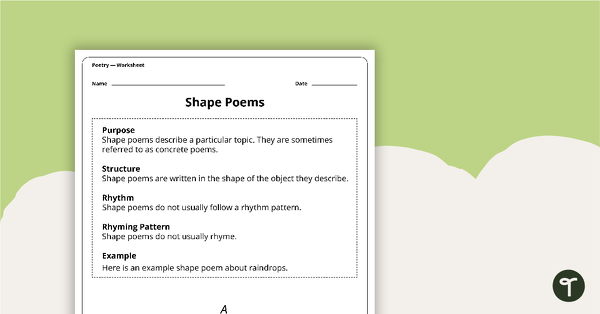
Writing a Shape Poem Worksheet
A 2 page worksheet for students to use when learning how to write a shape poem.
- Plus Plan
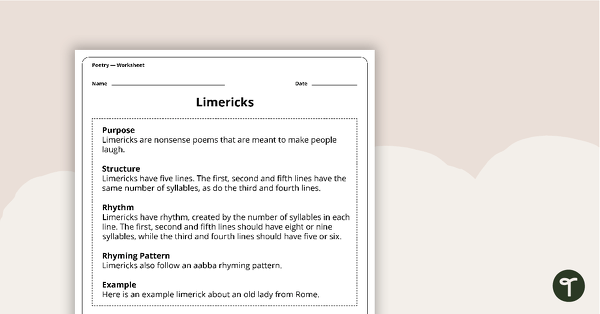
Writing a Limerick Worksheet
A 2 page worksheet for students to use when learning how to write a limerick.
- Plus Plan
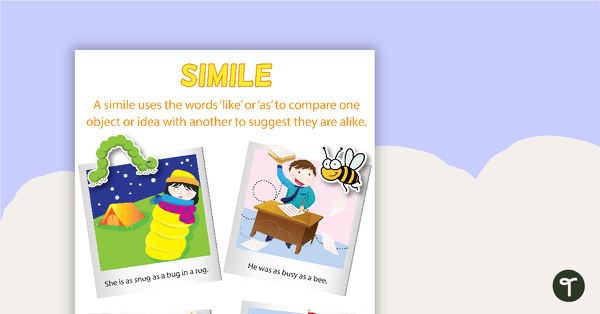
Similes Poster
A poster providing a definition and examples of similies.
- Plus Plan
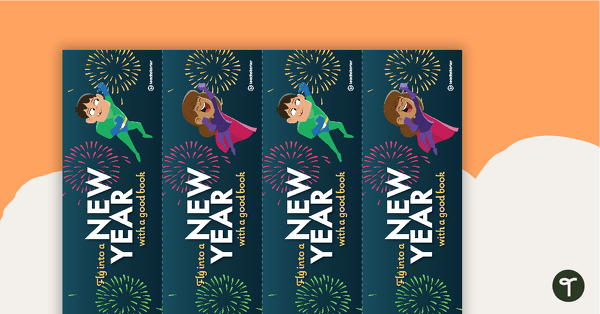
'Fly into a New Year' Bookmark
A bookmark to give your students at the start of the new year.
- Plus Plan
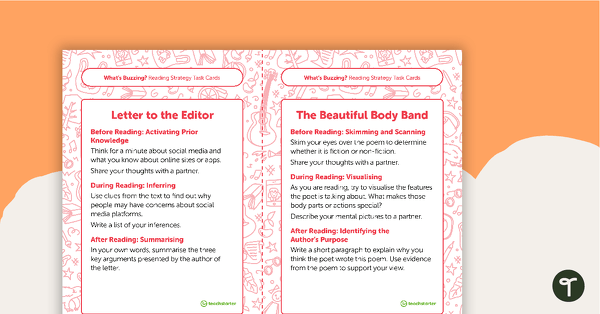
Year 4 Magazine - "What's Buzzing?" (Issue 1) Task Cards
A set of five literacy rotation task cards to be used in conjunction with Issue 1 of Teach Starter's Year 4 magazine.
- Plus Plan
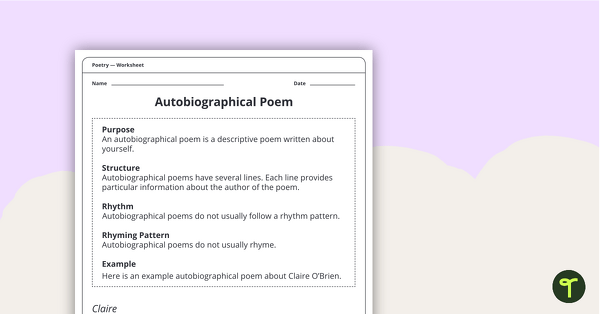
Writing an Autobiographical Poem Worksheet
A 2 page worksheet for students to use when learning how to write an autobiographical poem.
- Plus Plan
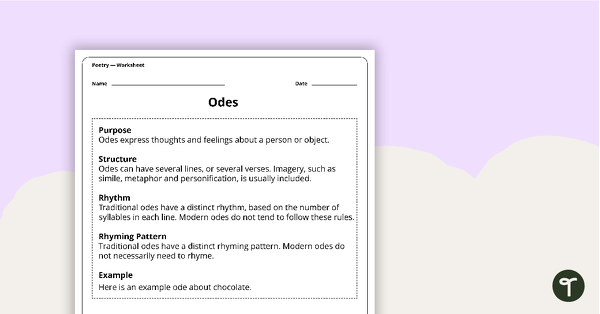
Writing an Ode Worksheet
A 2 page worksheet for students to use when learning how to write an ode.
- Plus Plan
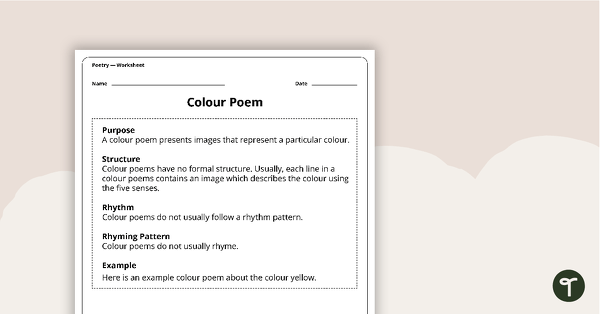
Writing a Colour Poem Worksheet
A 2 page worksheet for students to use when learning how to write a colour poem.
- Plus Plan
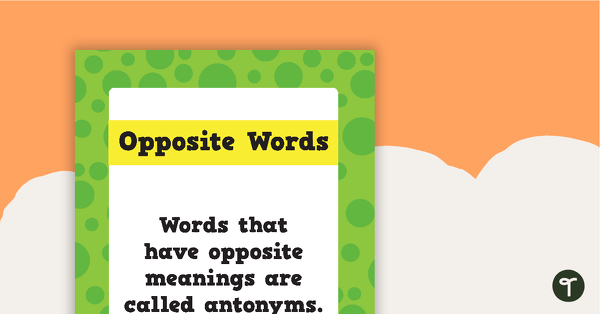
Antonym Flashcards
19 flashcards to assist with your students' understanding of antonyms.
- Plus Plan
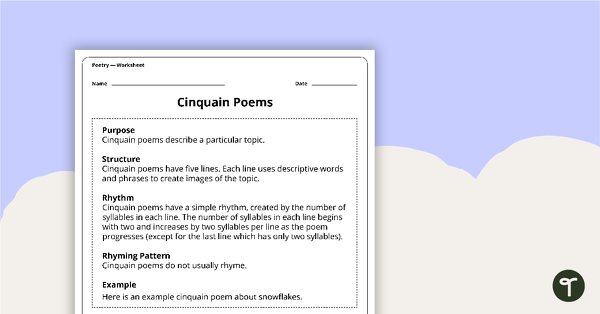
Writing a Cinquain Poem Worksheet
A 2 page worksheet for students to use when learning how to write a cinquain poem.
- Plus Plan
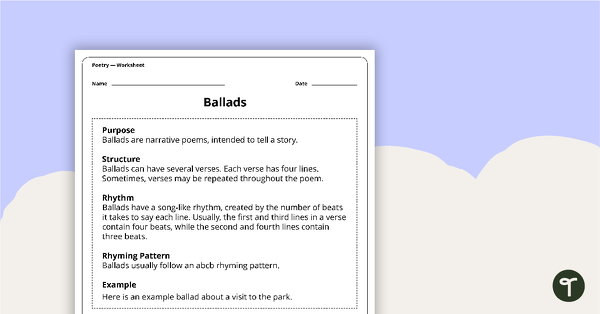
Writing a Ballad Worksheet
A 2 page worksheet for students to use when learning how to write a ballad.
- Plus Plan
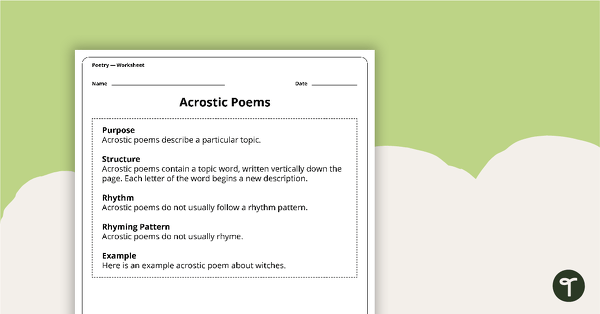
Writing an Acrostic Poem Worksheet
A 2 page worksheet for students to use when learning how to write an acrostic poem.
- Plus Plan
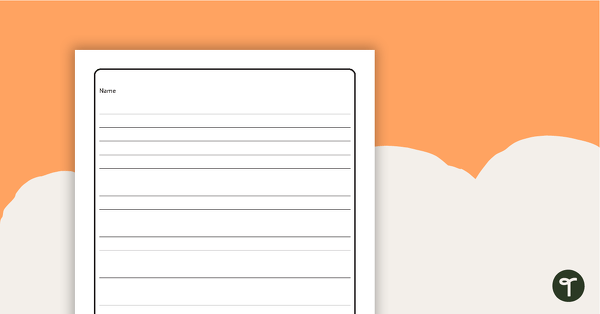
Journalism and News - Lined Writing Paper
A journalism and news themed writing page.
- Plus Plan
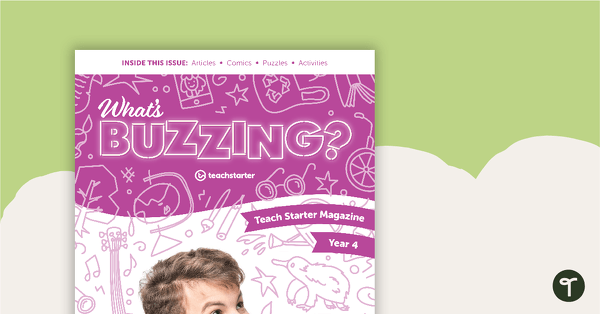
Year 4 Magazine - What's Buzzing? (Issue 1)
A beautifully designed, 24-page reading magazine specifically designed for Year 4 students.
- Plus Plan
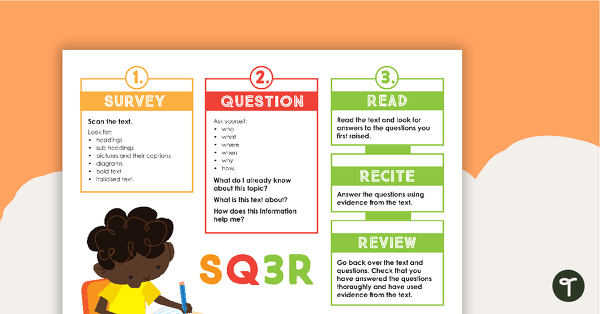
SQ3R Survey, Question, Read, Recite and Review Poster
A poster highlighting the SQ3R (Survey, Question, Read, Recite and Review) reading strategy.
- Plus Plan
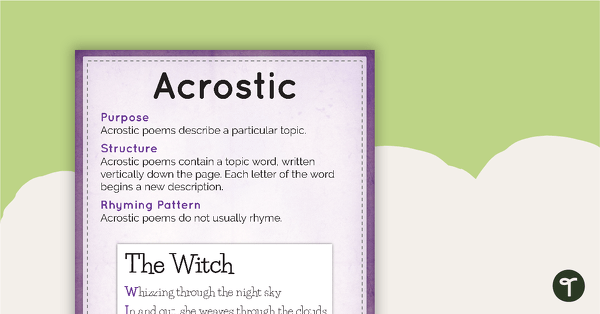
Forms of Poetry Posters with Annotations
A set of 9 annotated posters to use when introducing structured forms of poetry.
- Plus Plan
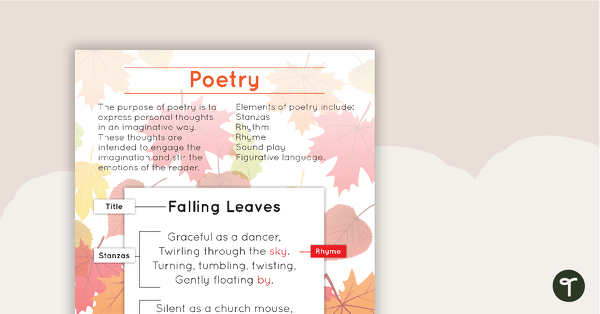
Poetry Poster With Annotations
A poster about poetry, including an annotated example.
- Plus Plan
Forms of Poetry PowerPoint
A 28 slide editable PowerPoint template the use when introducing students to structured forms of poetry.
- Plus Plan
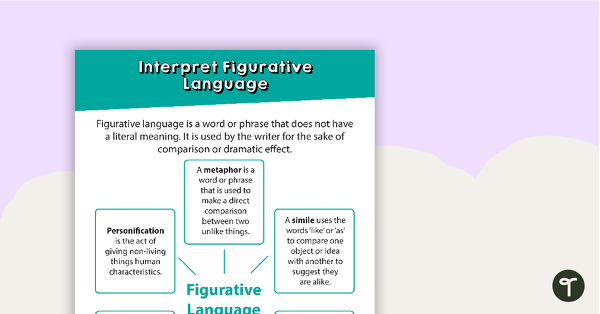
Interpret Figurative Language Poster
A poster highlighting how to interpret figurative language when reading a piece of text.
- Plus Plan
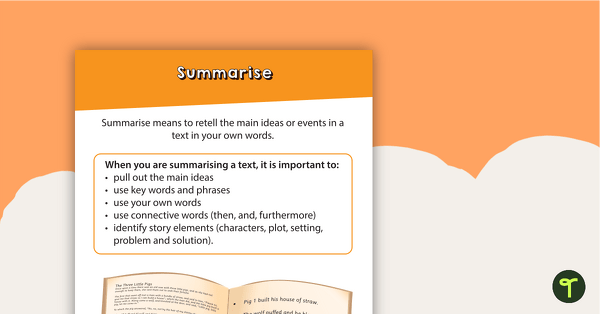
Summarise Poster
A poster highlighting how to summarise when reading a piece of text.
- Plus Plan

Won and One Homophones Poster
An educational poster for the homophones won and one.
- Plus Plan
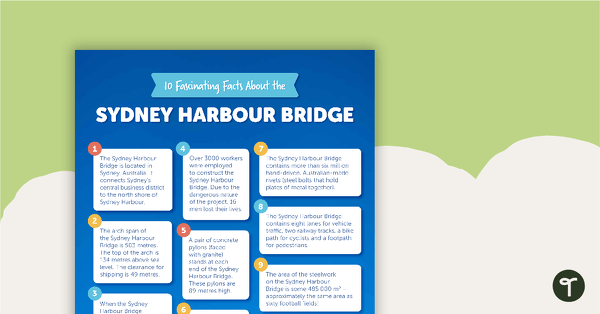
10 Fascinating Facts About the Sydney Harbour Bridge – Comprehension Worksheet
A comprehension worksheet for an article including ten facts about the Sydney Harbour Bridge in Australia.
- Plus Plan
Question-Answer Relationship (QAR) Posters - Individual
Four posters highlighting the different strategies involved with the QAR comprehension strategy.
- Plus Plan
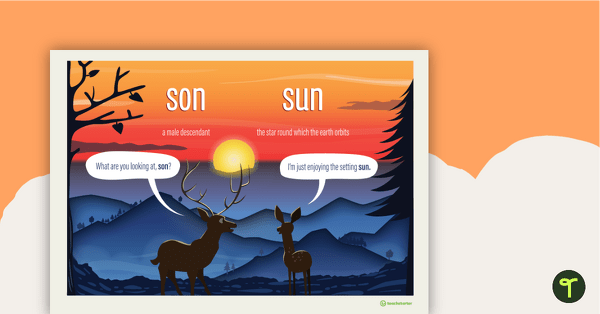
Son and Sun Homophones Poster
An educational poster for the homophones son and sun