S.3.1
The student asks questions, identifies problems, and plans and safely conducts classroom, laboratory, and field investigations to answer questions, explain phenomena, or design solutions using appropriate tools and models.
The student is expected to:
- Plus Plan
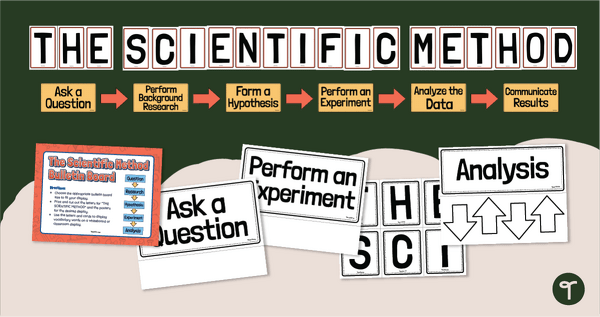
Scientific Method Bulletin Board Set
Use a Scientific Method Bulletin Board set to introduce your students to the steps in the scientific process.
- Plus Plan
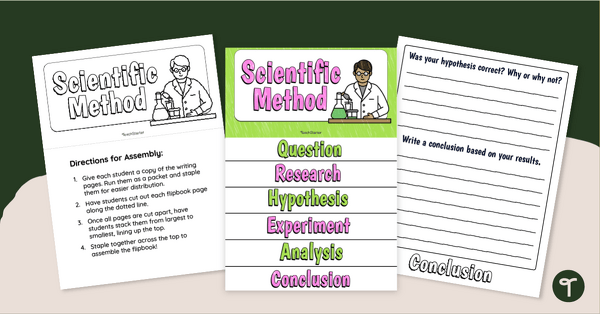
Scientific Method Flip Book Template
Create a Scientific Method Flip Book to record scientific predictions, observations, and conclusions with a printable science flip book template.
- Plus Plan
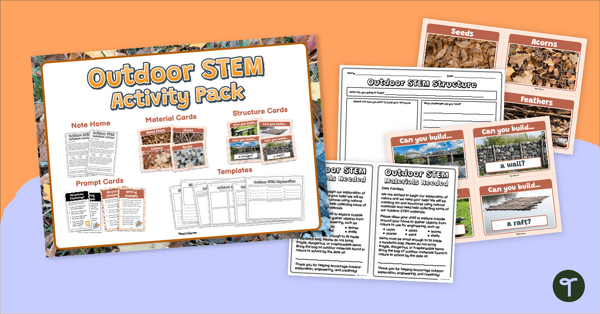
Outdoor STEM Activities Resource Pack
Take your STEM lessons outside with our printable Outdoor STEM Activities Resource Pack.
- Free Plan
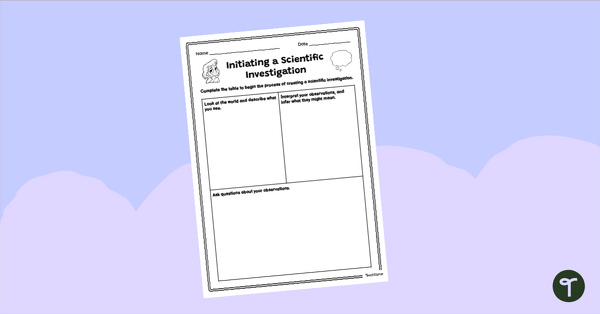
Starting a Scientific Investigation Worksheet
Help students begin the process of a scientific investigation with an introduction to the scientific method activity sheet.
- Plus Plan
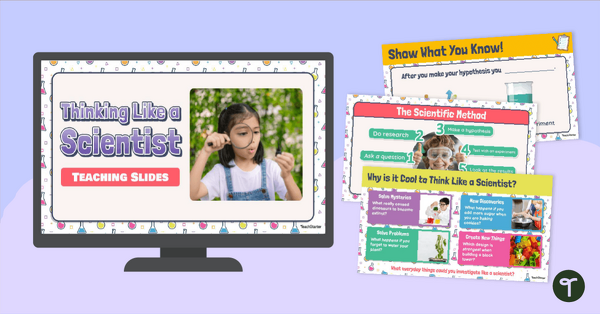
PowerPoint on the Scientific Method - Thinking Like a Scientist
Introduce your students to the scientific process with an interactive PowerPoint on the scientific method.
- Plus Plan
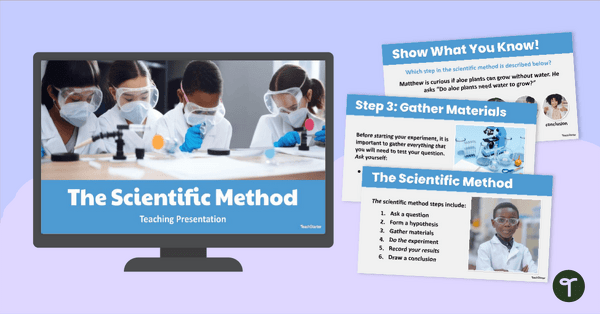
Exploring the Scientific Method Teaching Slides - Lower Grades
Complete your introductory scientific method lesson plan with a ready-made Scientific Method Teaching Presentation!
- Free Plan
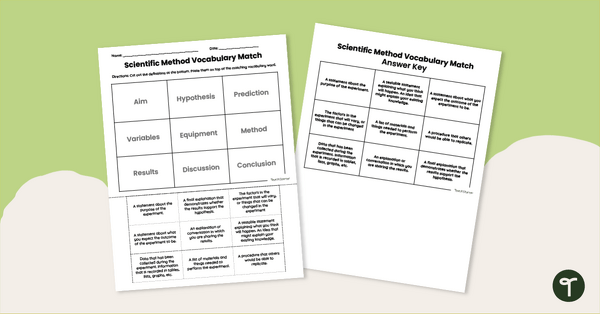
Scientific Method Worksheet - Vocabulary Match
Use a Scientific Method Worksheet to review key science experiment vocabulary words.
- Plus Plan
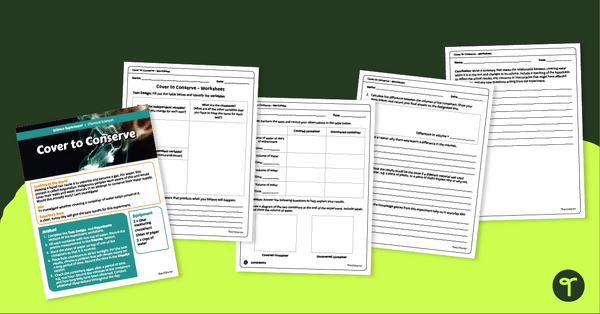
Evaporation Experiment - Cover to Conserve
Investigate if evaporation can be reduced by covering a body of water with a hands on Evaporation Experiment.
- Plus Plan
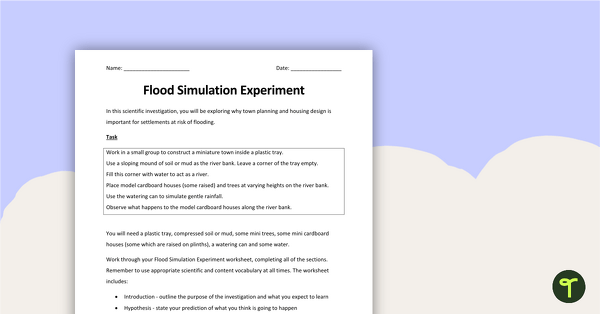
Natural Disasters - Flood Simulation Experiment
A hands-on experiment to use when exploring natural disasters.
- Plus Plan
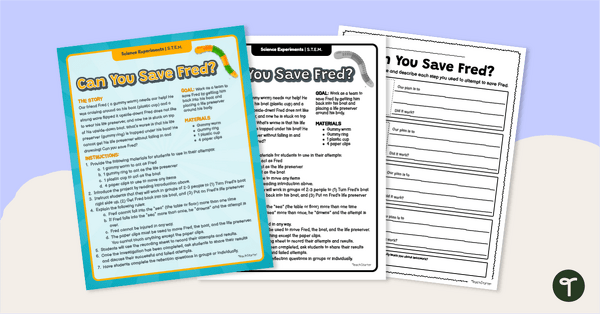
Can You Save Fred? Activity
Can You Save Fred? Encourage teamwork and resilience with a fun, hands-on problem-solving and team-building STEM activity.
- Plus Plan
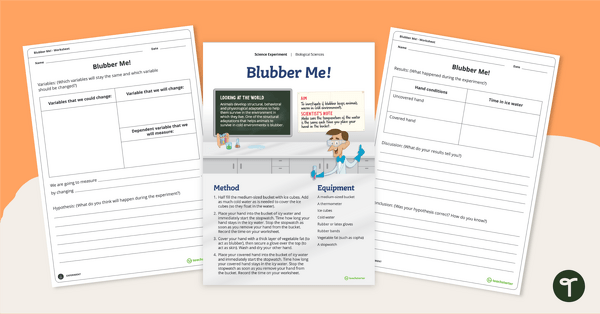
Animal Blubber Experiment - Polar Adaptations Activity
Explores the structural adaptation of blubber with an Arctic Animal Adaptation experiment..
- Plus Plan
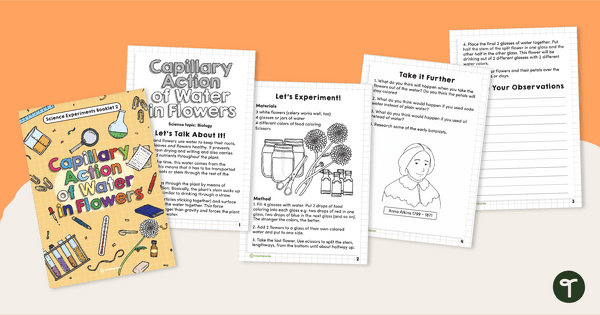
Capillary Action in Plants - Science Experiment Booklet
Observe and record learning about the Capillary Action of Plants with a printable science experiment guidebook.
- Plus Plan
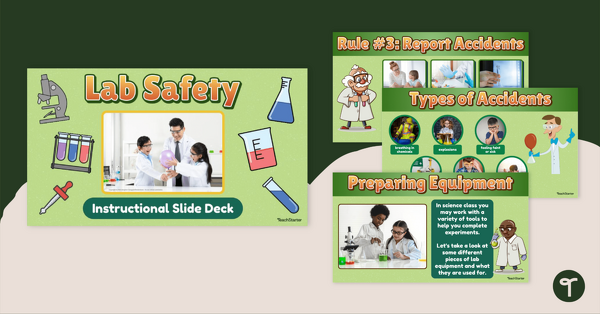
Lab Safety Teaching Slides
Teach your students about the important of science safety before conducting experiments with this 18-slide instructional slide deck.
- Plus Plan
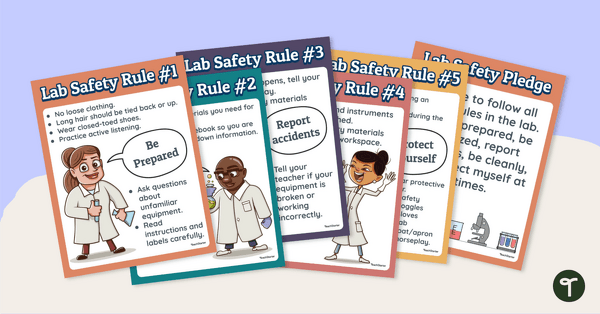
Science Lab Safety Rules – Poster Pack
Remind your students of lab safety rules with this set of 6 printable posters.
- Plus Plan
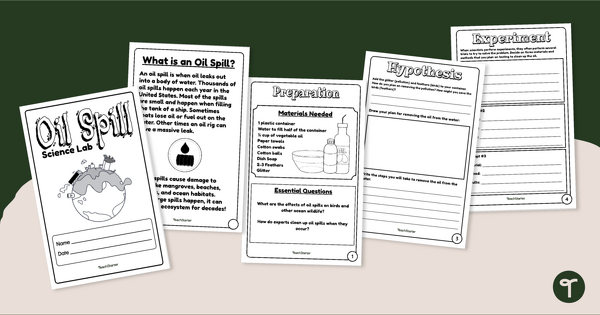
Oil Spill Experiment
Investigate water pollution and discover the effects of oil spills on wildlife with a hands-on oil spill experiment
- Free Plan
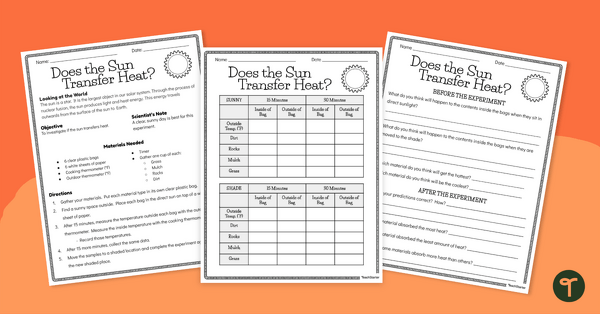
Does the Sun Transfer Heat? – Science Experiment
Discover how the sun transfers thermal energy and which objects absorb more heat with this science experiment for kids.
- Plus Plan
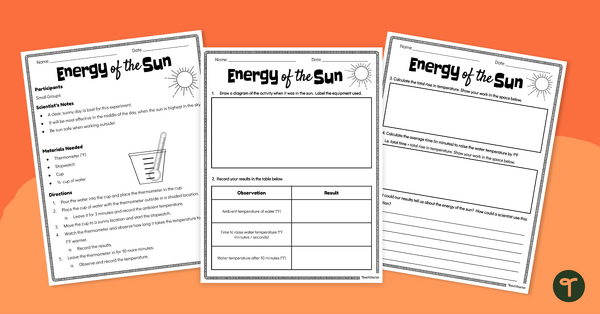
Energy of the Sun Worksheet
Investigate and record the amount of energy from the sun with this science experiment for kids.
- Plus Plan
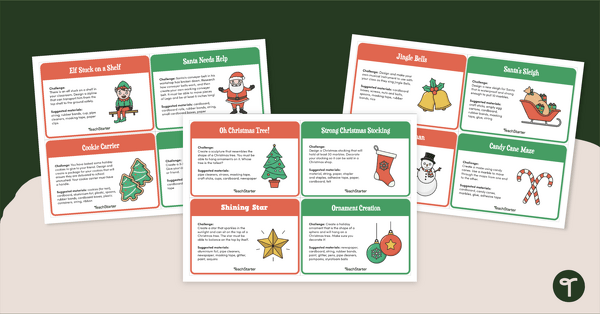
Christmas STEM Challenge Cards - STEM Activities for Elementary
A set of 12 Christmas STEM activity cards for your students to enjoy during the holiday season.
- Free Plan
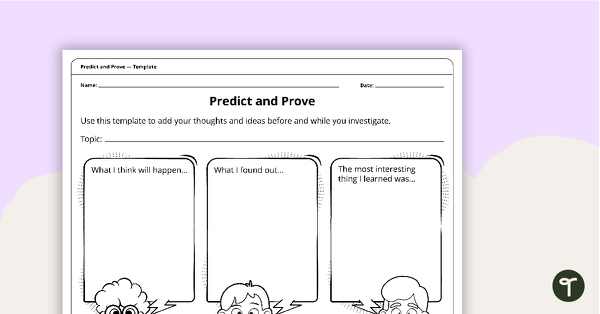
Predict and Prove – Template
A template to help introduce making a hypothesis before starting an investigation.
- Plus Plan
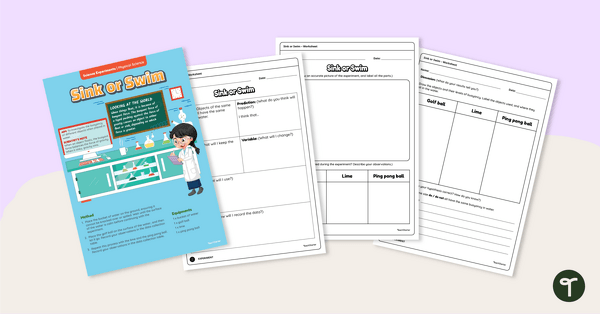
Buoyancy Experiment – Sink or Swim
Use this practical buoyancy experiment when teaching your students about why some objects float in water while others sink.
- Plus Plan
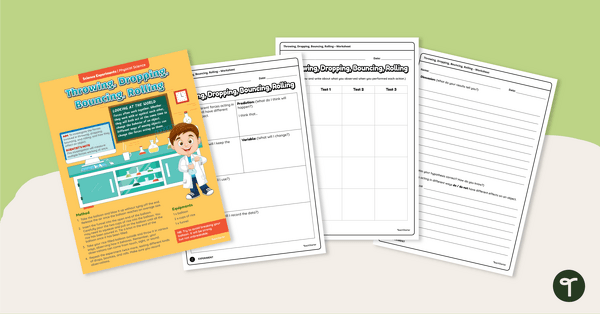
Force and Motion Experiment – Throwing, Dropping, Bouncing, Rolling
Use this hands-on force and motion experiment when teaching your students about how forces influence the movement of objects.
- Free Plan
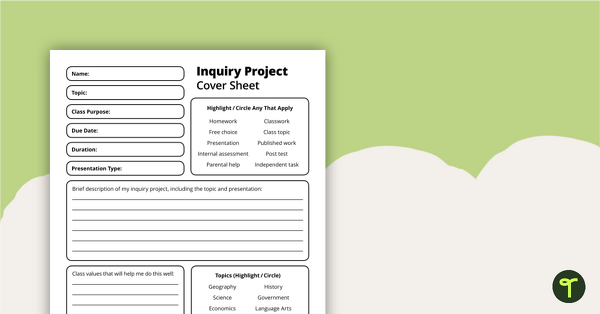
Inquiry Project - Template
A diverse template to help students craft inquiry questions to produce different types of research projects.
- Plus Plan
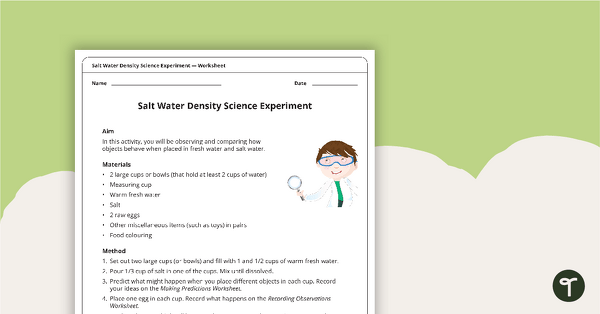
Salt Water Density Experiment
A hands-on science experiment about salt water density.
- Plus Plan
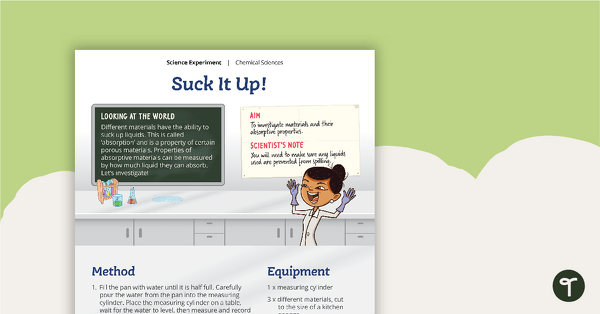
Science Experiment - Suck It Up!
A science experiment which investigates the absorptive properties of various materials.
- Plus Plan
Freedom of Choice PowerPoint - Developing Scientific Lines of Questioning
A teaching presentation discussing the development of scientific lines of questioning.
- Free Plan
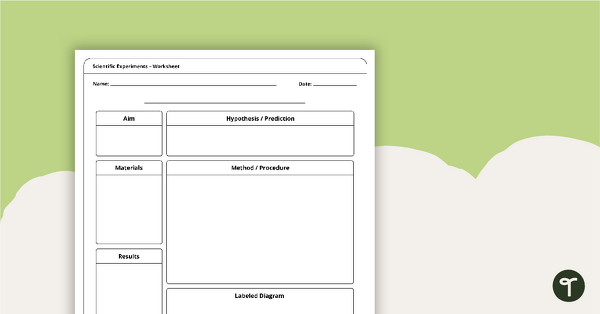
Science Experiment Recording Sheet
A recording sheet to use when completing a Science experiment.
- Plus Plan

Slime - Solid, Liquid, or Gas?
A 60-minute lesson in which students will recognize that not all substances can be easily classified on the basis of their observable properties.