VC2E4LY09
use comprehension strategies, such as visualising, predicting, connecting, summarising, monitoring and questioning, to expand topic knowledge and ideas, and begin to evaluate texts to build literal and inferred meanings
- making connections between information in print, images and sound
- reading or listening for key topic-specific vocabulary words to build understanding
- reading or listening to interpret the main idea and supporting ideas
- identifying evidence and reasoning used by authors to support points or arguments
- applying self-monitoring strategies such as re-reading, pausing and questioning, and self-correction strategies such as confirming and cross-checking
- connecting the use of colours, images, symbols and patterns in texts by Aboriginal and Torres Strait Islander authors and illustrators
- evaluating an author’s use of evidence to support arguments
- Plus Plan
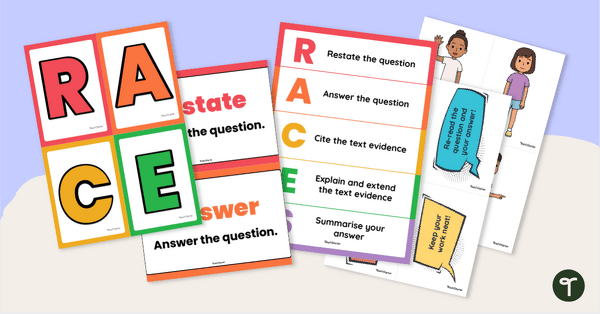
R.A.C.E.S. Constructed Response Writing Classroom Display
Help your students write evidence-based responses to text with a printable R.A.C.E.S. Writing Strategy classroom display.
- Plus Plan
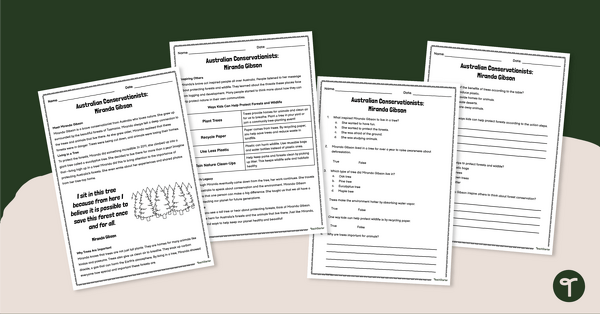
Australian Conservationists: Miranda Gibson – Comprehension Worksheet
Learn about Miranda Gibson and her conservation work with this 2-page reading passage and accompanying comprehension questions.
- Plus Plan
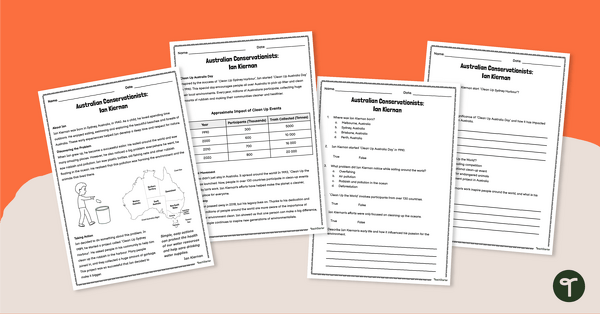
Australian Conservationists: Ian Kiernan – Comprehension Worksheet
Learn about Ian Kiernan and his conservation work with this 2-page reading passage and accompanying comprehension questions.
- Plus Plan
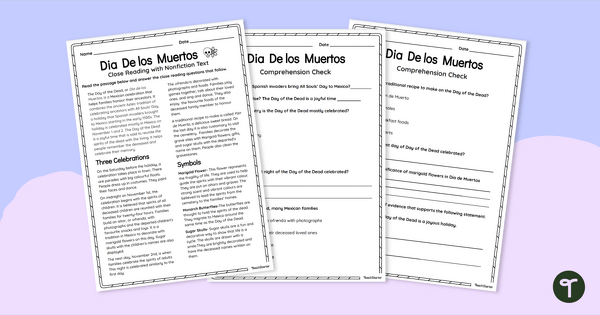
Year 4 Reading Comprehension - The Day of the Dead Reading Passage
Read and learn about the Mexican holiday, Dia De Los Muertos, with a reading passage and Year 4 reading prose comprehension test.
- Plus Plan
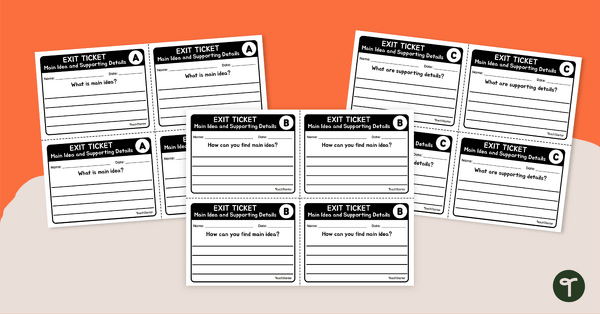
Main Idea Exit Tickets
Check for understanding of the main idea and supporting detail with these exit tickets.
- Plus Plan
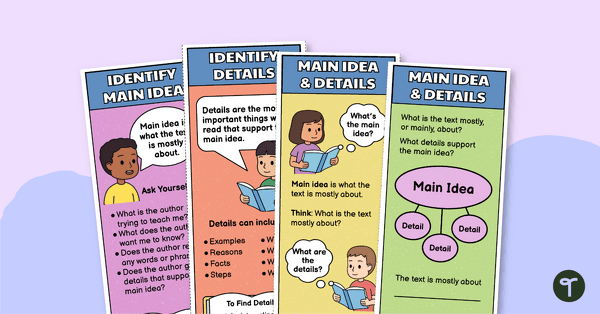
Main Idea and Supporting Details Bookmarks
Learn about how to find the main idea and supporting detail in texts with these printable bookmarks.
- Free Plan
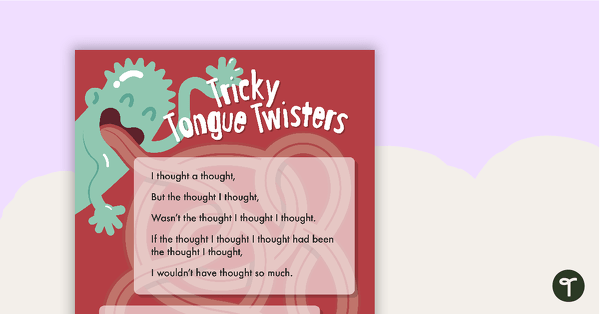
Tricky Tongue Twisters – Worksheet
A comprehension worksheet for a magazine article from the Year 3 magazine (Issue 3).
- Free Plan
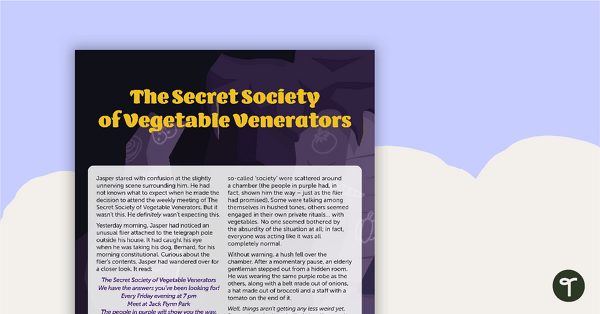
The Secret Society of Vegetable Venerators – Worksheet
A comprehension worksheet for a narrative from the Year 5 magazine (Issue 2).
- Plus Plan
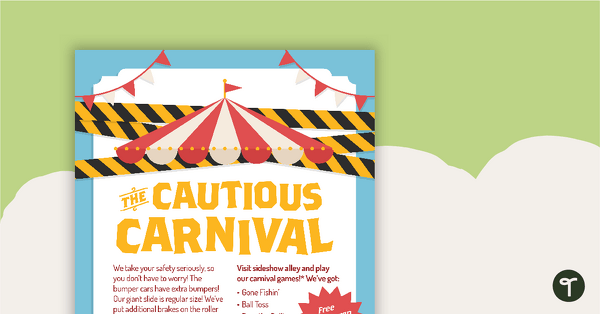
The Cautious Carnival – Worksheet
A comprehension worksheet for a fake advertisement from the Year 3 magazine (Issue 3).
- Plus Plan
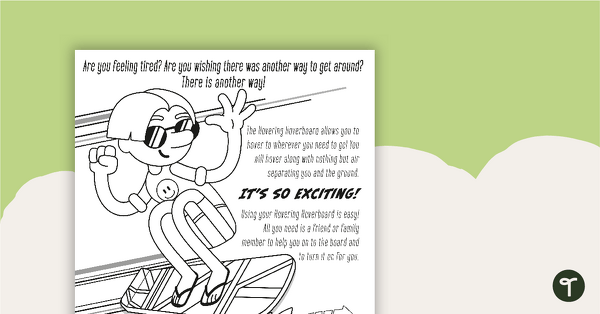
The Hovering Hoverboard – Worksheet
A comprehension worksheet for a fake advertisement from the Year 3 magazine (Issue 2).
- Plus Plan
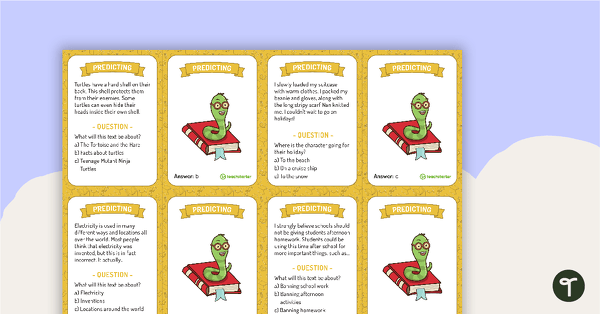
Out of the Book - Comprehension Board Game
A fun comprehension strategy board game for students to play during literacy rotations.
- Plus Plan
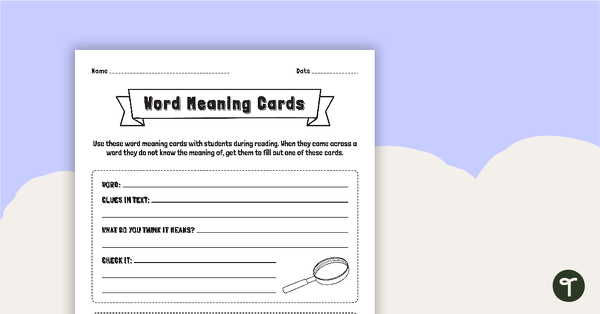
Finding Word Meaning In Context - Word Meaning Cards
A teaching resource to help teach your students how to find word meaning in context.
- Plus Plan
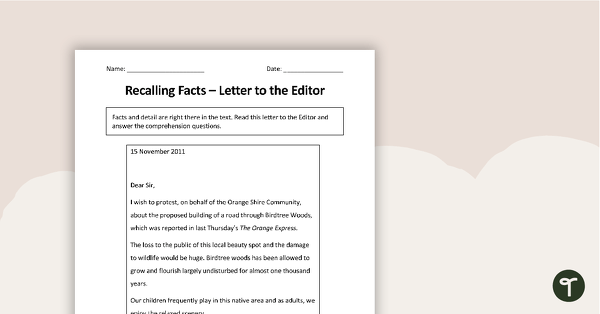
Recalling Facts - Letter to the Editor Activity
A worksheet to use when teaching students how to recall facts and details when reading.
- Plus Plan
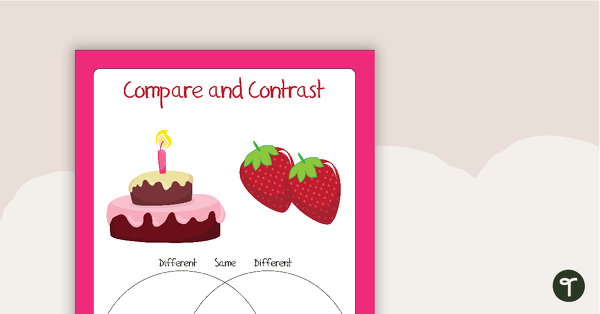
Compare and Contrast - Objects Worksheets
A pack of 5 worksheets comparing and contrasting pictures of similar objects.
- Plus Plan
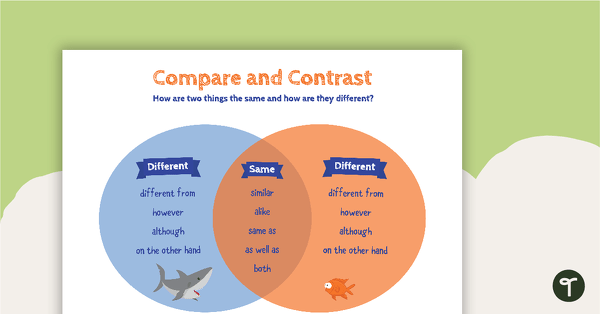
Compare and Contrast - Vocabulary Poster
A poster detailing vocabulary used when comparing and contrasting.
- Plus Plan
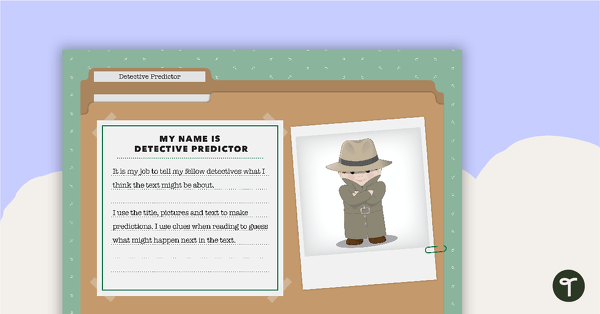
Reading Detectives Resource Pack
A 16 page resource pack including 8 detective roles to assign to students during guided reading sessions.
- Plus Plan
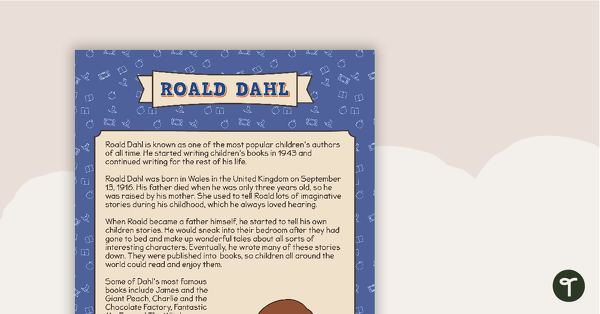
Comprehension - Roald Dahl
A comprehension activity using a biography of Roald Dahl.
- Free Plan
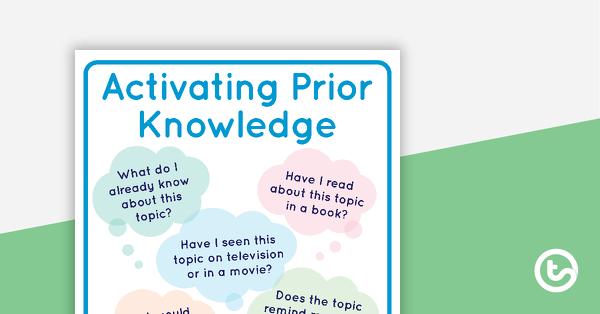
Activating Prior Knowledge - Comprehension Strategy Poster
A poster explaining how to activate prior knowledge before reading.
- Plus Plan
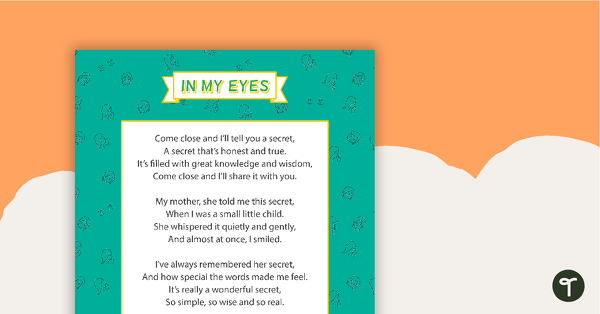
In My Eyes (Poem) - Comprehension
A comprehension activity using poetry.
- Plus Plan
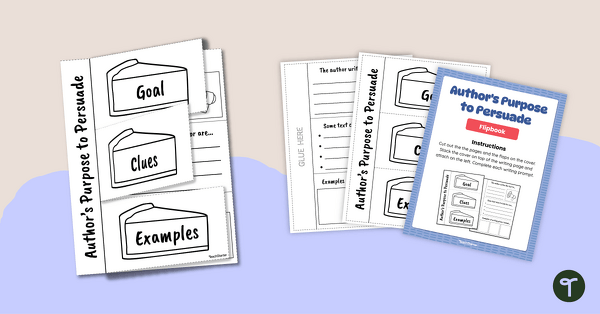
Author’s Purpose to Persuade Flipbook
Help students explore the Author’s Purpose to Persuade with this engaging and interactive flipbook.
- Plus Plan
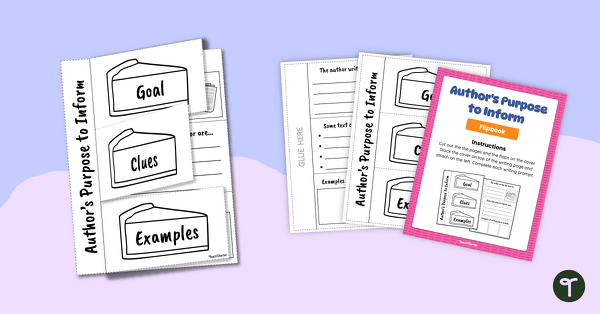
Author’s Purpose to Inform Flipbook
Help students explore the Author’s Purpose to Inform with this engaging and interactive flipbook!
- Plus Plan
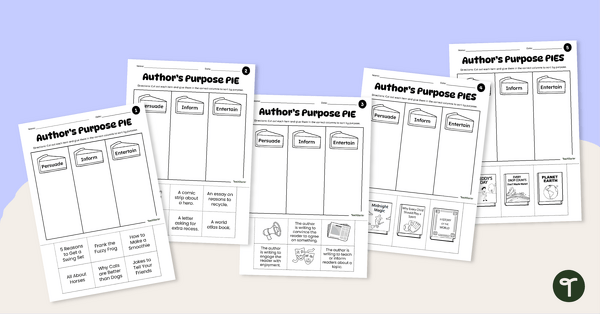
Author’s Purpose Pie Worksheet Set
Practise Author’s Purpose knowledge with this set of Author’s Purpose Worksheets.
- Plus Plan
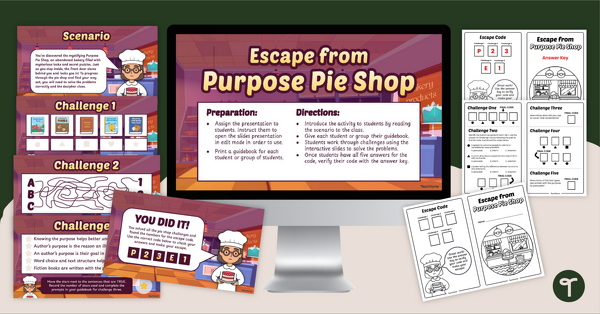
What is the Author's Purpose? Escape Room
Get your students excited to practise understanding what is the author’s purpose with this engaging escape room activity.
- Plus Plan
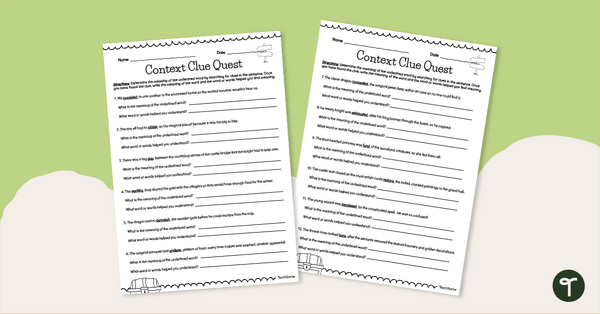
Context Clues - Printable Word Meaning Worksheet
Download a Context Clues - Printable Word Meaning Worksheet to help your students practice finding word meaning in context.
- Plus Plan
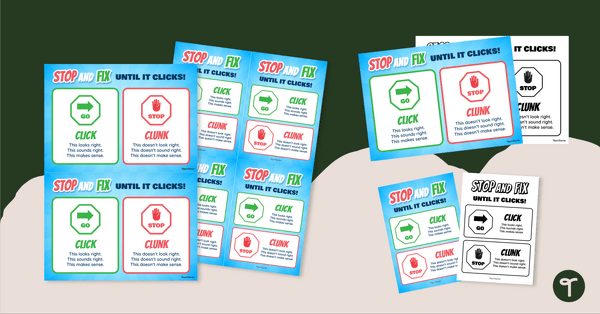
Click or Clunk Strategy Poster and Desk Mat
Explore the click and clunk reading strategy with your students using this poster and desk mat set.
- Plus Plan
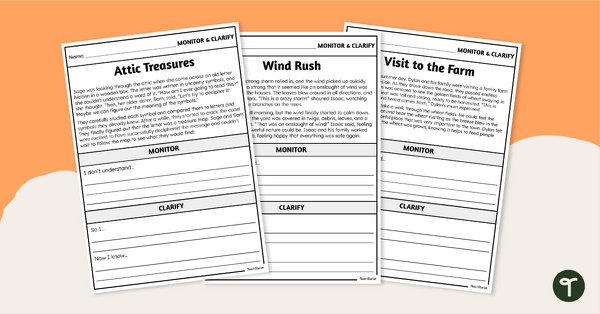
Monitor and Clarify Reading Strategy Worksheets
Help students monitor and clarify while reading using these Monitor and Clarify Reading Strategy Worksheets.
- Plus Plan
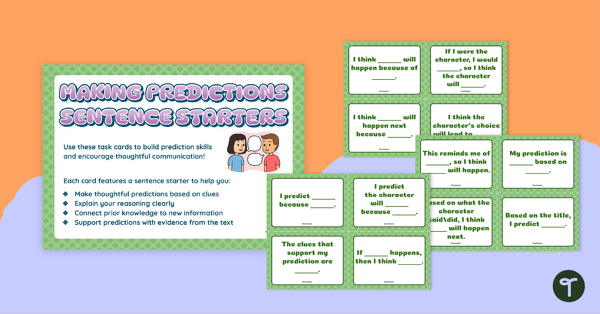
Making Prediction Sentence Starter Flashcards
Use these Making Prediction Sentence Starter Flashcards to guide students in making accurate predictions using prompts.
- Plus Plan
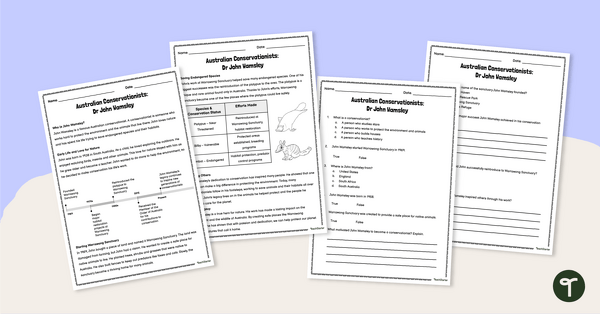
Australian Conservationists: John Walmsley – Comprehension Worksheet
Learn about Dr John Walmsley and his conservation work with this 2-page reading passage and accompanying comprehension questions.
- Plus Plan
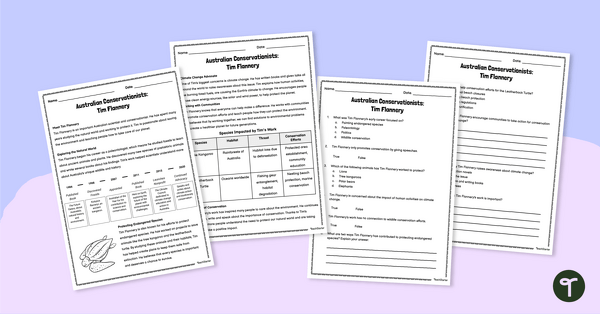
Australian Conservationists: Tim Flannery – Comprehension Worksheet
Learn about Tim Flannery and his conservation work with this 2-page reading passage and accompanying comprehension questions.
- Plus Plan
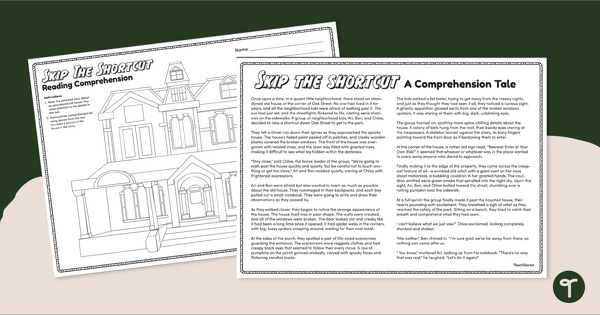
Halloween Printables - Read and Draw Worksheet
Practise comprehension skills with an exciting Halloween reading comprehension worksheet for year 4.
- Plus Plan
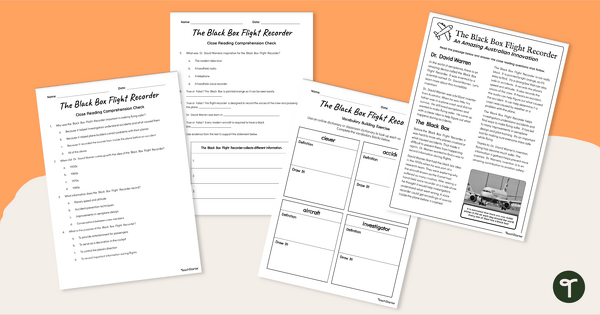
Australian Inventions — The Black Box Comprehension Worksheets
Discover amazing Australian inventions like the Black Box In-Flight data recorder with a printable reading comprehension activity.
- Plus Plan
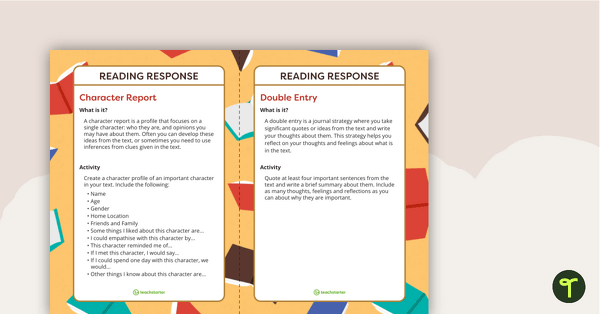
Reading Response Journal Task Cards
9 reading comprehension task cards focusing on a different skill.