Victorian Curriculum
VC2S4I02
scientific investigations to answer questions or test predictions can be planned and conducted using provided scaffolds, including identifying the attributes of fair tests, and considering the safe use of materials and equipment
- using an investigation scaffold to plan and identify what to change and what to keep the same when identifying which type of shoe has the greatest or least friction
- using a provided framework or graphic organiser to plan and identify what to change and what to keep the same when measuring if the mass of ice in a sealed container changes when melted
- predicting the interactions of forces in a game or toy design, and building and testing a prototype
- using equipment and demonstrating safe behaviours at field sites when identifying animals in field locations using call or scat identification or pitfall traps, for example wearing personal safety equipment and clothing such as gloves when working with soil
- consulting with the local Aboriginal and/or Torres Strait Islander community to guide the planning of scientific investigations, including safety considerations for field investigations
- predicting effects of changing numbers of producers and consumers, and using a virtual or role-play food chain simulation to explore possible outcomes by running the simulation several times
Show more
3 of 35
teaching resources for those 'aha' moments
- Plus Plan
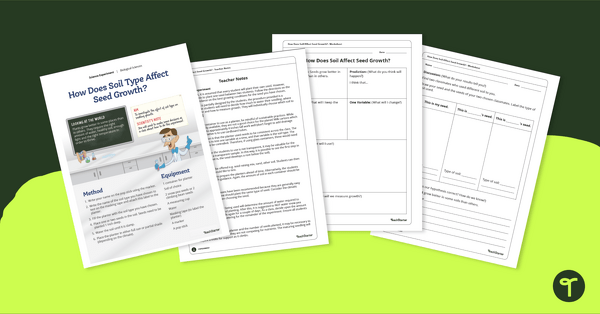
Science Experiment - How Does Soil Affect Seed Growth?
Explore the effect of soil type on growth and change of a seedling with a hands-on science experiment.
- Free Plan
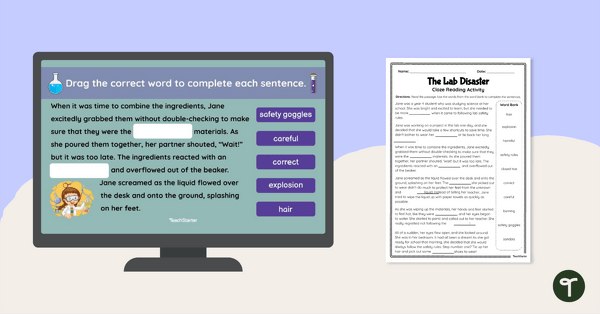
Lab Safety Interactive and Printable Cloze Reading Activity
Assess students' understanding of lab safety rules and expectations with this cloze reading activity.
- Free Plan
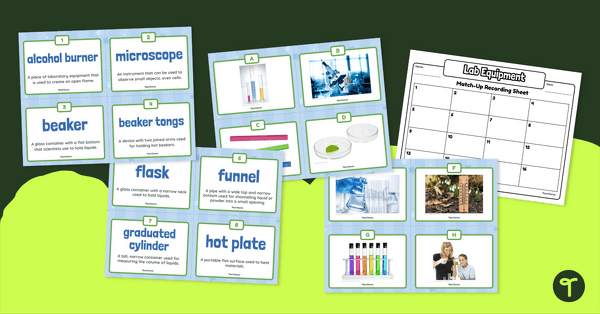
Lab Equipment Activity - Vocabulary Match
Use this lab equipment activity to identify different types of science tools by matching vocabulary terms, pictures and definitions.