English
The study of English is central to the learning and development of all young Australians. It helps create confident communicators, imaginative thinkers and informed citizens. It is through the study of English that individuals learn to analyse, understand, communicate and build relationships with others and with the world around them. The study of English plays a key role in the development of reading and literacy skills which help young people develop the knowledge and skills needed for education, training and the workplace. It helps them become ethical, thoughtful, informed and active members of society. In this light, it is clear that the Australian Curriculum: English plays an important part in developing the understanding, attitudes and capabilities of those who will take responsibility for Australia’s future.
Australia is a linguistically and culturally diverse country, with participation in many aspects of Australian life dependent on effective communication in Standard Australian English. In addition, proficiency in English is invaluable globally. The Australian Curriculum: English contributes to nation-building and to internationalisation.
The Australian Curriculum: English also helps students to engage imaginatively and critically with literature to expand the scope of their experience. Aboriginal and Torres Strait Islander Peoples have contributed to Australian society and to its contemporary literature and its literary heritage through their distinctive ways of representing and communicating knowledge, traditions and experience. The Australian Curriculum: English values, respects and explores this contribution. It also emphasises Australia’s links to Asia.
- Plus Plan
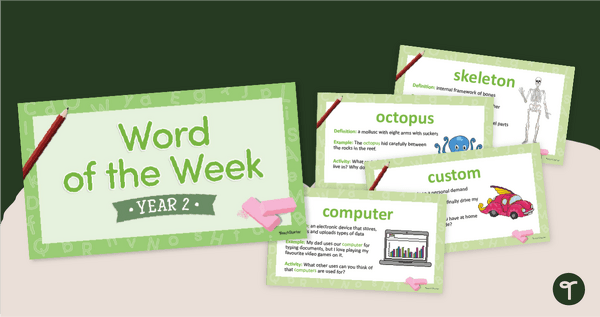
Word of the Week PowerPoint - Year 2 Vocabulary Words
A 40 slide PowerPoint Template for introducing new vocabulary to year 2 students.
- Plus Plan
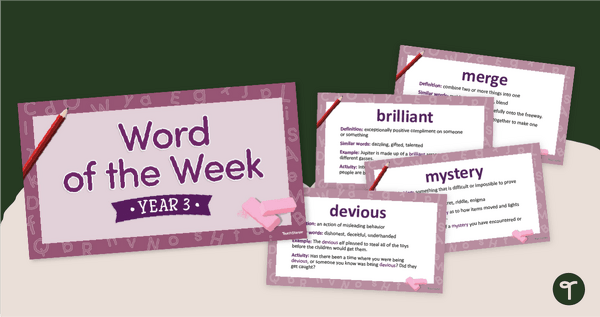
Year 3 Vocabulary Word of the Week PowerPoint
A 40 slide PowerPoint Template for introducing new Year 3 vocabulary words.
- Plus Plan
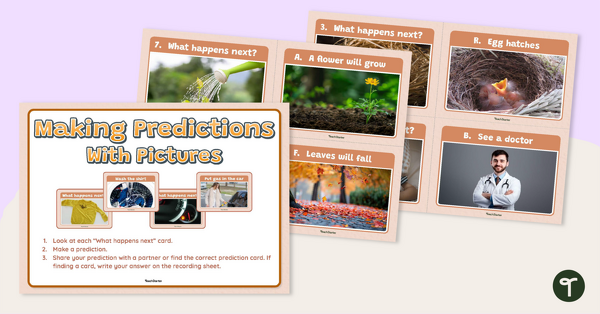
Making Predictions With Pictures Prompt Cards
Encourage early reading comprehension by using Making Predictions with Pictures Prompt Cards to help students develop critical thinking and inference skills through visual storytelling
- Plus Plan
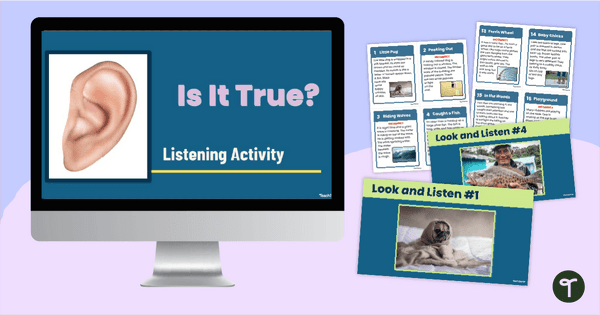
Is It True? Active Listening Activity
Improve listening skills in the classroom with an engaging 'Is It True?' Active Listening Activity.
- Plus Plan
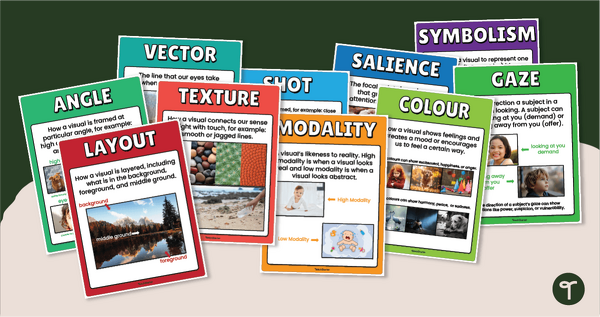
Visual Literacy Techniques Poster Pack
Teach your students how to uncover hidden meanings in images with this vibrant set of Visual Literacy Technique Posters!
- Plus Plan
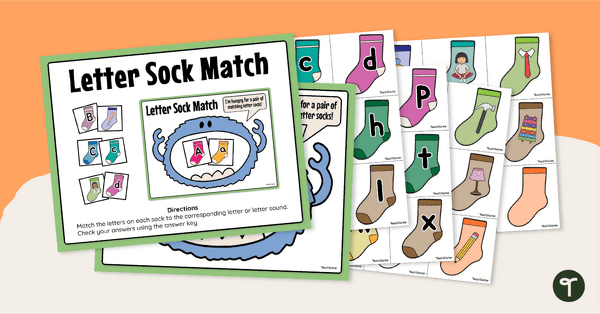
Sock Letter Matching Activity
Match socks together for a great letter matching activity where the lowercase letter, uppercase letter and beginning sounds are matched.
- Plus Plan
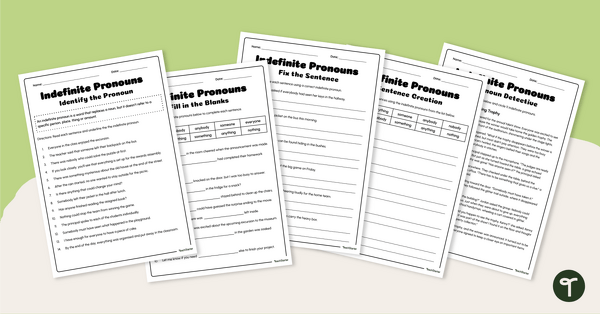
Indefinite Pronouns Worksheet Pack
Use this indefinite pronouns worksheet pack to get your students identifying and using these essential parts of speech.
- Plus Plan
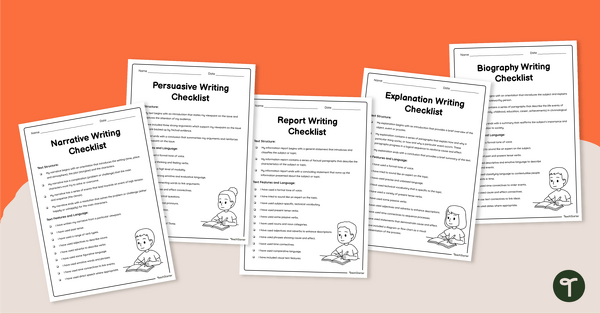
Editing and Revising Checklist Pack
Download this editing and revising checklist pack to support your students when revising and editing their written work.
- Plus Plan
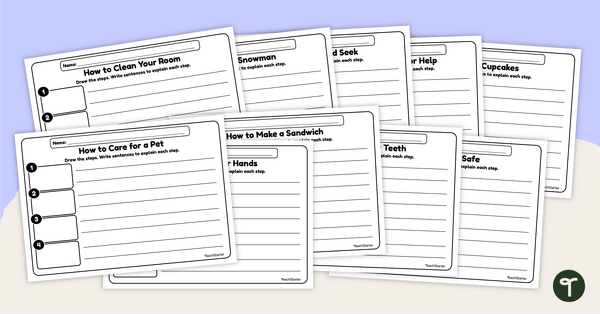
"How To" Procedural Writing Prompt Worksheets
Help your little learners write a procedural text using these handy "How to" writing prompt worksheets.
- Plus Plan
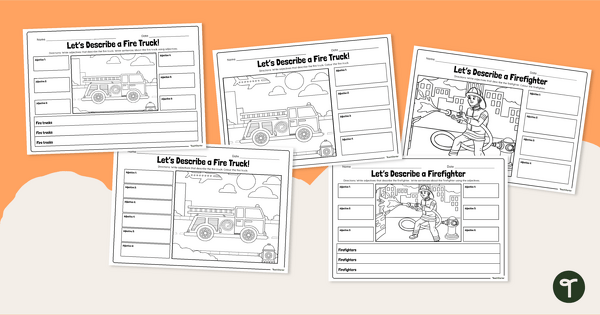
Describe a Firetruck and Fireman - Community Helper Printable
Get students exploring descriptive adjectives with these printable Fireman Community Helper worksheets, perfect for Early Years learning.
- Free Plan
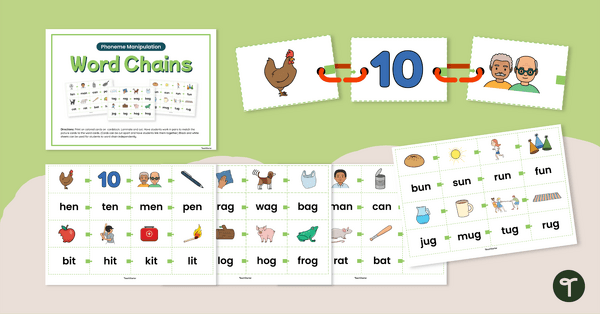
Word Chains Activity
Explore phoneme manipulation with simple words using this word chain activity.
- Plus Plan
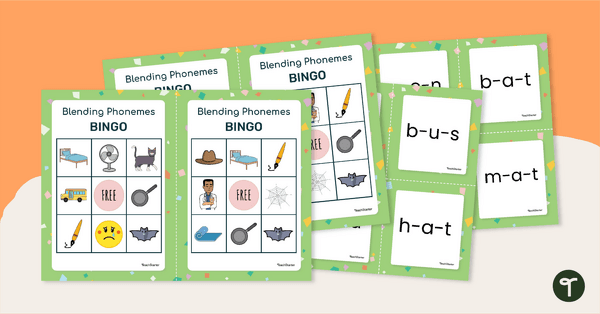
Blending Phonemes CVC Word BINGO
Practise blending phonemes to form one-syllable words with this set of 20 bingo game boards and cards.
- Plus Plan
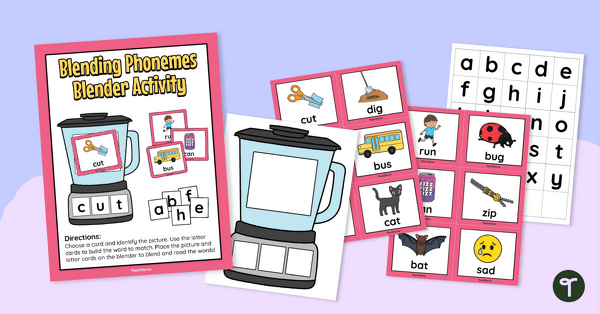
Phoneme Blending Blender Activity
Set your students up for success when learning to blend phonemes by using this fun blender activity to practice blending simple CVC words.
- Plus Plan
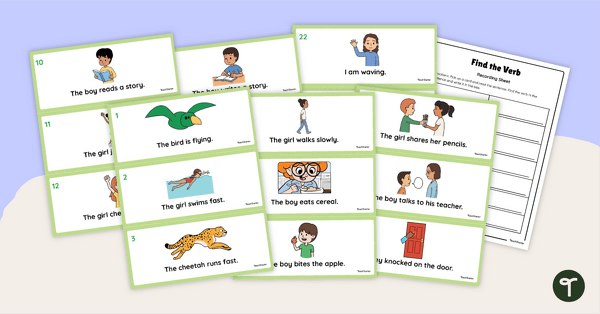
Find the Verb Task Cards
Help students recognise verbs in sentences with this set of Find the Verb task cards and recording sheet.
- Plus Plan
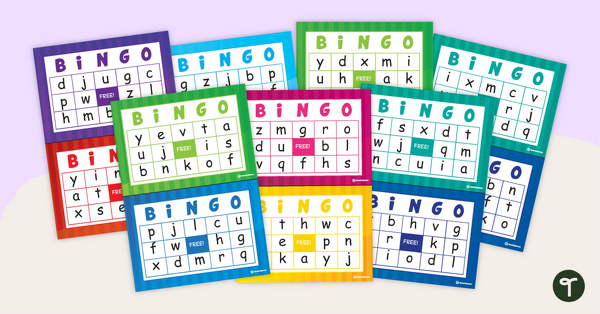
Alphabet Bingo Upper and Lowercase Recognition
Give students the opportunity to practise the recognition of lowercase and uppercase letters with this set of alphabet bingo cards.
- Plus Plan
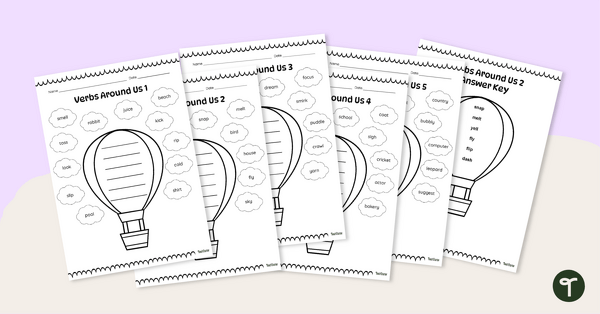
Verbs Around Us Worksheet Pack
Practise identifying verbs in a collection of words with this set of five verb worksheets.
- Plus Plan
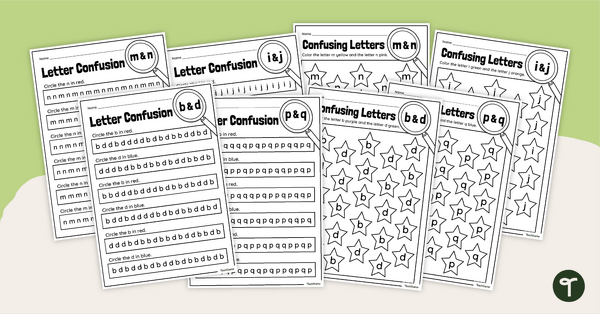
Letter Confusion Worksheets
Help students who are struggling with letter confusion with this set of 10 letter confusion worksheets.
- Plus Plan
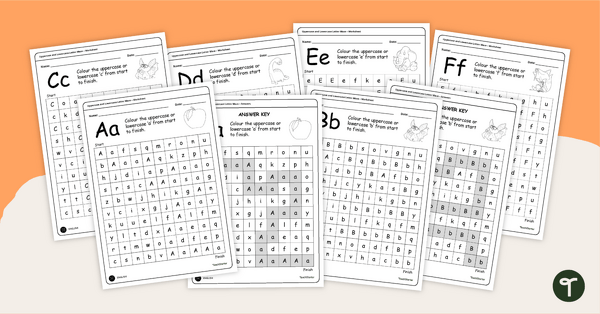
Uppercase and Lowercase Letters Maze Worksheet Set
Help students learn to recognise both uppercase and lowercase letters of the alphabet with this fun set of maze worksheets.
- Plus Plan
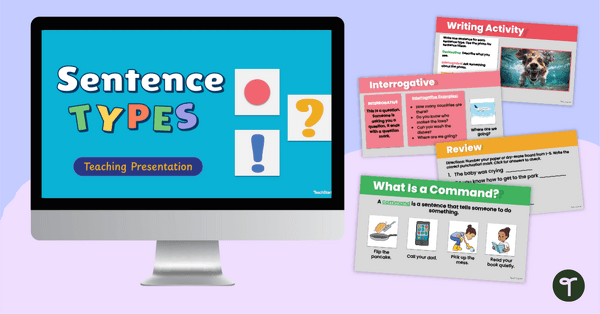
Statement, Question, Command & Exclamation Sentences PowerPoint
Introduce statement, command, question, and exclamation sentences with an interactive teaching slide deck.
- Plus Plan
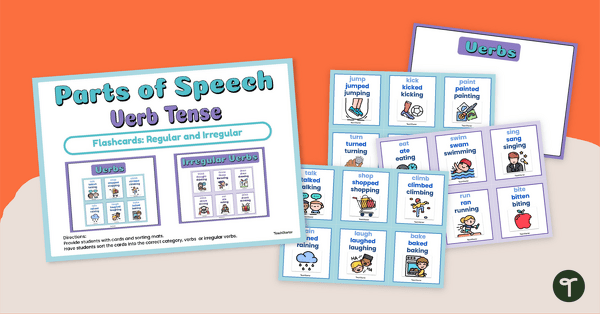
Verb Tense Regular and Irregular Sorting Activity
Help students understand the difference between a regular and irregular verb tense group with this hands-on verb sorting activity.
- Plus Plan
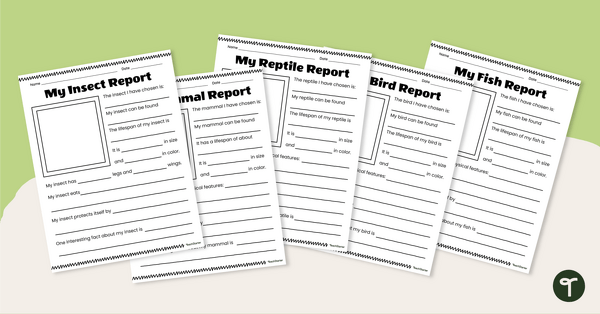
Animal Information Report Cloze Worksheets
Get your students to write a simple information report on an animal with this set of structured templates.
- Plus Plan
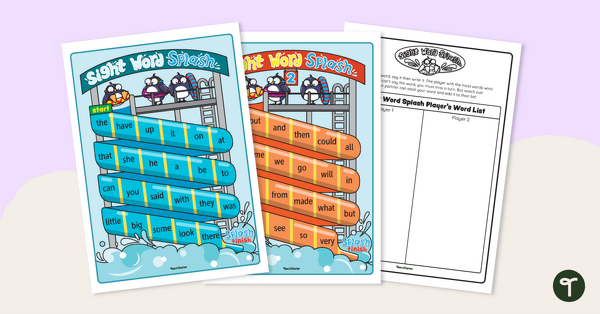
Sight Word Splash Game
Use this collaborative partner game to allow your students to practise reading and writing some of the most common high-frequency words.
- Plus Plan
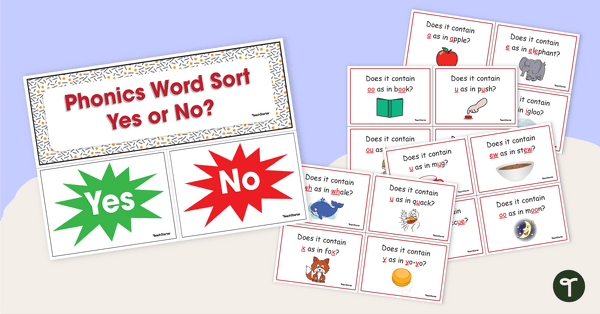
Yes or No? Phonics Sorting Activity
Use this phonics activity to help your students identify the different phonemes that make up a word.
- Plus Plan
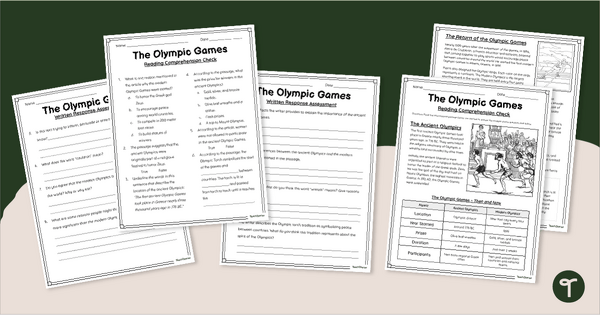
The Olympic Games - Comprehension Task
Encourage students to apply a range of comprehension and writing skills when finding out interesting fun facts about the Olympics with a printable reading comprehension task.
- Plus Plan
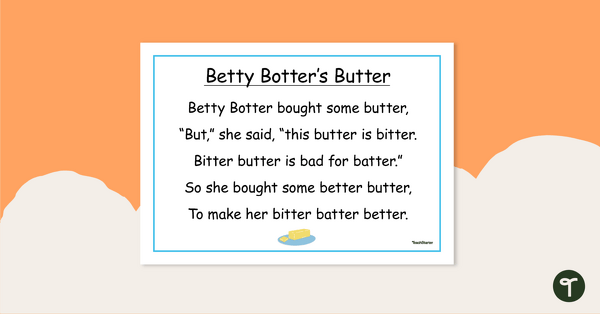
Betty Botter – Tongue Twister Poster
Use this “Betty Botter” tongue twister poster to teach your youngest students about word play and alliteration.
- Plus Plan
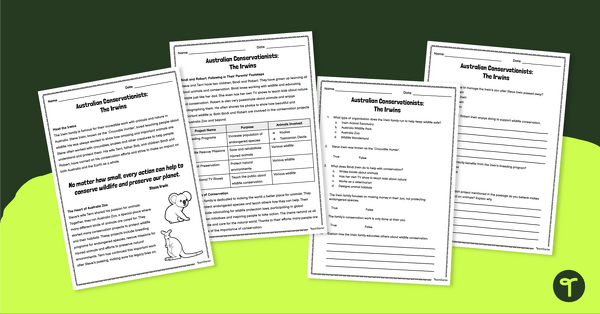
Australian Conservationists: The Irwins – Comprehension Worksheet
Learn about the Irwin family and their conservation work with this 2-page reading passage and accompanying comprehension questions.
- Plus Plan
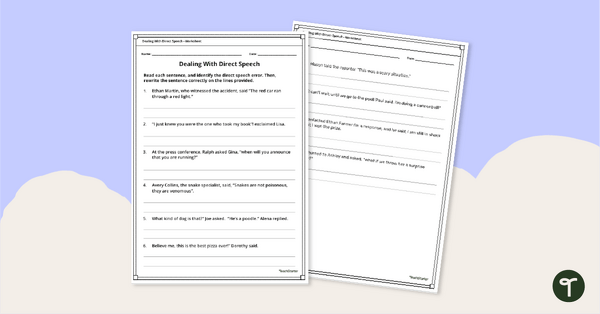
Dealing With Direct Speech - Worksheet
Use this worksheet when teaching students the rules for punctuating direct speech using double quotation marks.
- Plus Plan
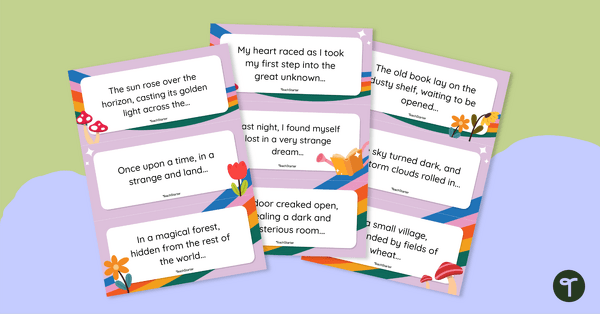
Inspiring Story Starters Task Cards
Get your students writing inspiring stories with this set of story starter task cards.
- Plus Plan
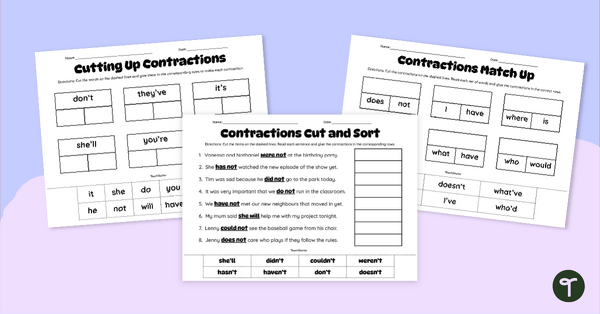
Contractions Cut and Paste Worksheet Pack
Cut up contractions and practise putting contractions together with this set of cut and paste worksheets.
- Plus Plan
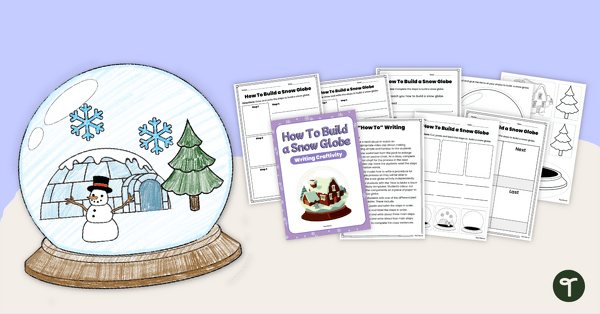
How To Build a Snow Globe – Procedural Writing Craftivity
Use this engaging, hands-on snow globe craftivity to teach your students all they need to know about procedural writing!
- Plus Plan
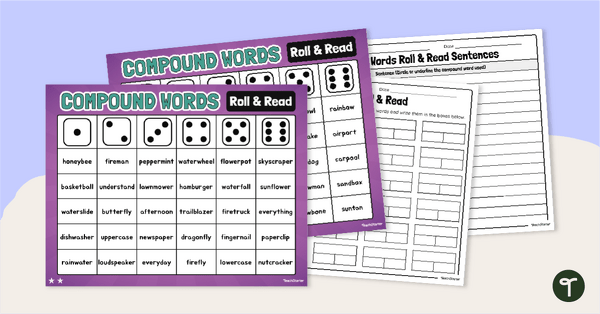
Compound Words Roll and Read Game
Roll and read compound words with a pair of printable Compound Words Roll and Read Partner Games!
- Plus Plan
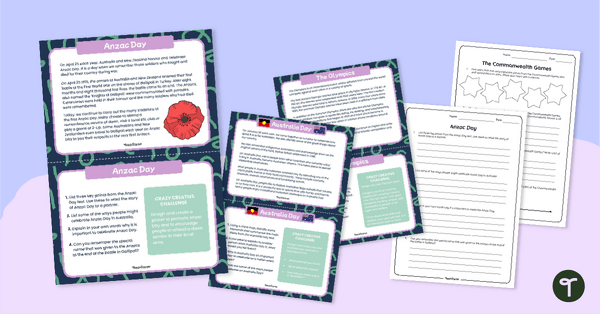
Comprehension Task Cards Summarising
Practise summarising text with these relevant events-based texts.