Examining literature
- Plus Plan
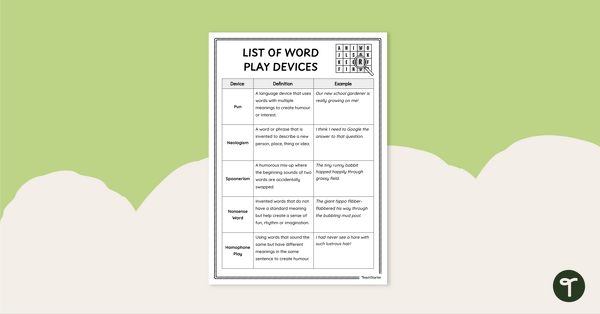
List of Word Play Examples
Download this list of word play examples to help your students recognise, interpret and use creative language techniques when reading and writing.
- Plus Plan
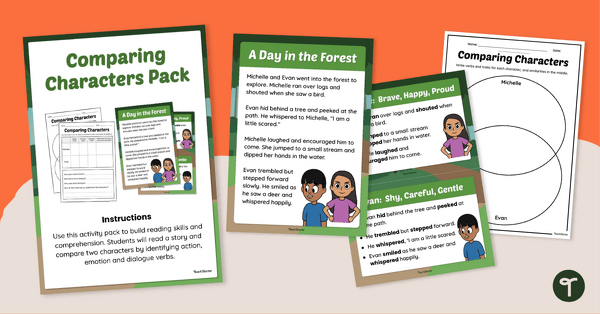
Comparing Characters Activity Pack
Use this Comparing Characters Activity Pack to help students build deeper comprehension skills by analysing how characters act, feel and speak within a story.
- Plus Plan
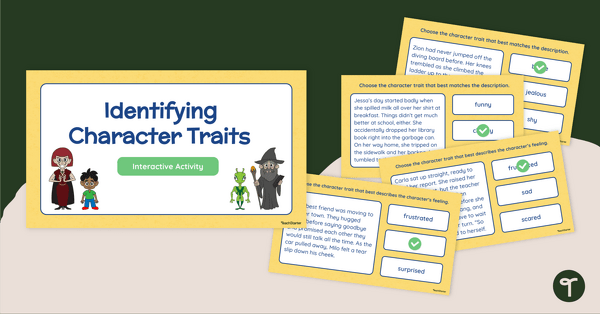
Identifying Character Traits Interactive Activity
Get your students identifying character traits with this engaging digital quiz that helps students understand how language reveals personality in writing.
- Plus Plan
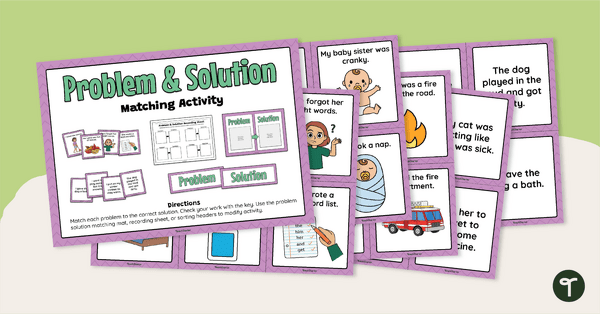
Story Problem and Solution Matching Activity
Match problems with their solutions to enhance your students' knowledge using this problem and solution matching activity.
- Plus Plan
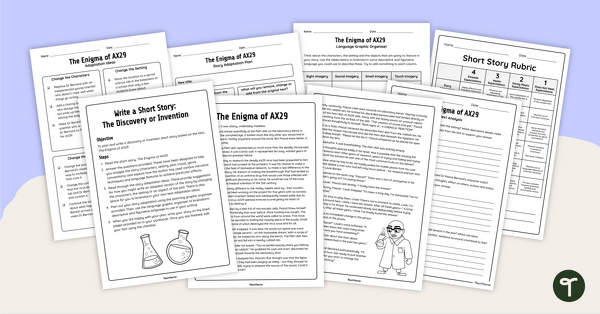
Write a Short Story – The Discovery or Invention
Get your students analysing and writing an invention story with this engaging and fully scaffolded writing project booklet.
- Plus Plan
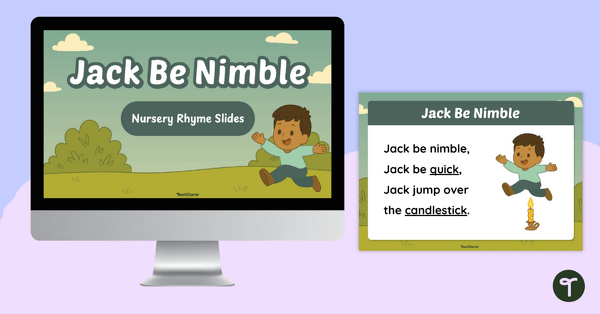
Jack Be Nimble – Nursery Rhyme Poster and PowerPoint
Use this “Jack be Nimble” nursery rhyme poster and PowerPoint to teach your youngest students about rhyme and rhythm.
- Plus Plan
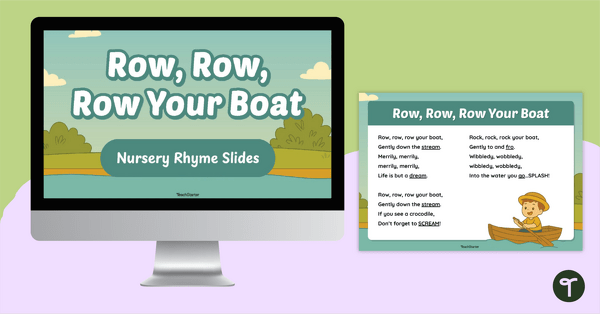
Row Row Row Your Boat – Nursery Rhyme Poster and PowerPoint
Use this “Row Row Row Your Boat” nursery rhyme poster to teach your youngest students about rhyme and rhythm.
- Plus Plan
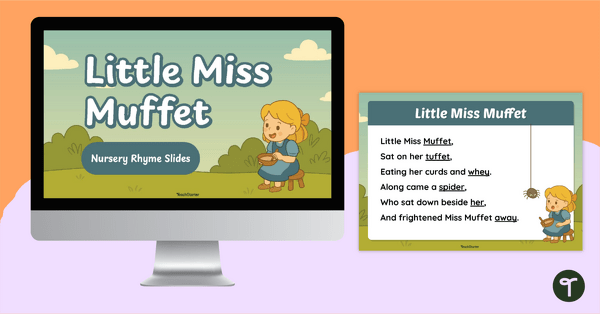
Little Miss Muffet – Nursery Rhyme Poster and PowerPoint
Use this “Little Miss Muffet” nursery rhyme poster or PowerPoint with audio to teach your youngest students the features of rhymes.
- Plus Plan
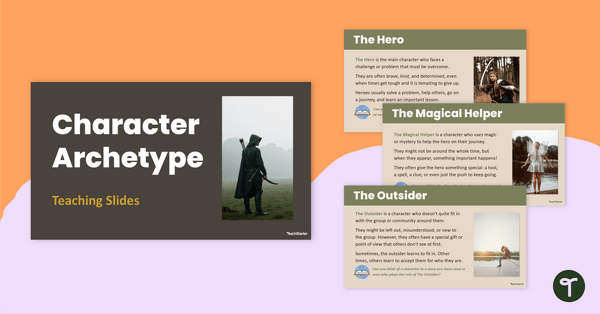
Character Archetype Teaching Slides
Download this character archetype slide deck to help your students identify and analyse common character types in literature.
- Plus Plan
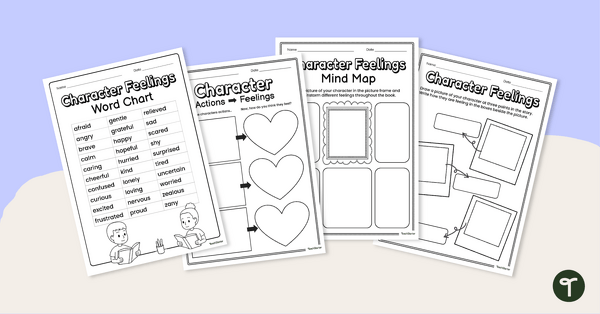
Character Emotions Chart and Worksheets
Explore character emotions in stories using this Character Emotions Chart and matching character Graphic Organisers
- Plus Plan
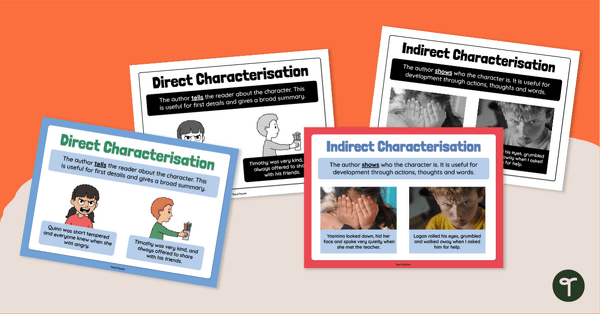
Direct and Indirect Characterisation Anchor Chart
Reference a direct and indirect characterisation anchor chart to teach your students the difference between types of characterisation.
- Plus Plan
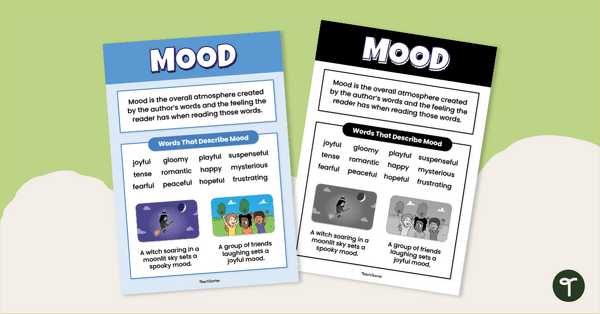
Mood Anchor Chart- Literary Element Poster
Introduce your students to mood, the atmosphere-creating literary element, with a printable Mood Anchor Chart.
- Plus Plan
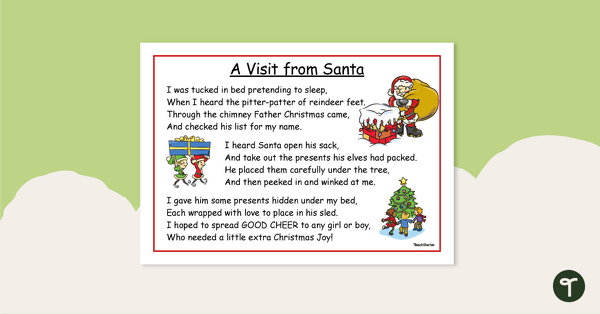
A Visit from Santa – Christmas Poem Poster
Use this “A Visit from Santa” Christmas poem for kids as a basis for some festive fun in your classroom!
- Plus Plan
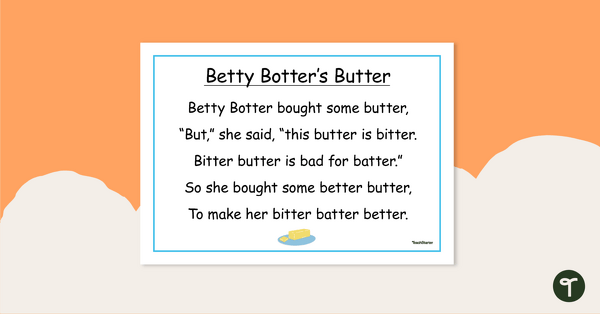
Betty Botter – Tongue Twister Poster
Use this “Betty Botter” tongue twister poster to teach your youngest students about word play and alliteration.
- Plus Plan
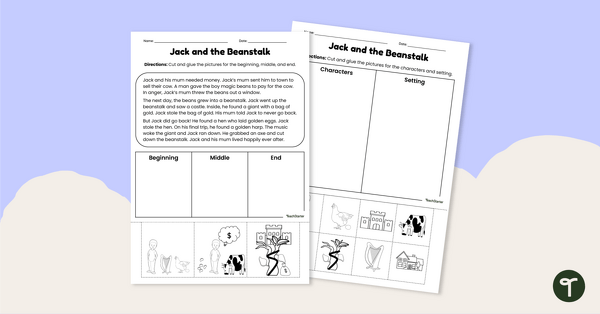
Story Elements Cut and Paste Worksheets – Jack and the Beanstalk
Explore story characters, settings and main events with this set of cut-and-paste worksheets based on a well-known fairy tale.
- Plus Plan
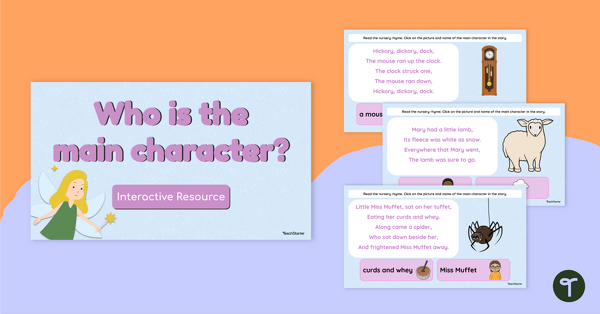
Who Is the Main Character? Interactive Game
Practise identifying the main characters in nursery rhymes with this interactive digital activity.
- Plus Plan
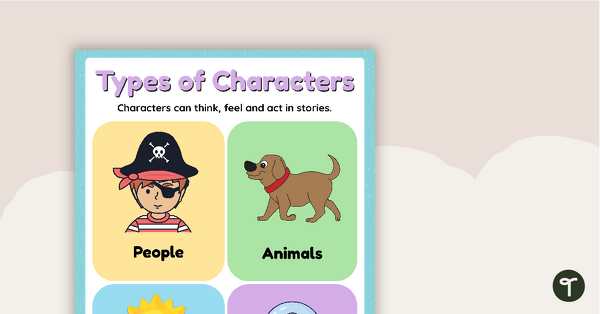
Types of Characters - Poster
Remind students about the types of characters that can be found in stories with this colourful classroom poster.
- Plus Plan
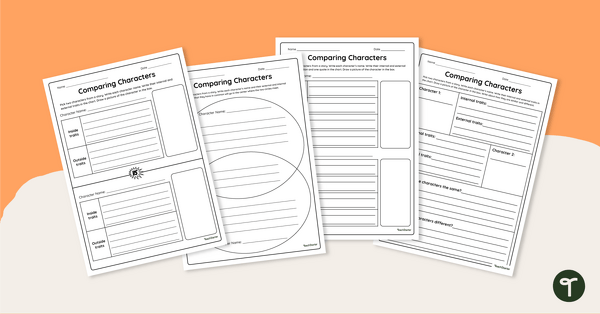
Comparing Characters - Graphic Organisers
Encourage your students to compare story characters with this set of differentiated graphic organisers that can be used with any text.
- Plus Plan
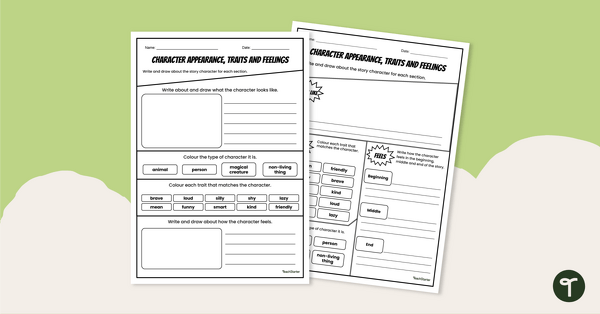
Character Appearance, Traits and Feelings - Worksheet
Explore and describe a character's personality, feelings and appearance with this differentiated worksheet to be used with any text.
- Plus Plan
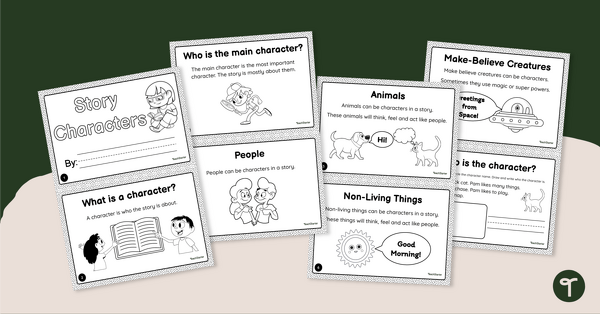
Story Characters - Mini Book
Teach your little learners about the various types of story characters with this fun-sized mini-book.
- Plus Plan
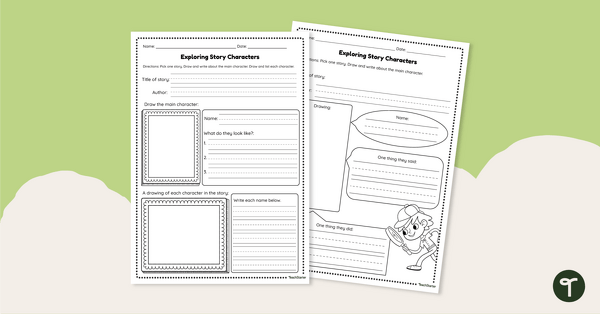
Exploring Story Characters - Worksheets
Explore the defining features of story characters with this differentiated worksheet.
- Plus Plan
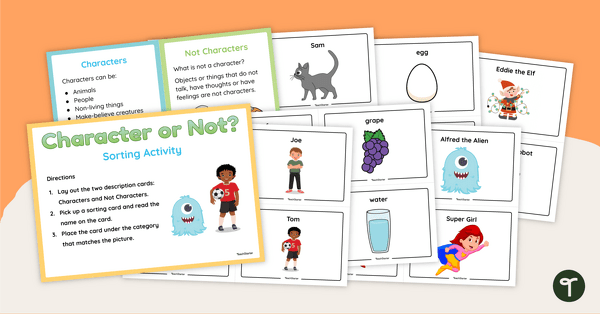
Character or Not? - Sorting Activity
Explore the difference between characters and non-characters with this hands-on sorting activity.
- Plus Plan
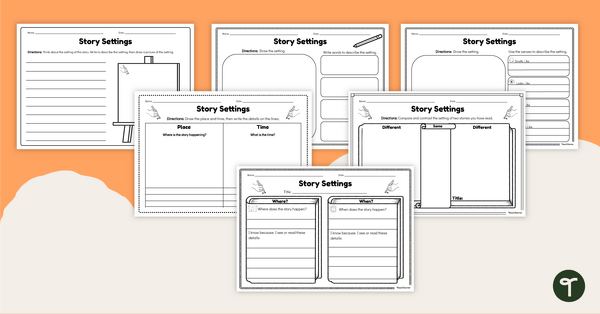
Story Settings - Graphic Organisers
Encourage your students to write and draw about story settings with this set of differentiated graphic organisers.
- Plus Plan
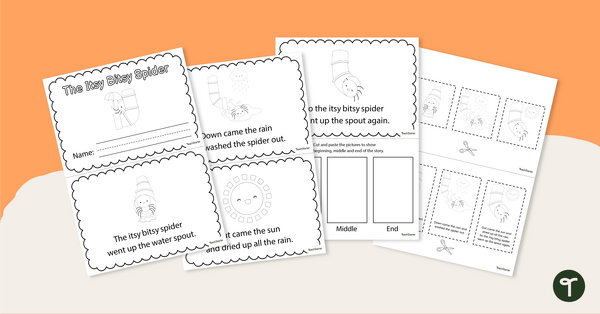
Beginning, Middle and End Mini-Book - Itsy Bitsy Spider
Teach your students about the beginning, middle and end of a story with mini-book retelling of The Itsy Bitsy Spider.
- Plus Plan
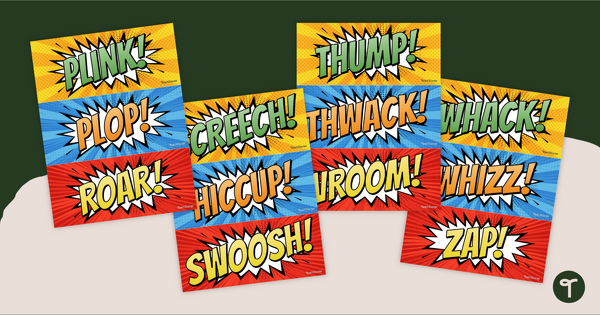
Onomatopoeia Examples - Word Wall Display
Display a fun onomatopoeia word wall in your classroom with printable cards containing 45 onomatopoeia examples.
- Plus Plan
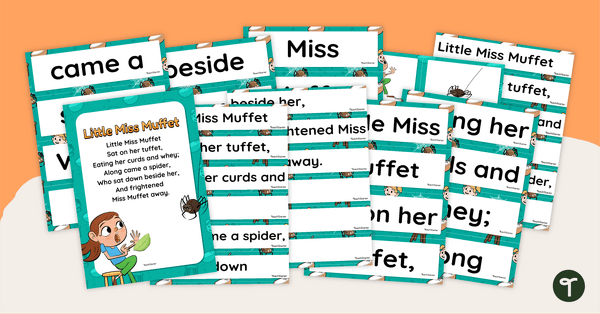
Little Miss Muffet - Sequencing Cards
Read and retell the story within the tale of Little Miss Muffet with a set of retelling sequencing cards.
- Plus Plan
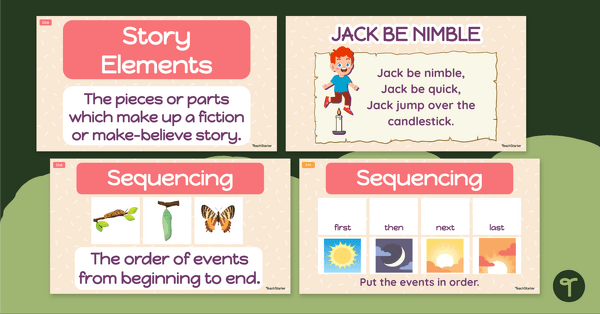
Narrative Sequencing Teaching Presentation - Jack Be Nimble
Engage young readers in texts and learn about narrative sequencing with an instructional slide deck featuring the Jack Be Nimble nursery rhyme.
- Plus Plan
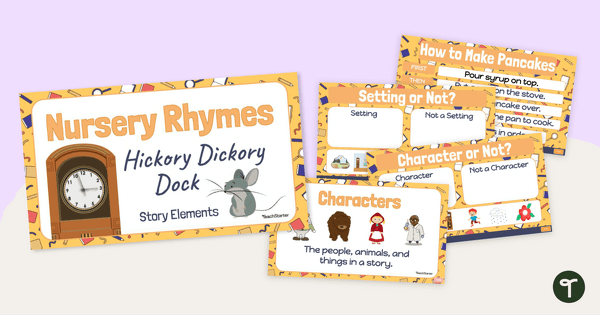
Narrative Features Teaching Presentation - Hickory Dickory Dock
Engage young readers in texts and discover parts of a story with an interactive version of Hickory Dickory Dock.
- Plus Plan
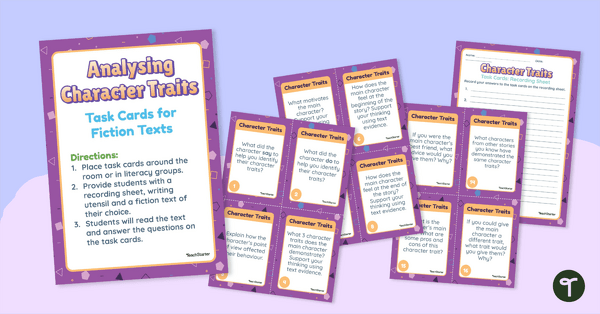
Character Analysis Task Cards
Get your students to perform a character analysis for any fictional character using this set of 20 task cards.
- Plus Plan
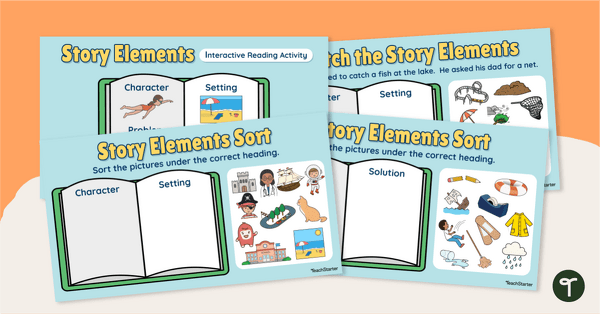
Story Elements Interactive Activity
Introduce your kindergarten and first-grade students to the elements of a story using this interactive digital activity.
- Plus Plan
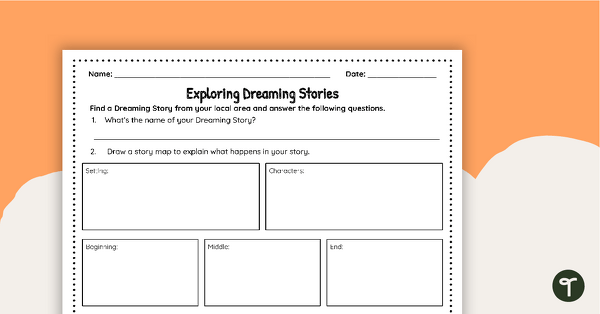
Explore a Dreaming Story – Worksheet
Use this template to explore First Nations’ Dreaming stories and unlock how they connect to Country.
- Plus Plan
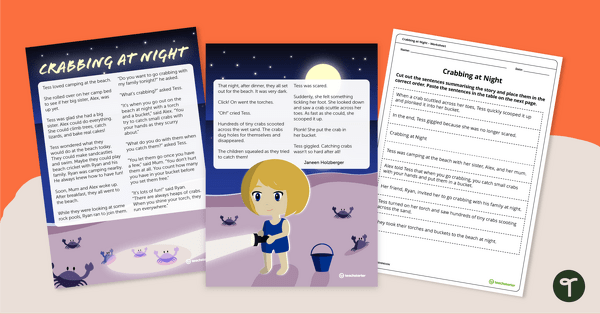
Crabbing at Night - Sequencing Worksheet
Identify the story beginning, series of events and ending with this narrative text sequencing activity.