Reading Teaching Resources
Make teaching reading simple with printable worksheets, digital games, activities and so much more right at your fingertips. This teaching resource collection was created by primary teachers for primary teachers like you, and each literacy resource is aligned with the Australian curriculum!
Teaching students how to read opens up their world, and our teaching team knows the task ahead of you is challenging but rewarding. That's why we've designed our printables and digital activities to provide students with a strong foundation in English, creating the basis of lesson plans rooted in best practice and the science of reading.
Best of all, each resource has been through our careful review process to ensure it’s ready for your lesson plan and your students. This collection even includes customisable resources and activities that have already been differentiated for you!
Literacy Activities for Every Year Level
With games and activities for students from early years classrooms to upper years in this collection, here's just a taste of what is covered in the curriculum-aligned resources you'll find as you explore!
Foundation (Prep)
Foundation teachers can use Teach Starter's extensive literacy resources to focus on students' development of foundational reading skills.
We supply the basis for recognising and naming letters, identifying sounds associated with letters (phonics) and blending sounds to read simple words. Explore activities that promote oral language development, vocabulary expansion and phonemic awareness, as well as resources designed to foster a love for reading, build basic decoding skills and develop comprehension through discussions and shared reading experiences.
Year 1
Teaching year 1? You'll find resources designed to teach students how to apply their knowledge of letter-sound relationships to read and spell words with more complex phonics patterns.
Literacy resources for this year level offer a basis for you to work on fluency in reading by using appropriate phrasing, expression and intonation and introduce your class to various texts — including fiction, nonfiction, and poetry — to build comprehension skills.
Year 2
Year 2 reading activities and games are designed to help students expand their reading skills by developing a larger sight word vocabulary and refining their decoding skills.
Our lesson plans help students recognise and use more advanced phonics patterns — including vowel digraphs and trigraphs. You'll also find resources created by our teacher team to deepen students' comprehension skills, such as making predictions, summarising and making connections to the text.
Year 3
In the year students are expected to sit their first NAPLAN tests to assess their literacy skills, students further develop their reading skills by focusing on more complex texts and strategies.
Our literacy resources are here to provide you support as your students learn to read and understand a wide range of fiction and nonfiction texts, including chapter books and informational texts with specialised vocabulary! Worksheets and reading passages offer students a chance to practise inferring, analysing characters and settings and identifying main ideas and supporting details.
Year 4
Excited to see your year 4 students refine their reading skills by developing greater independence and comprehension? We are too!
With our reading passages and literacy activities, students are given the chance to analyse the author's purpose, evaluate different perspectives and make connections across texts. Our vocabulary resources expose kids to a wide range of words so they can use context clues to determine word meanings.
Year 5
In Year 5, students once again have their literacy skills assessed by NAPLAN, and they continue to build on their reading skills by exploring a variety of texts and genres.
Teach Starter resources for this year help you build your lesson plans around complex language structures and figurative language, as well as providing students with the means to practise evaluating arguments, drawing conclusions and identifying bias and propaganda.
As you engage students in discussions about texts, our reading activities offer students a chance to express their opinions and support their ideas with evidence from the text.
Year 6
As your year 6 students consolidate and extend their reading skills in preparation for secondary school, you'll find a range of texts to support your lesson plans, including poetry, drama, and media texts.
Explore resources designed to give students practise analysing literary techniques, understanding symbolism and interpreting implicit and explicit meanings.
- Plus Plan
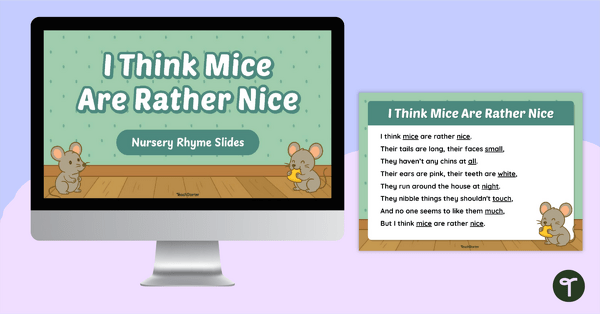
I Think Mice Are Rather Nice – Nursery Rhyme Poster and PowerPoint
Use this “I Think Mice Are Rather Nice” nursery rhyme poster and PowerPoint to teach your youngest students about rhyme and rhythm.
- Plus Plan
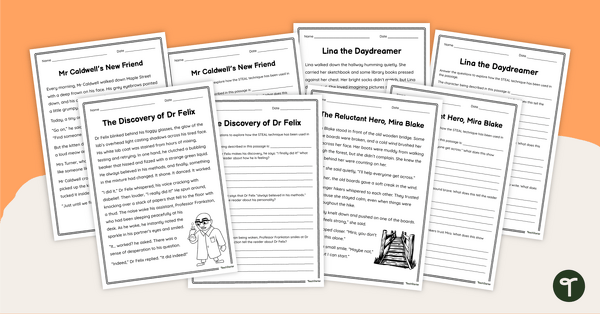
Character Description – Text Analysis Worksheets
Teach character description with this set of four worksheets that help students explore how authors use the STEAL technique to bring characters to life.
- Plus Plan
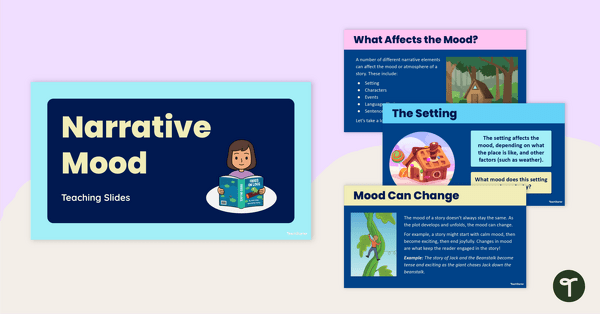
Narrative Mood Teaching Slides
Explore narrative mood with this interactive presentation that helps students understand what mood is, why it matters and how to create it in their own writing.
- Plus Plan
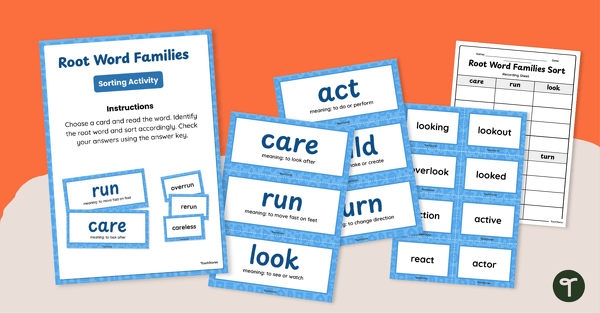
Base Word Sorting Activity
Use this Base Word Sorting activity to help students sort words based on their root words.
- Plus Plan
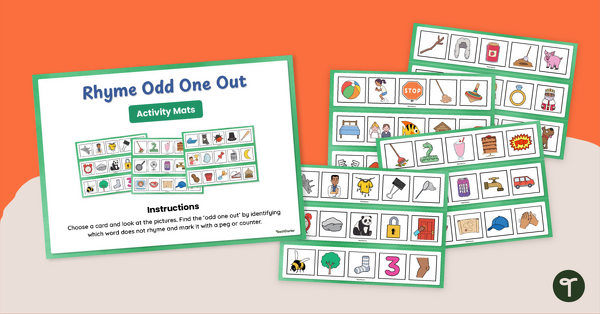
Rhyming Odd One Out Activity Mats
Use this Rhyming Odd One Out activity to support students phonemic awareness.
- Plus Plan
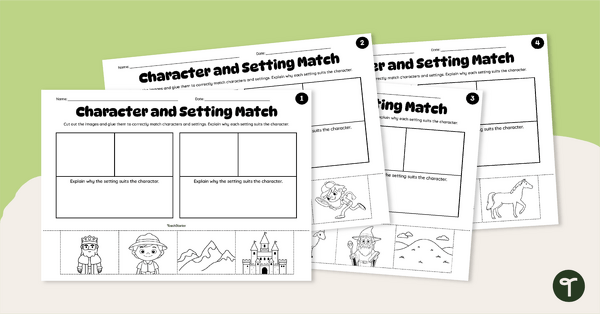
Character and Setting Connections Cut-and-Paste Pack
Explore the connection between characters and settings with this cut and paste activity pack.
- Plus Plan
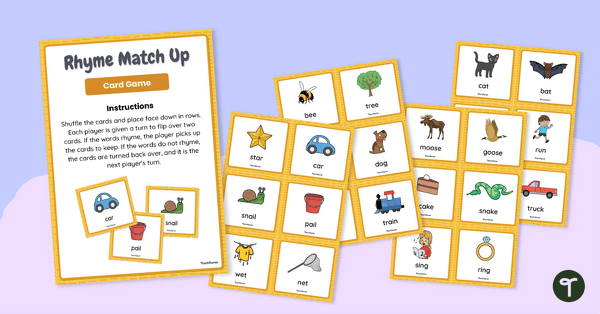
Rhyming Card Game
A concentration style rhyming card game that can be used to consolidate students' knowledge of rhyming words.
- Plus Plan
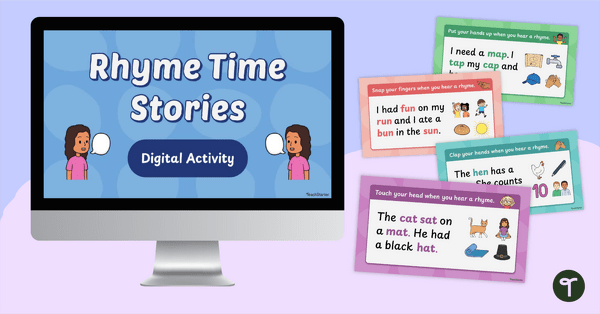
Rhyme Time Stories PowerPoint
Use this Rhyme Time Stories PowerPoint to explore auditory recognition of rhyming words with your young readers.
- Plus Plan
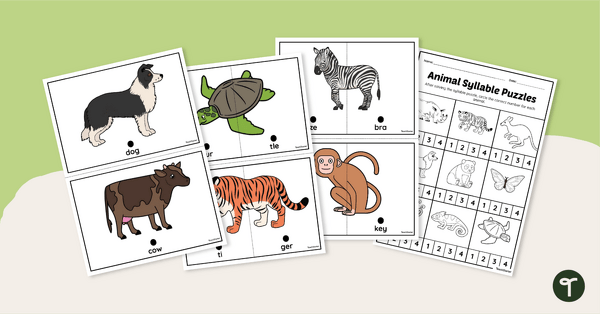
Syllable Activity – Animal Puzzle
Build students phonological awareness with this syllable activity where students build animal pictures with the number of syllables.
- Plus Plan

Comparing Assertions Worksheet Pack
Get your students to compare assertions with this engaging set of worksheets designed to help students distinguish between strong and weak persuasive writing.
- Plus Plan
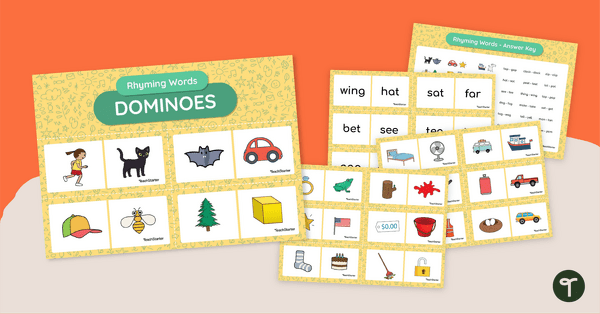
Rhyming Dominoes Game
Practise knowledge of rhyming words with this rhyming words dominoes game.
- Plus Plan
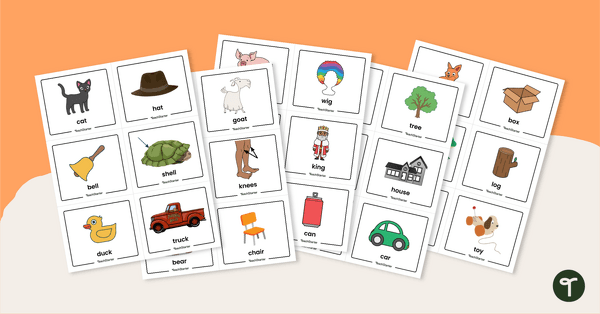
Rhyming Word Cards
A set of 30 picture cards that can be used to help consolidate students' knowledge of rhyming words.
- Plus Plan
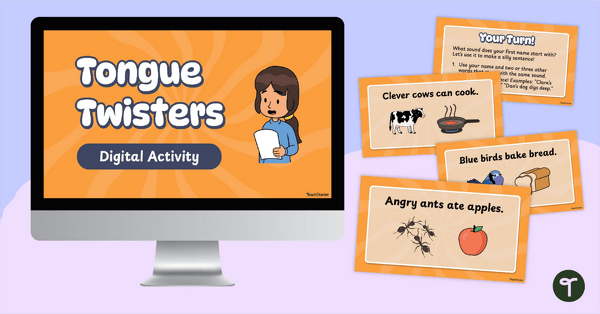
Alliteration Tongue Twister Sentences PowerPoint
Develop your students phonological awareness with these fun alliteration tongue twisters.
- Plus Plan
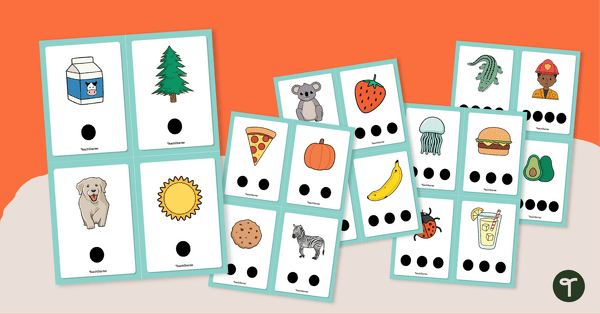
Syllable Flashcards
Develop phonological awareness in young children with our Syllable Flashcards.
- Plus Plan
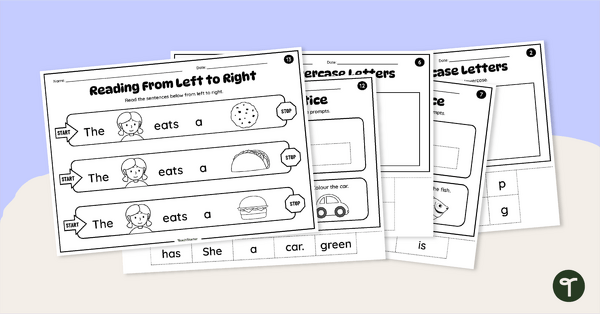
Concepts of Print Worksheet Pack
Help students master the fundamentals of reading with this Concepts of Print Worksheet pack.
- Plus Plan
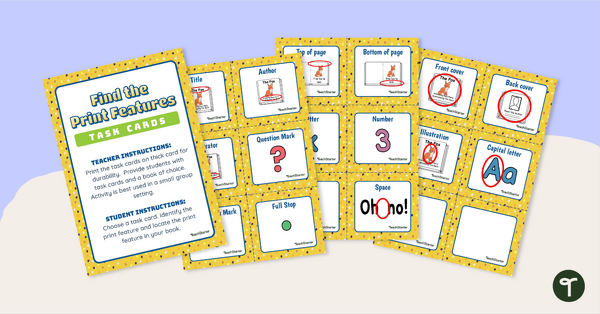
Find the Print Features Task Cards
Use these task cards with young readers to help them in recognising print features and concepts of print.
- Plus Plan
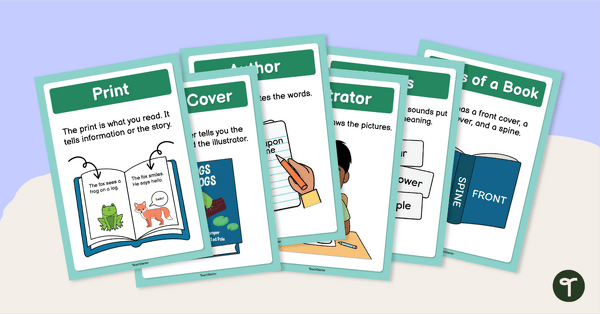
Concepts About Print Posters
Boost early literacy skills with our 13 printable Concepts of Print posters.
- Plus Plan
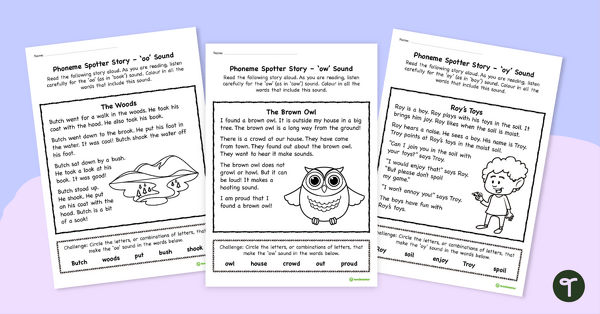
Diphthong Phoneme Spotter Stories
Use this set of decodable texts featuring various graphemes that make diphthong vowel sounds.
- Plus Plan
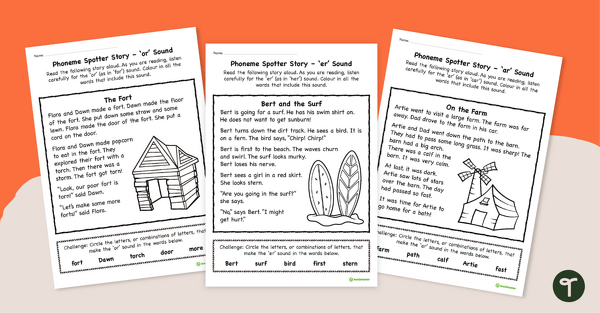
R-Controlled Vowel Phoneme Spotter Stories
Use this set of decodable texts featuring various graphemes that make r-controlled vowel sounds.
- Plus Plan
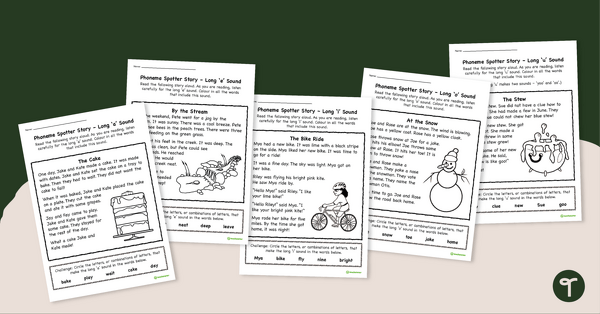
Long Vowel Phoneme Spotter Stories
Use this set of decodable texts featuring various graphemes that make long vowel sounds.
- Plus Plan
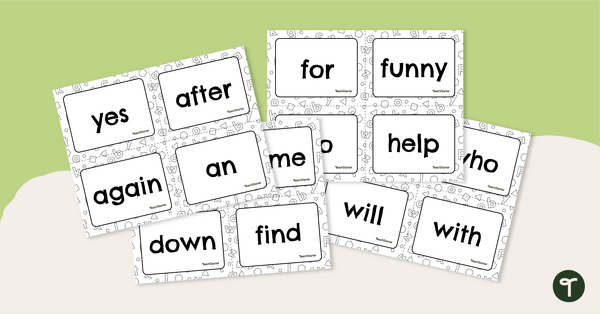
Dolch Sight Word Flashcards
Use this set of the first 100 Dolch sight words flashcards to help students master through phonics-based understanding and meaningful practice.
- Plus Plan
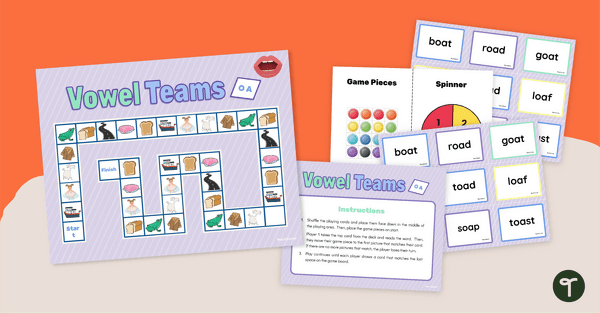
OA Vowel Team Board Game
Practise decoding words with the oa vowel team in this board game.
- Plus Plan
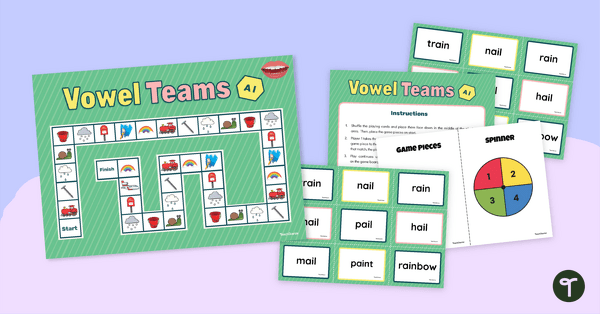
'AI' Diphthong Vowel Team Board Game
Decode words with the ai long vowel team in this word card board game.
- Plus Plan
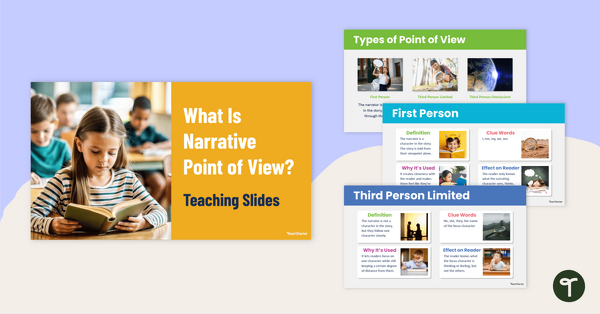
What Is Narrative Voice? Teaching Slides
Answer the question “What is narrative voice?” with this engaging slide deck that helps students understand first person, third person limited and third person omniscient narration.
- Plus Plan
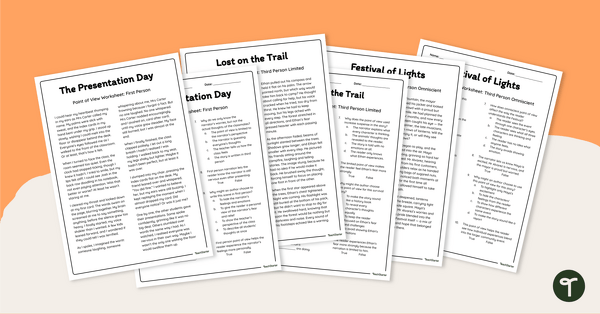
Narration and Point of View Worksheets
Use these narration and point of view comprehension passages to help students explore different narrative voices in literary texts.
- Plus Plan
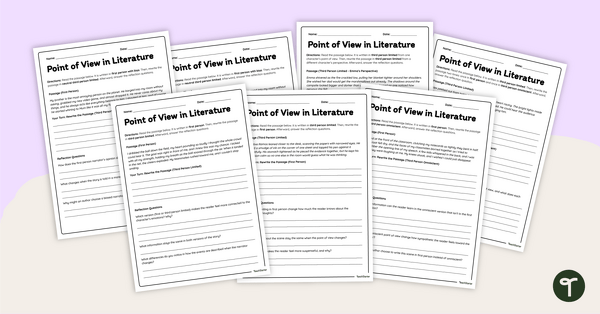
Voice in Narrative Writing Prompts
Explore voice in narrative with this set of engaging worksheets that require students to write literary passages in different points of view.
- Plus Plan
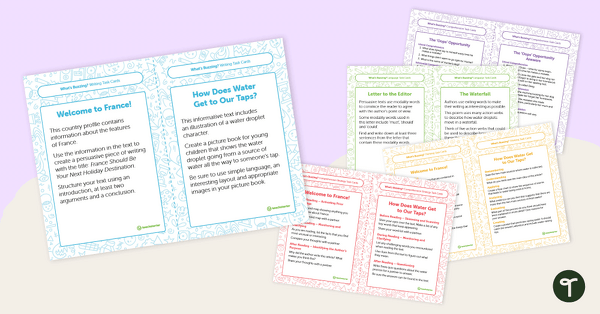
Year 2 Magazine - "What's Buzzing?" (Issue 2) Task Cards
A set of five literacy rotation task cards to be used in conjunction with Issue 2 of Teach Starter’s Year 2 magazine.
- Plus Plan
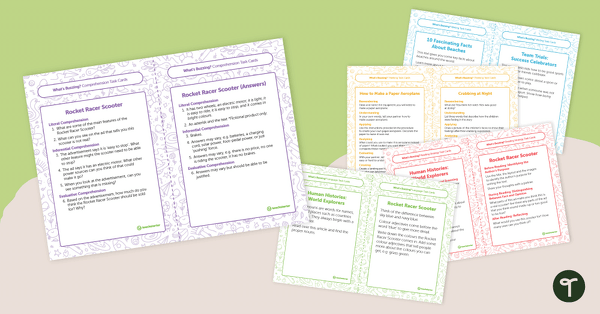
Year 2 Magazine - "What's Buzzing?" (Issue 1) Task Cards
A set of five literacy rotation task cards to be used in conjunction with Issue 1 of Teach Starter's Year 2 magazine.
- Plus Plan
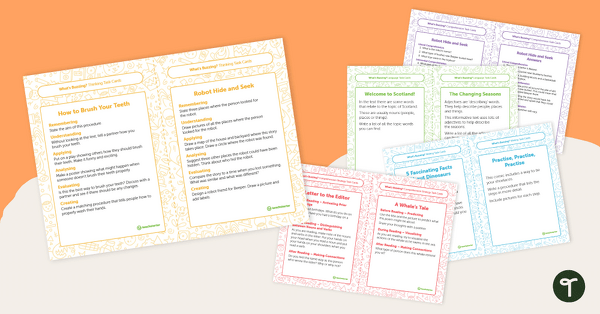
Year 1 Magazine - "What's Buzzing?" (Issue 2) Task Cards
A set of five literacy rotation task cards to be used in conjunction with Issue 2 of Teach Starter’s Year 1 magazine.
- Plus Plan

Visual Comprehension Slide Deck
Bring visual comprehension to life in your classroom with this engaging slide deck designed to spark critical thinking and boost student engagement.
- Plus Plan
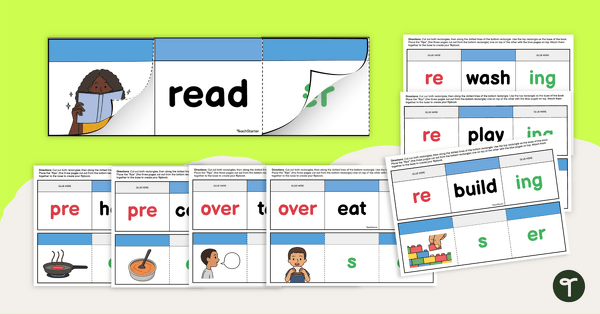
Morpheme Cards Flip Books
Support your students’ understanding of word structure with this engaging morpheme cards flipbook resource.
- Plus Plan
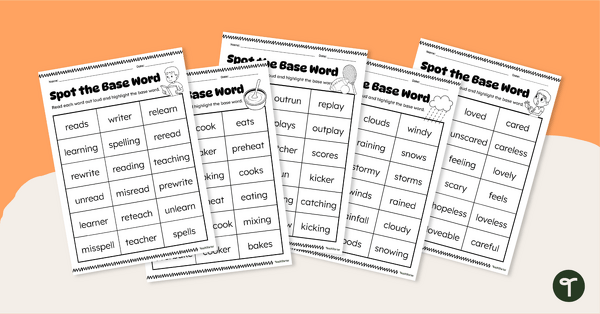
Find the Base Word - Highlight and Read Sheets
Strengthen your students’ vocabulary with this Find the Base Word Worksheet Set.
- Reading Worksheets
- Reading Games
- Reading Templates
- Reading Posters
- Reading Teaching Presentations
- Reading Flashcards
- Reading Labels, Signs & Decorations
- Reading for Preschool/Kindergarten
- Reading for Foundation Year
- Reading for Year 1
- Reading for Year 2
- Reading for Year 3
- Reading for Year 4
- Reading for Year 5
- Reading for Year 6
- Reading for Year 7