Social Awareness Teaching Resources
Help your students build social awareness skills with activities and printables, social skills worksheets and more SEL teaching resources created by teachers specifically for primary school students.
This collection is full of digital and printable activities created by the expert teachers of the Teach Starter team to help teachers as they work with students on being more socially aware, recognise social cues, understand social dynamics and treat the people around them with kindness and courtesy.
Each teaching resource in this social awareness teaching resource collection has undergone rigorous review by the Teach Starter team to ensure it's ready for the classroom ... and your students!
Curious about teaching social awareness and wondering how to build students' social skills? Read on for some tips from our expert teachers!
What Is Social Awareness? A Kid-Friendly Definition
Being socially aware is not something that comes naturally to every child, and explaining what social awareness means can be tough. Our teacher team has created this kid-friendly definition to help!
Social awareness is understanding how other people feel and what they need. When we are socially aware, we notice how others are doing, and we make an effort to be kind and helpful to them.
Social awareness also means paying attention to the rules and ways people behave in different situations.
Being socially aware means we are more sensitive to the feelings of people around us, and we can then use our social skills — such as the ability to be kind, to listen and to cooperate – to work with others. It means we can empathise with others, understand diverse perspectives and navigate social interactions effectively.
Social Awareness Examples for Kids
Now that you've explained the social awareness meaning, it helps to explore what it actually looks like when you put it into practice. Many of your students may have at least some skills already at hand — depending on the individual student and grade level.
A student in pre, for example, may show empathy by giving a crying friend a hug or sharing a toy, but they're typically not yet able to understand that people have different perspectives.
So how can your students show they're socially aware? Let's look at some kid-friendly social awareness examples!
- Taking turns on the playground or the tuckshop.
- Sharing crayons or gluesticks with classmates.
- Making eye contact with friends when they're speaking.
- Paying attention when a teacher is speaking and not interrupting.
- Collaborating with classmates to complete a group assignment.
- Using conflict resolution skills to address issues with a friend.
- Offering to help the PE teacher put away the netball equipment or helping the teacher librarian shelve the books that have been left out by other students.
What Is the Difference Between Self Awareness and Social Awareness?
We teach students both self awareness and social awareness in primary school, and the two relate to one another as important aspects of emotional intelligence.
But where social awareness is focused outward on the emotions, perspectives and needs of others, self awareness focuses inward on recognizing those concepts in oneself.
Social Awareness and Emotional Intelligence
Emotional intelligence is an umbrella term that involves a number of the core components of a social emotional learning curriculum — including self awareness, self management and relationship management, as well as social awareness.
So how does social awareness specifically tie back to emotional intelligence? Being emotionally intelligent involves not just recognising emotions in one's self but in others — the basic component of social awareness for our students.
Take social dynamics, for example. Understanding the social dynamics at play in a particular situation is a big part of being socially aware. Recognising group norms, cultural differences and power dynamics all help our students to avoid causing offense or discomfort in others. It's a great example of having the emotional intelligence required to navigate a situation!
What Are Social Skills?
Social skills is a pretty broad term, but it essentially refers to the ability of our students to interact effectively and appropriately with others in a variety of social situations.
The skills we focus on in pimary school include being able to communicate effectively, both verbally and non-verbally, as well as being able to understand and interpret the social cues and behaviours of others.
What Are Some Examples of Social Skills?
When we're talking about the social skills and relationship skills that kids develop under our watch, the list is long, but here are just a few examples of the social skills that are important for young students to work on:
- Communication Skills — Being able to express themselves clearly and effectively — both verbally and non-verbally — is an important social skill for kids to develop. At this age, students are capable of learning how to use appropriate verbal language, tone and body language — all part of relating to you as a teacher, to their classmates and to their family at home too.
- Active Listening — Learning how to listen attentively to others and understand their perspectives is another social skill that's age-appropriate and you'll likely cover extensively, regardless of the grade you're teaching. Primary students can learn how to appropriately ask questions and provide verbal and non-verbal feedback — both key to learning as a general life skill and in the classroom.
- Empathy — Teaching our students to understand and appreciate the feelings and perspectives of others is another important social skill and one students often need modelling to develop. This covers learning how to put themselves in other people's shoes and respond appropriately to their emotions.
- Problem-Solving and Conflict Resolution — Kids need to learn how to identify and resolve conflicts in healthy and effective ways as they grow up, and their relationships with classmates play a big role in building those skills. Both in class and on the playground, your students will be learning how to negotiate, compromise and find common ground with others.
- Self-Regulation — Our students should learn how to manage their emotions, thoughts and behaviour in different social situations. Learning how to control impulses, stay calm and think before acting will serve them long after graduating.
- Teamwork — Kids need to learn how to work effectively with others in a group setting, and the group activities you do in the classroom can help build this social skill. This basic skill covers learning how to share, take turns, and cooperate with others — something that will once again serve them far into their futures.
- Respect — Our students should learn to treat others respectfully, regardless of their differences. This is part of building a safe classroom environment. These lessons should focus on using appropriate language, avoiding stereotypes and appreciating diversity.
These various social skills are important for our students in the classroom, and they will extend far beyond as they grow up, serving them in a personal setting and eventually a professional one, too, as they forge new relationships.
How to Develop and Improve Social Skills for Kids
There is no magic spell when it comes to social skills! Kids' social skills improve through socialising with others and explicit instruction.
Here are a few of the ways that those skills can be developed (and improved!):
- Play — For kids, playing with peers is a major component of developing relationship skills as they interact with other kids and learn some of society's unwritten rules of socialisation.
- Modelling — We know that children learn by observing the behaviour of the people around them, and this applies to relationship skills as well. Kids pick up social cues and learn how to respond by watching how others — including their teachers — interact.
- Communication — Those speaking and listening skills we work on in the classroom are essential for social interaction. Children can learn to communicate their needs and feelings and understand and respond to the needs and feelings of others when you work on these important skills.
- Positive Reinforcement — Encouraging students to treat others with kindness and respect, then positively reinforcing these behaviours are both important for building confidence and self-esteem. In turn, children who feel good about themselves are more likely to interact socially and develop positive relationships with others.
- Group Activities — Group work and group projects provide our students with opportunities to work together and practise cooperation and collaboration.
- Plus Plan
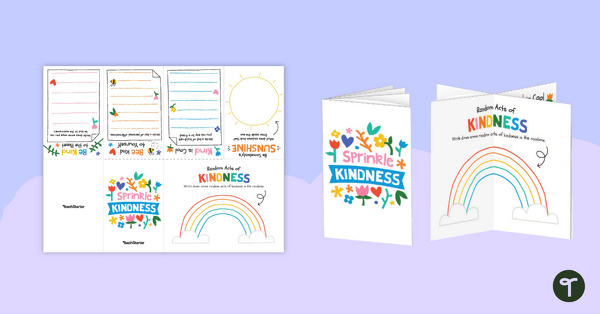
Kindness Reflection Mini Booklet
A printable kindness reflection mini book template for kids.
- Plus Plan
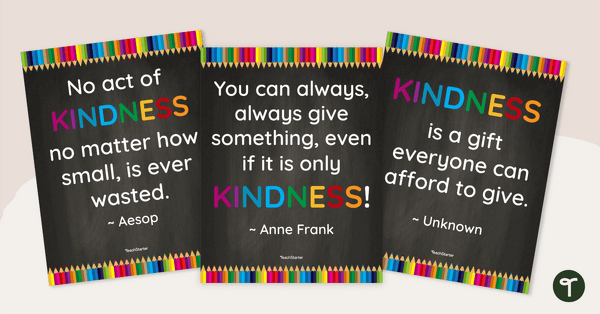
Kindness Posters
Encourage positivity and kindness in the classroom with these brightly coloured posters.
- Plus Plan
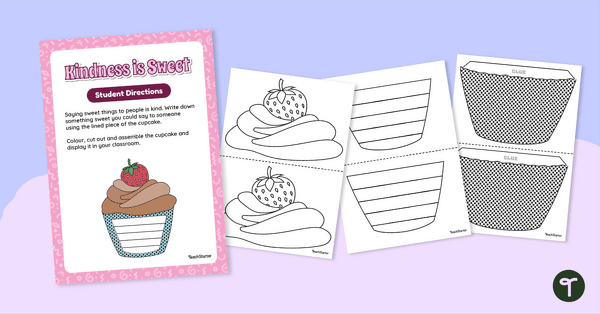
Kindness is Sweet! Craft for Kindness Day
Think about sweet things you can say to others that are kind and display the finished Kindness Craft in your classroom as a kindness display.
- Plus Plan
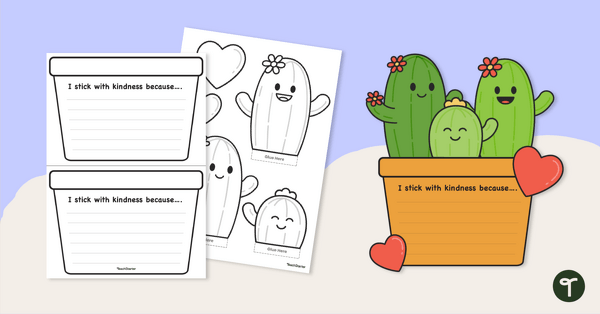
Stick With Kindness Craft and Writing Template
Discuss the importance of kindness and explore why we should ‘stick with kindness’ with this writing and craft activity.
- Plus Plan
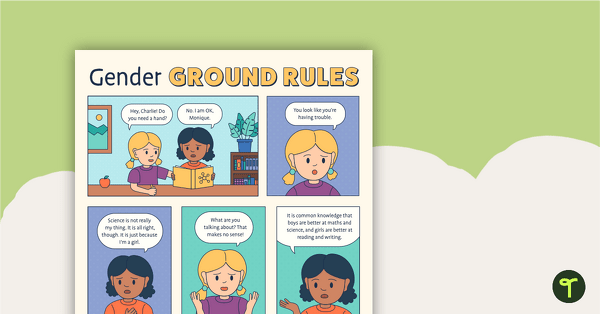
International Women's Day Gender Ground Rules – Comic
A two-page comic that shows an example of a gender stereotype about learning abilities.
- Plus Plan
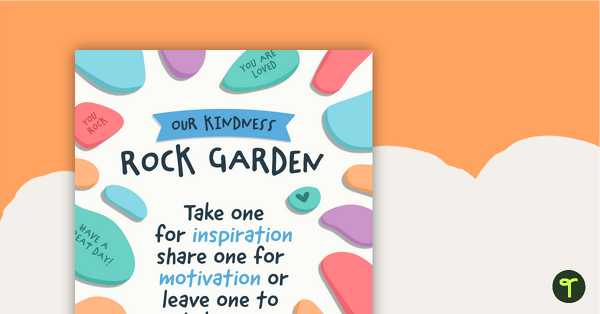
Our Kindness Rock Garden Poster
Poster to display when creating a classroom kindness rock garden.
- Plus Plan
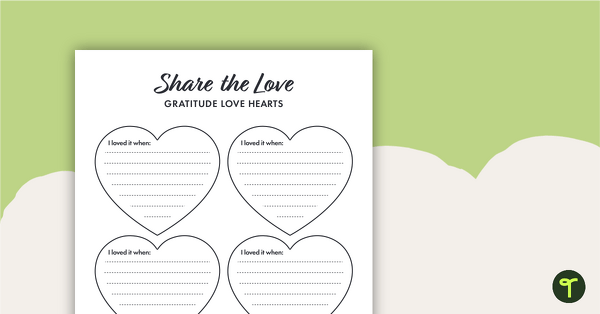
Share the Love - Gratitude Love Heart Template
Help your students show their appreciation for the good things in their lives with this wonderful love heart template!
- Plus Plan
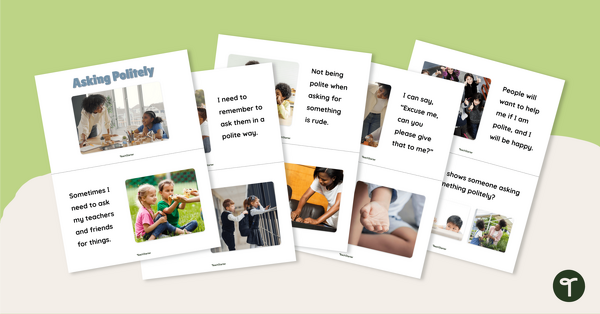
Asking Politely Mini-Book
Help your students learn how to ask for things politely with this social story mini-book.
- Free Plan
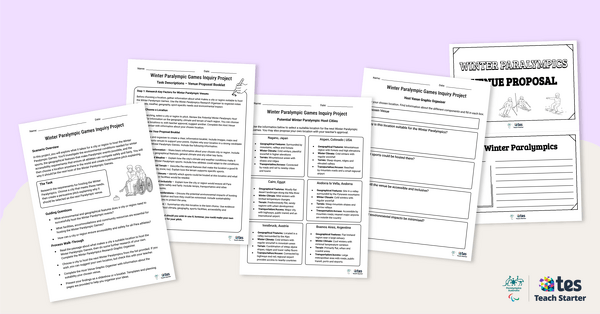
Winter Paralympic Games – Inquiry-Based Project
Have your students investigate the requirements of being a Paralympic Winter Games host city with this inquiry-based learning project.
- Free Plan
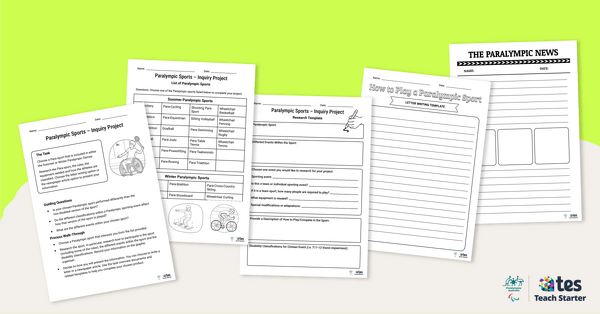
Paralympic Sports – Inquiry-Based Project
Have your students investigate the different types of Paralympic sports with this inquiry-based learning project.
- Plus Plan
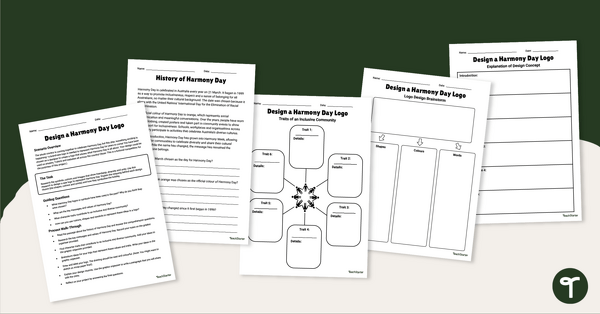
Design a Harmony Day Logo Project
Design a Harmony Day logo with your students using our inquiry-based learning project.
- Plus Plan
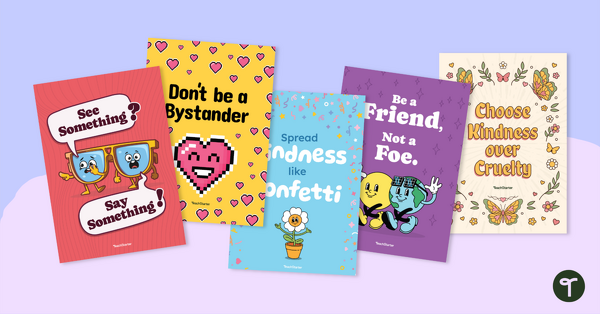
Printable Anti Bullying Posters
Decorate your classroom and school during Anti-Bullying Week with printable Anti-Bullying Posters!
- Plus Plan
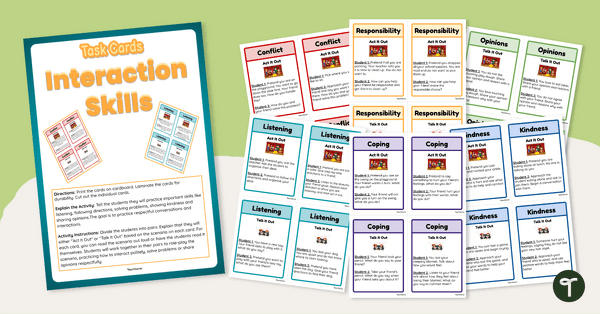
Oral Language Activities
Share these oral language activities with your students to help them practise listening to others, expressing opinions, receiving instructions, and more!
- Free Plan
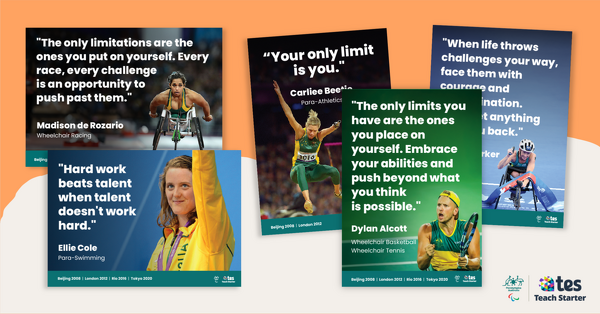
Australian Paralympic Team Quote Posters
Get your students excited for the Paralympics with this set of quotes by Australian Paralympians.
- Free Plan
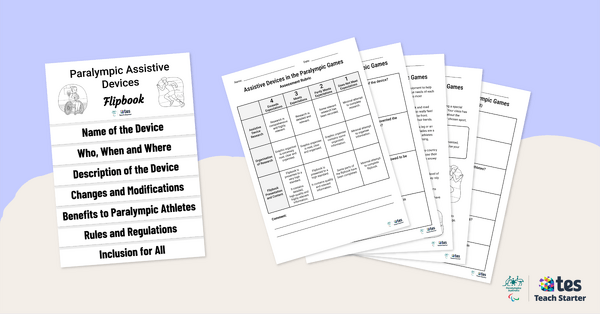
Assistive Devices in the Paralympic Games – Inquiry-Based Project
Have your students investigate the assistive devices used by Paralympians with this inquiry-based learning project.
- Free Plan
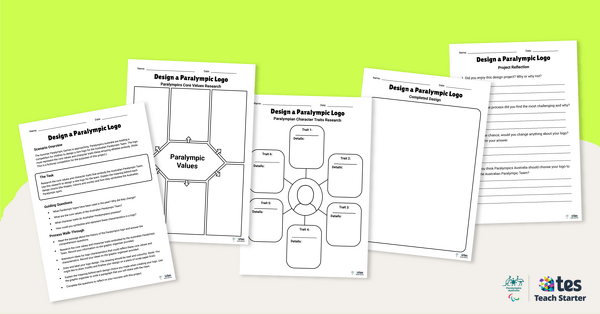
Design a Paralympic Logo – Inquiry-Based Project
Have your students design a new logo for the Australian Paralympic Team with this inquiry-based learning project.
- Free Plan
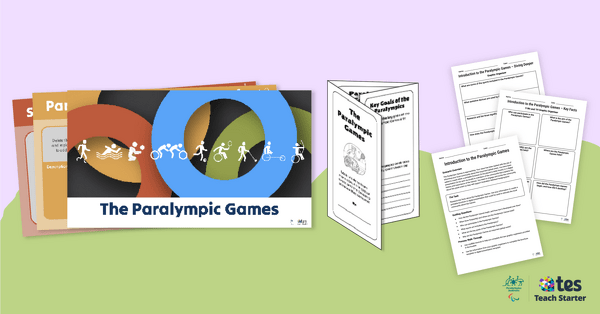
Introduction to the Paralympic Games - Inquiry-Based Project
Introduce your students to the key components of the Paralympic Games with this inquiry-based learning project.
- Plus Plan
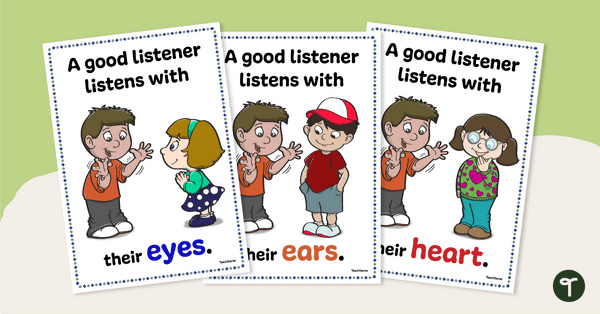
Good Listener Posters
Use this poster to teach your students how to be good listeners.
- Plus Plan
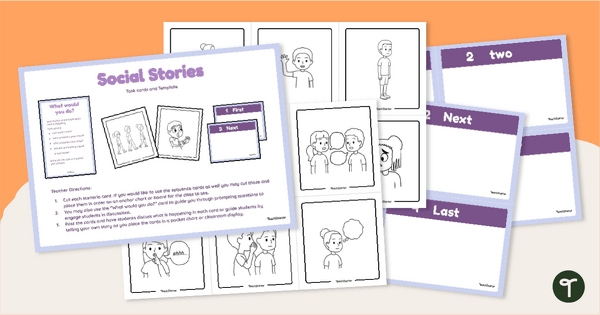
Social Story Cards and Templates
Create individualised social stories for students in your classroom with this versatile set of social story cards and templates.
- Free Plan
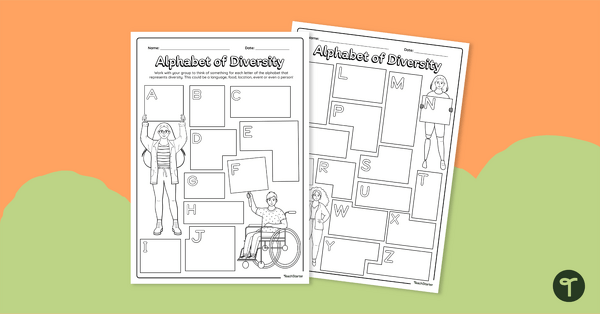
Alphabet of Diversity Worksheet
Celebrate diversity in your classroom with this alphabet of diversity worksheet.
- Plus Plan
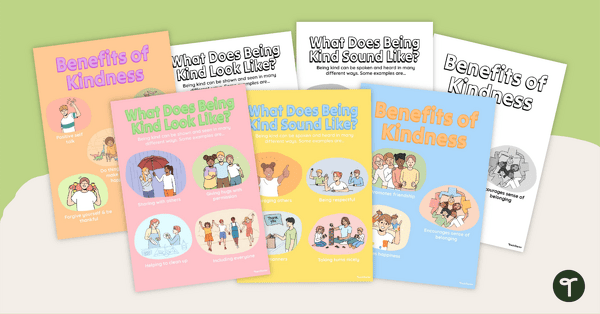
Kindness Poster Set
Display this set of kindness posters in your classroom to help your students understand the power of being kind.
- Plus Plan
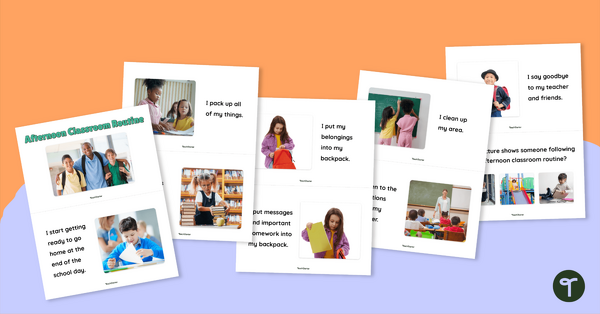
Afternoon Classroom Routine Mini-Book
Review expectations with your students regarding your afternoon routines with this printable mini-book.
- Plus Plan
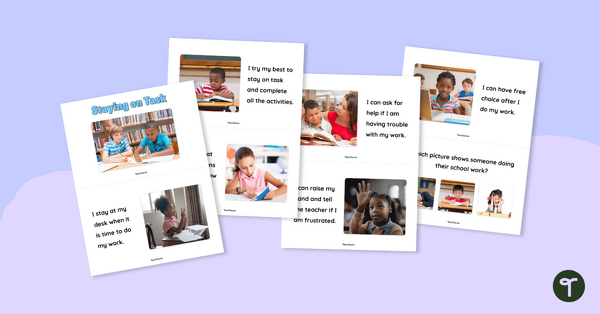
Staying on Task Mini-Book
Review different strategies for on-task behavior with this printable mini-book.
- Free Plan
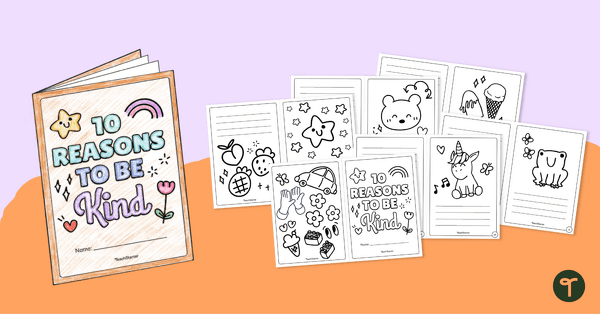
Kindness Mini-Book (10 Reasons to be Kind)
Explore all of the reasons to be kind with your students using this mini-book template.
- Plus Plan
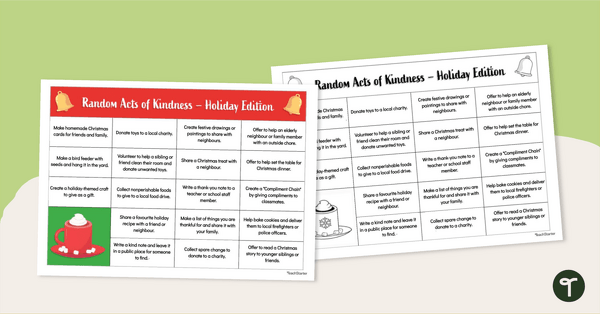
Christmas Random Acts of Kindness Calendar
Inspire Random Acts of Kindness this holiday season with a printable Christmas Kindness Calendar.
- Plus Plan
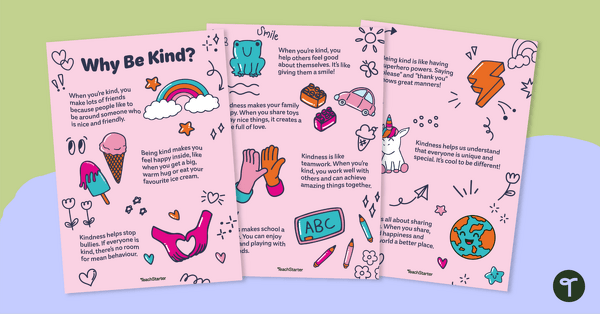
Why Be Kind Classroom Posters
Display this gorgeous set of kindness posters to teach students why kindness matters.
- Plus Plan
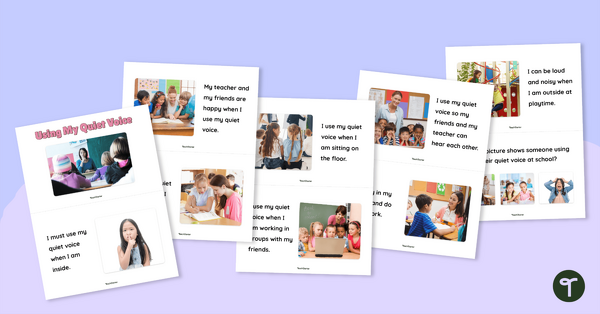
Using My Quiet Voice at School Mini-Book
Teach your students where they should use an inside voice and the benefits of doing so while at school with this printable mini-book.
- Plus Plan
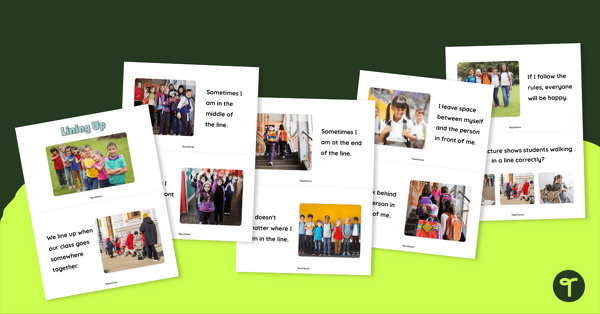
Lining Up Mini-Book
Teach your students the proper way to line up with this printable mini-book.
- Plus Plan
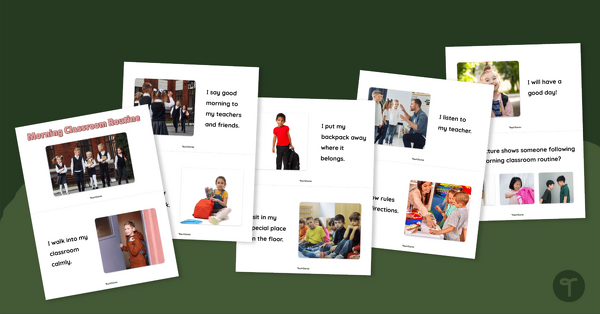
Morning Classroom Routine Mini-Book
Help your students develop a morning routine in the classroom by reading a printable mini-book.
- Plus Plan
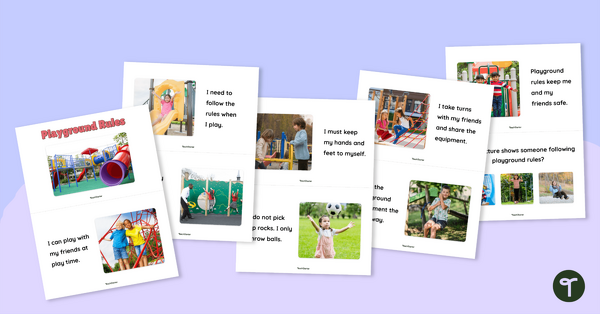
Playground Rules Mini-Book
Remind your students about playground rules with this printable mini-book.
- Plus Plan
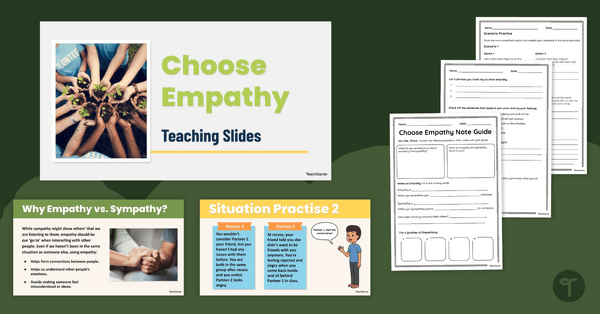
Choose Empathy Teaching Slides & Note Guide
Help your students understand the difference between empathy and sympathy while learning how to be empathetic with this set of teaching slides and note guide.
- Plus Plan
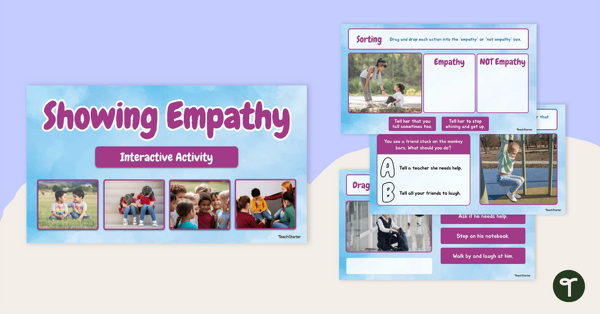
Showing Empathy Interactive Activity
Encourage your students to identify acts of empathy and determine the right thing to do in a given situation with an interactive activity designed for year 1 and 2 students.
- Social Awareness Posters
- Social Awareness Templates
- Social Awareness Worksheets
- Social Awareness Games
- Social Awareness for Preschool/Kindergarten
- Social Awareness for Foundation Year
- Social Awareness for Year 1
- Social Awareness for Year 2
- Social Awareness for Year 3
- Social Awareness for Year 4
- Social Awareness for Year 5
- Social Awareness for Year 6