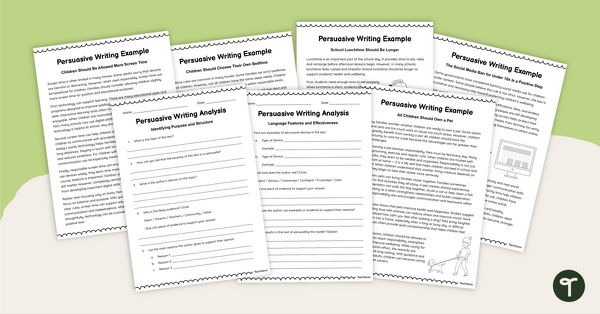
Use these persuasive writing examples to teach your students how purpose, structure and language features work together in strong persuasive texts.
Teach Using High-Quality, Age-Appropriate Persuasive Writing Examples
When students are learning a new text type, high‑quality examples can make a world of difference. By using high-quality persuasive writing examples in your teaching, students can learn how a writer hooks an audience, builds reasons logically, uses emotive language, and then wraps everything up with a strong concluding statement.
This resource pack includes five engaging persuasive texts specifically written for primary school students. Each text is well-structured, relatable and features key persuasive devices, such as rhetorical questions, modality and emotive language. The resource also features a two-page analysis worksheet to guide students through analysing the purpose, audience, structural features and persuasive techniques of the sample text. Due to its generic nature, this worksheet could also be used with any persuasive text.
The persuasive writing examples included in this pack are:
- All children should own a pet
- Children should be allowed more screen time
- Children should choose their own bedtime
- School lunchtimes should be longer
- The social media ban for under 16s is a positive step
This resource downloads as a black-and-white printable PDF or editable Google Slides file.
This resource can be easily incorporated into modelled writing lessons, guided group sessions or as independent practice. It will save you precious planning time while delivering deep, meaningful learning for your students.
Multiple Uses for These Persuasive Writing Samples
There are countless ways to use these persuasive writing samples to help students unpack the purpose, structure and language features of persuasive texts, well beyond the included analysis worksheet. Here are some ideas from our team to get you started:
- Modelled think‑alouds – Choose one of the persuasive writing samples and project it onto your interactive whiteboard. Walk students through your thought process as you analyse the persuasive features of the text. For example: “The use of the pronoun ‘we’ makes me feel like the author is trying to appeal to me personally.”
- Group annotation – Have the class choose one of the persuasive examples to analyse. Place the students in small groups, then assign each group a specific textual feature, e.g. structure, language, use of evidence. Have the students explore their assigned feature, then share their observations with the class.
- Spotlight on structure – Choose one of the example texts, then cut it up and have the students rearrange it. Discuss how the new order impacts the readability and impact of the text. This activity reinforces the important role that text structure plays in persuasive writing.
Download These Persuasive Writing Sample Essays
Use the Download button above to access your preferred version of these printable persuasive writing sample essays with accompanying worksheets. (Note: You will be prompted to make a copy of the Google Slides file on your personal drive before accessing it.)
This ready-to-use resource makes it simple to deliver effective, engaging persuasive writing instruction… without extra prep time!
This resource was created by Kaylyn Chupp, a teacher and Teach Starter collaborator.
Explore More Examples of Persuasive Texts
When it comes to examples of persuasive texts to use with our students, the more we have, the better! Click below to browse more persuasive writing samples to integrate into your English lessons.
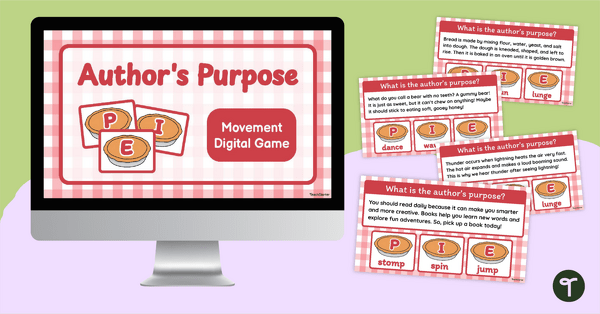
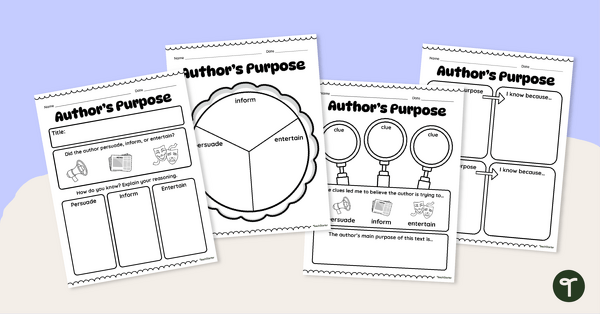
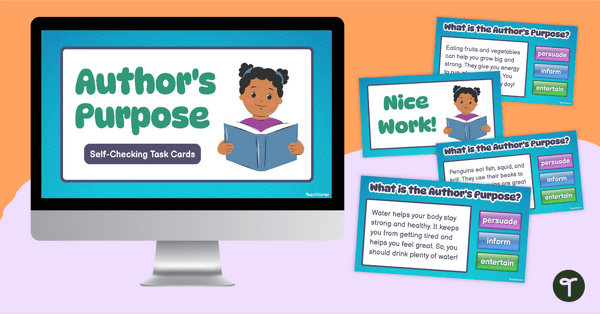
[resource:24499] [resource:24480] [resource:24553]

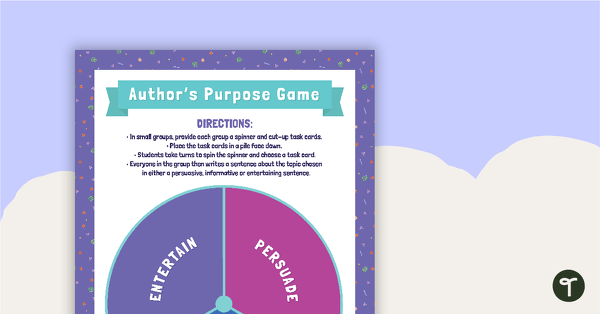
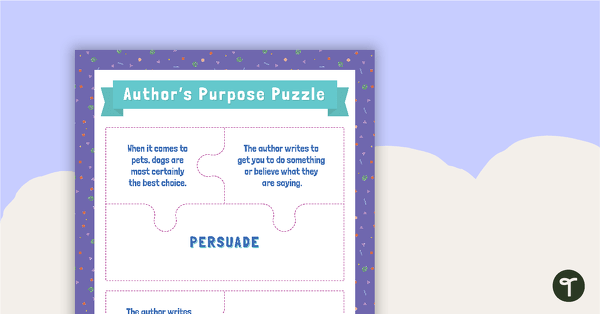
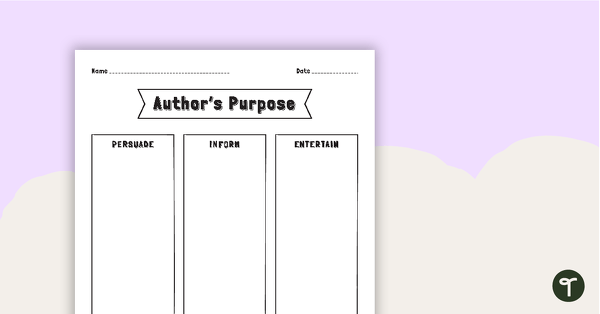
0 Comments
Write a review to help other teachers and parents like yourself. If you'd like to request a change to this resource, or report an error, select the corresponding tab above.