ELAR 3.8
Multiple genres: listening, speaking, reading, writing, and thinking using multiple texts--literary elements. The student recognizes and analyzes literary elements within and across increasingly complex traditional, contemporary, classical, and diverse literary texts. The student is expected to:
- (1) infer the theme of a work, distinguishing theme
from topic;
- (A) explain the relationships among the major and minor characters;
- (B) analyze plot elements, including the sequence of events, the conflict, and the resolution; and
- (C) explain the influence of the setting on the plot.
- Plus Plan
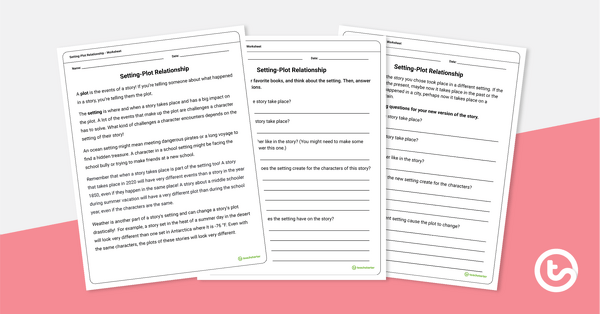
Setting-Plot Relationship Worksheet
A worksheet that explores the connections between setting and plot.
- Plus Plan
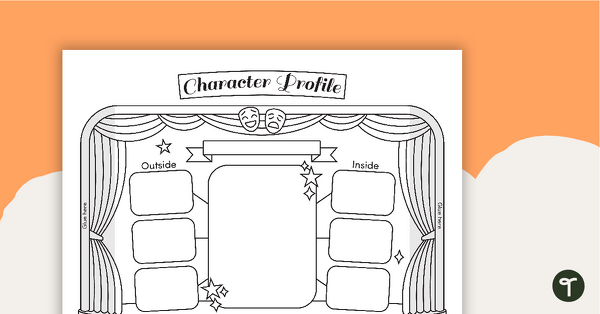
Book Character Profile - Stage and Curtains
A fun character profile worksheet set on a theater stage.
- Plus Plan
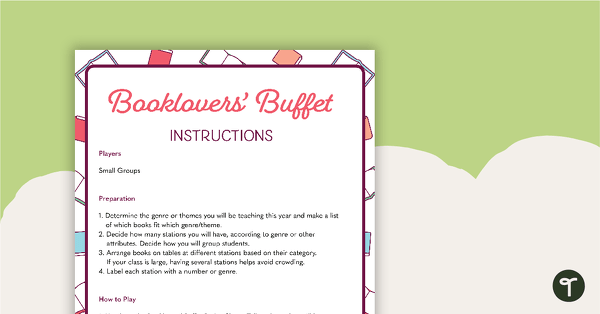
Booklovers' Buffet
A fun reading activity to help students discover books they enjoy.
- Plus Plan
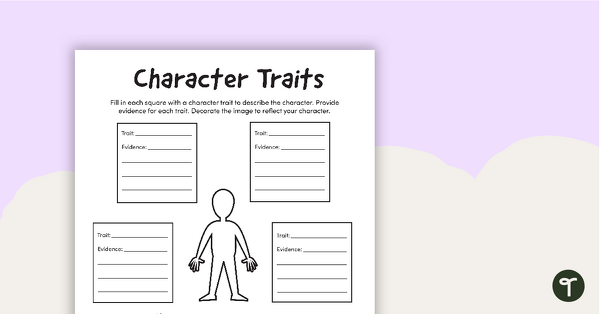
Character Traits Graphic Organizer
Describe the most notable mental and moral qualities of a real or fictional person.
- Plus Plan
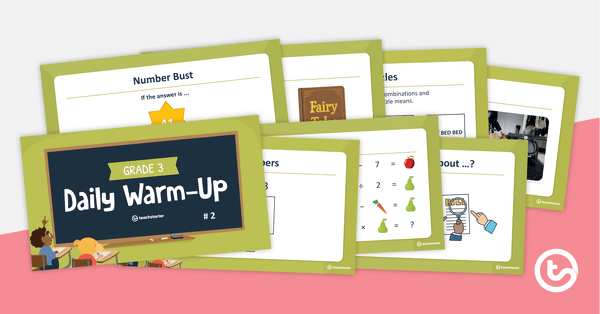
Grade 3 Daily Warm-Up – PowerPoint 2
A 64-slide PowerPoint presentation containing a variety of quick warm-up activities.
- Plus Plan
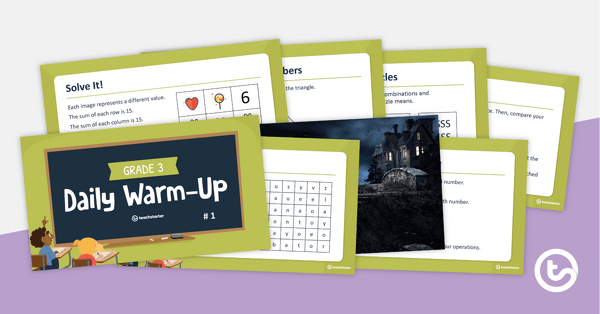
Grade 3 Daily Warm-Up – PowerPoint 1
A 68-slide PowerPoint presentation containing a variety of quick warm-up activities.
- Plus Plan
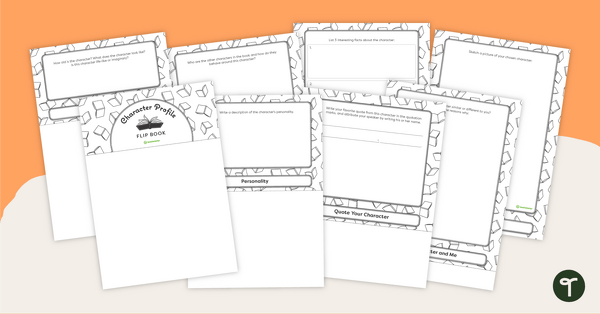
Character Profile Flip Book - Primary Grades
Explore story characters with this flipbook template for lower primary students.
- Plus Plan
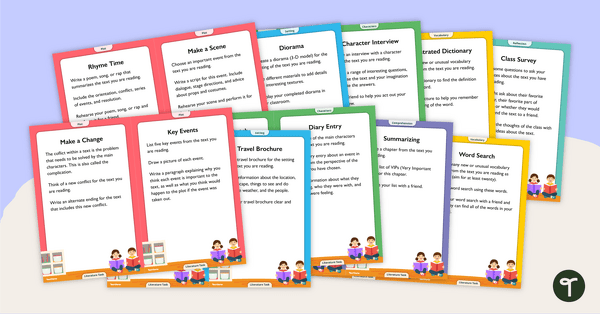
Literature Task Cards
A set of 30 literature tasks to assist your students with examining and responding to literature.
- Plus Plan
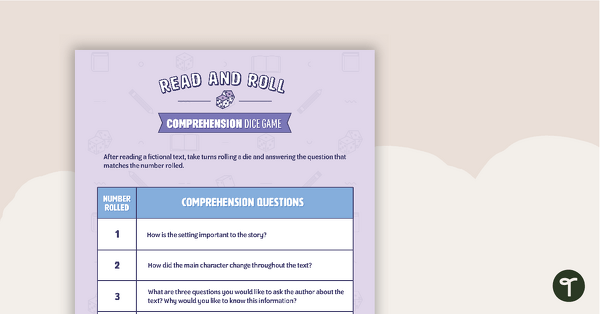
Read and Roll - Comprehension Dice Game
A fun reading comprehension game to play after reading a fictional text.
- Plus Plan
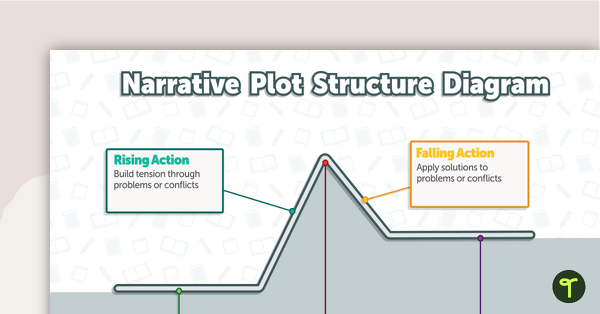
Narrative Plot Structure Diagram
A plot diagram for students to refer to when planning narrative writing.