VC2E3LE05
create texts, using or adapting language features, characters, settings, plot structures and ideas from literary texts they have encountered
- drawing on literary texts read, viewed and listened to for inspiration and ideas to create texts
- adapting texts read, viewed and listened to by changing the setting or revising an ending
- discussing characters encountered in literary texts and sharing ideas about how those characters may be a model for students’ own writing
- Plus Plan
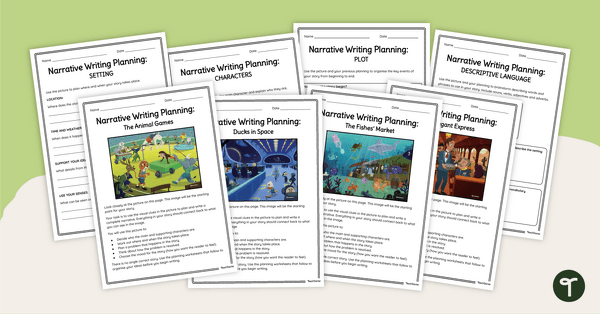
Narrative Writing Prompts Worksheets
Download these engaging narrative writing prompts worksheets that spark creativity and make story planning easy for your students.
- Plus Plan
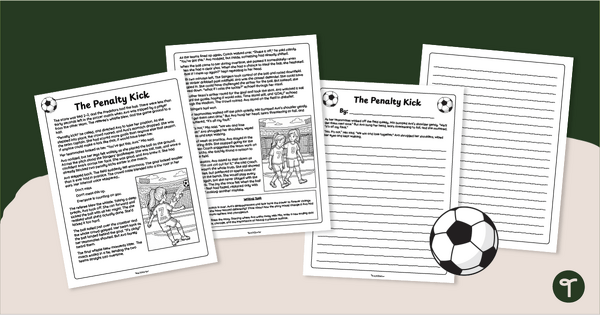
The Penalty Kick - Write a New Ending to a Story Activity
Promote resilience and boost narrative writing skills with a football-themed ‘Write a New Ending to a Story’ reading prompt and writing activity for National Simultaneous Storytime 2026.
- Plus Plan
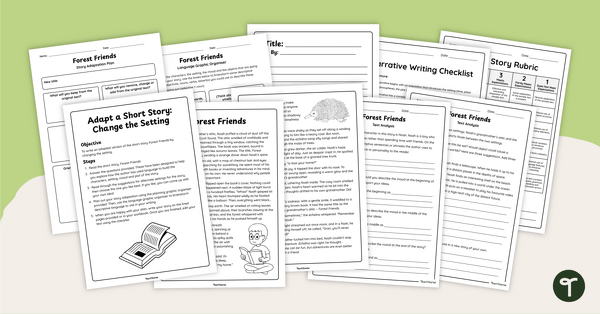
Adapt a Short Story – Change the Narrative Setting
Explore the role the narrative setting plays within a story with this engaging and fully scaffolded writing project booklet for primary students.
- Plus Plan
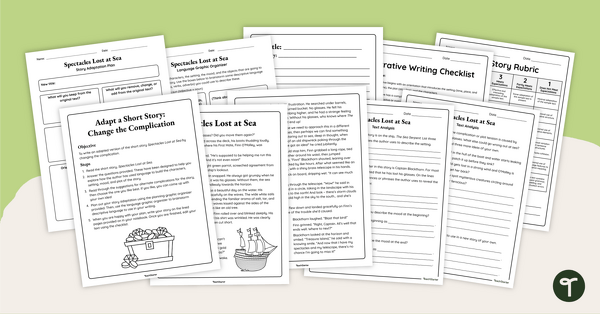
Adapt a Short Story – Change the Complication
Explore the role the complication of a story plays within narrative structure with this engaging and fully scaffolded writing project booklet.
- Plus Plan
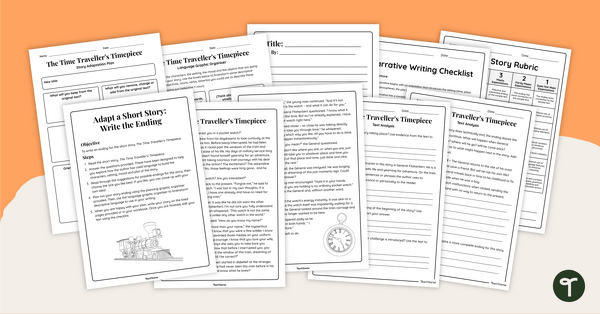
Adapt a Short Story – Write the Ending
Get your students to write the ending of an existing story with this engaging and fully scaffolded writing project booklet.
- Plus Plan
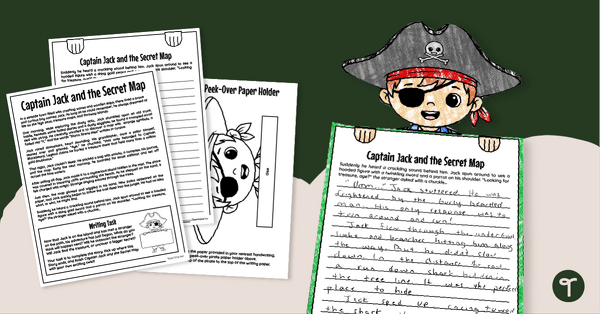
Finish the Pirate Adventure Story - Book Week Writing Template
Turn Book Week into a writing adventure with a printable Pirate Adventure-Themed Book Week Writing Template.