Literature
- Plus Plan
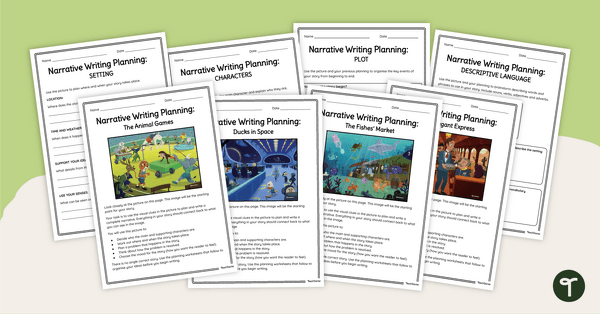
Narrative Writing Prompts Worksheets
Download these engaging narrative writing prompts worksheets that spark creativity and make story planning easy for your students.
- Plus Plan
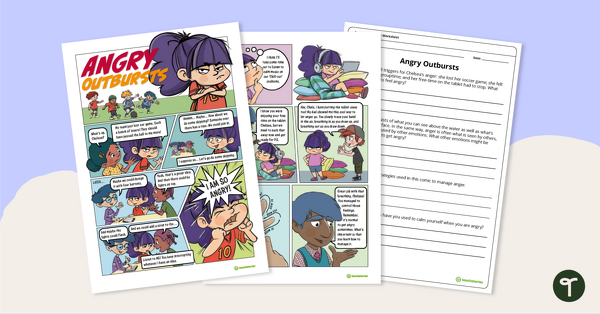
Making Reading Connections Using Comics
Get your students making reading connections with these engaging comics and accompanying worksheets that help students link what they read to their own experiences, other texts and the wider world.
- Plus Plan
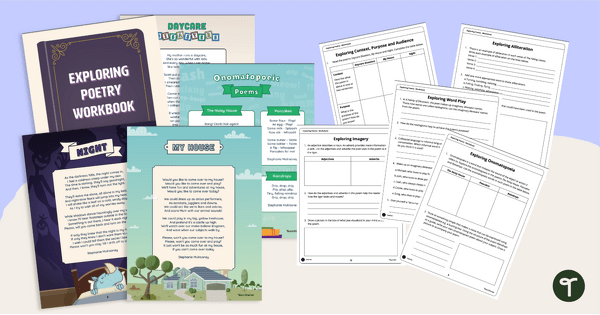
Exploring Poetry Workbook
Teach your students about all things poetry with this jam-packed poetry workbook created especially for primary school students.
- Plus Plan
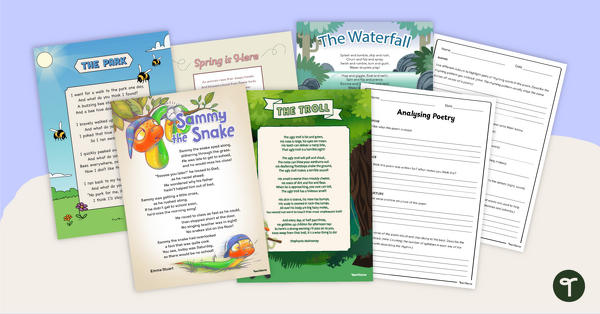
Poetry Analysis Worksheets – Year 3 and 4
Teach poetry analysis skills with this set of engaging children’s poems, accompanied by an analysis worksheet exploring purpose, audience, structure, sound and imagery.
- Plus Plan
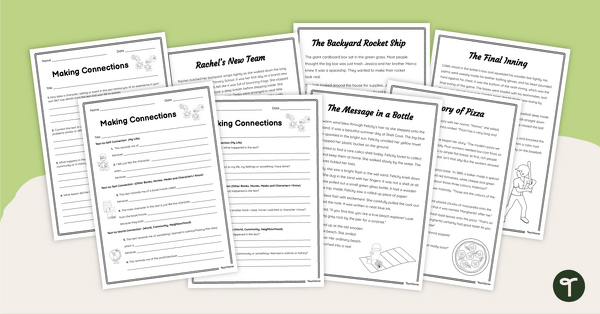
Making Connections Reading Comprehension Passages
Teach the making connections reading comprehension strategy with this set of five engaging short stories and differentiated graphic organisers that help students build meaningful text-to-self, text-to-text and text-to-world connections.
- Plus Plan
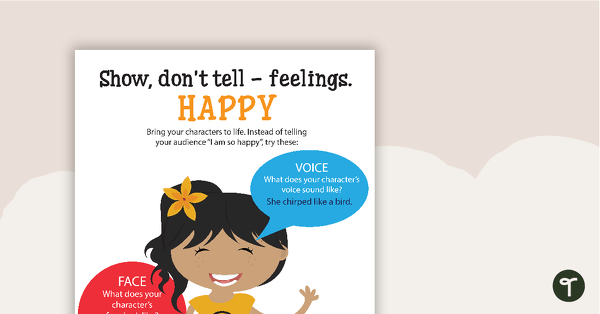
Show Don’t Tell Posters – Character Feelings
Use this set of Show, Don’t Tell posters to help your students describe character emotions through vivid details instead of simple statements.
- Plus Plan
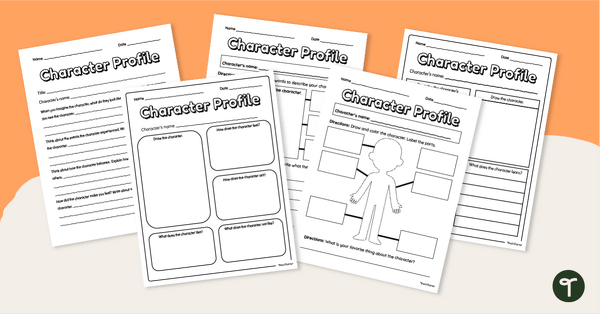
Character Profile Template Pack
Explore the personality, appearance, feelings and actions of a character from a narrative with this printable character profile templates.
- Plus Plan
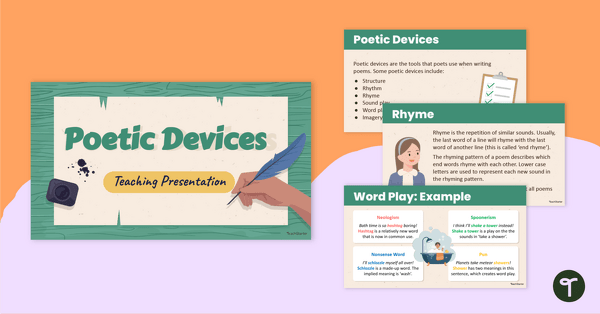
Poetic Devices Teaching Slides
Explore examples of poetic devices using this comprehensive and age-appropriate slide deck perfect for your poetry writing unit.
- Plus Plan
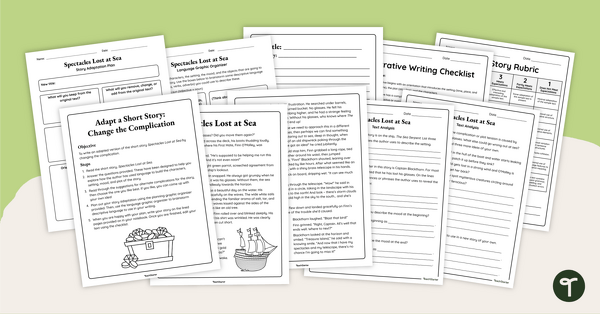
Adapt a Short Story – Change the Complication
Explore the role the complication of a story plays within narrative structure with this engaging and fully scaffolded writing project booklet.
- Plus Plan
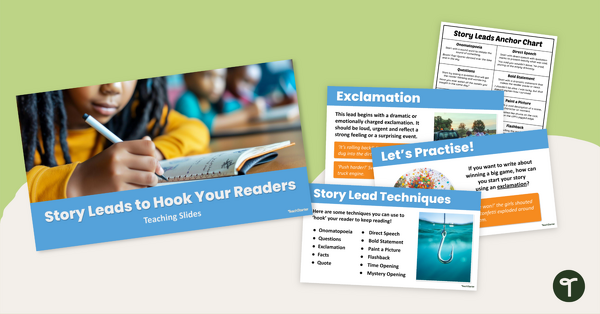
Narrative Writing Lesson - Story Leads to Hook Readers
Hook readers with this narrative writing lesson that introduces your students to eleven story lead strategies.
- Plus Plan
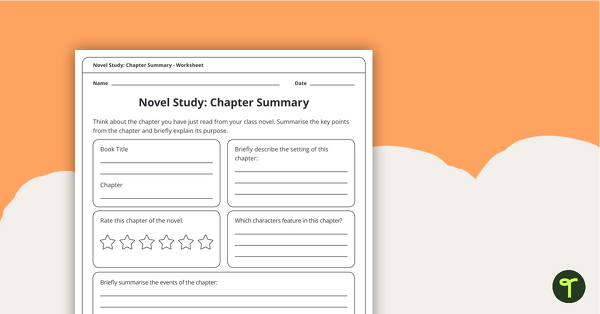
Novel Study Worksheet Pack
Download this set of novel study worksheets that can be used with any text to support your students in exploring characters and events in literature.
- Plus Plan
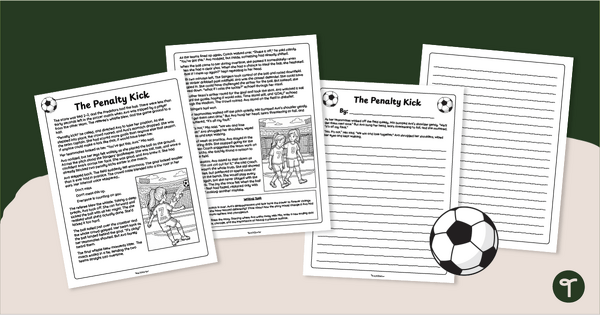
The Penalty Kick - Write a New Ending to a Story Activity
Promote resilience and boost narrative writing skills with a football-themed ‘Write a New Ending to a Story’ reading prompt and writing activity for National Simultaneous Storytime 2026.
- Plus Plan
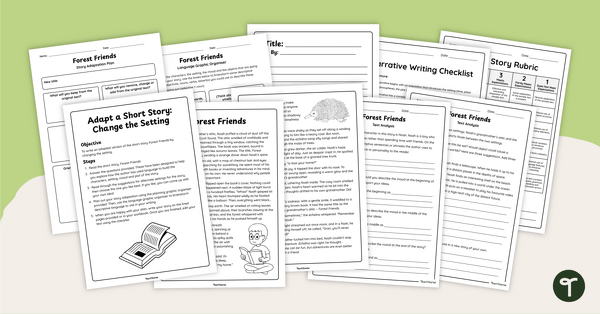
Adapt a Short Story – Change the Narrative Setting
Explore the role the narrative setting plays within a story with this engaging and fully scaffolded writing project booklet for primary students.
- Plus Plan
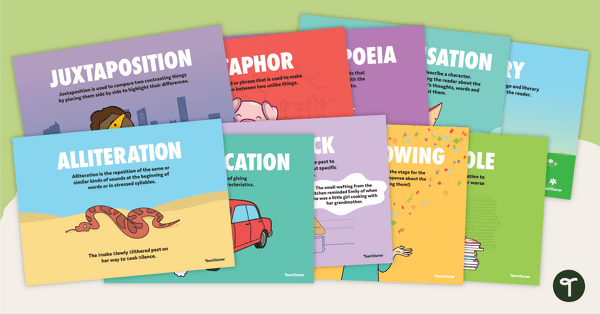
Literary Devices Poster Pack
Explore the various literary devices used by authors with the set of colourful classroom posters.
- Plus Plan
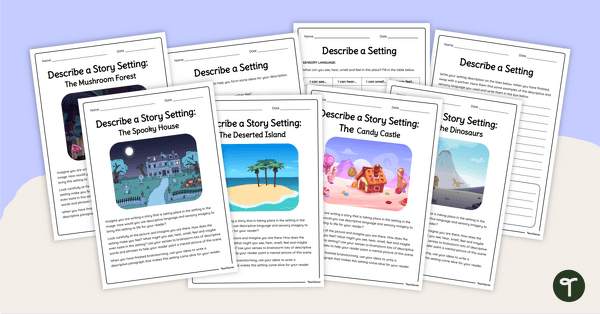
Describe a Story Setting Worksheets
Download these engaging story setting worksheets that help students brainstorm descriptive language and write vivid setting descriptions with ease.
- Plus Plan
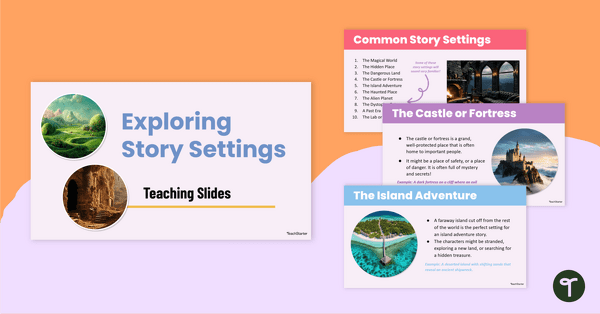
Examples of Story Settings Teaching Slides
Discover engaging examples of story settings with this teaching presentation that introduces students to ten classic settings in children’s literature.
- Plus Plan
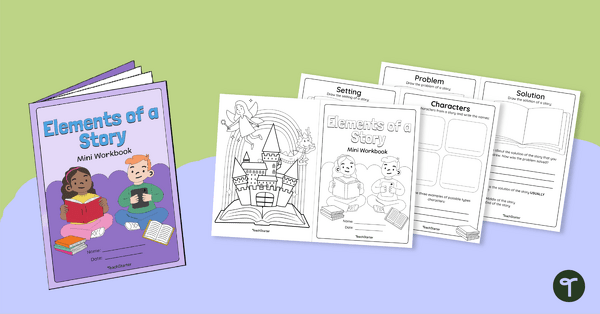
Elements of a Story Activity Workbook
Explore the different elements of a narrative story with this student mini workbook.
- Plus Plan
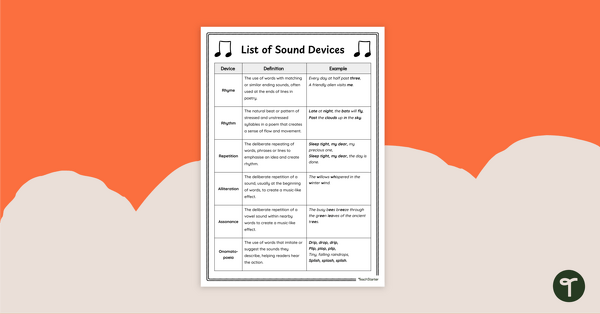
List of Sound Devices
Download this list of sound devices in poetry to help students recognise, understand and confidently use sound techniques that bring poems to life.
- Plus Plan
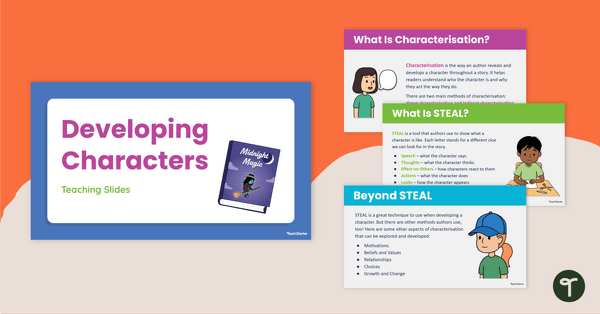
Develop a Character Teaching Slides
Teach your students how to develop a character using the STEAL technique and other characterisation methods with this comprehensive teaching presentation.
- Plus Plan
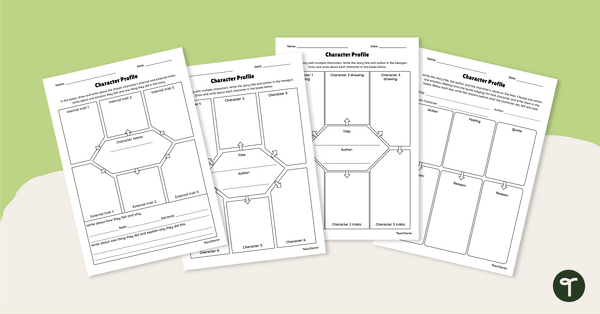
Character Profile - Graphic Organisers
Explore the internal and external traits of story characters with a set of differentiated graphic organisers.
- Plus Plan

Five Senses Imagery Teaching Slides
Teach five senses imagery with an engaging slide deck that helps students understand how authors use descriptive language to create vivid mental pictures and richer reading experiences.
- Plus Plan
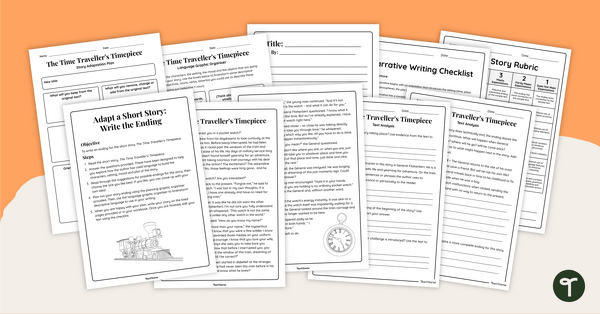
Adapt a Short Story – Write the Ending
Get your students to write the ending of an existing story with this engaging and fully scaffolded writing project booklet.
- Plus Plan
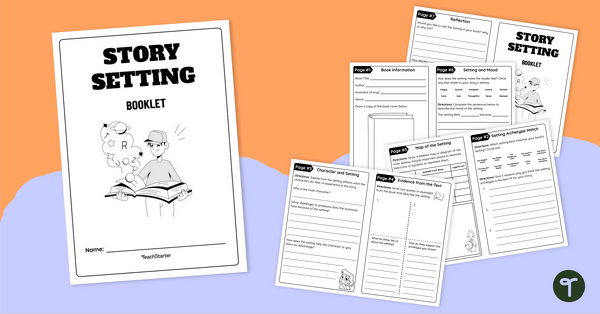
Story Settings Booklet
Explore common story settings in literature with this engaging 8-page mini book that helps students analyse settings from their own reading.
- Plus Plan
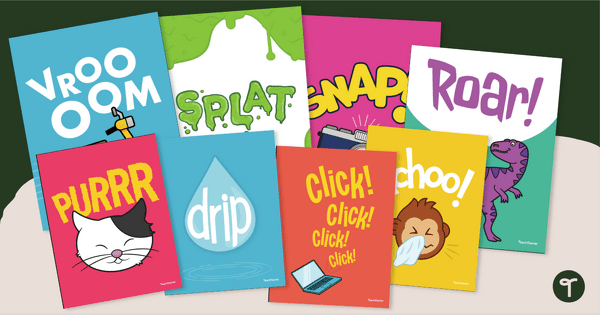
Figurative Language Posters – Onomatopoeia
Help young readers and writers recognise onomatopoeias with a set of onomatopoeia classroom posters.
- Plus Plan
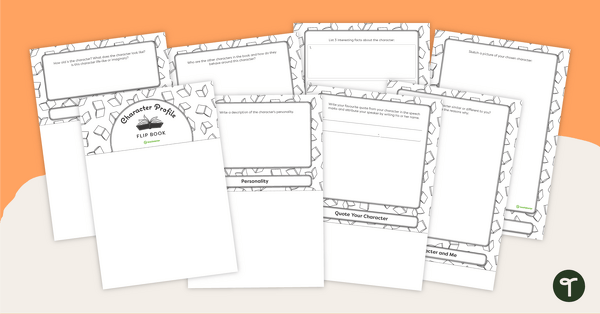
Character Profile Flip Book - Lower Primary
Explore story characters with this flipbook template for lower primary students.
- Plus Plan
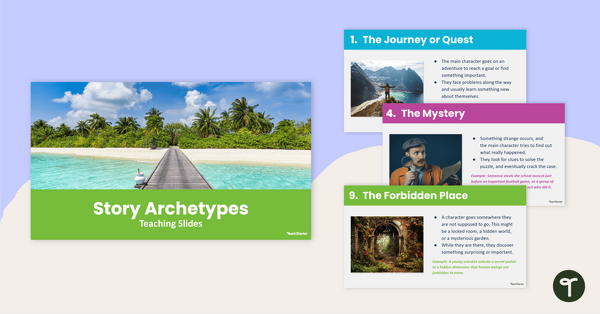
Story Archetypes Teaching Slides
Teach story archetypes with this engaging slide deck that introduces students to ten of the most common plot patterns in literature.
- Plus Plan
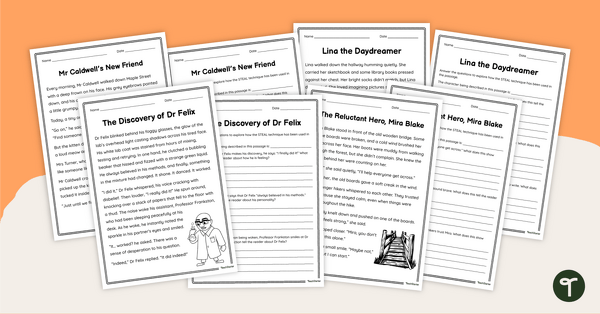
Character Description – Text Analysis Worksheets
Teach character description with this set of four worksheets that help students explore how authors use the STEAL technique to bring characters to life.
- Plus Plan
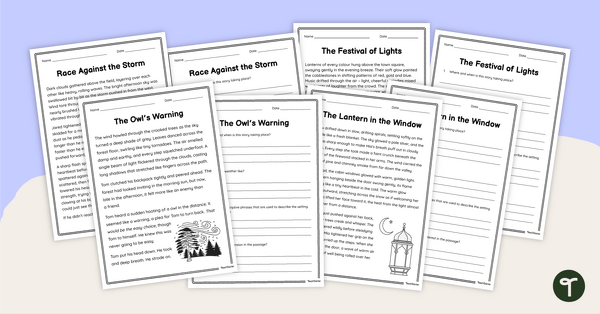
Mood in Narrative Writing – Text Analysis Worksheets
Teach mood in narrative writing with this set of four worksheets designed to help students explore narrative atmosphere in the context of real texts.
- Plus Plan
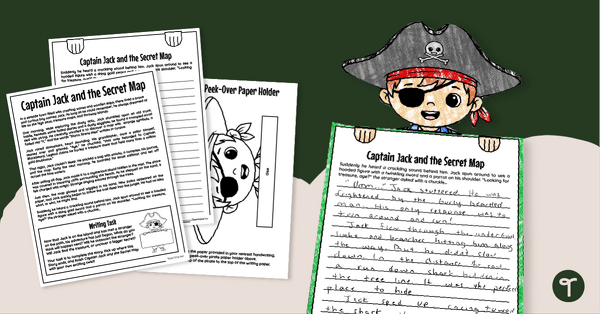
Finish the Pirate Adventure Story - Book Week Writing Template
Turn Book Week into a writing adventure with a printable Pirate Adventure-Themed Book Week Writing Template.
- Plus Plan
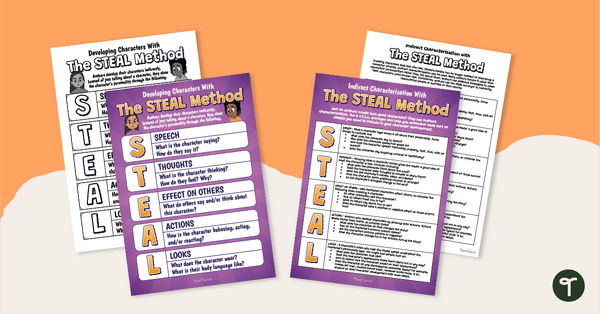
STEAL Characterisation Anchor Charts
Use the S.T.E.A.L. method of characterisation to help your students ‘steal’ the show with their writings using handy printable anchor charts.
- Plus Plan
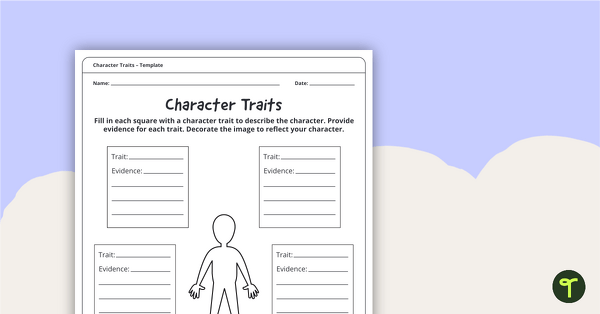
Character Traits Graphic Organiser
Describe the most notable mental and moral qualities of a real or fictional person.
- Plus Plan
Making Connections to Text Teaching Slides
Teach the reading comprehension skill of making connections to text with this ready-to-use, age-appropriate teaching presentation for Year 3 and 4 students.