VC2E4LE03
compare how authors and illustrators make literary texts exciting, moving and absorbing and hold readers’ interest by using plot tension, character and setting
- examining an author’s choice of language to describe a character’s appearance, behaviour and speech
- discussing what is learnt about a character through dialogue such as their likes, dislikes or personal qualities
- identifying moments in the plot where characters are faced with choices, and commenting on how the author makes the reader care about their decisions and the consequences
- identifying how illustrations contribute to the meaning of stories by Aboriginal and Torres Strait Islander authors
- Plus Plan
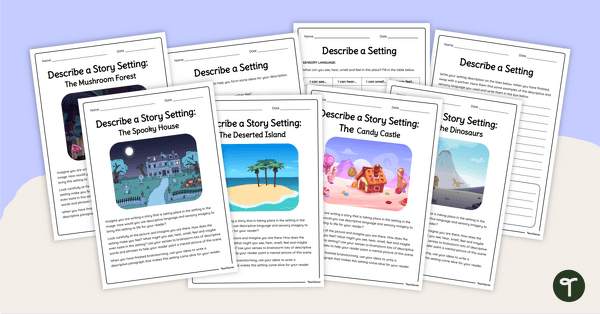
Describe a Story Setting Worksheets
Download these engaging story setting worksheets that help students brainstorm descriptive language and write vivid setting descriptions with ease.
- Plus Plan
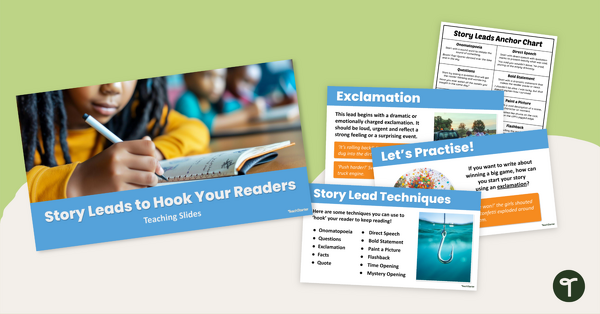
Narrative Writing Lesson - Story Leads to Hook Readers
Hook readers with this narrative writing lesson that introduces your students to eleven story lead strategies.
- Plus Plan
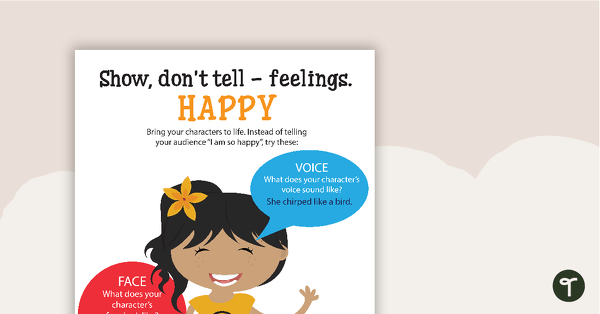
Show Don’t Tell Posters – Character Feelings
Use this set of Show, Don’t Tell posters to help your students describe character emotions through vivid details instead of simple statements.
- Plus Plan
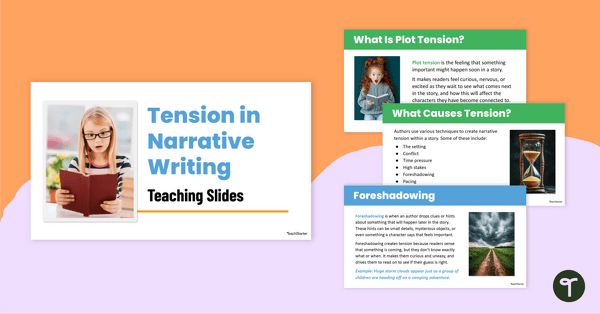
Building Tension in Narrative Writing Teaching Slides
Teach how to build tension in narrative writing with this interactive presentation that explains eight author techniques for creating suspense and excitement in stories.
- Plus Plan
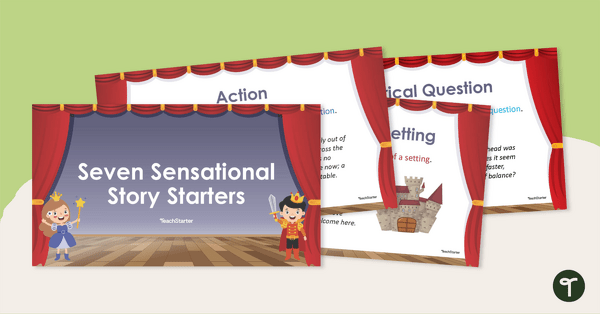
Seven Sensational Story Starters PowerPoint
Inspire creative and catching narrative story starters with this story starters set of teaching slides.
- Plus Plan
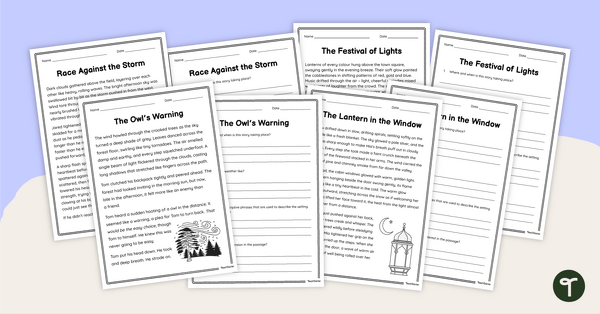
Mood in Narrative Writing – Text Analysis Worksheets
Teach mood in narrative writing with this set of four worksheets designed to help students explore narrative atmosphere in the context of real texts.
- Plus Plan
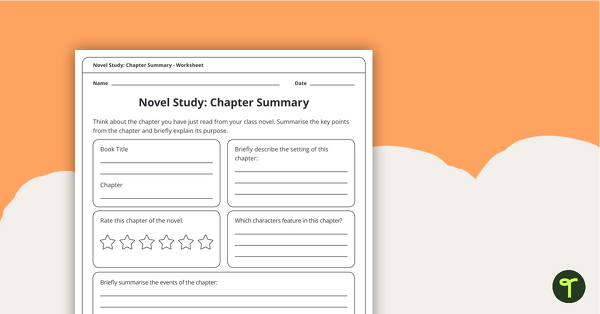
Novel Study Worksheet Pack
Download this set of novel study worksheets that can be used with any text to support your students in exploring characters and events in literature.
- Plus Plan
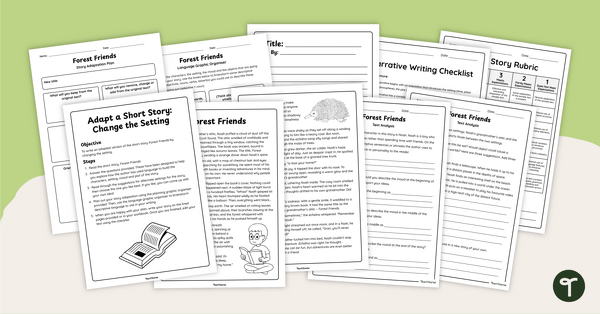
Adapt a Short Story – Change the Narrative Setting
Explore the role the narrative setting plays within a story with this engaging and fully scaffolded writing project booklet for primary students.
- Plus Plan
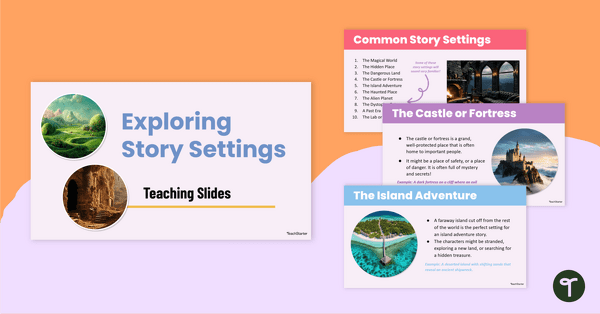
Examples of Story Settings Teaching Slides
Discover engaging examples of story settings with this teaching presentation that introduces students to ten classic settings in children’s literature.
- Plus Plan
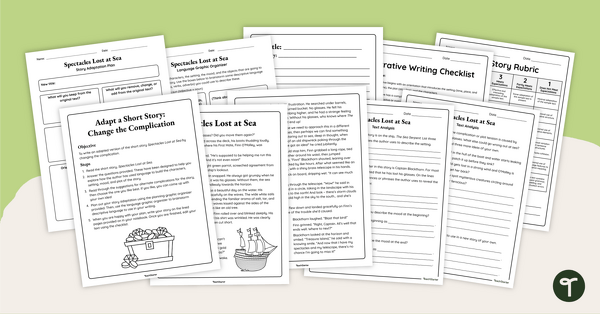
Adapt a Short Story – Change the Complication
Explore the role the complication of a story plays within narrative structure with this engaging and fully scaffolded writing project booklet.
- Plus Plan
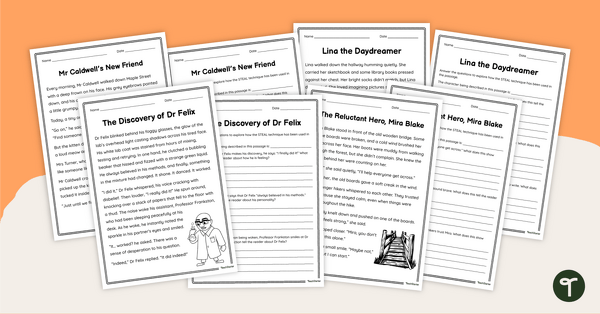
Character Description – Text Analysis Worksheets
Teach character description with this set of four worksheets that help students explore how authors use the STEAL technique to bring characters to life.
- Plus Plan
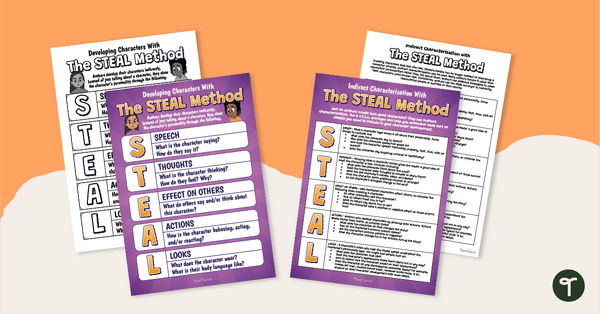
STEAL Characterisation Anchor Charts
Use the S.T.E.A.L. method of characterisation to help your students ‘steal’ the show with their writings using handy printable anchor charts.
- Plus Plan
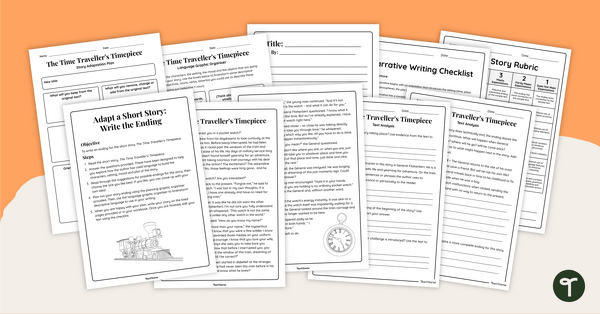
Adapt a Short Story – Write the Ending
Get your students to write the ending of an existing story with this engaging and fully scaffolded writing project booklet.
- Plus Plan
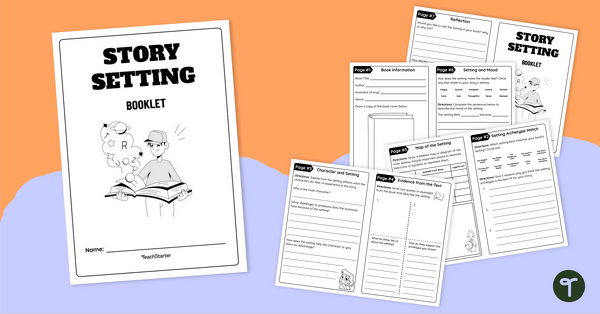
Story Settings Booklet
Explore common story settings in literature with this engaging 8-page mini book that helps students analyse settings from their own reading.
- Plus Plan
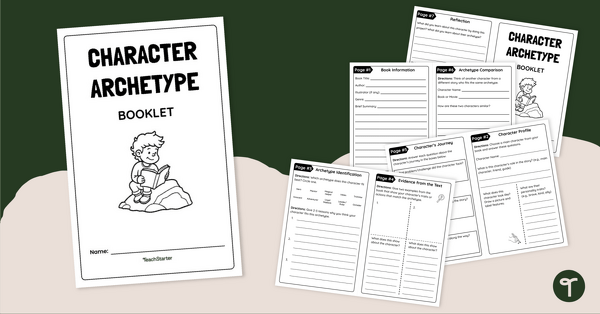
Archetype Characters Booklet
Explore archetype characters with this engaging 8-page mini book that helps students analyse a character from a book they have recently read.
- Plus Plan
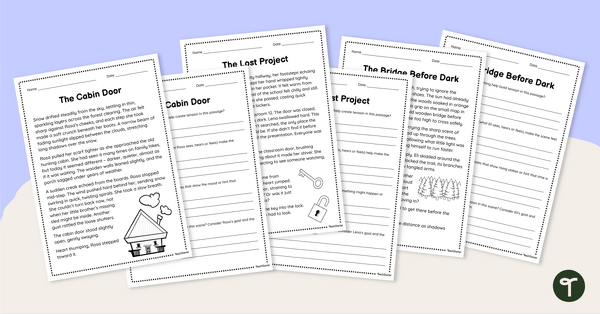
Narrative Tension – Text Analysis Worksheets
Teach narrative tension with this set of three worksheets designed to help students explore how authors build suspense and keep readers hooked.
- Plus Plan
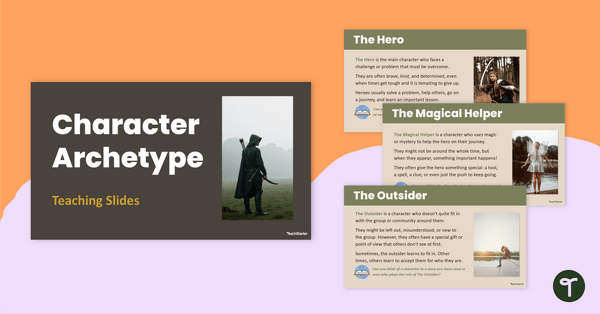
Character Archetype Teaching Slides
Download this character archetype slide deck to help your students identify and analyse common character types in literature.
- Plus Plan
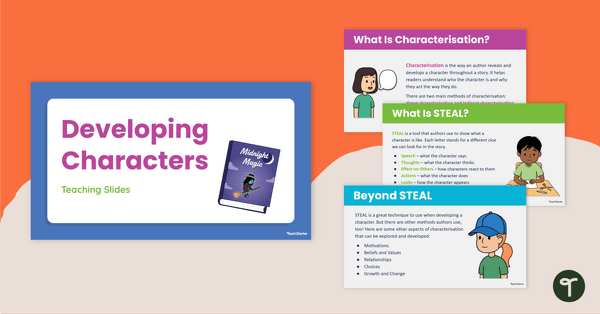
Develop a Character Teaching Slides
Teach your students how to develop a character using the STEAL technique and other characterisation methods with this comprehensive teaching presentation.
- Plus Plan
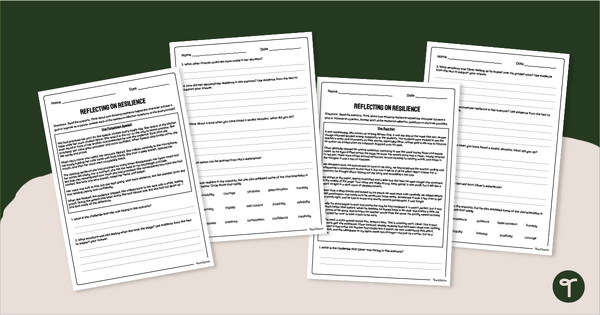
Reflecting on Resilience Worksheets (4-5)
Improve student resilience and reading comprehension skills with our Reflecting on Resilience Worksheets.
- Plus Plan
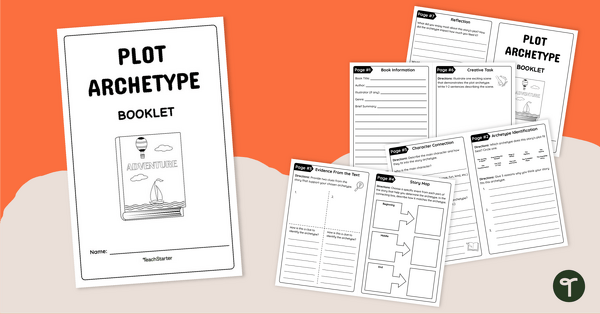
Plot Archetypes Booklet
Explore plot archetypes with this engaging 8-page mini book that helps students analyse familiar story structures.
- Plus Plan
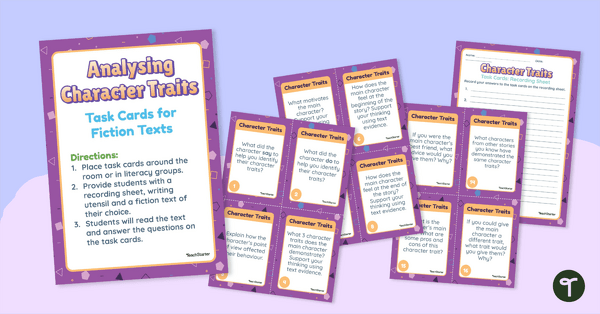
Character Analysis Task Cards
Get your students to perform a character analysis for any fictional character using this set of 20 task cards.
- Plus Plan

Story Archetypes Teaching Slides
Teach story archetypes with this engaging slide deck that introduces students to ten of the most common plot patterns in literature.
- Plus Plan
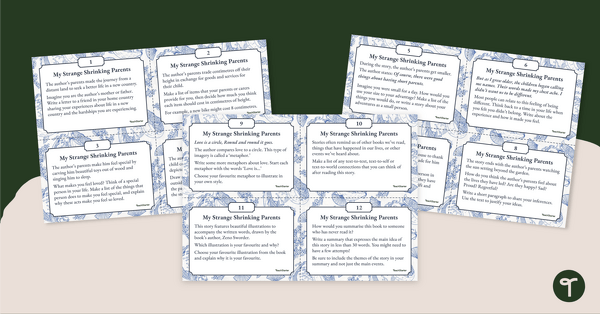
My Strange Shrinking Parents – Literature Task Cards
Deep dive into the characters and themes of Zeno Sworder’s highly acclaimed book, My Strange Shrinking Parents, with this set of 12 literature task cards.