VC2M3M04
describe the relationship between the hours and minutes on analog and digital clocks, and read the time to the nearest minute
- representing and reading the time on an analog clock using the markings and the positions of the hands, to the nearest minute mark or 5-minute interval
- reading and connecting analog and digital time, interpreting times, and recognising and using the language of time, for example, 12:15 as a quarter past 12, or 15 minutes past 12; 12:45 as a quarter to one or 15 minutes before one o’clock; and 10:05 as 5 minutes past 10
- reading analog clocks throughout the day, and noticing and connecting the position of the hour hand and the distance the minute hand has travelled during the current hour
- Plus Plan
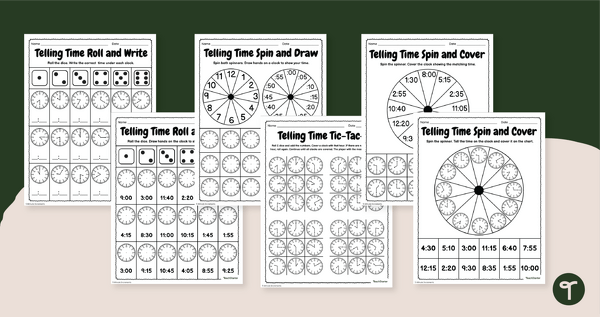
Telling Time Printable Games for Year 3
Help your students learn to tell time to the 5 minutes with this set of 6 printable Telling the Time games.
- Plus Plan
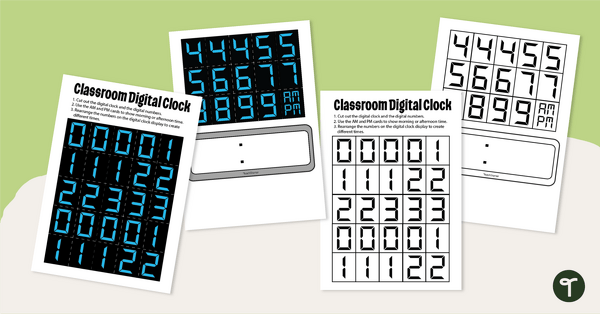
Digital Clock Template
Use an interactive digital clock to practice telling time during daily classroom calendar lessons.
- Plus Plan
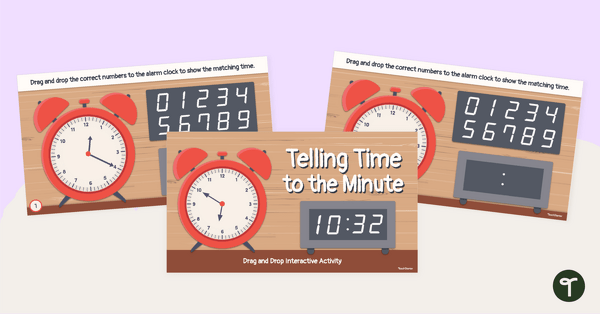
Time by the Minute - Year 3 Maths Interactive
Practise telling time by the minute with an interactive Time-telling digital learning activity.
- Plus Plan
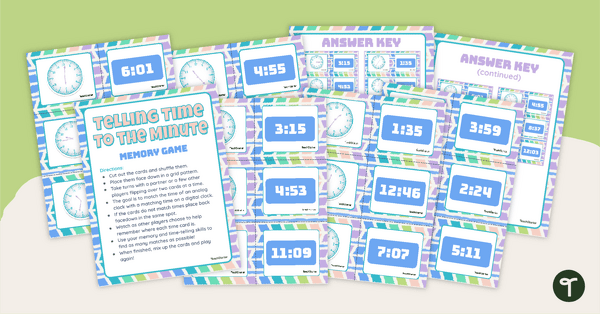
Telling Time to the Minute – Memory Game
Practise telling time to the minute with a printable time-to-the-minute game.
- Plus Plan
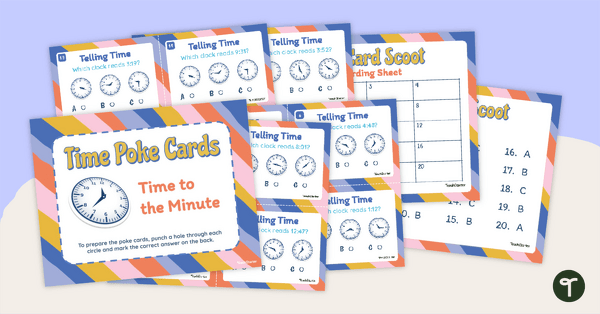
Time to the Minute Poke Cards
Practise reading analogue clocks and telling time to the minute with this set of self-checking poke cards.
- Plus Plan
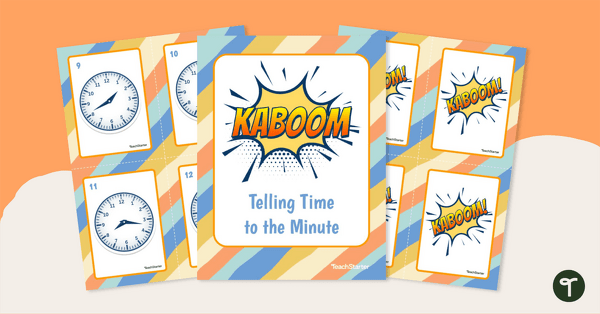
Telling Time to the Minute – Kaboom Game
Practise telling time to the minute with an exciting game of Telling Time Kaboom!
- Plus Plan
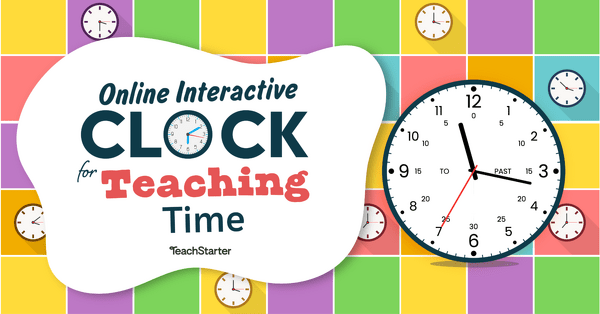
Interactive Clock for Teaching Time (Analogue and Digital)
Teach time with an interactive digital clock designed to add a hands-on element to this important primary school lesson!