VC2S2I06
observations, findings and ideas can be shared with others by using everyday and some scientific vocabulary
- using discussions, circle groups, drawings, blocks, modelling clay, craft materials or paper to share observations of external features of animals and plants
- using everyday language to describe push and pull forces, through role-play, labels, arrows or time-lapse drawings
- using scientific language to describe a collage that represents and displays all the ways that a material can be physically changed
- Plus Plan
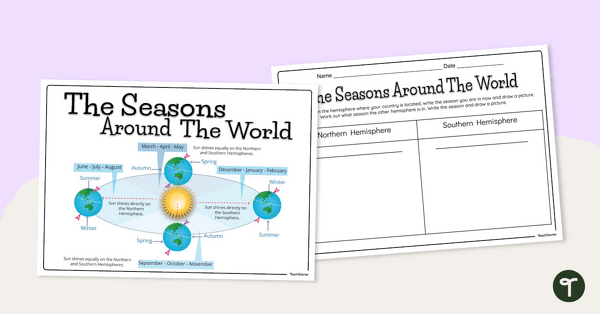
The Seasons Around the World Posters and Worksheet
Teach about the Earth's rotation around the sun and the corresponding seasons in the Northern and Southern Hemispheres with this 2-page worksheet.
- Plus Plan
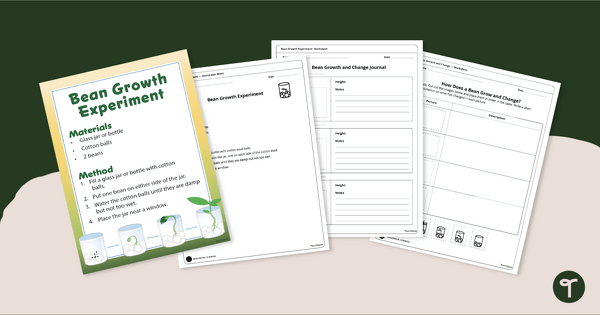
Lima Bean Experiment
“Grow” your students’ knowledge of plant life cycles with a plant growth experiment.
- Free Plan
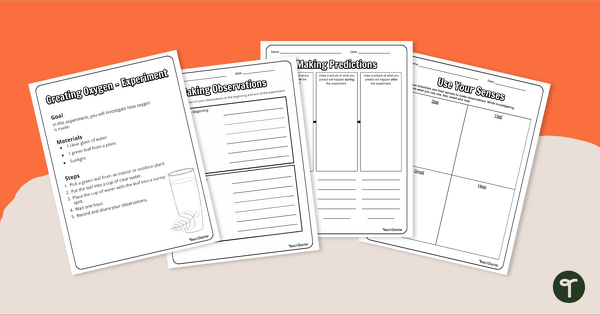
Observing Photosynthesis Experiment (F-2)
Investigate how oxygen is made with a hands on photosynthesis experiment.
- Plus Plan
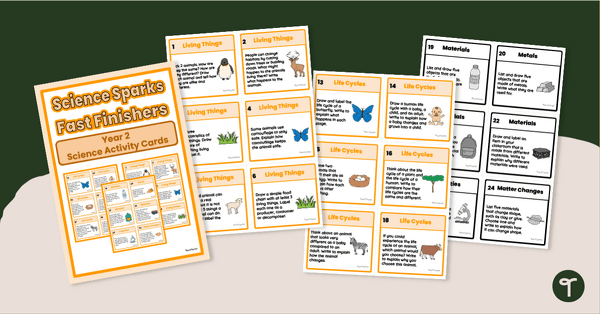
Science Sparks - Year 2 Science Activities for Fast Finishers
Use Science Sparks, a collection of year 2 science activities for fast finishers to review science standards during classroom downtime.
- Plus Plan
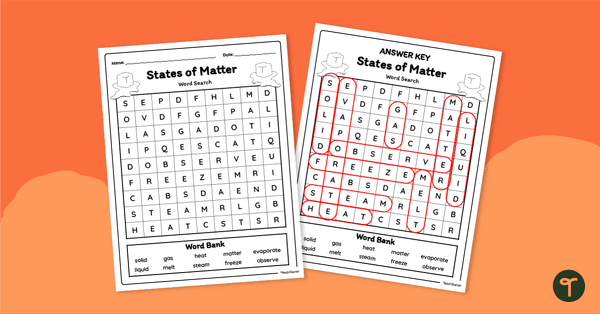
States of Matter Word Search - Lower Years
Use a States of Matter word search to introduce your early learners to new academic vocabulary.
- Plus Plan
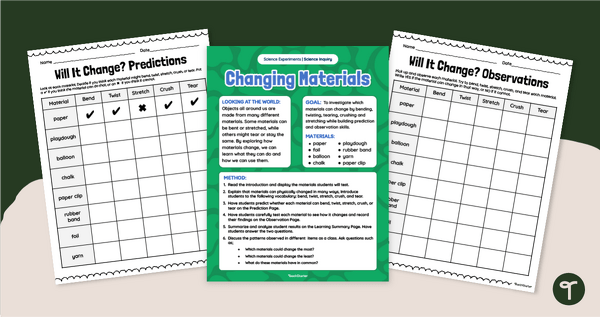
Bend, Twist or Stretch? Changing Materials Inquiry Activity
Explore materials, observe physical changes, make predictions, and share scientific observations with a hands-on Changing Materials Science Investigation.
- Free Plan
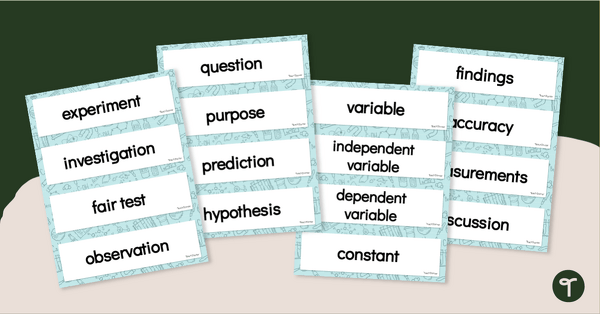
Scientific Method Word Wall Vocabulary
Introduce your students to vocabulary surrounding the Scientific Method with a printable science word wall.
- Plus Plan
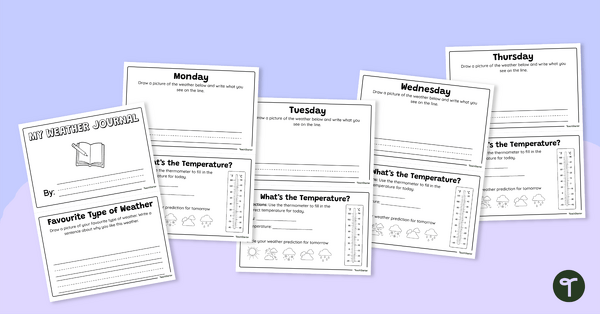
Weather Journal – Mini-Book
Draw and write about the current weather conditions, record weather data and predict what the following day’s forecast will be with this printable mini-book.
- Plus Plan
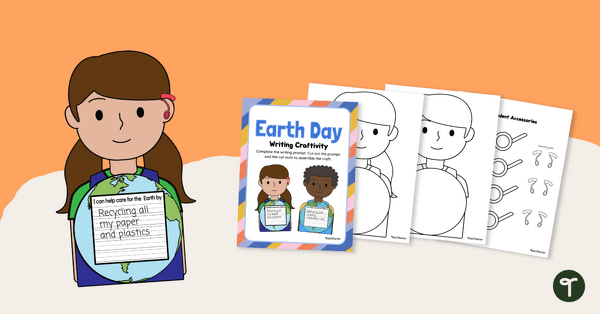
Earth Day Craft and Write
Create a fabulous Earth Day display with a printable Earth Day craft activity.
- Plus Plan
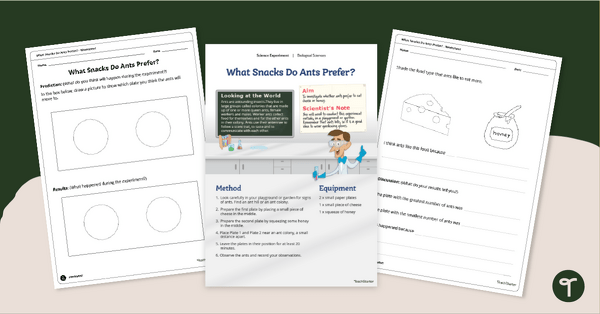
Science Experiment - What Snacks Do Ants Prefer?
Teach your early years students how to make scientific predictions and observations with an engaging hands-on science experiment.
- Plus Plan
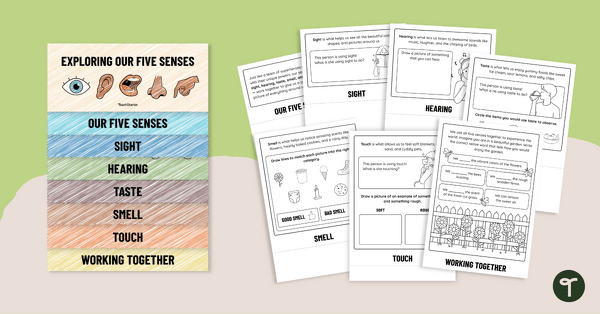
Five Senses Activity Flipbook
Explore the five senses with your students using this engaging five senses activity flipbook.
- Plus Plan
Science Experiment - Line Up the Light!
A science experiment which explores how light travels.
- Plus Plan
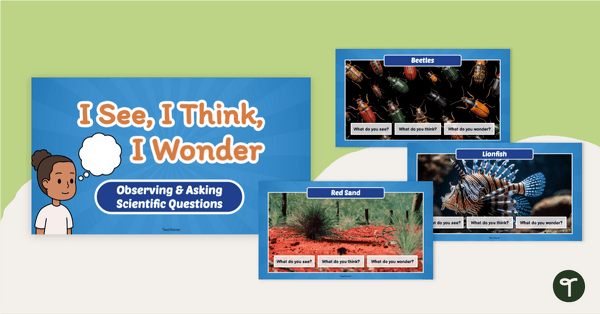
I See, I Think, I Wonder - Science Inquiry PowerPoint
Teach students to ask scientific questions, make observations, and inspire discussions with an engaging ‘I See, I Think, I Wonder’ Science Inquiry Slide Deck.
- Plus Plan
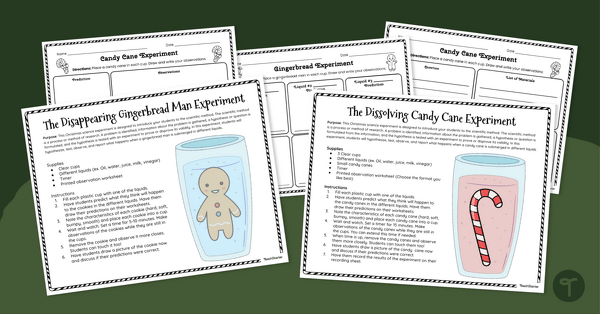
Christmas Science Experiments
Perform Christmas Science Experiments and teach your students about the scientific method with a set of two printable Christmas Science activities.
- Plus Plan
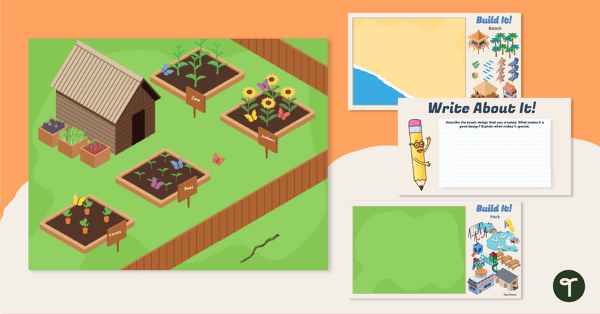
Build It! Interactive STEM Engineering Activity
Bring engineering into the digital classroom with an interactive design project.