Year 3 Teaching Resources
Explore printable worksheets, digital activities, games and more Year 3 resources, all aligned to the Australian curriculum! The teacher-created resources have all been designed with primary teachers and students in mind to meet the special needs of children as they transition into the middle years of their primary school education.
Carefully curated and thoroughly reviewed by the expert teachers of the Teach Starter team to ensure they're classroom-ready, our Year 3 resources can save you lesson planning time this school year with editable and differentiated options at the ready.
Teach Starter’s Year 3 resources utilise a vast array of resource types and have something for every learning area. Here's just a taste of what you'll find for your classroom!
- Spelling words and English worksheets
- Fractions activities and Maths worksheets
- Social and emotional learning activities
- Narrative writing stimuli
- Language conventions practice
- And so much more!
Are you new to teaching Year 3? Here's a look at what this year of primary school is all about!
What Is Year 3 in Australia?
Year 3 sits right in the middle of primary school for most students in Australia as the fourth year of compulsory education.
How Old Are Kids in Year 3?
The exact age of students will vary slightly by state (and birthday!), but most children in your Year 3 class will be 8 to 9 years old.
What Do Students Learn in Year 3?
Year 3 is a big one for Australian students. Many will sit the NAPLAN tests, and more than a few will hit double digits before the year is through. This is a big year for Maths between the introduction of more complex fractions and formal multiplication, as well as even more skill-building in other learning areas.
Exactly what they're expected to learn will depend to some degree on the state or territory where you are teaching, but here's a look at what your students can expect to encounter in the key areas of the curriculum!
English
Year 3 students continue to develop their reading, writing, speaking, and listening skills in their English lessons. Reading will involve more complex texts, including longer novels, non-fiction texts, and poetry.
Students will also be expected to analyse these texts more deeply, examining themes, character development, and literary techniques. Comprehension skill-building will require deeper analysis of texts and drawing inferences from what is read.
While Year 2 instruction focuses on basic writing skills such as sentence structure and punctuation, this older group of students will move toward more advanced writing skills such as paragraphing, using descriptive language, and organising ideas in a logical way.
Grammar and spelling will also become a greater focus this year, with an emphasis on understanding and applying more complex grammar rules and spelling patterns.
Maths
Fractions feature front and centre of the Year 3 Maths curriculum. Students will learn to identify, compare, and order unit fractions (those being fractions with a numerator of 1), as well as use them in simple problem-solving contexts.
We already alluded to this being a big year for multiplication, and is it ever! Year 3 students learn the basic multiplication facts — such as 2 x 2 = 4 and 3 x 3 = 9 — and they begin to use these facts to solve multiplication and division problems. They also learn to interpret and create simple multiplication and division problems.
Students will have the chance to build upon their understanding of measurement concepts from Year 2, including length, mass, and capacity. They'll learn to measure and estimate using standard units, plus how to compare and order measurements.
Maths students will expand their knowledge of 2D shapes this year, and they will begin to learn about three-dimensional shapes and their properties.
Place value is still a big part of maths, of course. Year 3 students expand their understanding of place value to include numbers up to 10,000, and they learn to read, write, and compare four-digit numbers. They also learn to use place value to solve addition and subtraction problems.
Science
Science instruction in Year 3 is more focused on building a deeper understanding of scientific concepts and their applications, as compared to Year 2. It also emphasises the development of scientific inquiry skills that will help kids become more proficient in conducting scientific investigations and communicating their findings.
Students in Year 3 learn to ask questions, plan and conduct investigations, collect and record data, and communicate their findings as part of their development of science inquiry skills. They spend a portion of the year learning about the characteristics of living things, including plants and animals. Year 3 students will have the chance to explore the life cycles of plants and animals, as well as learning about the needs of living things and their habitats.
While they're learning about things that live on Earth, they're also learning about the planet itself, exploring geological features such as rocks, soil, and minerals. They also explore heat energy and how it can be transferred from one object to another.
Last, but certainly not least, Year 3 students learn about the properties and states of matter, including solids and liquids (gasses are explored later on in primary school).
Humanities and Social Sciences
Building on the foundation set in Year 2, Year 3 HAAS lessons build a deeper understanding of historical events and concepts, as well as exploring the social and economic systems that underpin Australian society.
Students learn about the historical events, people, and places that have shaped Australia's history. They explore the concept of change and continuity over time and learn to use historical sources to investigate the past. Students also study significant cultural events celebrated in our country and how they contribute to Australia's diversity and identity.
Geography instruction will guide students as they learn about the physical and cultural characteristics of places and regions. They'll learn more about the representation of Australia as states and territories, and as Countries/Places of First Nations Australians. Students will also begin exploring Australia's neighbours such as New Zealand, Papua New Guinea, and Indonesia.
Civics instruction sees Year 3 students strengthening their understanding of what it means to live in a democratic society. They will draw upon their own personal experiences to examine why rules are important and to discuss how they can be active participants in the communities to which they belong.
Health and Physical Education
With their bodies rapidly changing, Year 3 students learn about the factors that influence their health and wellbeing, including the importance of good nutrition, hygiene, and sleep. They also learn about social and emotional health, including how to manage their feelings, develop positive relationships, and make safe and healthy choices.
In Year 3, there are a number of different types of safety on tap in lessons, including road safety, water safety, and personal safety. They develop an understanding of risk and learn strategies for staying safe in different situations.
Year 3 students also learn about the importance of being active and informed citizens in their community. They learn about the benefits of volunteering and begin to develop an understanding of the responsibilities and rights of individuals in society.
The Arts
In Year 3, students develop more advanced skills in drawing, painting, and other visual arts techniques. This includes studying the elements of art — such as line, shape, colour, and texture — and beginning to use these to create more complex artworks.
In music class, these children are learning all about musical notation and how to read and write simple music, while drama instruction explores different forms of drama, including role-playing, improvisation, and scripted performance. Students get the chance to learn about the elements of drama, such as character, plot, and setting, and begin to use these to create their own dramatic works.
- Plus Plan
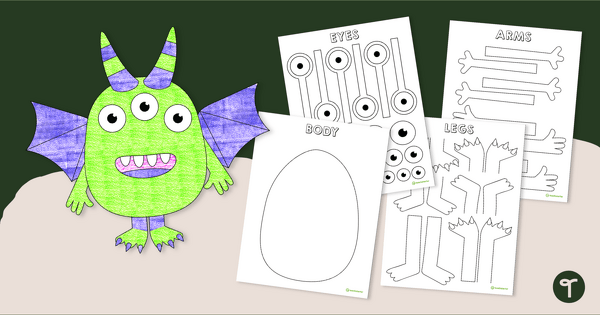
Make a Monster - Art Activity Template
Make a spectacularly fun monster with a printable Monster Craft Template.
- Plus Plan
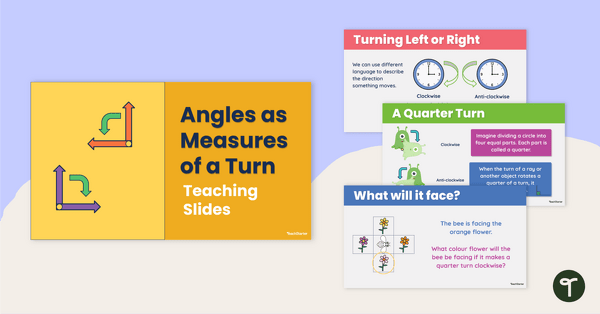
Angles as Measures of a Turn Teaching Slides
Teach your students about the relationship between measures of a turn and right angles with this teaching presentation for Year 3 students.
- Plus Plan
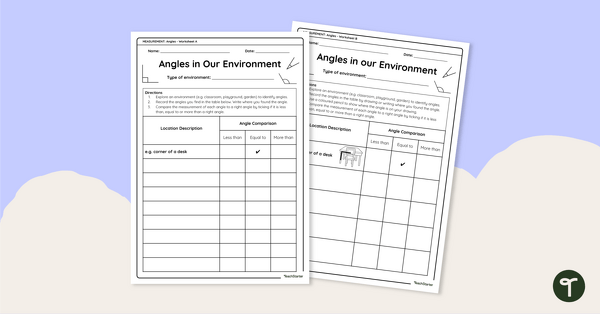
Angles in the Environment Worksheet
Help your students identify acute, right and obtuse angles in the environment with this differentiated worksheet.
- Plus Plan
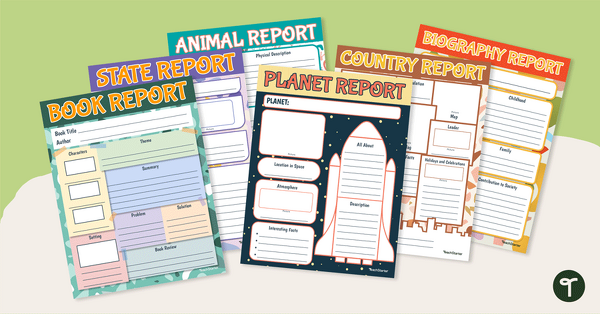
Let's Research! Information Report Templates
Conduct, organise, and display research about books, people, planets, animals, states, and countries with a versatile set of report writing templates.
- Plus Plan
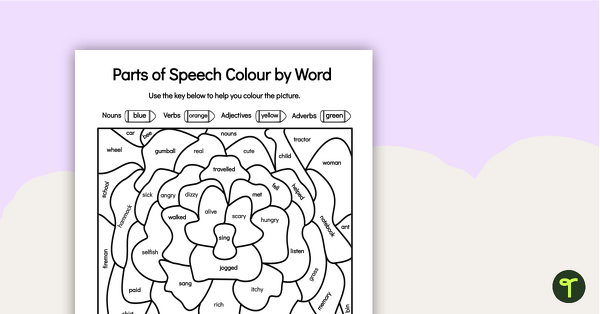
Parts of Speech Colouring Worksheet (Nouns, Verbs, Adjectives, Adverbs)
Use this colour by part of speech worksheet as a fun Autumn activity with your students.
- Plus Plan
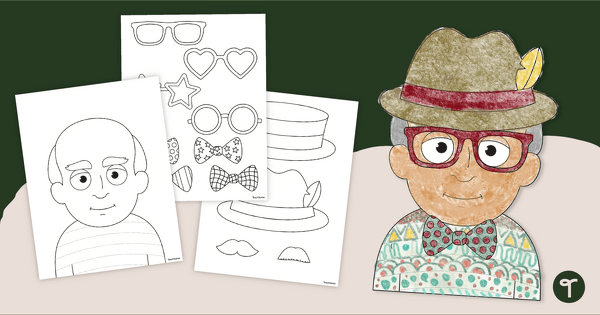
Funky Grandpa - Grandparents' Day Activity
Make Grandpa something special for Grandparents’ Day with our Funky Grandpa Craft Activity!
- Plus Plan
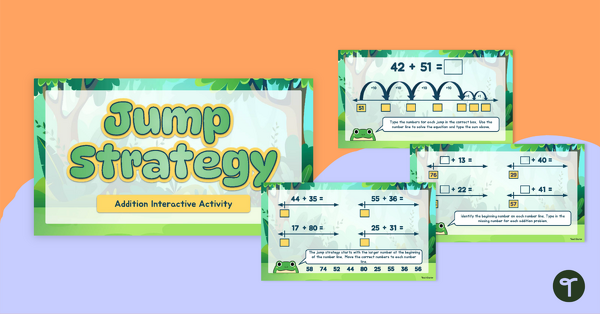
Jump Strategy Addition Interactive Activity
Practise using the addition jump strategy with this fun interactive activity.
- Plus Plan
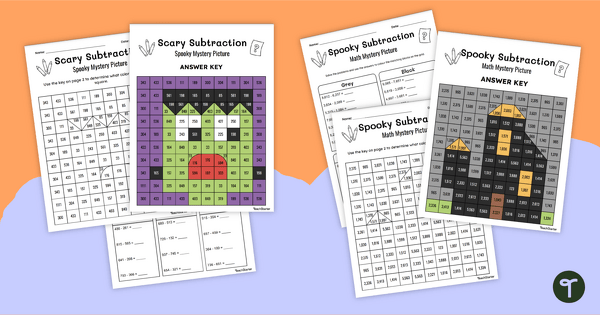
Spooky Subtraction Colour by Number - Worksheet
Bring some spooky maths fun into the classroom with a Halloween colour-by-number worksheet focused on subtracting four-digit numbers.
- Plus Plan
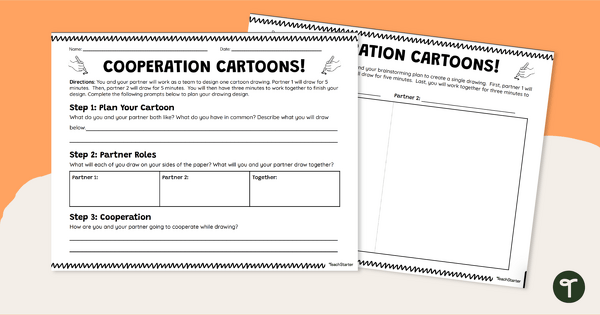
Cooperation Cartoons - Social Skills Activity
Encourage cooperation and collaboration in your classroom with a collaborative drawing activity.
- Free Plan
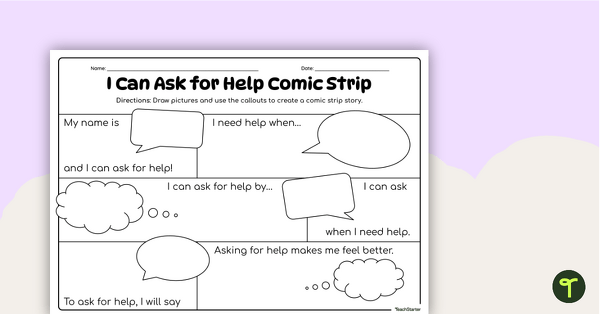
Asking for Help Comic Strip Template
Discuss how and who to go to for help using this comic strip template.
- Plus Plan
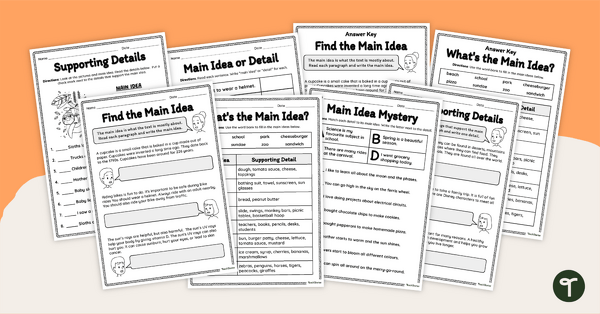
Main Idea and Details Worksheets
Practise finding the main idea and supporting detail with this pack of main idea worksheets.
- Plus Plan
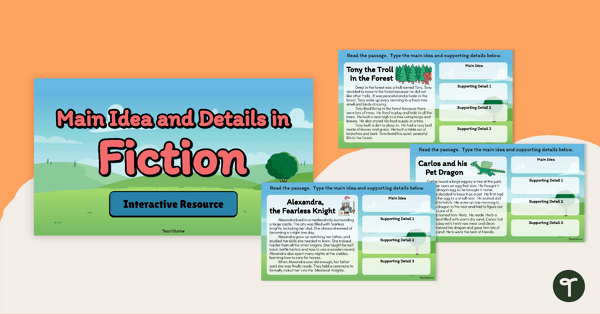
Finding the Main Idea in Fiction Texts Interactive Activity
Help your students easily find the main idea and support details in a fiction text with this interactive activity.
- Plus Plan
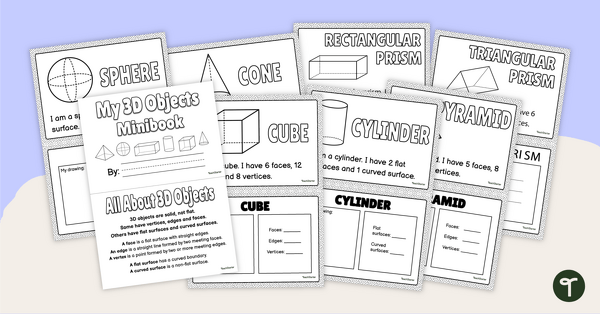
My 3D Object Mini-Book
Explore the properties of some common three-dimensional objects with this printable mini-book.
- Plus Plan
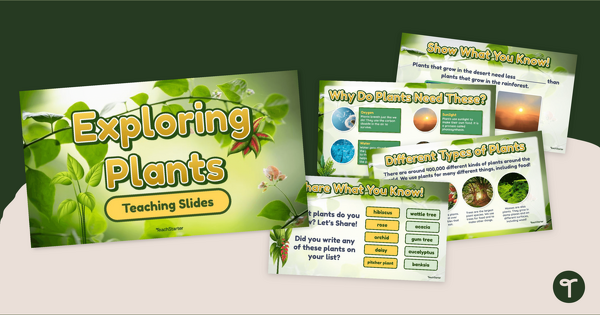
Exploring Plants PowerPoint
Explore the characteristics of plants in our environment with an interactive teaching slide presentation.
- Plus Plan
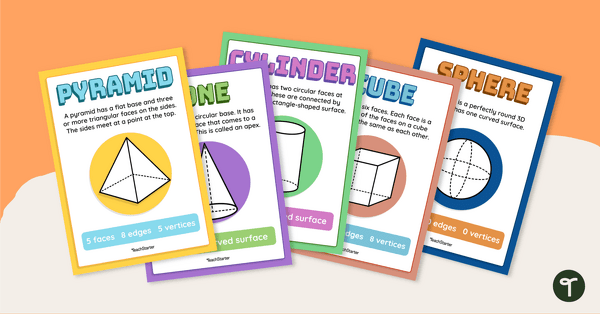
Properties of 3D Objects - Poster Set
Help your students identify the names and properties of common 3D objects with this set of five classroom posters.
- Plus Plan
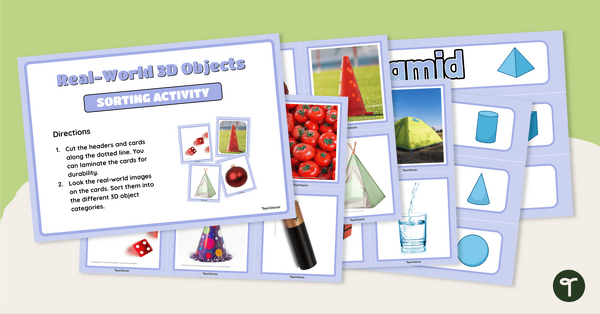
Real-World 3D Objects - Sorting Activity
Practise identifying and sorting three-dimensional objects with this set of 24 sorting cards.
- Plus Plan
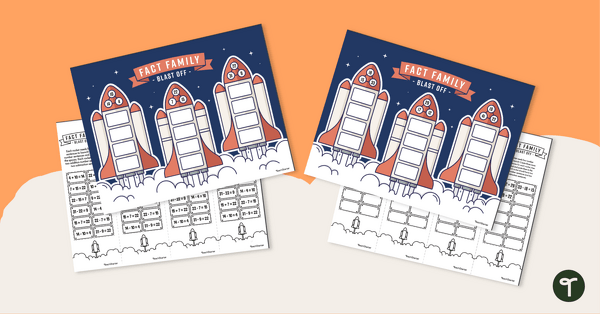
Fact Family Maths Blast Off - Addition and Subtraction
Demonstrate an understanding of addition and subtraction fact families with a fun cut and sort activity.
- Plus Plan
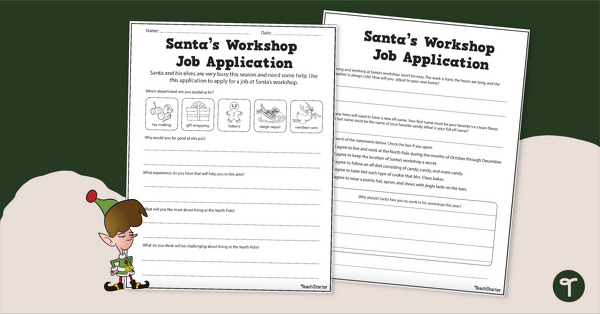
Santa's Workshop Job Application
Bring a bit of holiday cheer to your persuasive writing lessons by having your students complete a Santa's Workshop job application.
- Free Plan
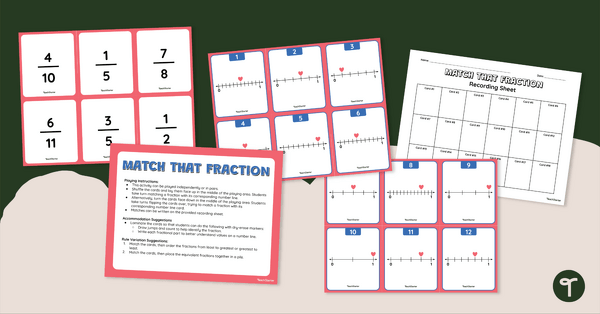
Match That Fraction! – Number Line Activity
Match fractions with their corresponding locations on a number line with a set of fraction task cards.
- Free Plan
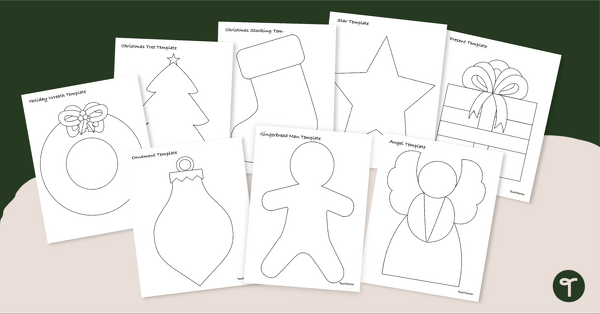
Christmas Templates - Printable Christmas Cut-Outs
Get crafty this holiday season with a printable Christmas Template Cut Out Pack.
- Plus Plan
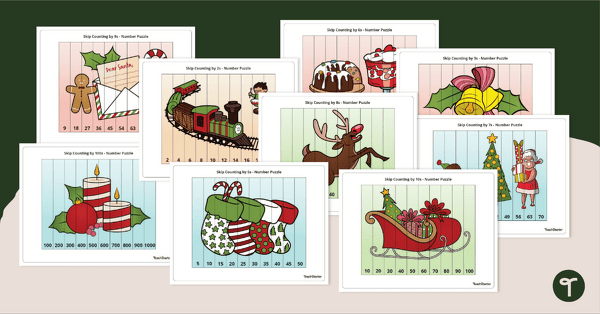
Christmas Skip Counting - Printable Puzzles
Grab a set of 10 printable Christmas puzzles to help students skip count in the classroom.
- Free Plan
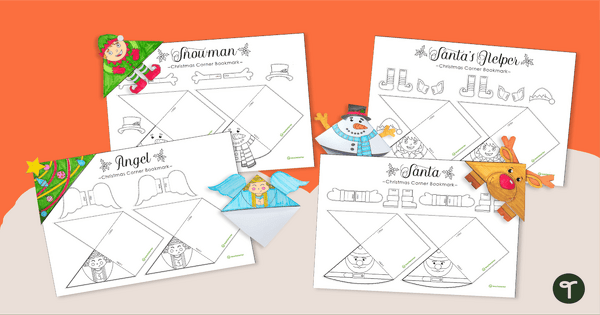
Christmas Corner Bookmark Templates
Craft a batch of Christmas bookmarks with our printable corner bookmark templates.
- Plus Plan
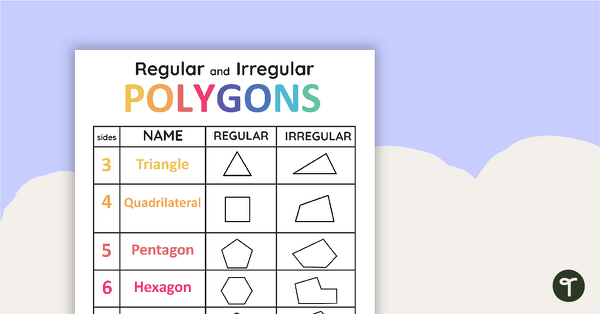
Regular and Irregular Polygons
A poster chart showing regular and irregular polygons.
- Plus Plan
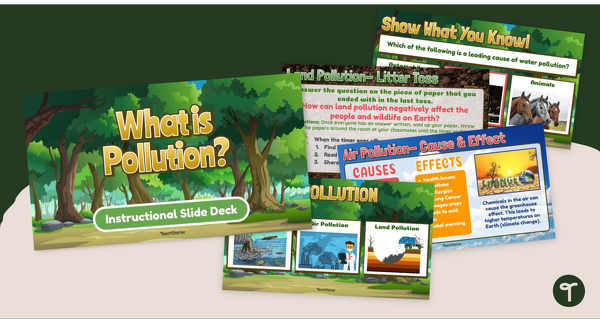
What is Pollution? PowerPoint Slideshow
Show your students the different types of pollution and their effects with an instructional PowerPoint on pollution.
- Plus Plan
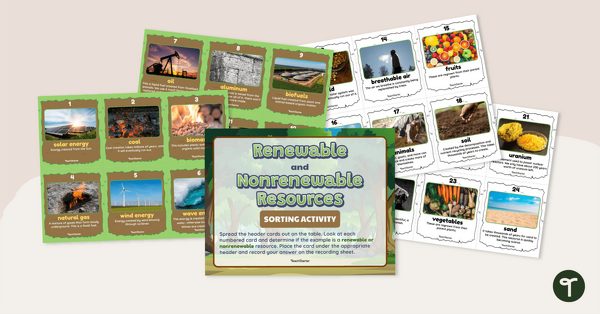
Renewable and Nonrenewable Resources – Sorting Activity
Identify resources as either renewable or nonrenewable with this 24-card sorting activity
- Plus Plan
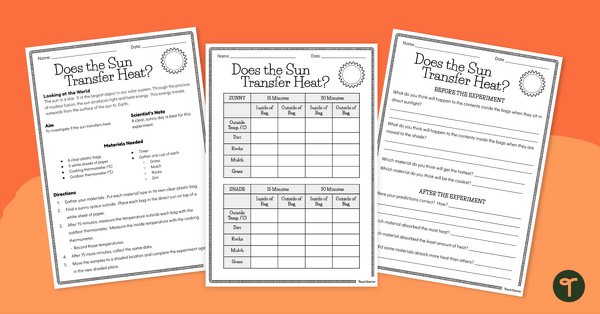
Does the Sun Transfer Heat? – Science Experiment
Discover how the sun transfers thermal energy and which objects absorb more heat with this science experiment for kids.
- Plus Plan
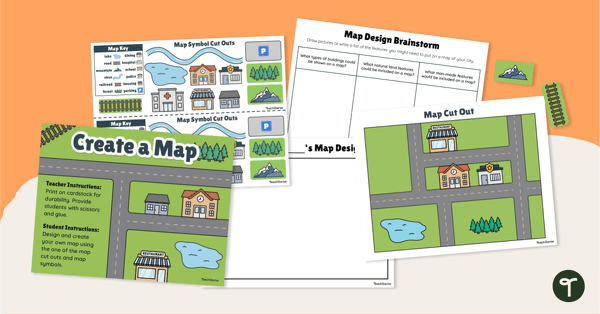
A Map of a City - Mapmaking Project
Engage young learners in developing their map skills with a design-your-own map project.
- Plus Plan
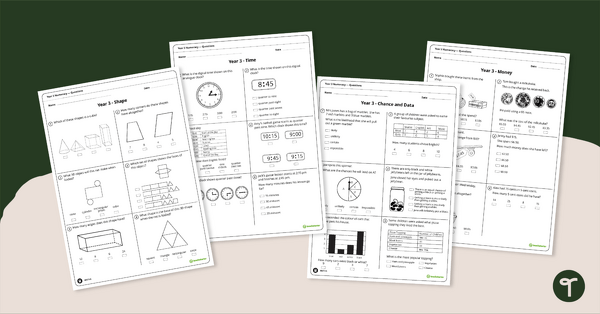
Numeracy Assessment Tool for Year 3
A set of 6 numeracy assessment tools suited to Year 3 students.
- Free Plan
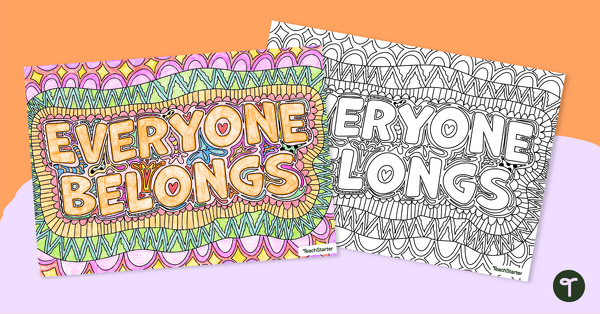
Everyone Belongs Mindful Colouring Page
Decorate your classroom or school with these colouring pages for Harmony Day.
- Plus Plan
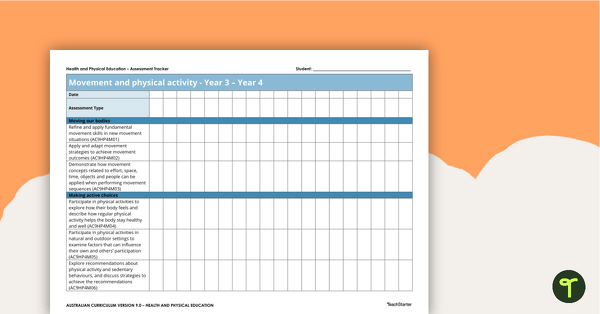
Health and Physical Education Years 3 and 4 Assessment Trackers
A 4 page set of assessment trackers using the Australian Curriculum codes to monitor student progress in Health and Physical Education.
- Plus Plan
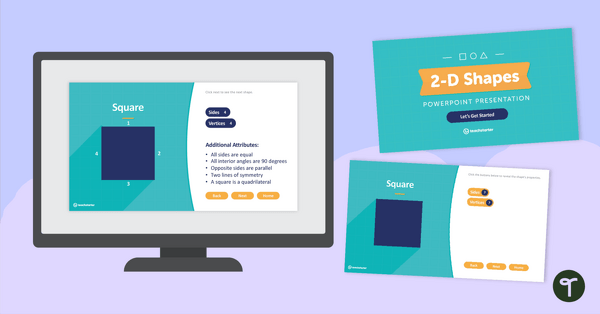
2D Shapes - Interactive PowerPoint Presentation
An interactive PowerPoint presentation that teaches the features of 2D shapes.
- Plus Plan
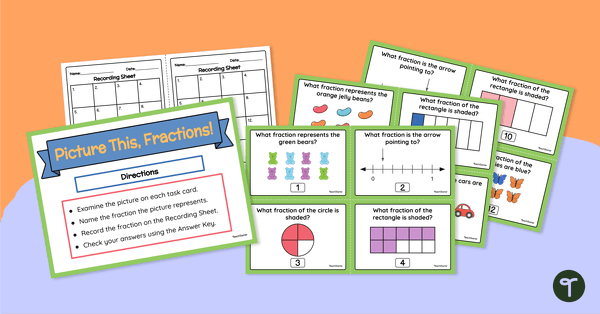
Picture This, Fractions Task Cards
Practise interpreting visual representations of fractions with this set of twenty task cards.