Year 3
The English curriculum is built around the three interrelated strands of language, literature and literacy. Teaching and learning programs should balance and integrate all three strands. Together, the strands focus on developing students' knowledge, understanding and skills in listening, reading, viewing, speaking, writing and creating. Learning in English builds on concepts, skills and processes developed in earlier years, and teachers will revisit and strengthen these as needed.
In Years 3 and 4, students experience learning in familiar contexts and a range of contexts that relate to study in other areas of the curriculum. They interact with peers and teachers from other classes and schools in a range of face-to-face and online/virtual environments.
Students engage with a variety of texts for enjoyment. They listen to, read, view and interpret spoken, written and multimodal texts in which the primary purpose is aesthetic, as well as texts designed to inform and persuade. These encompass traditional oral texts including Aboriginal stories, picture books, various types of print and digital texts, simple chapter books, rhyming verse, poetry, non-fiction, film, multimodal texts, dramatic performances and texts used by students as models for constructing their own work.
The range of literary texts for Foundation to Year 10 comprises Australian literature, including the oral narrative traditions of Aboriginal and Torres Strait Islander Peoples, as well as the contemporary literature of these two cultural groups, and classic and contemporary world literature, including texts from and about Asia.
Literary texts that support and extend students in Years 3 and 4 as independent readers describe complex sequences of events that extend over several pages and involve unusual happenings within a framework of familiar experiences. Informative texts include content of increasing complexity and technicality about topics of interest and topics being studied in other areas of the curriculum. These texts use complex language features, including varied sentence structures, some unfamiliar vocabulary, a significant number of high-frequency sight words and words that need to be decoded phonically, and a variety of punctuation conventions, as well as illustrations and diagrams that support and extend the printed text.
Students create a range of imaginative, informative and persuasive types of texts including narratives, procedures, performances, reports, reviews, poetry and expositions.
(source: www.australiancurriculum.edu.au)
Achievement Standard
Receptive modes (listening, reading and viewing)
By the end of Year 3, students understand how content can be organised using different text structures depending on the purpose of the text. They understand how language features, images and vocabulary choices are used for different effects.
They read texts that contain varied sentence structures, a range of punctuation conventions, and images that provide extra information. They use phonics and word knowledge to fluently read more complex words. They identify literal and implied meaning connecting ideas in different parts of a text. They select information, ideas and events in texts that relate to their own lives and to other texts. They listen to others' views and respond appropriately using interaction skills.
Productive modes (speaking, writing and creating)
Students understand how language features are used to link and sequence ideas. They understand how language can be used to express feelings and opinions on topics. Their texts include writing and images to express and develop, in some detail, experiences, events, information, ideas and characters.
Students create a range of texts for familiar and unfamiliar audiences. They contribute actively to class and group discussions, asking questions, providing useful feedback and making presentations. They demonstrate understanding of grammar and choose vocabulary and punctuation appropriate to the purpose and context of their writing. They use knowledge of letter-sound relationships including consonant and vowel clusters and high-frequency words to spell words accurately. They re-read and edit their writing, checking their work for appropriate vocabulary, structure and meaning. They write using joined letters that are accurately formed and consistent in size.
(source: www.australiancurriculum.edu.au)
- Plus Plan
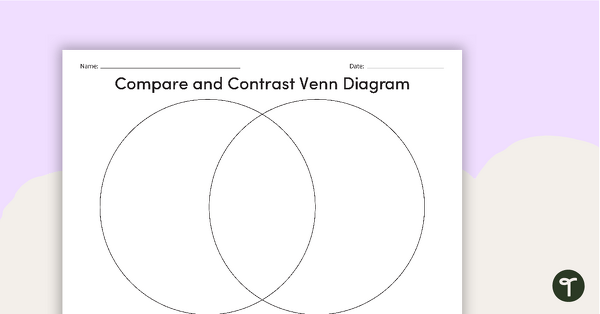
Compare and Contrast - Venn Diagram Template
A template to use when teaching students how to compare and contrast.
- Plus Plan
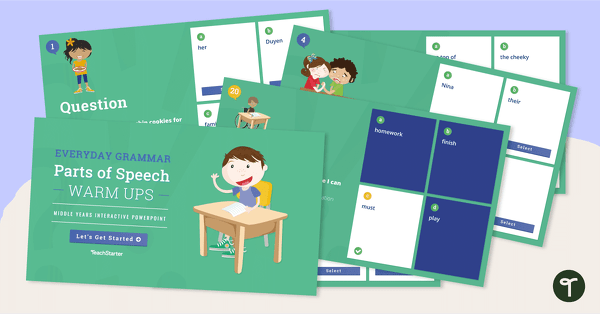
Everyday Grammar Parts of Speech Warm Ups - Middle Years Interactive PowerPoint
Review nouns, verbs, adjectives and adverbs with this 44-slide interactive parts of speech PowerPoint lesson.
- Plus Plan
Everyday Grammar Punctuation Warm Ups - Middle Years Interactive PowerPoint
An engaging 44 slide interactive PowerPoint to use in the middle years classroom when learning about grammar and punctuation.
- Plus Plan
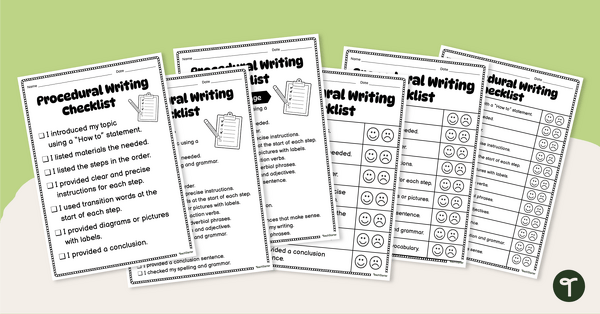
Procedural Writing Checklists
Use these procedural writing checklists when teaching your students how to editing their procedure texts.
- Plus Plan
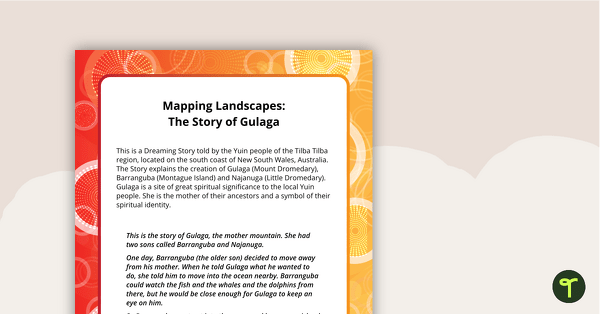
The Story of Gulaga - Comprehension and Activity Worksheet
A comprehension and linked activity based on an Aboriginal Dreaming Story.
- Plus Plan
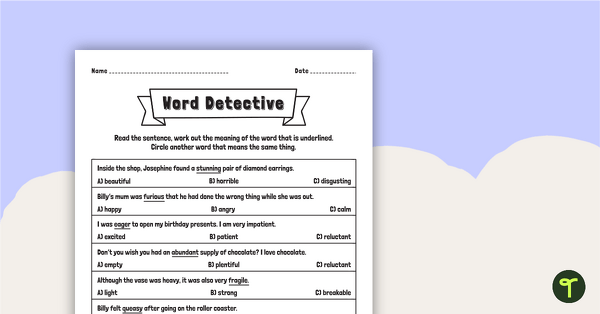
Finding Word Meaning In Context - Word Detective Worksheet
A teaching resource to help teach your students how to find word meaning in context.
- Plus Plan
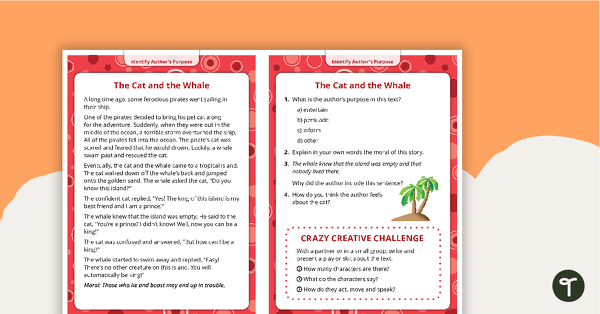
60 Comprehension Strategy Task Cards
A 144 page comprehension resource pack to help students apply comprehension strategies when reading.
- Plus Plan
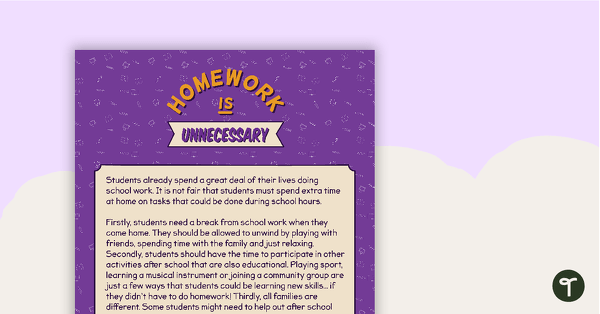
Comprehension - Homework is Unnecessary
A comprehension activity using a persuasive text for lower grades.
- Plus Plan
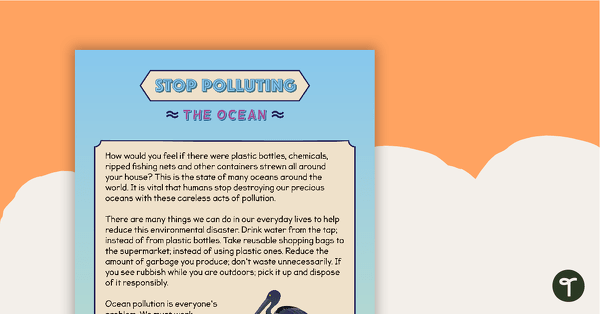
Comprehension - Stop Polluting The Ocean
A comprehension activity using a persuasive text.
- Plus Plan
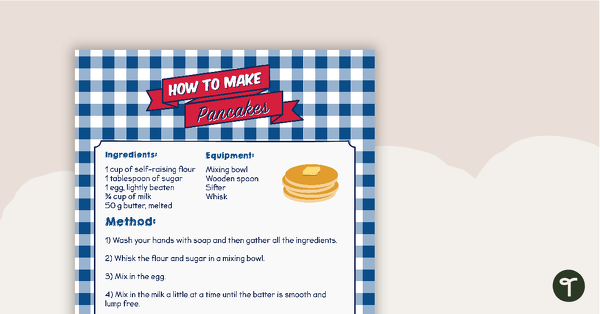
How To Make Pancakes – Procedural Writing Activity
Get your students writing a procedure for their favourite breakfast foods with this example procedure text and writing scaffold.
- Plus Plan
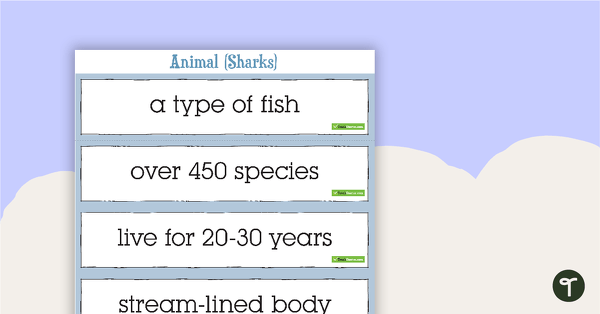
Fact File Sorting Activity
Use this fact sorting activity to teach your students about informative writing.
- Plus Plan
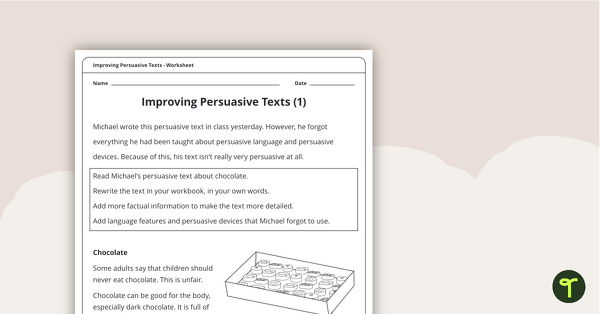
Improving Persuasive Texts Worksheets
3 pieces of text for students to rewrite in order to make them more persuasive.
- Plus Plan
Comprehension Strategies - Interactive PowerPoint
An engaging 48 slide interactive PowerPoint to use in the classroom when developing comprehension strategies.
- Plus Plan
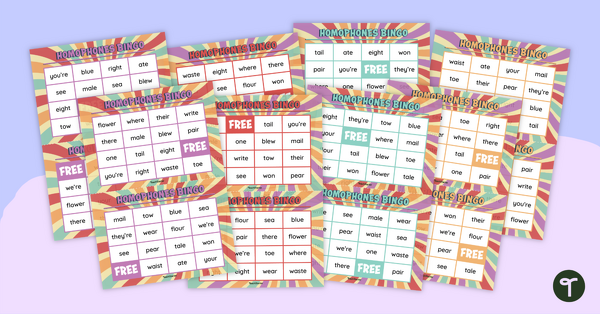
Homophones Bingo
Make learning about homophones and their definitions an engaging whole-class activity with this homophones bingo game.
- Plus Plan
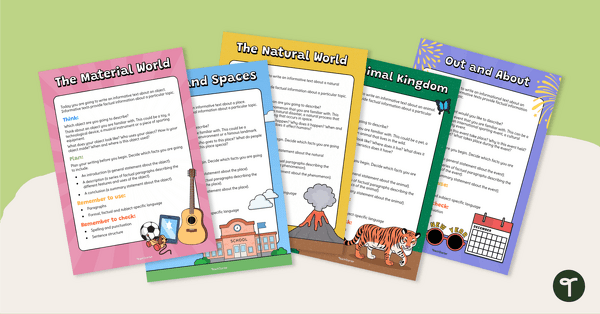
5 Information Report Writing Prompts
Use this set of 5 writing prompts to assess your students’ informative writing skills.
- Free Plan
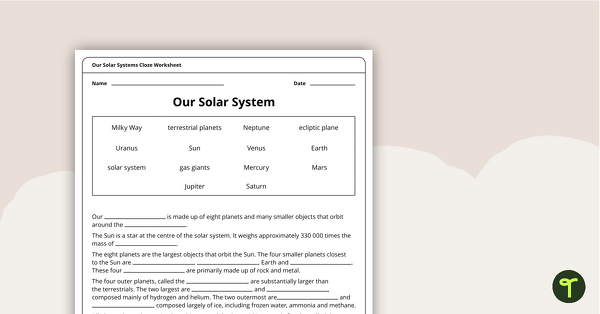
Our Solar System Cloze Worksheet
Our Solar System cloze worksheet for your students to complete.
- Plus Plan
Introduction to Narrative Features PowerPoint - Year 3 and Year 4
A 23 slide editable PowerPoint template to use when teaching your students about the features of narrative texts.
- Plus Plan
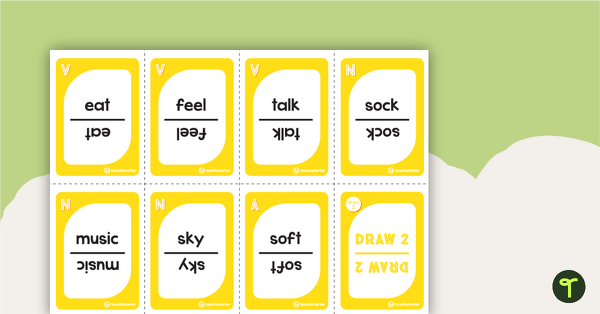
Parts of Speech Card Game – Lower Years Classroom Game
A card game for nouns, verbs and adjectives.
- Plus Plan
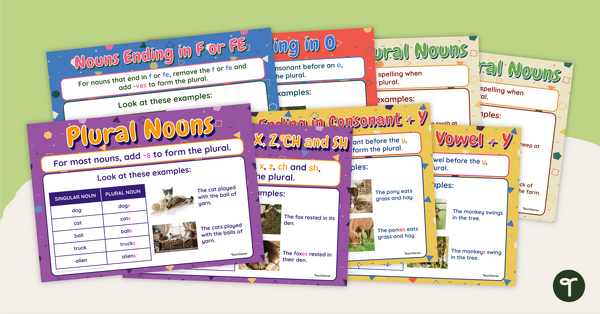
Plural Rules Poster Pack
Make plural rules a breeze to understand with plural noun posters.
- Plus Plan
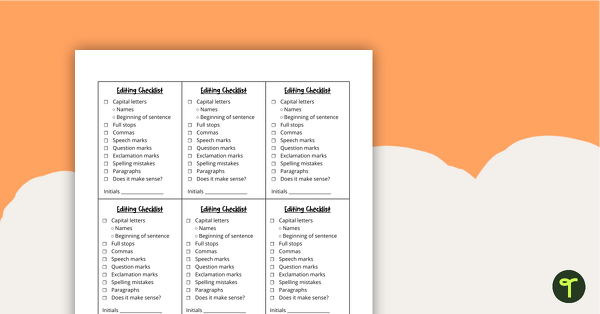
Writing Editing Checklist
Get your students using this editing checklist so that no mistake gets left behind!
- Plus Plan
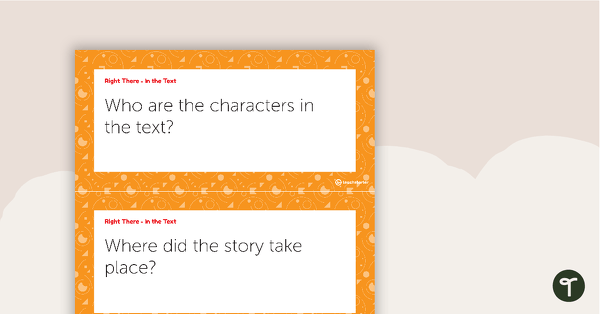
QAR Generic Question Cards
A set of 28 generic QAR question cards for students to use as a comprehension task after reading.
- Plus Plan
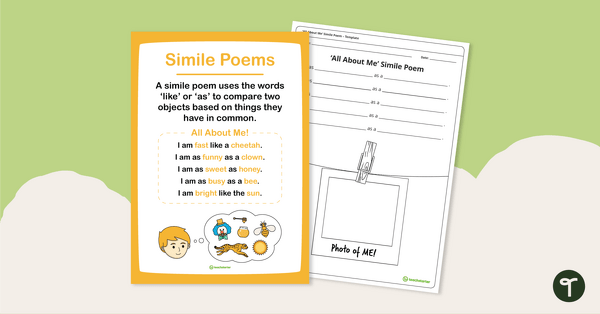
All About Me! - Simile Poem Template & Poster
Get to know your students and explore simile poems at the same time with this All About Me Simile Poem Template and Poster.
- Plus Plan
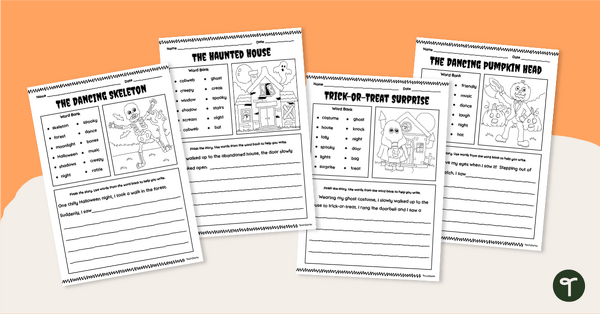
Halloween Writing Prompt Worksheet Pack
Inspire spook-tacular story writing with our printable Hallowing Writing Prompt Worksheet pack.
- Plus Plan
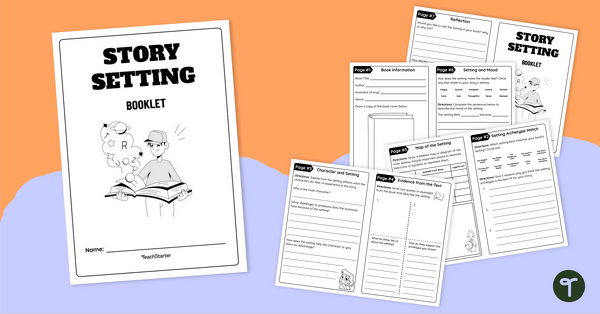
Story Settings Booklet
Explore common story settings in literature with this engaging 8-page mini book that helps students analyse settings from their own reading.
- Plus Plan
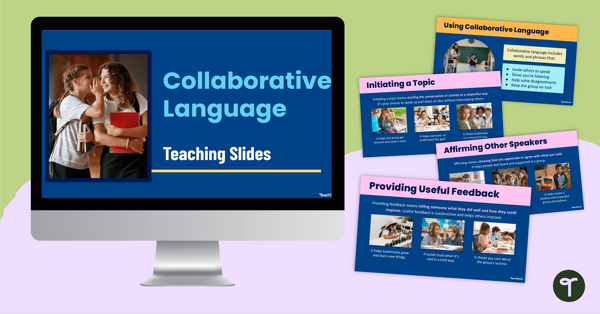
Collaborative Language Teaching Slides
Introduce collaborative language to your students with this easy-to-use slide deck that provides practical examples for developing confident, respectful communication.
- Plus Plan
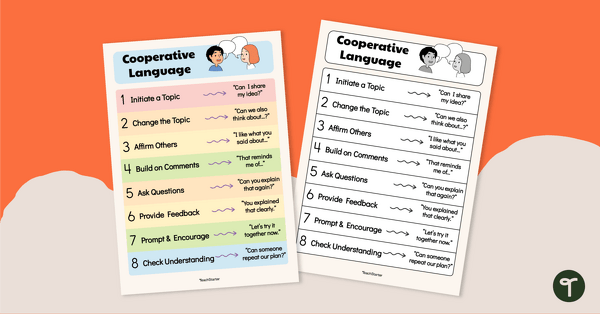
Cooperative Language Poster
Teach cooperative language to help students build essential communication skills with this easy-to-read classroom poster.
- Plus Plan
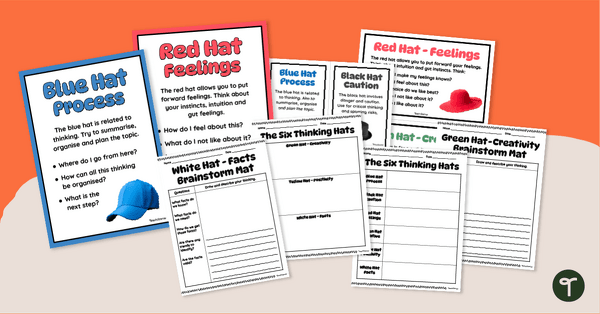
Six Thinking Hats Poster and Worksheet Pack
Promote deeper thinking with a set of De Bono’s Six Thinking Hats posters and worksheets.
- Plus Plan
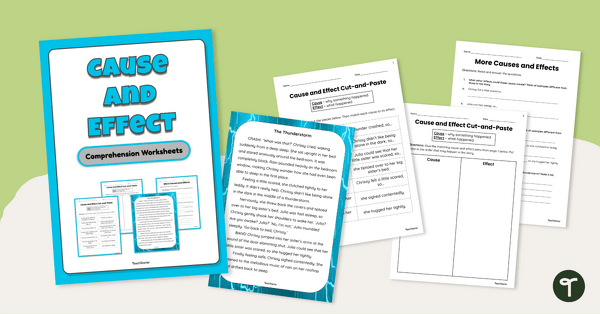
Cause and Effect Comprehension Worksheets
Use these cause and effect comprehension worksheets to give your students practice reading, sequencing and matching effects to their causes.
- Plus Plan
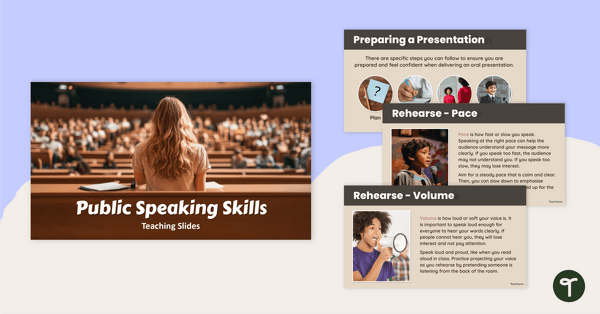
Public Speaking Skills Teaching Slides
Support students to develop public speaking skills like volume, pace, intonation and eye contact using this engaging slide deck designed for Year 3 and 4 students.
- Plus Plan
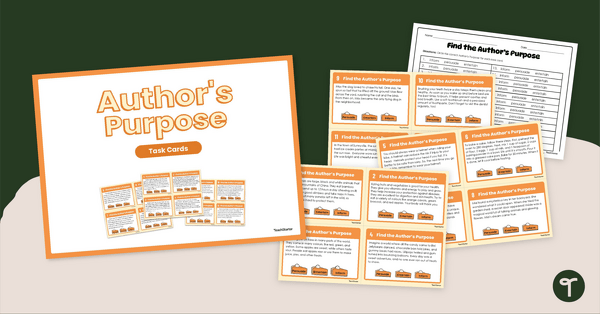
Author's Purpose Task Cards
Help your students master the skill of identifying the author’s purpose with this set of engaging Author’s Purpose task cards.
- Plus Plan
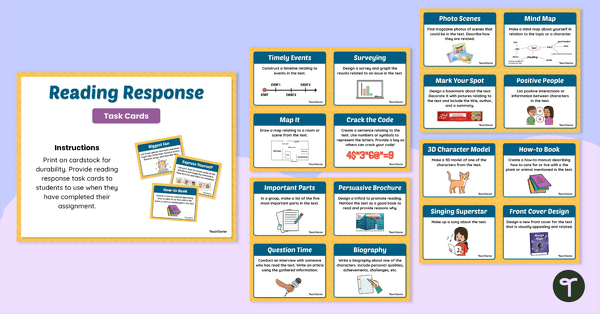
Reading Response Task Cards
Explore reading comprehension with your students using this set of reading response task cards.
- Plus Plan
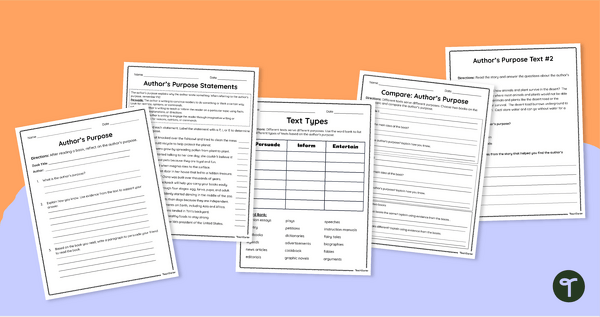
Author's Purpose Worksheet Set
Assess reading comprehension by using this comprehensive Author's Purpose Worksheet Set.