Foundation Year
The proficiency strands understanding, fluency, problem-solving and reasoning are an integral part of mathematics content across the three content strands: number and algebra, measurement and geometry, and statistics and probability. The proficiencies reinforce the significance of working mathematically within the content and describe how the content is explored or developed. They provide the language to build in the developmental aspects of the learning of mathematics. The achievement standards reflect the content and encompass the proficiencies.
At this year level:
- understanding includes connecting names, numerals and quantities
- fluency includes readily counting numbers in sequences, continuing patterns and comparing the lengths of objects
- problem-solving includes using materials to model authentic problems, sorting objects, using familiar counting sequences to solve unfamiliar problems and discussing the reasonableness of the answer
- reasoning includes explaining comparisons of quantities, creating patterns and explaining processes for indirect comparison of length.
(source: www.australiancurriculum.edu.au)
Achievement Standard
By the end of the Foundation year, students make connections between number names, numerals and quantities up to 10. They compare objects using mass, length and capacity. Students connect events and the days of the week. They explain the order and duration of events. They use appropriate language to describe location.
Students count to and from 20 and order small collections. They group objects based on common characteristics and sort shapes and objects. Students answer simple questions to collect information and make simple inferences.
(source: www.australiancurriculum.edu.au)
- Plus Plan
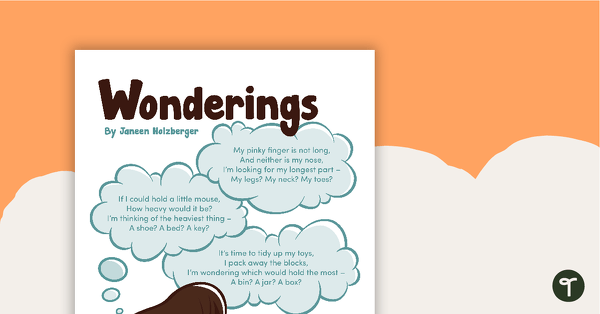
Wonderings – Worksheet
A comprehension worksheet for a magazine article from the Foundation magazine (Bonus Issue).
- Plus Plan
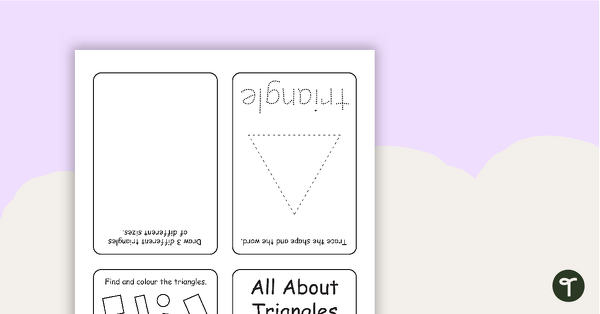
All About Triangles Mini Booklet
A mini booklet to assist younger students in recognising and drawing triangles.
- Plus Plan
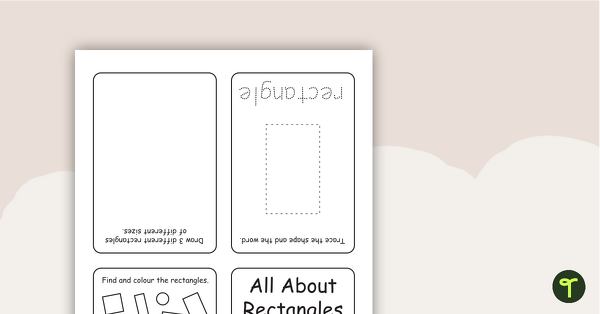
All About Rectangles Mini Booklet
A mini booklet to assist younger students in recognising and drawing rectangles.
- Plus Plan
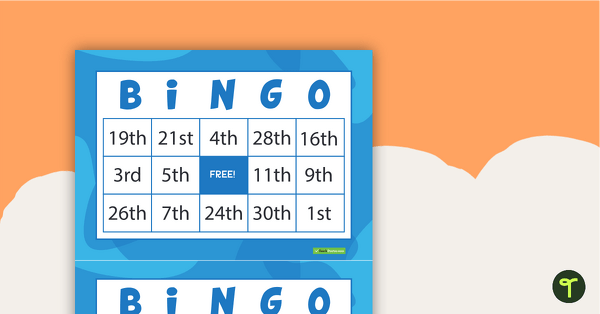
Ordinal Numbers Bingo Cards
32 different bingo cards using ordinal numbers.
- Plus Plan
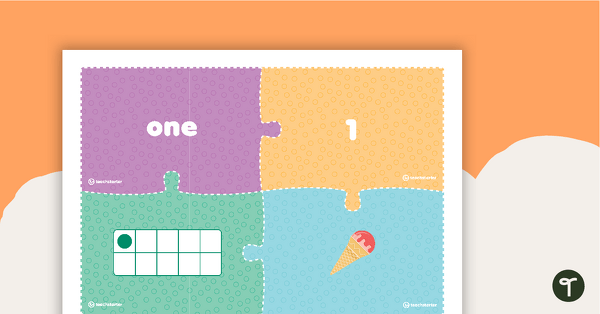
1 to 20 Number Match-Up Puzzles
A set of 20 match-up puzzles to help students identify the numbers from 1 to 20.
- Plus Plan
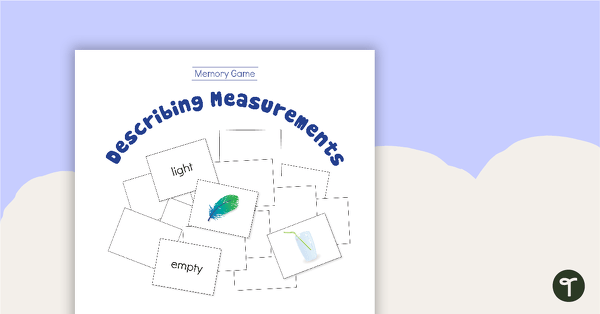
Describing Measurements - Memory Game
A memory game to play in the classroom when developing suitable language to describe different measurements.
- Plus Plan
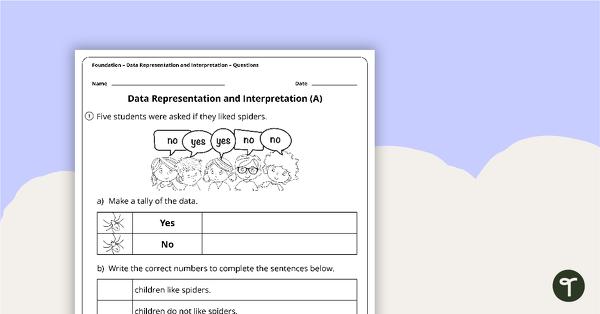
Data Representation and Interpretation Worksheets - Foundation
2 data representation and location worksheets linked to the Australian Curriculum.
- Plus Plan

3D Objects Border Trimmers
Brighten up your cork boards with these 3D object border trimmers.
- Plus Plan
Maths Resource Pack for Parents - Place Value
A comprehensive resource pack for parents and carers to help Foundation to Year 2 children with place value.
- Plus Plan
Count and Graph Templates
A collection of theme-based Count and Graph templates.
- Plus Plan
Visual Arts Elements Resource Pack - Lower Years
A comprehensive pack of resources to use with the lower years when studying the elements of Visual Art.