Ecosystems and Habitats Teaching Resources
Explore printable ecosystems worksheets, digital habitat activities and more for teaching this important element of the elementary and middle school science curriculum!
This collection of teacher resources was created by teachers to align with NGSS standards, providing you with everything you need to teach kids about biodiversity, habitats and more!
New to teaching about habitats and ecosystems in the primary classroom, or just looking for some fresh ways to engage your students on the topics? Read on for a primer from our teacher team, including a handy definitions for kids on each topic, plus a breakdown of the difference between these two important science terms.
What Is a Habitat? A Definition for Kids
Do you need a quick and easy way to explain the meaning of habitat to your students? Our teacher team has created a definition you can use in the classroom to do just that!
A habitat is a place where plants and animals live. It provides the things that they need to survive, like food, water and shelter.
5 Habitat Examples for Kids to Share in Your Classroom
This definition is a good starting point, but perhaps you're looking for a handy list of habitat examples you can share? We've got you covered with that too!
Please note that this list includes five of the planet's major habitats. Some scientists list as many as 16, however this list includes those our students are most likely to need to know about in primary school.
- Desert — The desert habitat is known for its dry and hot conditions, where animals such as the camel and plants such as cacti thrive. Some examples include the Gobi Desert in China and the Sahara Desert in Africa.
- Marine — Also known as the aquatic habitat, marine is larger of all habitats on the planet. Rivers, lakes, streams and, of course, the five oceans on planet Earth provide homes for a variety of marine animals live — from fish to whales to coral and much more.
- Polar — This habitat is found on the two ends of the earth, called the North and South Poles. Plants and animals that live in the polar habitat have adapted to its extreme cold temperatures.
- Forest – The forest habitat makes up nearly a third of the world's landmass. This habitat can be broken down into different types of forests, including the coniferous forests, coastal forests and tropical rainforests. The latter are known for being warm and very moist — just as the name implies, this habitat gets a lot of rain! The most famous of the world's rainforests is the Amazon which covers 2.6 million square miles.
- Grassland — One of the largest habitats in the world, grassland typically has moderate to warm weather and plenty of grass for animals to graze on.
What Is an Ecosystem? A Kid-Friendly Definition
We've covered the meaning of habitat, but what about ecosystem? Here's a definition from our teacher team to use in the classroom:
An ecosystem is a community of living organisms and nonliving things in a particular area. For example, an ecosystem can include plants, animals and microorganisms that are all living, as well as soil, water and sunlight, which are not.
The living and nonliving things in an ecosystem interact with each other and are interdependent.

Ecosystem vs. Habitat — What's the Difference?
These two science concepts are clearly interrelated, which can be confusing for students. So let's outline the differences.
Habitats
Kids can think of a habitat as a specific place where certain plants and animals live. A habitat is a home, and it's where those plants and animals have everything they need to survive — sort of like the things that students might find in the place where they live. There is shelter, food and water.
Ecosystems
On the other hand, it can be helpful for students to remember that an ecosystem is like a big, interconnected community of habitats.
An ecosystem also goes beyond just plant and animal life.
This larger system includes both living (plants and animals) and non-living (air, water) things. It also includes all the interactions and relationships between the living and non-living things within it.
- Plus Plan
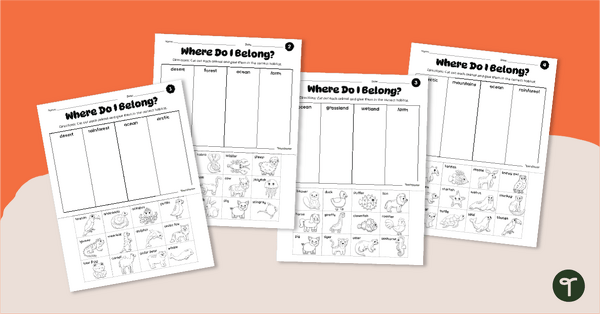
Animals and Their Habitats - Cut and Paste Worksheets
Match the animals and their habitats with a pack of printable cut and paste worksheets.
- Free Plan
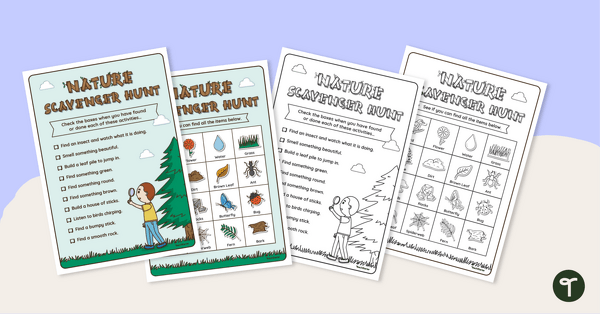
Free Printable Nature Scavenger Hunt
Make outdoor play a learning opportunity with our free printable nature scavenger hunt PDF.
- Free Plan
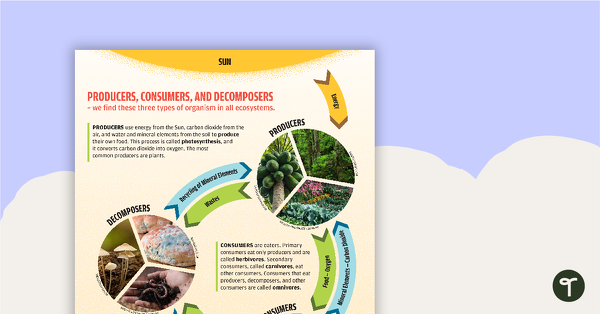
Producer, Consumer, Decomposer - Poster
A poster explaining the roles of the Sun, producers, consumers, and decomposers in the food chain.
- Plus Plan
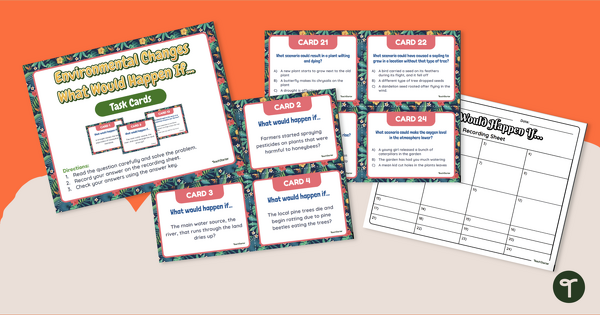
What Could Happen? Environmental Change Task Cards
Predict and identify the effects of environmental change on plants and animals with a set of printable science task cards.
- Free Plan
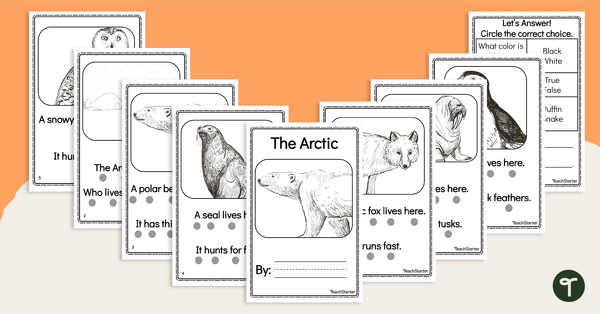
In the Arctic - Free Decodable Book
Engage your students and inspire them to read and learn about life in the Arctic with a printable book for 2nd grade.
- Plus Plan
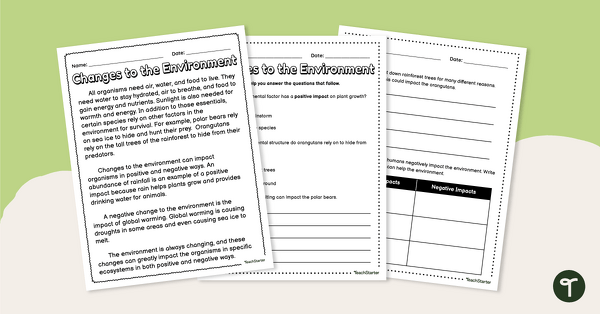
Changes to the Environment Worksheet
Learn about environmental changes and how they affect living things with this worksheet.
- Plus Plan
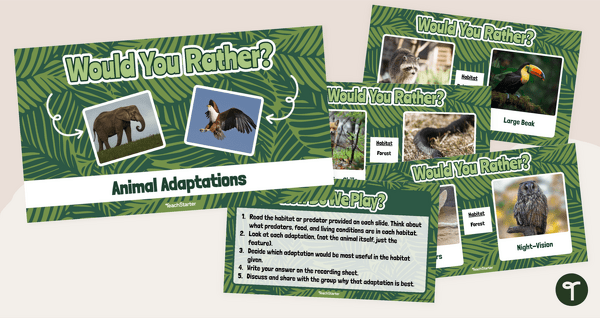
Would You Rather? Animal Adaptations Game
Discuss and debate the best animal adaptations with the Would You Rather? Animal Adaptation game.
- Plus Plan
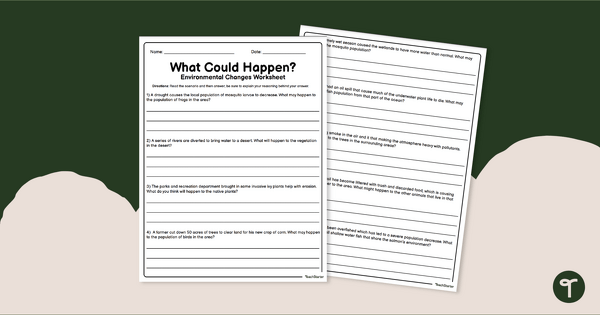
What Could Happen? - Environmental Changes Worksheet
Explore the effects of environmental change on plants and animals with a printable science worksheet.
- Plus Plan
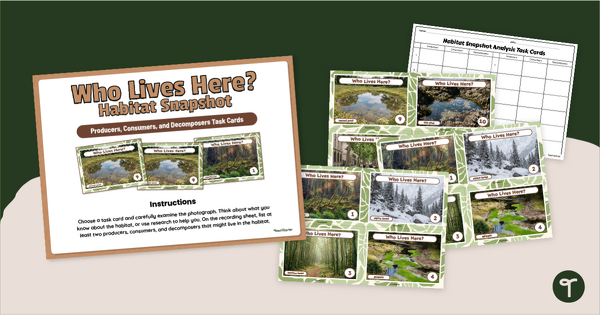
Who Lives Here? Animal Habitat Task Cards
Identify producers, consumers, and decomposers in different habitats with our Who Lives Here? Animal Habitat Task Cards.
- Plus Plan
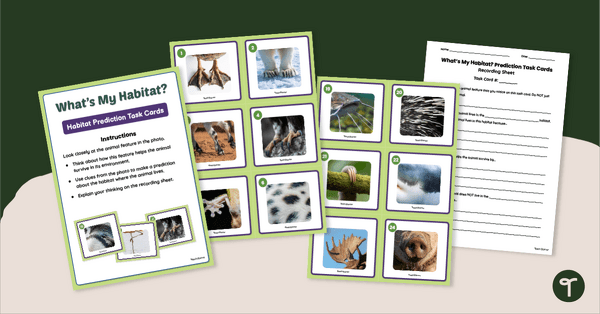
What’s My Habitat? Prediction Task Cards
Explore animal features and improve science inquiry skills with printable Habitat Prediction Task Cards.
- Plus Plan
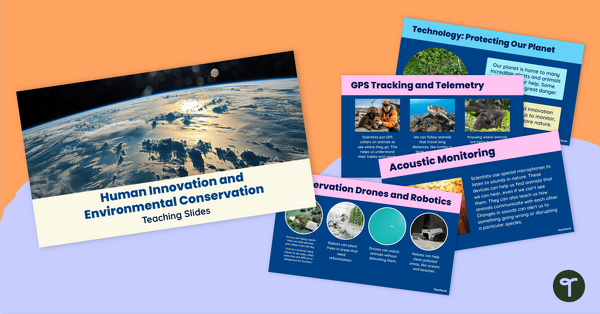
Human Innovation and Environmental Conservation Teaching Slides
Teach your students how human innovation is helping conserve the environment with this teaching presentation perfect for upper elementary students.
- Plus Plan
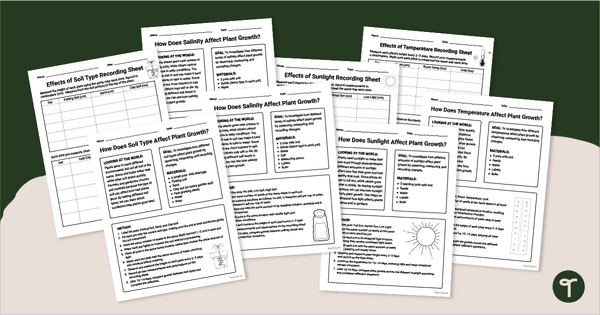
Environmental Impact Experiment Pack
Observe the effects of soil, salinity, sunlight, and temperature on the growth of plants with an engaging Environmental Impact Experiment.
- Plus Plan
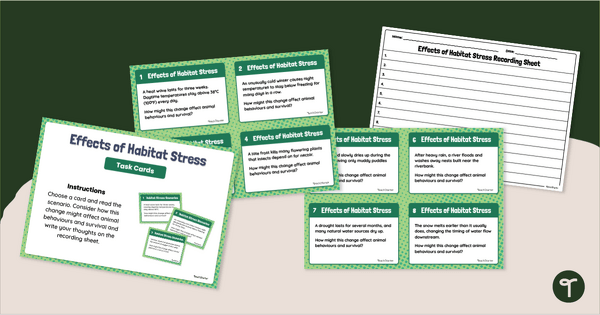
Effects of Habitat Stress Activity Cards
Explore how environmental stress affects plants and animals with our Effects of Habitat Stress Activity Cards.
- Plus Plan
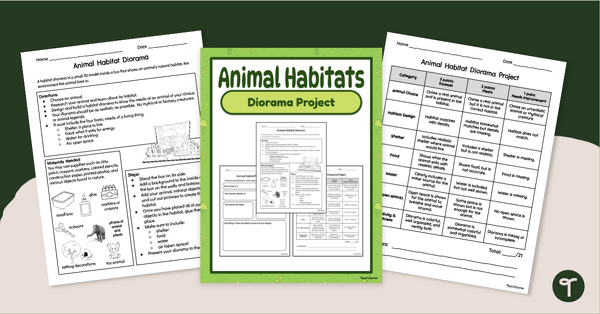
Animal Habitat Diorama Project
Plan an Animal Habitat Project for your students with our animal habitat diorama project pack.
- Plus Plan
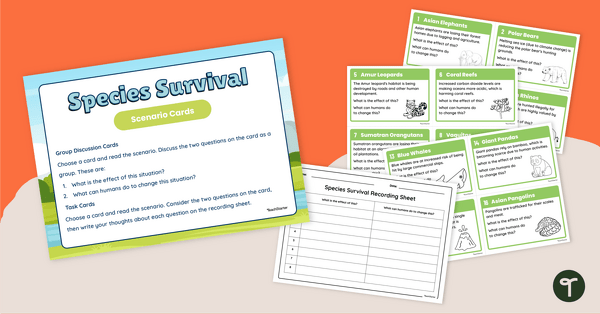
Species Survival Scenario Task Cards
Explore how to save endangered species with this set of 16 species survival scenario cards.
- Plus Plan
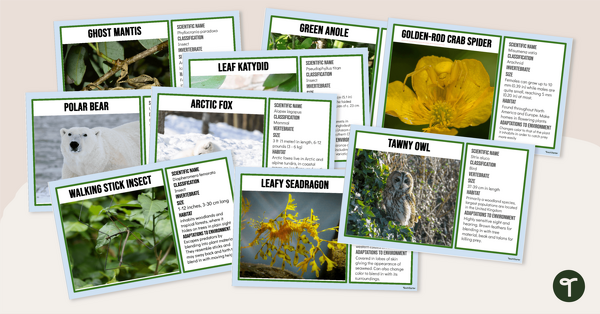
Animals that Use Camouflage - Fact File Cards
Discover animals that camouflage to survive using these printable Animal Fact File cards.
- Free Plan
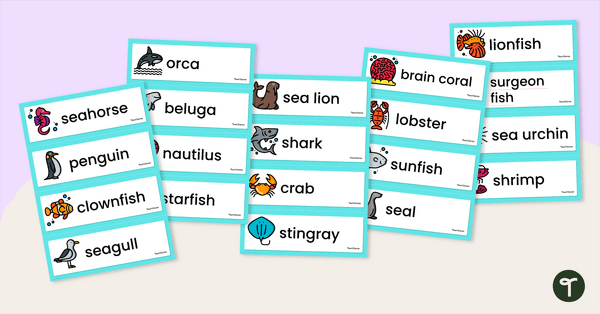
Ocean Animals Word Wall Cards with Pictures
Introduce your students to the amazing animals in the sea with an illustrated ocean animal word wall.
- Free Plan
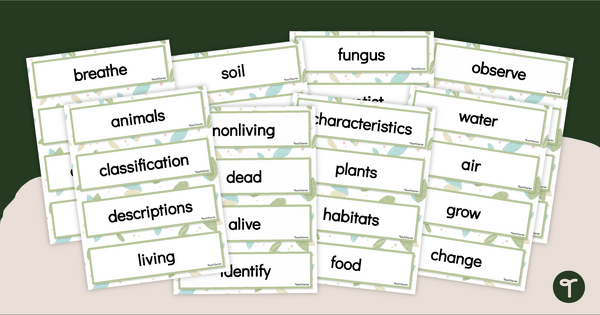
Living and Non-Living Things - Word Wall Vocabulary
Discover the world of living and nonliving things, starting with a printable vocabulary word wall..
- Plus Plan
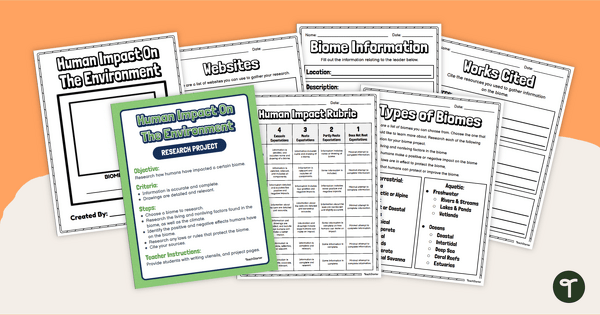
Human Impact on the Environment-Research Project
Uncover how humans positively and negatively impact the different biomes around the world with a guided research project.
- Plus Plan
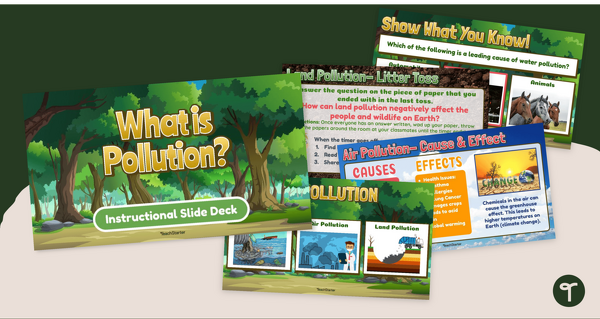
What is Pollution? Instructional Slide Deck
Show your students the types of pollution and their effects with an instructional slide deck.
- Plus Plan
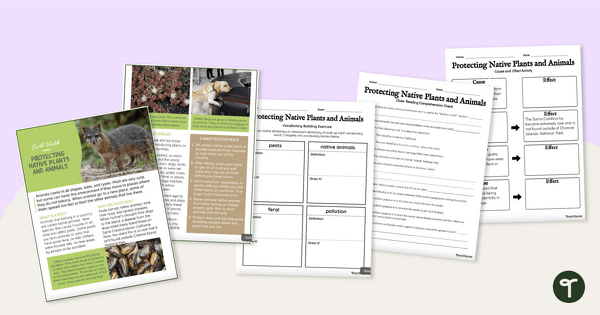
Protecting Native Plants and Animals – Comprehension Worksheets
Build comprehension skills and learn about human impact on ecosystems with a reading passage and worksheets.
- Plus Plan
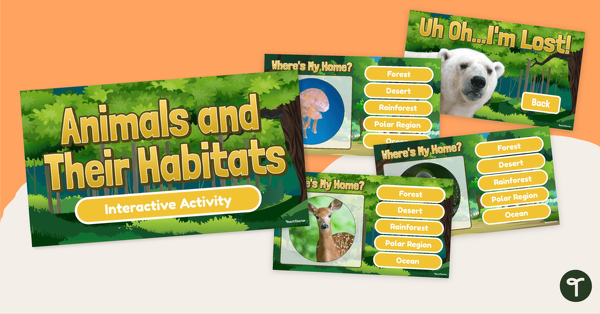
Animals and Their Habitats- Interactive Activity
Help a lost polar bear (and his friends) return to the correct habitat with a Google Slides interactive activity.
- Plus Plan
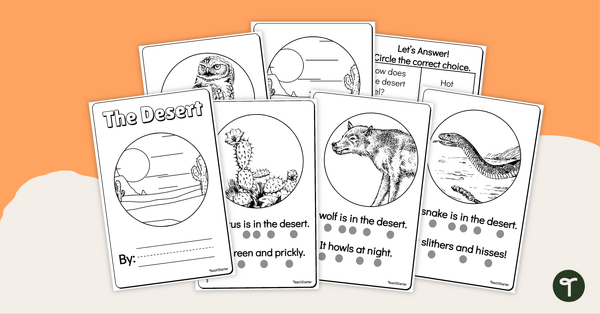
Desert Mini-Book - Printable Reader
Engage your students and inspire them to read and learn about plants and animals in the desert with a printable book for 2nd grade.
- Plus Plan
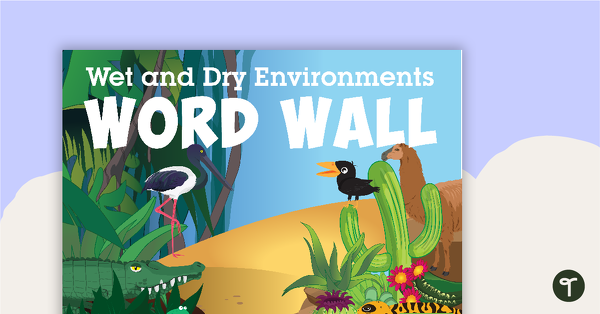
Wet and Dry Environments Word Wall Vocabulary
48 wet and dry environment vocabulary word wall cards.
- Plus Plan
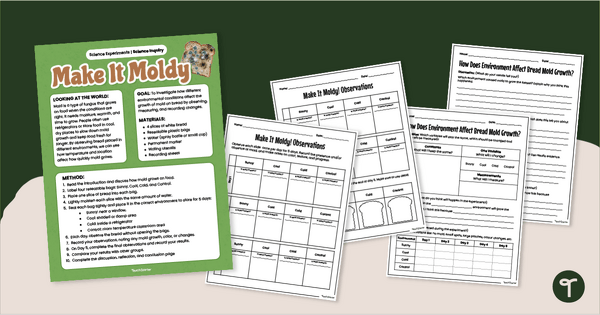
Bread Mold Experiment
Observe how the environment causes changes in mold growth with an engaging Bread Mold Experiment.
- Plus Plan
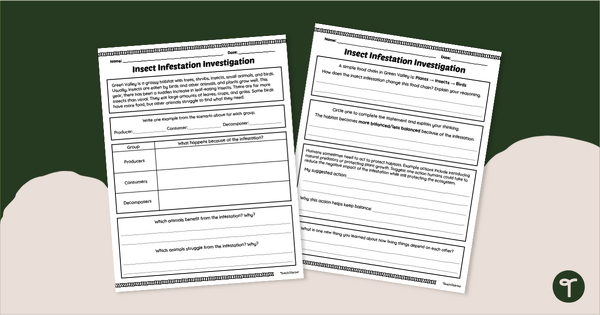
Insect Infestation - Habitat Impact Worksheet
Explore the effects of rapid insect population growth in ecosystems with our Insect Infestation Habitat Impact Worksheet.
- Plus Plan
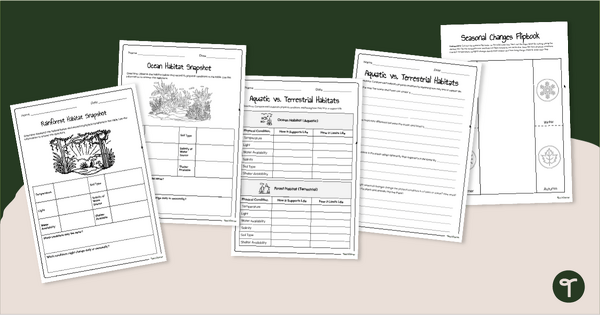
Changing Conditions in Habitats Worksheet Pack
Explore and discover how changing conditions shape life in different habitats with our Changing Conditions in Habitats worksheet pack.
- Plus Plan
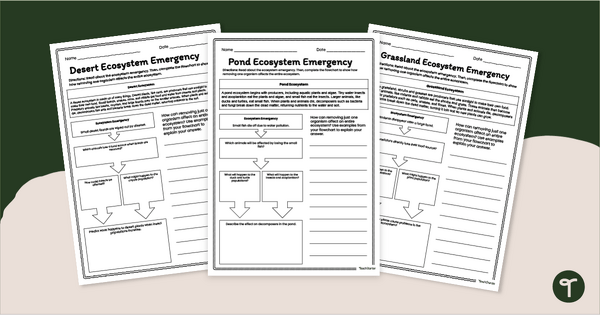
Investigating Food Chain Disruptions Worksheet Pack
Explore what happens when a food source is removed from an ecosystem with our Investigating Food Chain Disruptions Worksheet Pack.
- Plus Plan
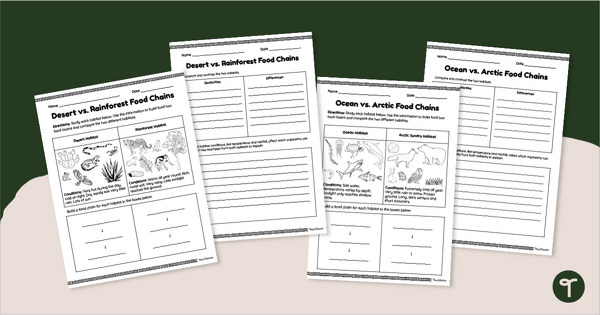
Comparing Food Chains Across Habitats Worksheet Pack
Compare and contrast different habitats and how energy flows through them with our Comparing Food Chains Across Habitats Worksheet Pack.
- Plus Plan
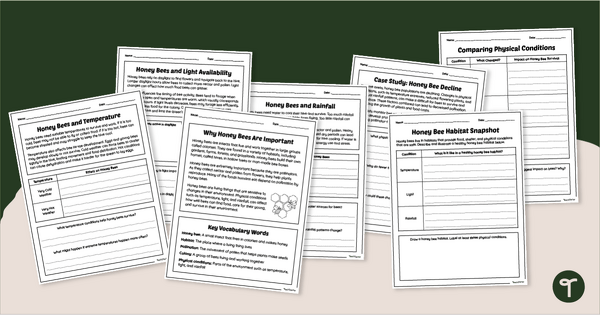
Honeybees vs. Environmental Change Worksheet Pack
Explore the effects of environmental change on honeybee populations with a set of printable Environmental Changes Worksheets.
- Plus Plan
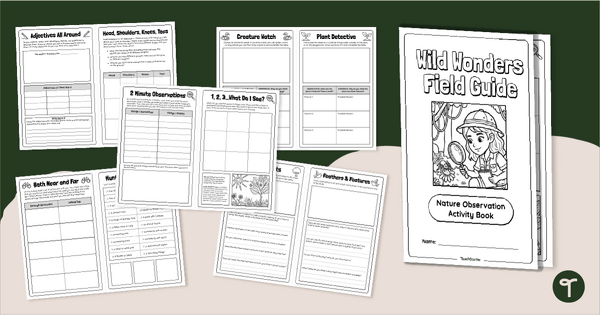
Wild Wonders! Nature Observation Activity Book
Explore and observe the natural world with our Wild Wonders Nature Observation Activity Book.
- Plus Plan
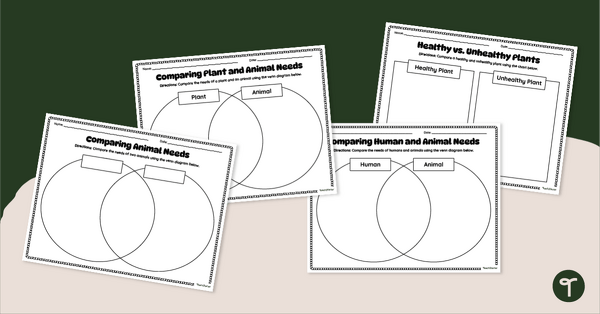
Comparing Plant and Animal Needs Venn Diagram Worksheets
Compare the needs of plants and animals (including humans) with a set of Plant and Animal Needs Venn Diagram worksheets.
- Ecosystems and Habitats Worksheets
- Ecosystems and Habitats for Kindergarten
- Ecosystems and Habitats for 1st Grade
- Ecosystems and Habitats for 2nd Grade
- Ecosystems and Habitats for 3rd Grade
- Ecosystems and Habitats for 4th Grade
- Ecosystems and Habitats for 5th Grade
- Ecosystems and Habitats for 6th Grade