Literary Elements Teaching Resources
Are you teaching literary elements and looking for worksheets and activities to get students excited about tone, narration, plot and a host of other elements to writing a great story? How do you engage elementary students on the concept of character traits and make plot development as exciting as recess?
The ELA teachers on the Teach Starter team have done just that with a collection of printable worksheets and digital activities built around this core reading standard. Aligned with both TEKS and the Common Core English curriculum, each literary elements activity in the collection has undergone a careful review by a member of our teacher team to ensure it's ready for your lesson plans and your students.
Explore our teacher team's guide to learn more about the various literary elements and how to bring them to life in your classroom!
Is this your first year teaching this sector of ELA? Or the first year in a while? Our teacher team has put together a quick refresher to get you ready to rock and roll in the classroom, including a way to explain what literary elements are to students.
What Are Literary Elements? A Kid-Friendly Definition
First thing's first: Let's talk about the definition.
Literary elements are the basic components of writing that the author uses to share the story with the reader. Without them, the narrative falls apart!
They are sometimes referred to as narrative elements. No matter what you call them, these elements give a piece of writing structure and help the author convey information to the reader.
On the reading side, literary elements are also key to breaking down a story to understand better what the author is trying to say.
What Are Examples of Literary Elements? 8 Examples That Can Help Your Students
There are eight main examples of literary elements that students will encounter in narrative texts:
1. Setting
This element is crucial for developing a story as it provides the time in which the story takes place as well as where it takes place. Setting helps ground the story.
2. Plot
The plot is the way a story unfolds. It's essentially a pattern for the text.
3. Conflict
Conflict helps move a plot forward as it offers the reader a climax to move toward as they read.
4. Characterization
This element of writing covers the way characters are developed within a story.
5. Point of View
Also called narration, this literary element is the perspective from which a story is told, such as first person or third person.
6. Tone
The tone of a story can be boiled down to the author's attitude about the subject of the story.
7. Genre
Genre covers the type of story written, such as realistic fiction, science fiction or even magical realism.
8. Figurative Language
Similes, metaphors, and onomatopoeia are just some examples of the figurative language students encounter in a text.
- Plus Plan
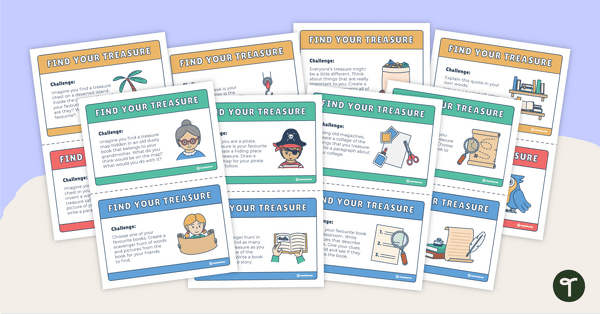
Literacy Task Cards - Find Your Treasure
Use this set of 16 treasure-inspired literature task cards with any literary text!
- Plus Plan
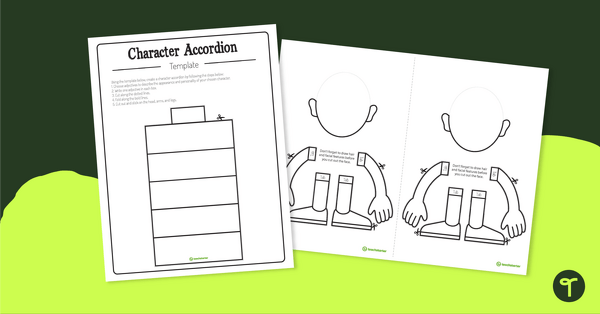
Character Traits Accordion Template – Blank
Learn how adjectives can be used to describe a character's appearance and personality with a hands-on craft activity aligned to the curriculum.
- Plus Plan
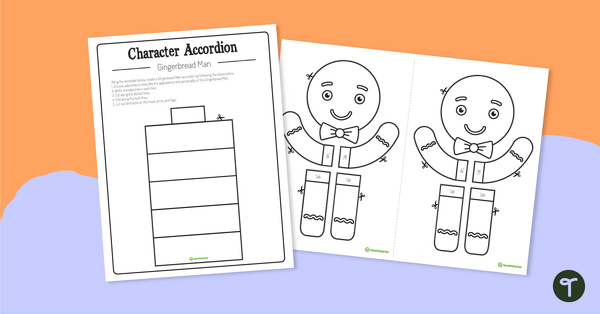
Character Traits Accordion Template – The Gingerbread Man
Learn how adjectives can be used to describe a character's appearance and personality with a hands-on craft activity aligned to the curriculum.
- Plus Plan
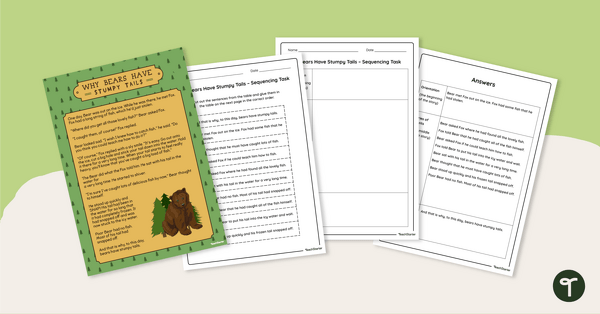
Sequencing Worksheets Bundle (Why Bears Have Stumpy Tails)
Print a sequencing worksheet for 1st or 2nd grade with an engaging bear story! Give students practice identifying the story beginning, series of events and ending.
- Plus Plan
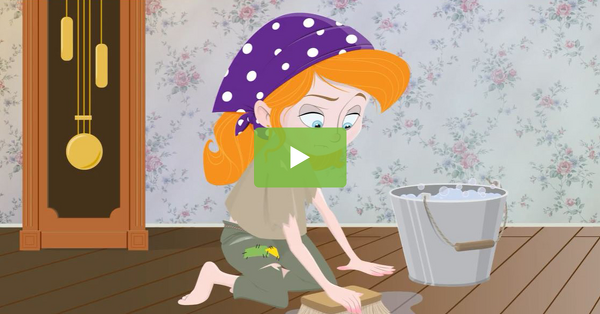
Cinderella Story Video
Explore the story of Cinderella with your students using this animated fairy tale video perfect for younger learners.
- Plus Plan
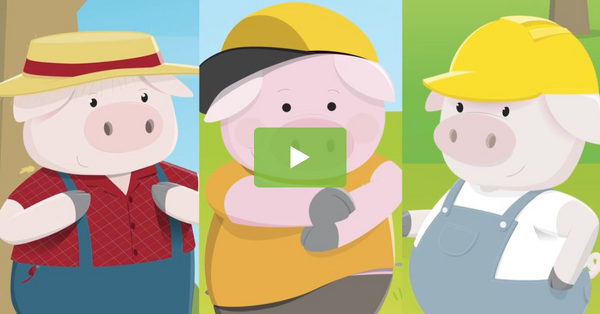
The Three Little Pigs Story Video
Explore the story of The Three Little Pigs with your students using this animated fairy tale video perfect for younger learners.
- Plus Plan
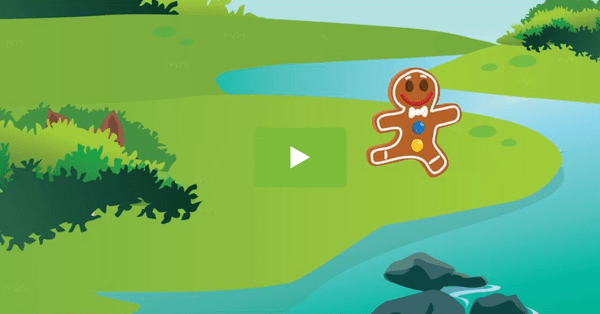
The Gingerbread Man Story Video
Introduce the story of The Gingerbread Man to your students with this animated fairy tale video perfect for younger students.
- Plus Plan
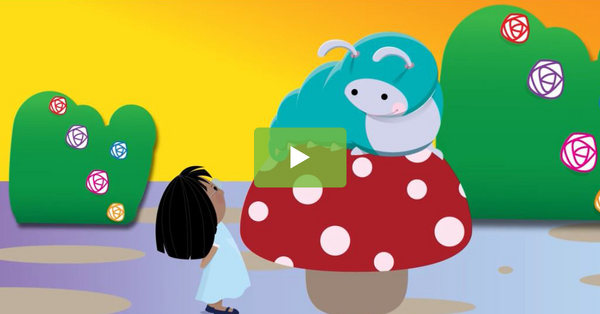
Alice in Wonderland Story Video
Introduce the story of Alice in Wonderland to your students with this animated fairy tale video perfect for younger students.
- Plus Plan
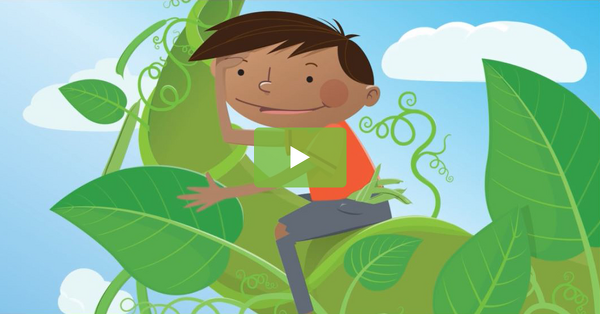
Jack and the Beanstalk Story Video
Introduce the Jack and the Beanstalk story to your students with this animated fairy tale video perfect for younger students.
- Plus Plan
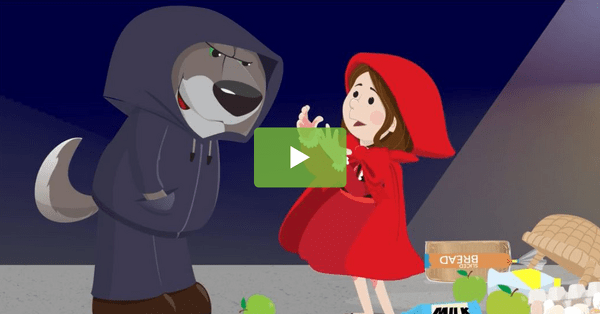
Little Red Riding Hood Story Video
Introduce a fresh version of the Little Red Riding Hood story to your students with this animated video perfect for younger students.
- Literary Elements Worksheets
- Literary Elements Templates
- Literary Elements Games
- Literary Elements Posters
- Literary Elements for Kindergarten
- Literary Elements for 1st Grade
- Literary Elements for 2nd Grade
- Literary Elements for 3rd Grade
- Literary Elements for 4th Grade
- Literary Elements for 5th Grade
- Literary Elements for 6th Grade