Reading Comprehension Teaching Resources
Explore printable worksheets, digital activities and more to teach reading comprehension strategies and skills in your elementary classroom. Created by teachers, for teachers, the teaching resources in this collection are curriculum-aligned and have undergone a careful review by a member of our expert teaching team.
You'll find editable versions to easily differentiate your instruction for individual students, plus a variety of options to make lesson planning easier this school year so your students will be able to identify the main idea of a text, draw inferences, remember key details and more.
New to teaching this portion of the English curriculum or just looking for fresh and engaging ways to teach reading comprehension strategies? Read on for a primer from our teacher team!
What Is Reading Comprehension?
We'll start at the beginning! Reading comprehension is a skill that's hard to overestimate in terms of its importance for elementary students to develop.
Defined as the ability to understand and interpret written language, reading comprehension involves the process of decoding text, extracting meaning from it, and then integrating that meaning with prior knowledge and understanding.
Not only does comprehension comprise the ability to recognize and understand individual words, but it also involves the ability to recognize patterns and relationships within sentences and paragraphs.
On top of that is the ability to make inferences and draw conclusions based on the information presented.
Yes, there's a lot packed in there!

How to Teach Reading Comprehension
To develop reading comprehension, students need a variety of language skills such as vocabulary knowledge, grammar and syntax, as well as cognitive processes such as attention, memory and critical thinking.
So how do you teach reading comprehension? Like many of those foundational skills we teach in elementary grades, this isn't something kids learn in a single lesson, unit or even one school year.
Teaching reading comprehension is going to stretch from kindergarten and first grade all the way through the rest of a child's academic career (at least on the pre-college levels).
That said, here are some activities to make use of as you approach teaching reading comprehension as an elementary teacher:
- Pre-Reading Activities — Brainstorming, KWL charts, prediction exercises and other "pre-reading" activities will help your students activate their prior knowledge, build background knowledge and set a purpose for reading. These are all key to developing their comprehension.
- During-Reading Strategies — Teaching your students to ask questions, summarize, visualize and make connections will give students the know-how they need to monitor their comprehension as they read.
- Post-Reading Activities — Reading comprehension doesn't stop when kids get to the last page of a text. It's only just beginning. That's why it's important to make sure your lesson plans include activities that help students deepen their understanding of the text and develop critical thinking skills. Examples of post-reading activities that can help build these skills include discussions, debates and written responses.
- Plus Plan
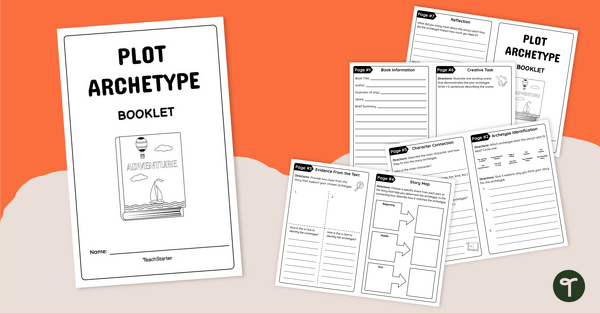
Plot Archetypes Booklet
Explore plot archetypes with this engaging 8-page mini book that helps students analyze familiar story structures.
- Free Plan
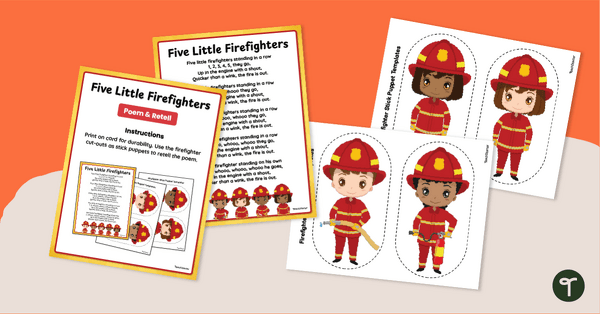
Five Little Firefighters Poem Retell Activity
Read and retell the ‘Five Little Firefighters’ poem with a printable chart and stick puppet characters.
- Plus Plan
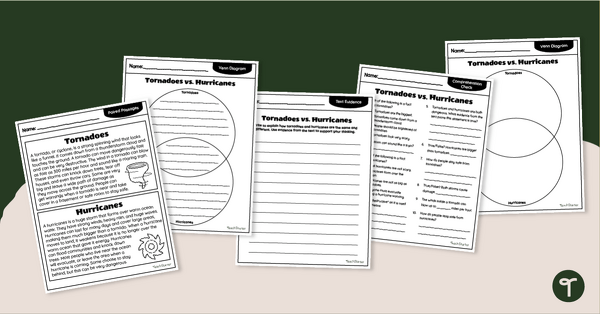
Compare and Contrast - Tornadoes and Hurricanes Worksheet Pack
Compare and contrast tornadoes and hurricanes with a set of printable paired passage reading worksheets.
- Plus Plan
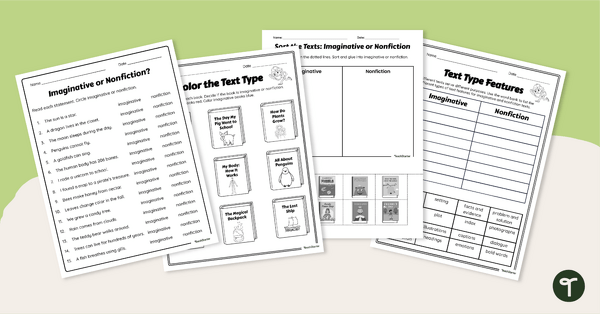
Purpose of Text Worksheets
Help students understand the purpose of a variety of texts using this set of Purpose of Texts Worksheets.
- Free Plan
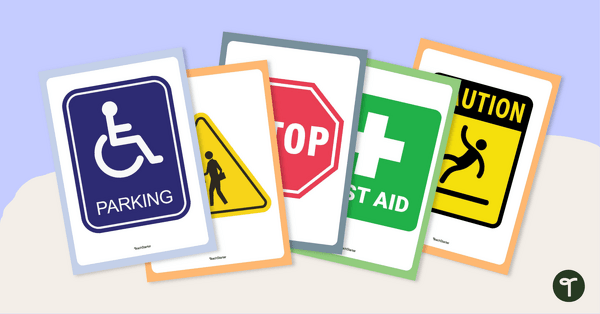
Symbols and Signs Environment Poster Pack
Help your students recognise the world around them with this engaging Symbols and Signs in the Environment Poster Pack!
- Plus Plan
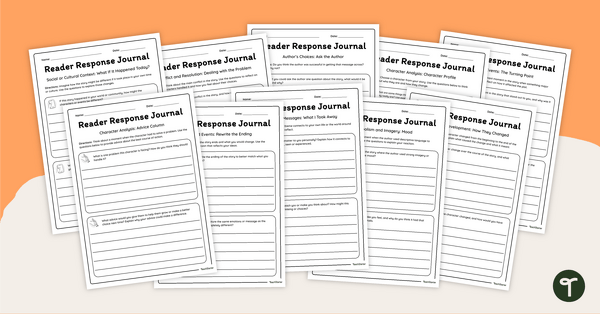
Reading Response Journal for Literature
Help students think critically about key story elements such as character, plot and theme with this 22-page reading response journal set.
- Plus Plan
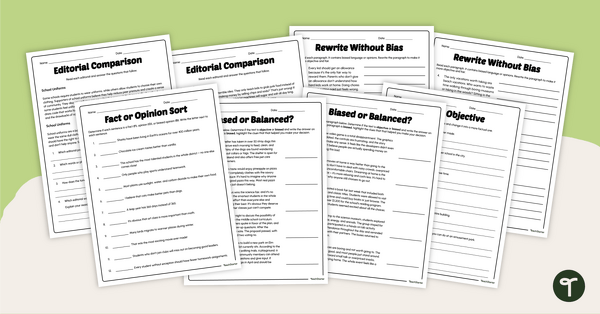
Bias in Writing Worksheet Pack
Teach bias in writing with ease using this engaging worksheet pack designed to help upper elementary students recognize and analyze bias across different texts.
- Plus Plan
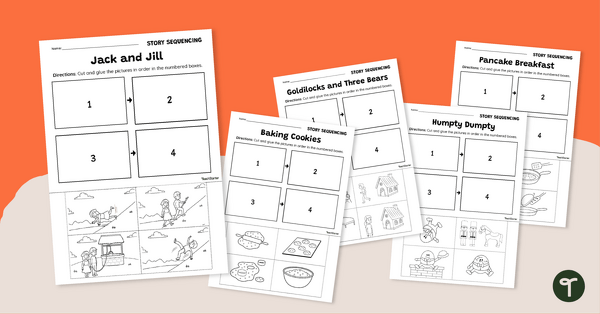
Picture Story Sequencing Worksheets
Help your students build strong visual literacy skills with these Picture Story Sequencing cut and paste worksheet pack.
- Free Plan
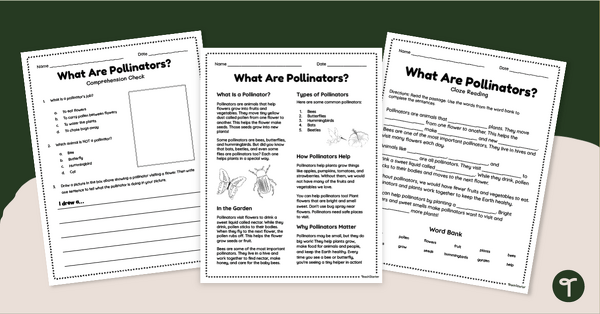
What Are Pollinators? Worksheet Pack
Introduce your students to the world of plants and pollination with a printable Pollinators Worksheet Pack.
- Plus Plan
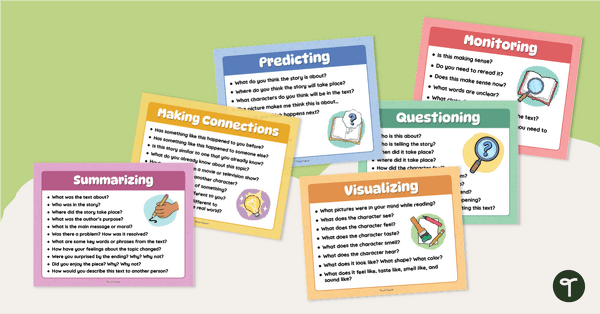
Reading Comprehension Question Stems - Anchor Charts
Enhance instruction on the six reading comprehension strategies with our printable Reading Comprehension Question Stems Chart Pack.
- Plus Plan
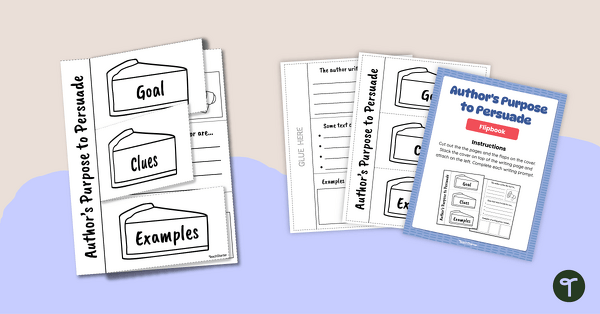
Author’s Purpose to Persuade Flipbook
Help students explore the Author’s Purpose to Persuade with this engaging and interactive flipbook.
- Plus Plan
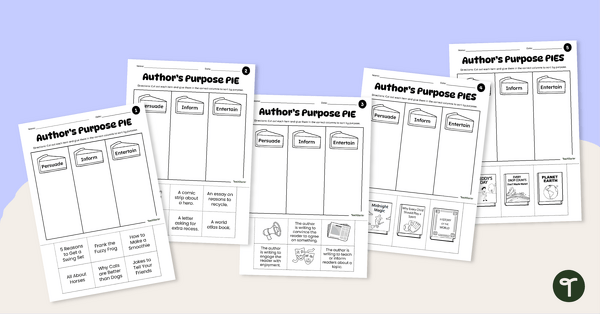
Author’s Purpose Pie Worksheet Set
Practice Author’s Purpose knowledge with this set of Author’s Purpose Worksheets.
- Plus Plan
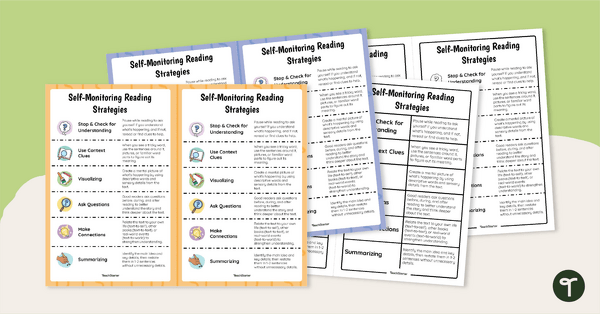
Self Monitoring Strategies for Reading Comprehension Flashcards
Explore these Self Monitoring Strategies for Reading Comprehension flashcards to support students becoming confident readers.
- Plus Plan
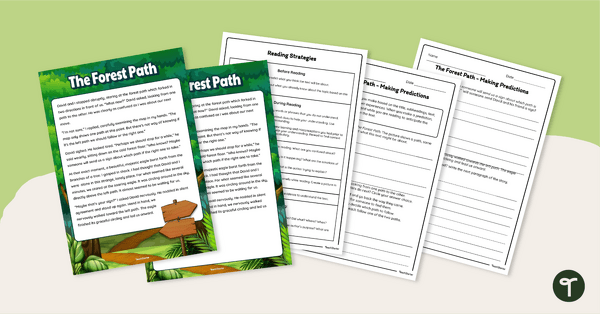
Predictions in Reading Comprehension Task
Help students to engage with prediction during reading with this predictions in reading comprehension task.
- Plus Plan
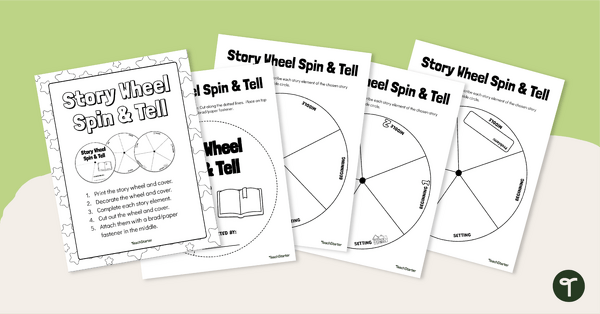
Basic Elements of a Story Spinner Template
Learn the basic elements of a story using this fun and engaging story spinner template for your students.
- Plus Plan
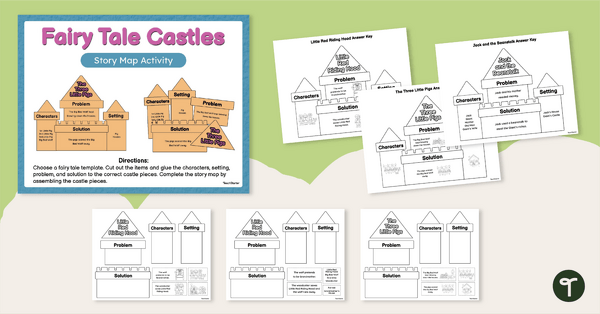
Literary Elements Fairy Tale Sorting Activity
Explore literary elements with this fairy tale sorting activity in the shape of a castle.
- Plus Plan
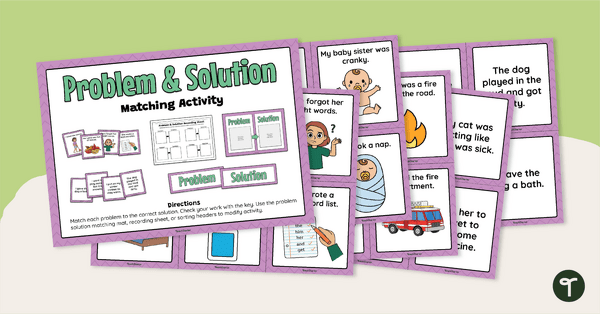
Story Problem and Solution Matching Activity
Match problems with their solutions to enhance your students' knowledge using this problem and solution matching activity.
- Plus Plan
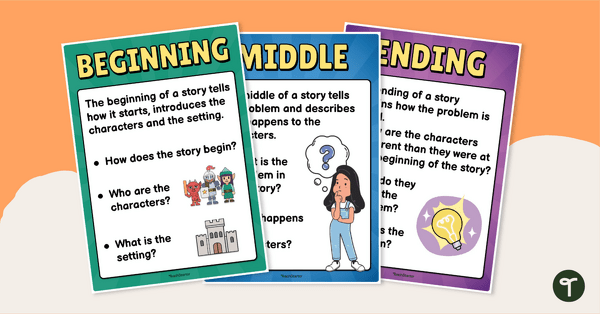
Beginning, Middle and End of Story Poster Set
Remind students of the elements that make up the beginning, middle and end of a story with this set of three posters.
- Plus Plan
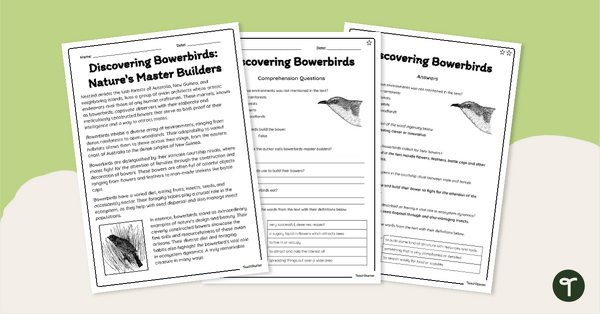
Bowerbird Comprehension Worksheets
Learn all about the wonderful world of Bowerbirds all while practicing comprehension skills.
- Plus Plan
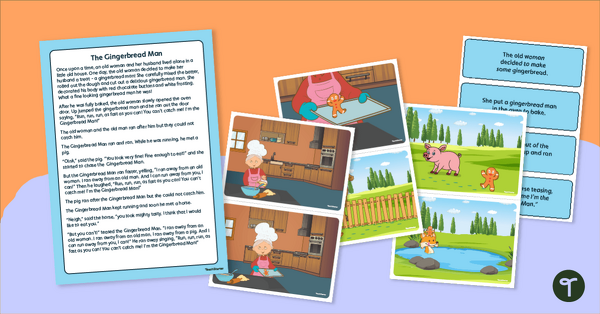
Gingerbread Man Activity - Story Sequencing Cards
Teach your students about retelling with this set of Gingerbread Man Sequencing Cards.
- Plus Plan
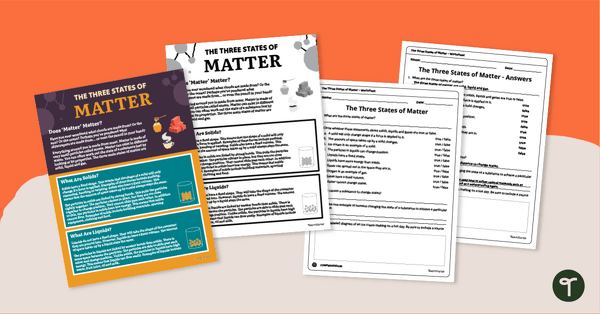
The Three States of Matter – 5th Grade Reading Worksheets
Use a 5th Grade Reading Comprehension passage and worksheet to teach your students about the three states of matter.
- Plus Plan
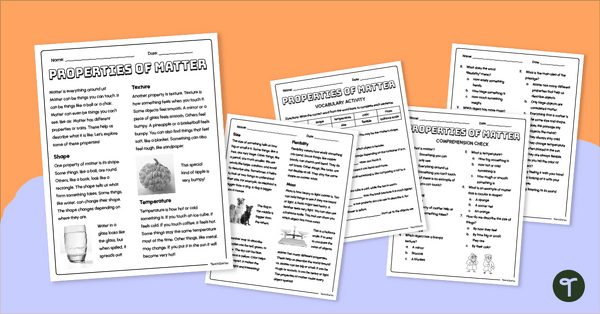
Properties of Matter Reading Comprehension Pack (2-3)
Read and discover the properties of matter with a set of 2nd Grade/3rd Grade Reading Comprehension Worksheets.
- Free Plan
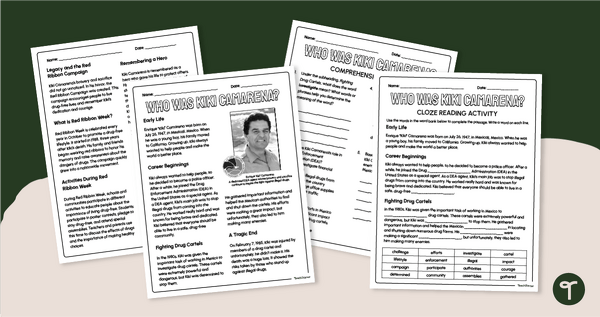
Who Was Kiki Camarena? 3rd Grade Reading Comprehension Worksheets
Download these 3rd grade reading comprehension worksheets that explore the story of Kiki Camarena while helping students build essential literacy skills.
- Plus Plan
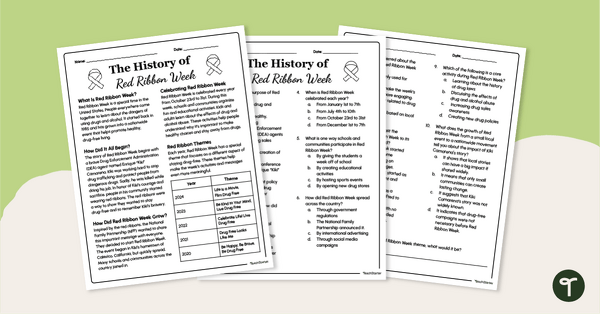
History of Red Ribbon Week Reading Comprehension (Grade 4)
Use this History of Red Ribbon Week reading comprehension (Grade 4) worksheet to teach your students the story behind the celebration.
- Plus Plan
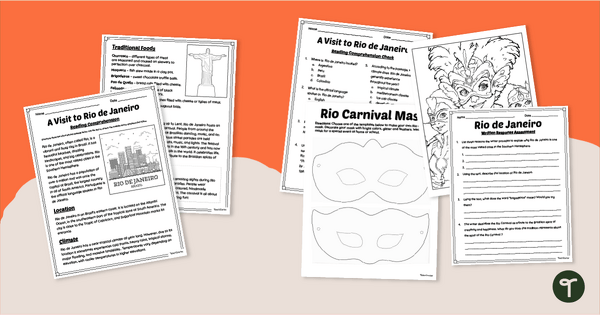
Rio de Janeiro - Reading Comprehension Activities
Take your students on a trip to Rio de Janeiro with an engaging reading comprehension worksheet and Carnival Mask activity.
- Plus Plan
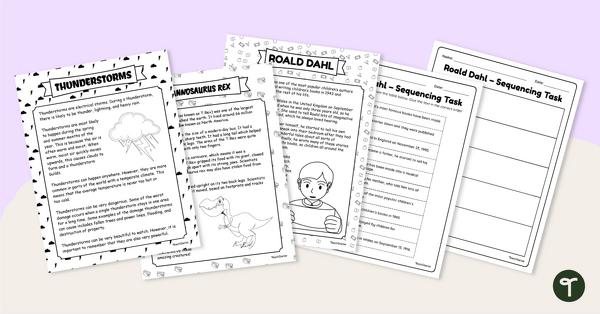
Sequence an Information Text – Cut and Paste Worksheets
Use these informational text examples to teach your students about sequencing facts in a logical order.
- Plus Plan
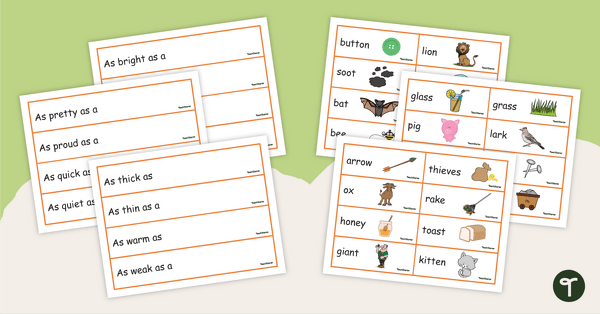
Similes Matching Game
Use this similes game to introduce your students to some of the most common similes used in the English language.
- Plus Plan
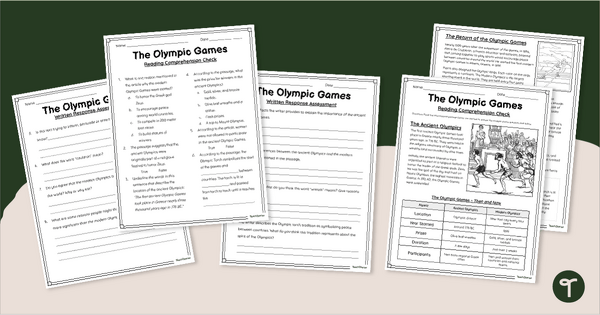
The Olympic Games - Reading Comprehension Task
Encourage students to apply a range of comprehension and writing skills when finding out interesting fun facts about the Olympics with a printable reading comprehension worksheet pack.
- Plus Plan
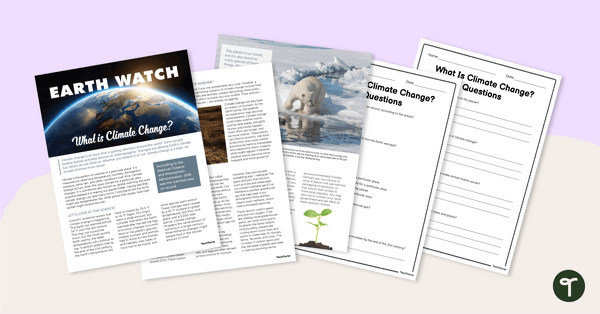
What Is Climate Change? Comprehension Worksheet
Teach your students about the perils of climate change with this comprehensive article with accompanying comprehension questions.
- Plus Plan
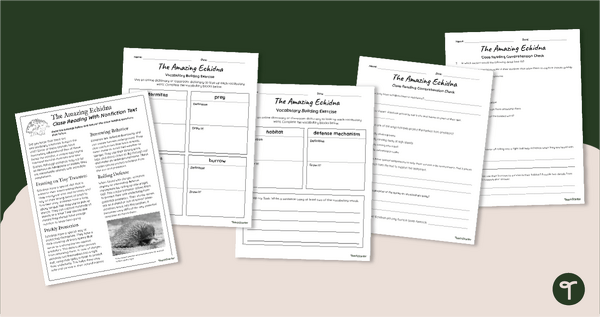
Echidna Adaptations – Reading Worksheet Pack
Discover the adaptations of the echidna with a printable reading passage and comprehension worksheet pack.
- Plus Plan
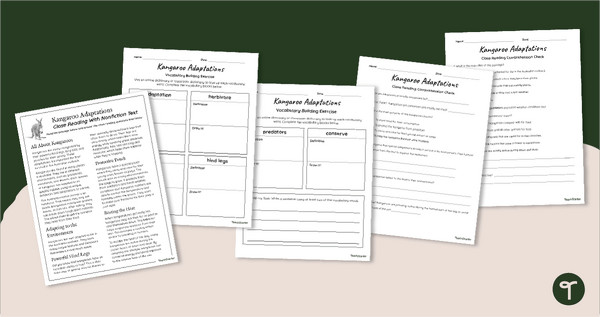
Kangaroo Adaptations – Reading Comprehension PDF Worksheets
Discover amazing kangaroo adaptations with a printable Reading comprehension worksheet pack.
- Plus Plan
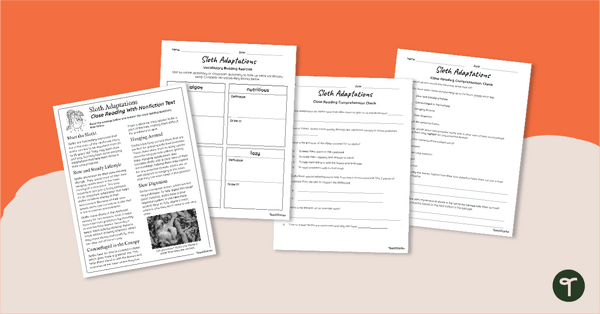
Sloth Adaptations – Comprehension Skills Worksheet
Read and comprehend nonfiction text about the adaptations of a sloth with a printable pack of reading skills worksheets.
- Reading Comprehension Worksheets
- Reading Comprehension Templates
- Reading Comprehension Games
- Reading Comprehension Posters
- Reading Comprehension Flashcards
- Reading Comprehension for Pre-K
- Reading Comprehension for Kindergarten
- Reading Comprehension for 1st Grade
- Reading Comprehension for 2nd Grade
- Reading Comprehension for 3rd Grade
- Reading Comprehension for 4th Grade
- Reading Comprehension for 5th Grade
- Reading Comprehension for 6th Grade