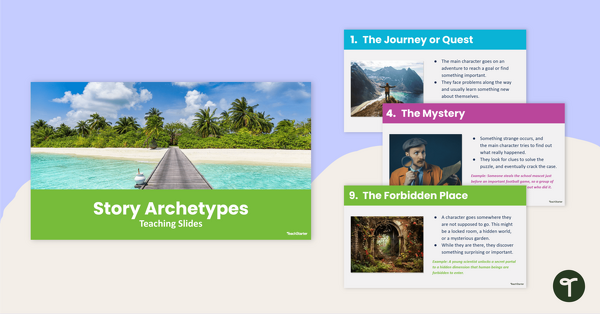
Teach story archetypes with this engaging slide deck that introduces students to ten of the most common plot patterns in literature.
What Are Archetypal Storylines?
An archetypal storyline is a timeless pattern or structure that many tales across cultures and generations follow. From heroic quests to rags-to-riches journeys, these archetypes form the backbone of countless stories that students already know and love. Understanding these patterns not only helps children appreciate literature more deeply, but also empowers them to experiment with these archetypes in their own writing.
This comprehensive 27-slide teaching presentation has been created by our team to introduce your students to ten of the most common story archetypes found in children’s literature. Each archetype is explained with clear examples, relatable visuals and discussion prompts to spark curiosity and comprehension.
The story archetypes included in this presentation are:
- The Journey or Quest
- Overcoming the Monster
- Rags to Riches
- The Mystery
- The Rescue
- The Transformation
- The Trick or Trap
- The Lost and Found
- The Forbidden Place
- The Friendship Story
This resource is an easy-to-use tool that blends instruction with student interaction. It downloads as a Microsoft PowerPoint or Google Slides file.
Read on to learn how to maximize the potential of this teaching tool in your classroom!
Classroom Activities for Exploring Archetypal Plots
This slide deck provides a solid foundation for introducing your students to archetypal plots. Once students have explored the slides, you can extend their learning with a range of simple but effective activities. Here are some ideas from our team to get you started:
- Archetype Scavenger Hunt – Visit your school library. Have students search for books that fit into certain archetypes, for example, a rags-to-riches story, a journey or quest story, or a friendship story.
- Story Comparisons – Choose two stories based on the same story archetype, but written in different countries or time periods. Guide students to compare how the same archetype appears across these different contexts.
- Creative Writing – Encourage students to write their own short story based on one of the ten archetypes introduced in the slides. These can be edited, published and compiled into a class book.
Download This Narrative Archetypes Resource
Use the dropdown menu on the Download button to access your preferred version of this narrative archetypes teaching presentation. (Note: You will be prompted to make a copy of the Google Slides presentation before accessing it.)
Whether you’re introducing a new unit, sparking discussion or inspiring creative writing, you now how a ready-to-use slide deck at your fingertips!
This resource was created by Kaylyn Chupp, a teacher in Florida and a Teach Starter collaborator.
Resource to Complement This Story Archetypes Slide Deck
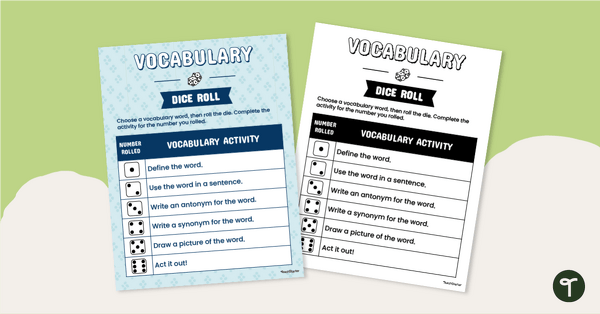
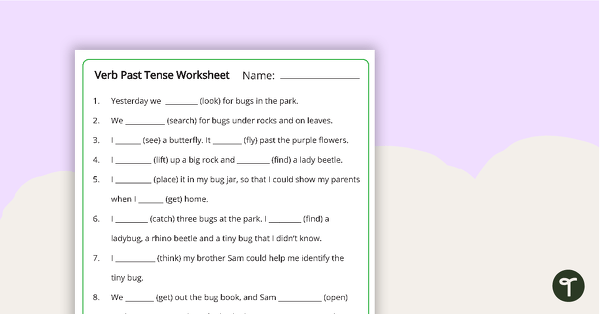
Are you looking for more resources to complement your literature unit? Click below to explore more teacher-created, curriculum-aligned content from our team.
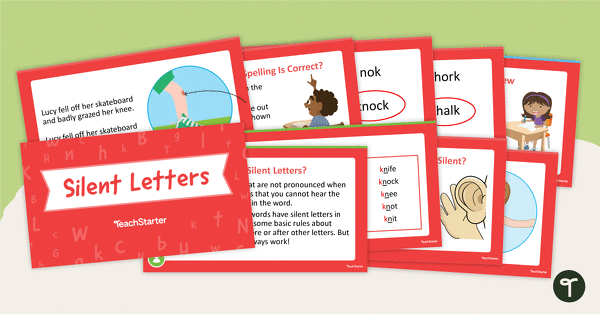
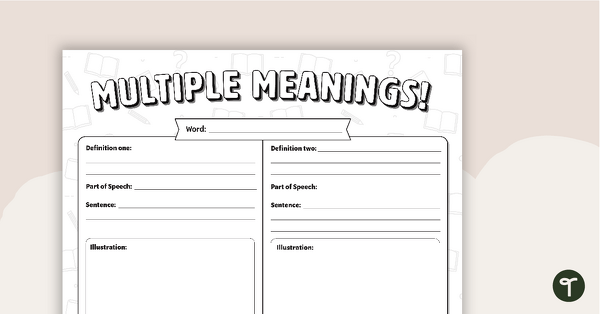
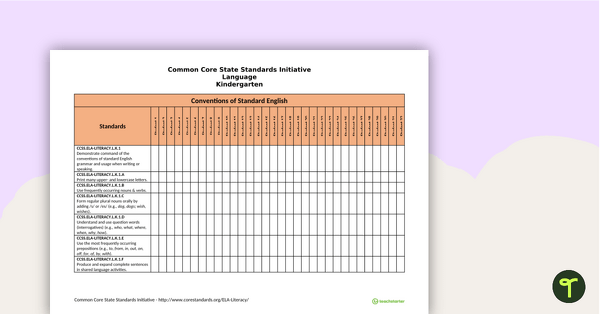
[resource:5169103] [resource:5169142] [resource:5169123]

0 Comments
Write a review to help other teachers and parents like yourself. If you'd like to request a change to this resource, or report an error, select the corresponding tab above.