VC2M5M01
choose appropriate metric units when measuring the length, mass and capacity of objects; use smaller units or a combination of units to obtain a more accurate measure
- ordering metric units from the largest unit to the smallest, for example, kilometre, metre, centimetre, millimetre
- recognising that some units of measurement are better suited to some tasks than others; for example, kilometres are more appropriate than metres to measure the distance between 2 towns
- deciding on the unit required to estimate the amount of paint or carpet for a room or a whole building, and justifying the choice of unit in relation to the context and the degree of accuracy required
- measuring and comparing distances (for example, measuring and comparing jumps or throws using a metre length of string and then measuring the part metre with centimetres and/or millimetres) and explaining which unit of measure is most accurate
- researching how the base units are derived for the International System of Units (SI), commonly known as the metric system of units, recognising that the metric unit names for the attributes of length and mass are international standards for measurement
- Plus Plan
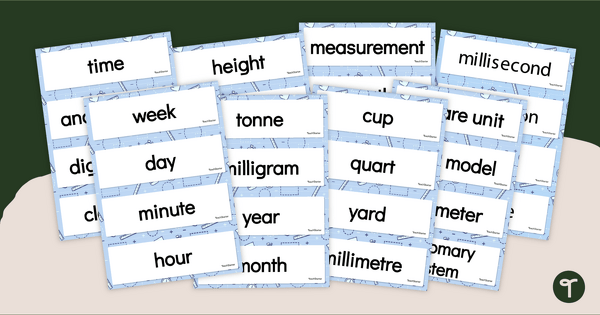
Units of Measurement Word Wall Vocabulary
Print a pack of measurement vocabulary cards to help your students review academic vocabulary.
- Plus Plan
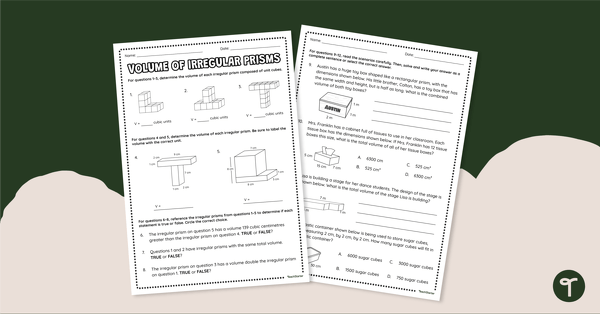
Volume of Irregular Prisms – Worksheet
Calculate the volume of irregular prisms and solve real-world problems with this worksheet.
- Plus Plan
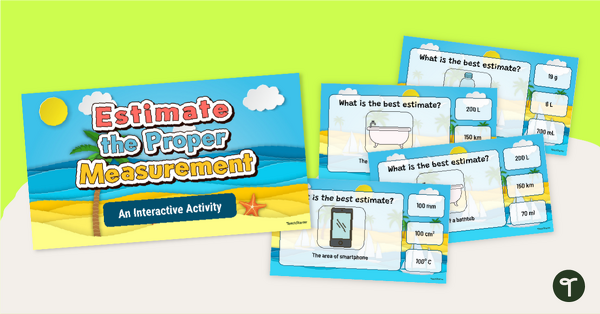
How Much Does it Measure? Estimating Units Interactive (Mixed Units)
Estimate units of mass, volume, temperature, length, and more with an engaging, interactive measurement game.
- Plus Plan
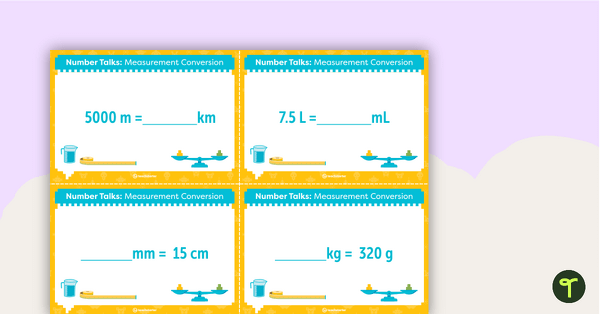
Number Talks - Measurement Conversion Task Cards
Build number sense skills with this set of 20 task cards.
- Plus Plan
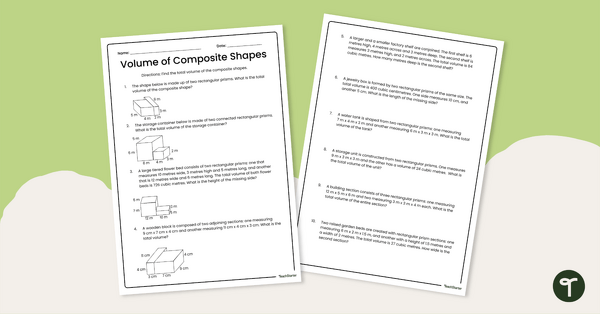
Volume of Composite Shapes Worksheet
Reinforce essential concepts of volume with our volume of composite shapes worksheet full of real-world scenarios.
- Plus Plan
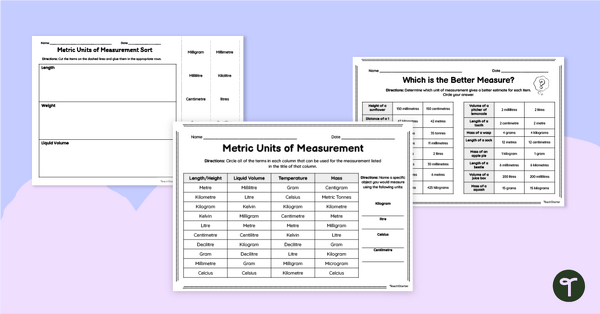
Estimating Units of Measure Worksheet Pack
Practise identifying and estimating appropriate units of measurement with a printable pack of Measurement Worksheets for upper years.
- Plus Plan
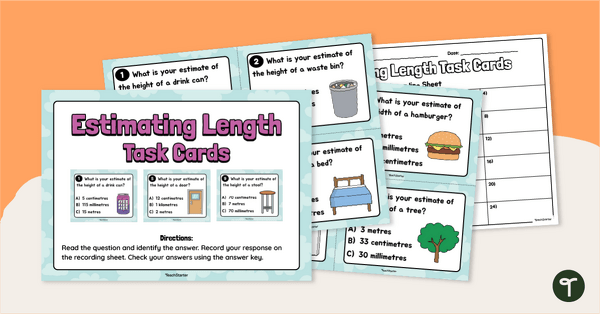
Estimating Length Task Cards
Use printable Estimating Length Task Cards to practise making estimates of length in metres, centimetres, and millimetres.
- Plus Plan
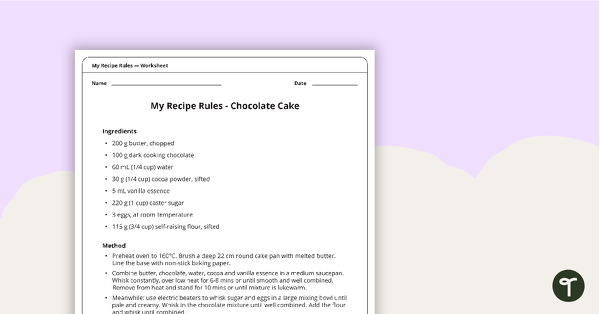
My Recipe Rules - Measurement Worksheet
A worksheet using money and measurement concepts.
- Plus Plan
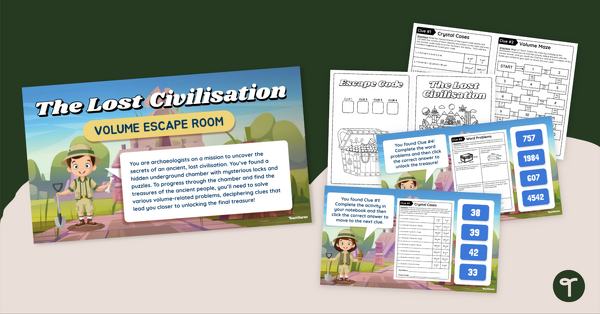
Volume Escape Room
'Escape' ordinary volume activities with this engaging volume escape room that will have students solving volume challenges on a quest for a lost civilisation.
- Plus Plan
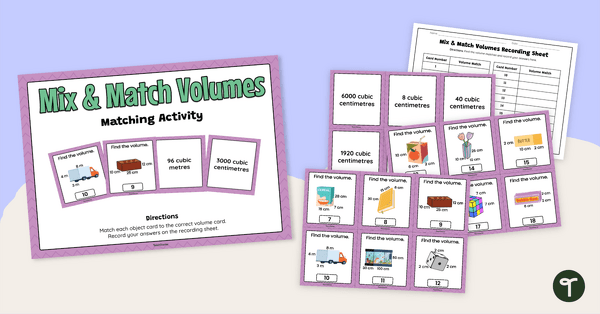
Matching Activity for Volume
Provide your students with this matching activity for volume to give them practice finding the volume of objects they see in the real world.
- Plus Plan
Number Talks Teaching Resource Pack - Grade 5
A collection of number talks teaching resources that support meaningful and highly engaging conversations in the mathematics classroom.