VC2S2U01
plants and animals have observable features that can be used to group them in different ways
- observing fruits and vegetables and identifying them as parts of plants such as roots, flowers, fruit and leaves
- grouping animals as vertebrates (animals that have backbones or spinal columns, such as amphibians, birds, fish, mammals and reptiles) or invertebrates (animals that have no backbones or bony skeletons inside them, such as insects, spiders, worms, snails, lobsters and jellyfish; some have outer shells while others have no hard parts in their bodies)
- recognising humans as animals, describing external features of humans, and exploring similarities to and differences with other animals
- using magnifying glasses or digital cameras to observe and identify external features of plants, including seeds, flowers, fruits and roots, or of animals, such as eyes, body coverings, legs and wings
- sorting collections of model animals and explaining different grouping strategies
- investigating how Aboriginal and/or Torres Strait Islander Peoples’ observations of external features have been represented in expressions of material culture from Deep Time to today, such as through rock art or cultural dances, for example in paintings of Genyornis newtoni, a megafaunal species that lived during the most recent Ice Age
- Plus Plan
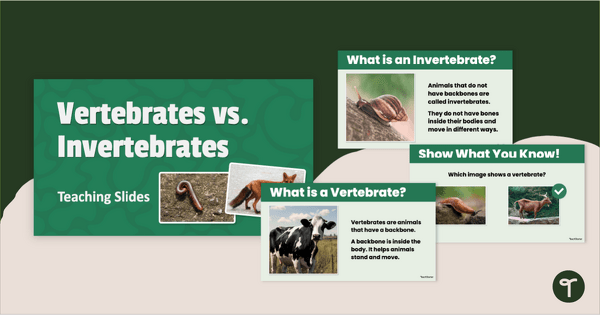
Vertebrate vs. Invertebrates PowerPoint (F-2)
Explore animals with and without backbones with a Vertebrates vs. Invertebrates PowerPoint for early learners.
- Plus Plan
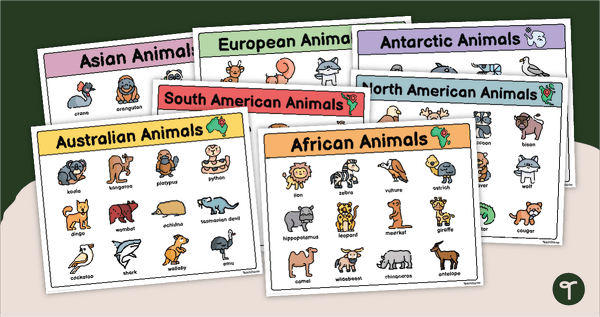
Animals Around the World - Word Mats
Discover the amazing animals on each continent and encourage global thinking with a pack of printable Animals Around the World Word Mats.
- Plus Plan
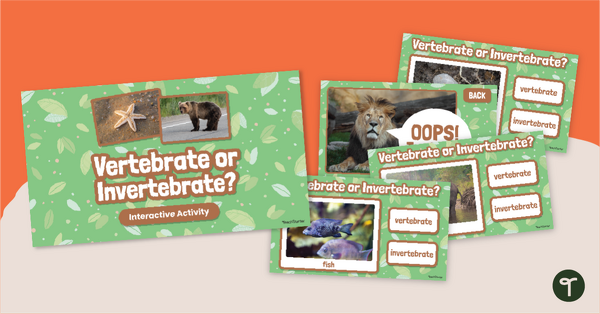
Vertebrate or Invertebrate? Game
Have fun classifying vertebrates and invertebrates with an exciting Google Slides Interactive Science Game!
- Plus Plan
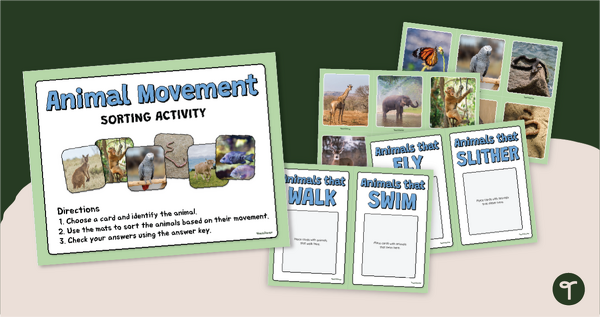
Movement of Animals Sorting Activity
Classify animals based on their movement methods with a picture-sorting game.
- Plus Plan
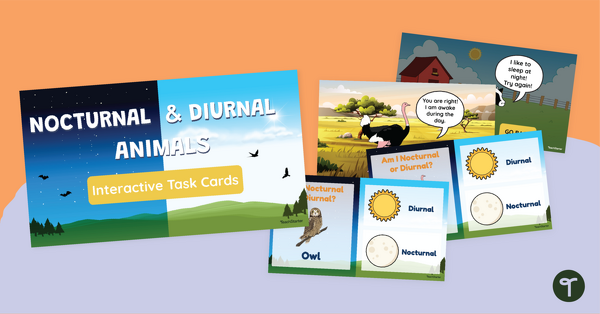
Nocturnal vs. Diurnal Animals Interactive Task Cards
Identify nocturnal and diurnal animals with an engaging, interactive task card game.
- Plus Plan
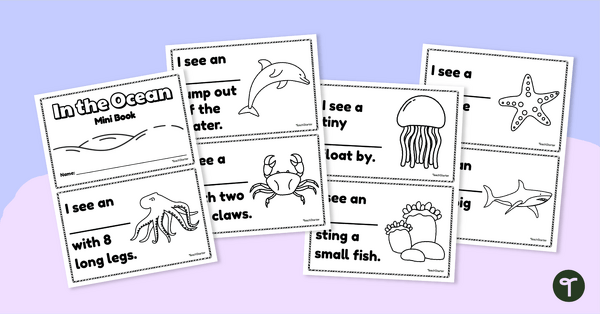
Printable Early Reader Books - Ocean Animals
Learn about sea life with a printable ocean book for year 1 students.
- Plus Plan
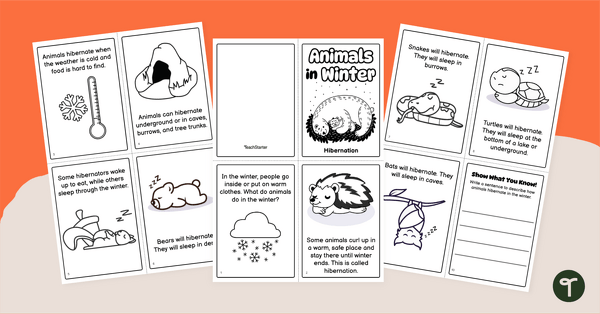
Animals in Winter - Hibernation Mini Book
Read and learn about animals that hibernate with a printable hibernation book for kids.
- Plus Plan
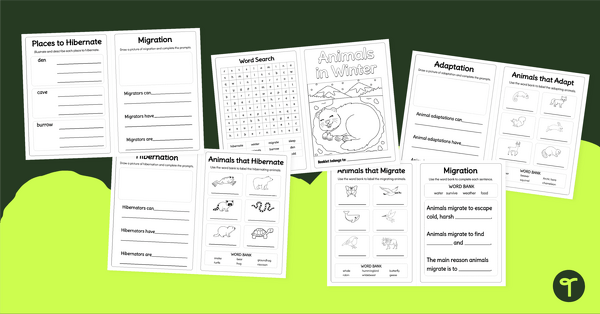
Animals in Winter Activity Book
Show what you know about hibernation and migration with a printable Animals in Winter Activity book.
- Plus Plan
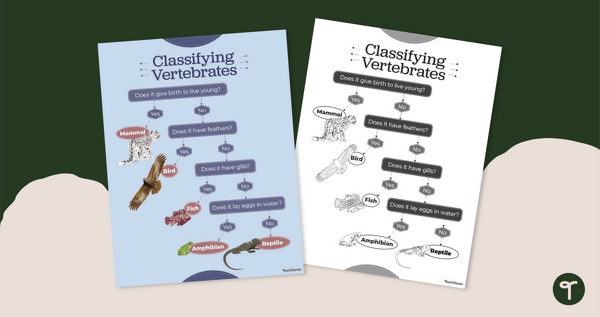
Classifying Vertebrates Flow Chart Poster
Classify vertebrates using an animal classification flowchart poster.
- Plus Plan
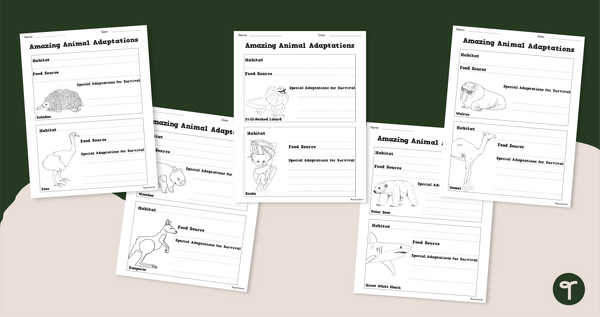
Australian Animals — Adaptations Worksheets
Research and write about amazing animal adaptations with our Australian Animals Adaptation Worksheets.
- Plus Plan
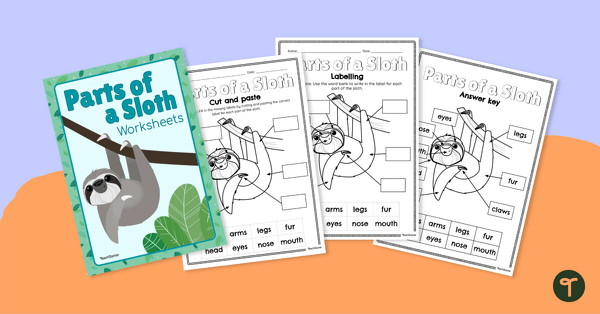
Parts of a Sloth Worksheet - Labelling Activity
Label and learn about the different parts of a sloth with this cut and paste worksheet
- Plus Plan
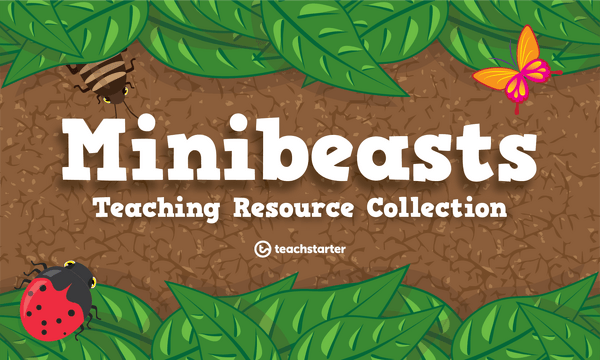
Minibeasts Resource Pack
This extensive minibeast weekly lesson pack includes educational posters, classroom decorations, word wall templates, page templates and worksheets for you to mix and match with your class.