ACELA1463
Understand that different types of texts have identifiable text structures and language features that help the text serve its purpose
Elaborations
- identifying the topic and type of a text through its visual presentation, for example cover design, packaging, title/subtitle and images (Skills: Literacy, Critical and Creative Thinking)
- becoming familiar with the typical stages of text types, for example simple narratives, instructions and expositions (Skills: Literacy, Critical and Creative Thinking)
- Plus Plan
Everyday Grammar Sentence Structure Warm Ups - Lower Years Interactive PowerPoint
An engaging 44 slide interactive PowerPoint to use in the lower years classroom when learning about grammar and sentence structure.
- Plus Plan

Build a Fact File Worksheet
Use this fact file template as a research tool when teaching factual writing to your students.
- Plus Plan

Fact or Opinion Questions Task Cards
Download these multiple-choice fact or opinion questions designed to build critical thinking skills and improve comprehension.
- Plus Plan

Sports – Digital Report Writing Activity
Use this digital writing scaffold to model the purpose and structural elements of informational writing.
- Plus Plan

How to Make an Ice Cream Sundae Interactive Activity
Use this “How to Make an Ice Cream Sundae” procedural writing interactive activity to model the purpose, structural elements and language features of procedure texts.
- Plus Plan

Spring Is Here Poem – Worksheet
A comprehension worksheet for a poem about the season spring.
- Plus Plan

Personal Recount Sequencing Activity - Surprise!
A worksheet to use in the classroom when learning the sequence of a personal recount.
- Plus Plan

Three Little Pigs – Sequencing Worksheet
Identify the story beginning, series of events and ending with this narrative text sequencing activity.
- Plus Plan

Elements of Plot Teaching Presentation
Teach your students about the elements of a story with this engaging teaching presentation.
- Plus Plan

Fact and Opinion Board Game
Practise differentiating between fact and opinion with a fun and engaging board game.
- Plus Plan

Fun With Nonfiction Task Cards
Solidify your nonfiction reading response lessons with this set of 12 comprehension task cards.
- Plus Plan

Crabbing at Night - Sequencing Worksheet
Identify the story beginning, series of events and ending with this narrative text sequencing activity.
- Plus Plan

Why Bears Have Stumpy Tails – Sequencing Worksheet
Identify the story beginning, series of events and ending with this narrative text sequencing activity.
- Plus Plan

Exploring Informative Texts Unit Plan - Year 1 and Year 2
This English unit has been designed to introduce the informative genre to younger students; specifically, the purpose, structure and language features of information reports.
- Plus Plan

Exploring Persuasive Texts Unit Plan - Year 1 and Year 2
This English unit has been designed to introduce the persuasive genre to younger students; specifically, the purpose, structure and language features of persuasive texts.
- Plus Plan

Personal Recounts - Text Structure
A 60 minute lesson in which students will identify and explore the structure of personal recounts.
- Plus Plan

On the Weekend
- Plus Plan

Exploring Procedural Texts Unit Plan
This English unit has been designed to introduce procedural texts to younger students. It addresses the purpose, structure and language features of instructions and recipes.
- Plus Plan

Introducing Simple Narrative Structure
A 60 minute lesson in which students will identify the structure of a narrative text using fairy tales.
- Plus Plan

Adding Detail Using Describing Words
A 60 minute lesson in which students will investigate how descriptive words, such as adjectives, can add detail to a personal recount.
- Plus Plan

Sequencing Ideas Using Time Connectives
A 60 minute lesson in which students will investigate how events can be sequenced using time connectives.
- Plus Plan

Personal Recounts - Language Features
A 60 minute lesson in which students will identify and explore the language features of personal recounts.
- Plus Plan

Exploring Simple Narrative Structure
A 60 minute lesson in which students will explore the structure of a narrative text.
- Plus Plan

Informative Texts - Text Structure
A 60 minute lesson in which students will identify and explore the structure of information reports.
- Plus Plan

Adding Detail Using Emotion Words
A 60 minute lesson in which students will investigate how emotion words can add detail to a personal recount.
- Plus Plan

Fact or Opinion?
A 60 minute lesson in which students will identify the difference between a fact and an opinion.
- Plus Plan

Simon Says!
A 60 minute lesson in which students will explore action verbs, common nouns and adverbial phrases in procedures.
- Plus Plan

Instruct Me!
A 60 minute lesson in which students will explore how procedures provide instructions about completing a task.
- Plus Plan
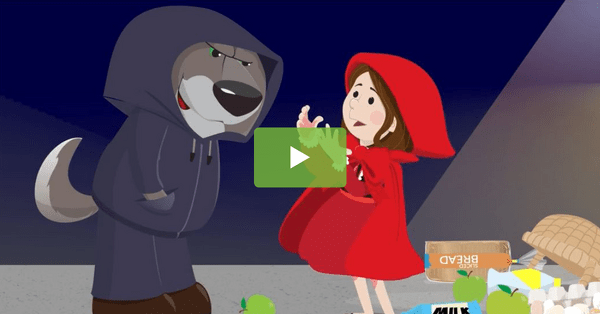
Strong Words Make Strong Opinions
A 60 minute lesson in which students will explore how word choice can be used to strengthen an opinion.
- Plus Plan

Persuasive Language Features
A 60 minute lesson in which students will identify and explore the language features of persuasive texts.
- Plus Plan

Exploring Narrative Texts Unit Plan - Year 1 and Year 2
This English unit uses fairy tales to introduce the narrative text type to younger students. It addresses the structure, characters and language features of a narrative.
- Plus Plan

Using Descriptive and Comparative Language
A 60 minute lesson in which students will understand how descriptive and comparative language is used in informative texts.