ACELT1599
Discuss how language is used to describe the settings in texts, and explore how the settings shape the events and influence the mood of the narrative
Elaborations
- identifying and discussing the use of descriptive adjectives ('in the middle of a vast, bare plain') to establish setting and atmosphere ('the castle loomed dark and forbidding') and to draw readers into events that follow (Skills: Literacy, Critical and Creative Thinking, Personal and Social Capability)
- discussing the language used to describe the traits of characters in stories, their actions and motivations: 'Claire was so lonely; she desperately wanted a pet and she was afraid she would do anything, just anything, to have one to care for' (Skills: Literacy, Critical and Creative Thinking, Personal and Social Capability)
- Plus Plan
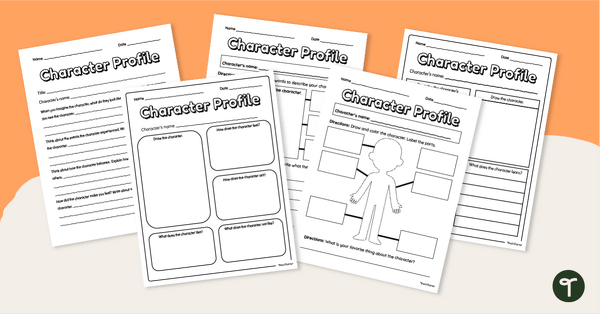
Character Profile Template Pack
Explore the personality, appearance, feelings and actions of a character from a narrative with this printable character profile templates.
- Plus Plan
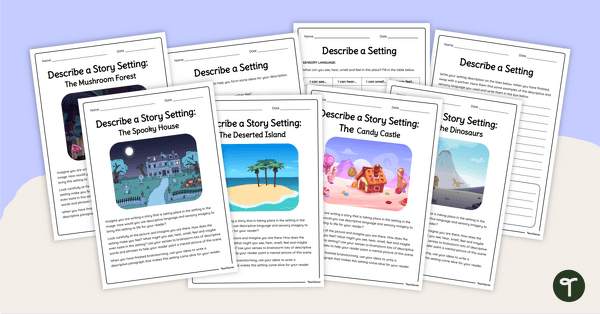
Describe a Story Setting Worksheets
Download these engaging story setting worksheets that help students brainstorm descriptive language and write vivid setting descriptions with ease.
- Plus Plan
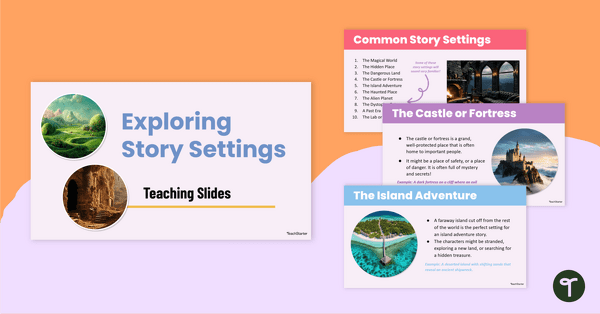
Examples of Story Settings Teaching Slides
Discover engaging examples of story settings with this teaching presentation that introduces students to ten classic settings in children’s literature.
- Plus Plan
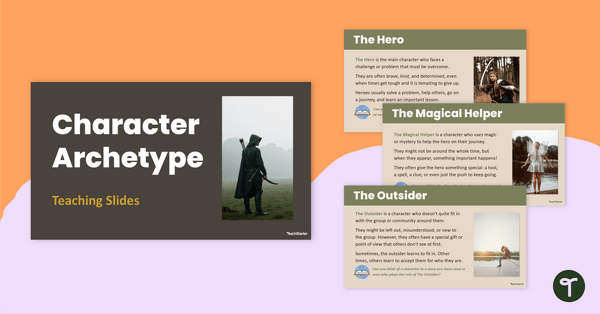
Character Archetype Teaching Slides
Download this character archetype slide deck to help your students identify and analyse common character types in literature.
- Plus Plan
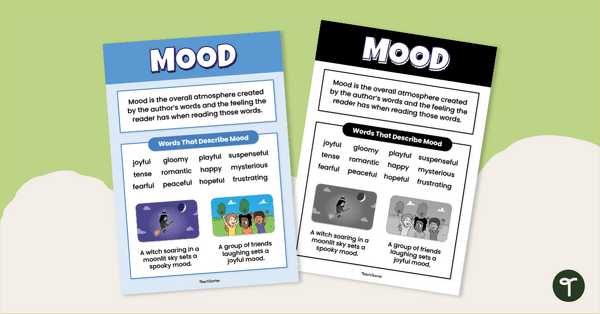
Mood Anchor Chart- Literary Element Poster
Introduce your students to mood, the atmosphere-creating literary element, with a printable Mood Anchor Chart.
- Plus Plan
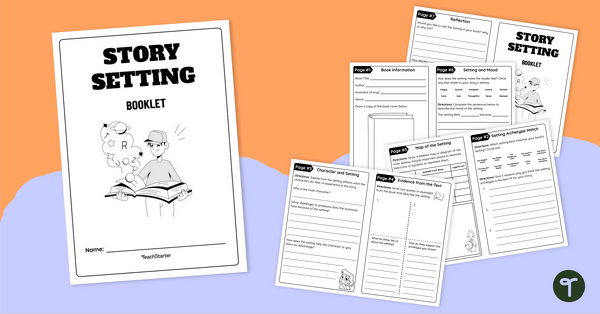
Story Settings Booklet
Explore common story settings in literature with this engaging 8-page mini book that helps students analyse settings from their own reading.
- Plus Plan
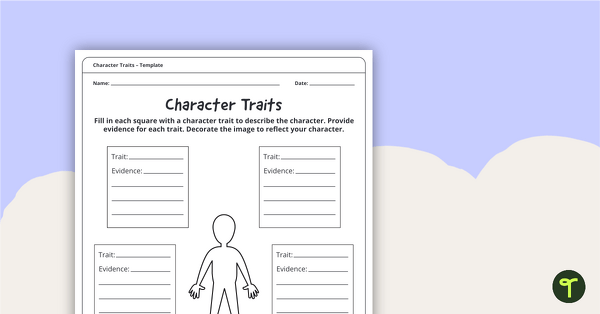
Character Traits Graphic Organiser
Describe the most notable mental and moral qualities of a real or fictional person.
- Plus Plan
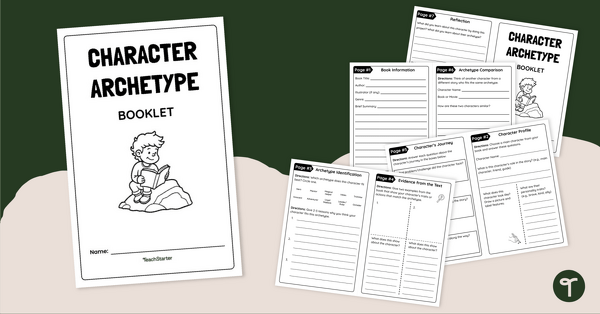
Archetype Characters Booklet
Explore archetype characters with this engaging 8-page mini book that helps students analyse a character from a book they have recently read.
- Plus Plan
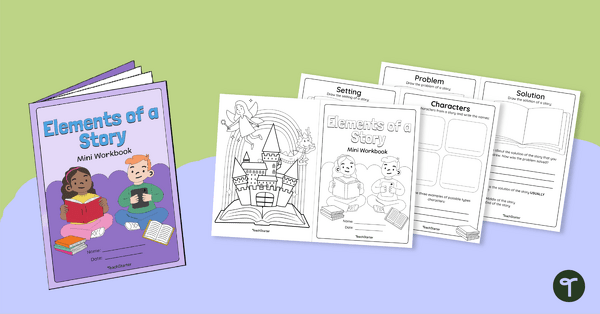
Elements of a Story Activity Workbook
Explore the different elements of a narrative story with this student mini workbook.
- Plus Plan
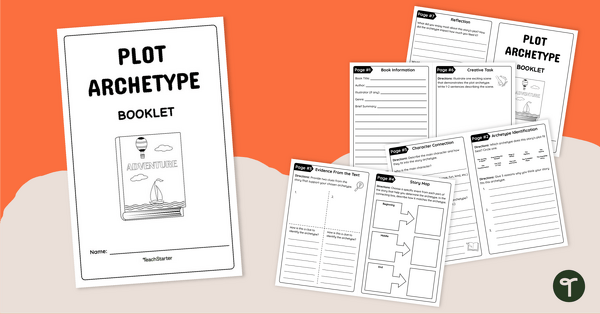
Plot Archetypes Booklet
Explore plot archetypes with this engaging 8-page mini book that helps students analyse familiar story structures.
- Plus Plan
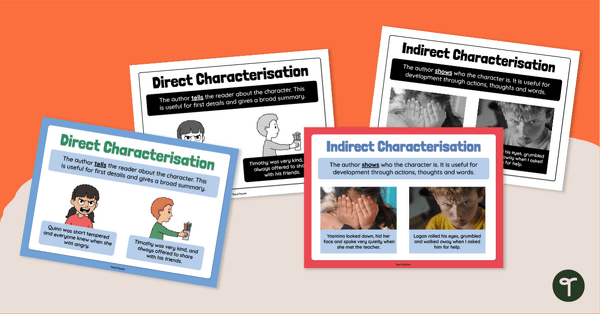
Direct and Indirect Characterisation Anchor Chart
Reference a direct and indirect characterisation anchor chart to teach your students the difference between types of characterisation.
- Plus Plan
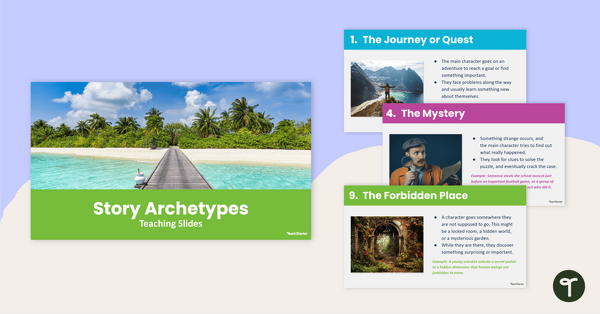
Story Archetypes Teaching Slides
Teach story archetypes with this engaging slide deck that introduces students to ten of the most common plot patterns in literature.