Mathematics
Learning mathematics creates opportunities for and enriches the lives of all Australians. The Australian Curriculum: Mathematics provides students with essential mathematical skills and knowledge in number and algebra, measurement and geometry, and statistics and probability. It develops the numeracy capabilities that all students need in their personal, work and civic life, and provides the fundamentals on which mathematical specialties and professional applications of mathematics are built.
Mathematics has its own value and beauty and the Australian Curriculum: Mathematics aims to instil in students an appreciation of the elegance and power of mathematical reasoning. Mathematical ideas have evolved across all cultures over thousands of years, and are constantly developing. Digital technologies are facilitating this expansion of ideas and providing access to new tools for continuing mathematical exploration and invention. The curriculum focuses on developing increasingly sophisticated and refined mathematical understanding, fluency, reasoning, and problem-solving skills. These proficiencies enable students to respond to familiar and unfamiliar situations by employing mathematical strategies to make informed decisions and solve problems efficiently.
The Australian Curriculum: Mathematics ensures that the links between the various components of mathematics, as well as the relationship between mathematics and other disciplines, are made clear. Mathematics is composed of multiple but interrelated and interdependent concepts and systems which students apply beyond the mathematics classroom. In science, for example, understanding sources of error and their impact on the confidence of conclusions is vital, as is the use of mathematical models in other disciplines. In geography, interpretation of data underpins the study of human populations and their physical environments; in history, students need to be able to imagine timelines and time frames to reconcile related events; and in English, deriving quantitative and spatial information is an important aspect of making meaning of texts.
The curriculum anticipates that schools will ensure all students benefit from access to the power of mathematical reasoning and learn to apply their mathematical understanding creatively and efficiently. The Mathematics curriculum provides students with carefully paced, in-depth study of critical skills and concepts. It encourages teachers to help students become self-motivated, confident learners through inquiry and active participation in challenging and engaging experiences.
- Plus Plan
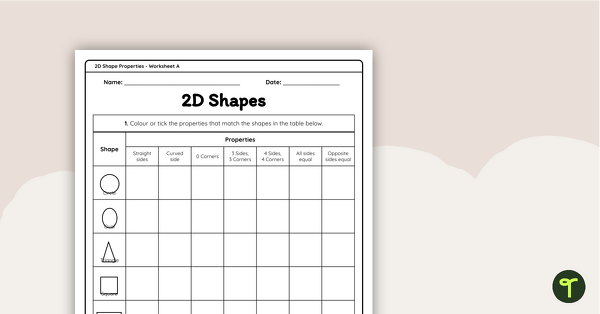
2D Shapes Comparison Worksheet
A set of two 2D shape worksheets for students to record their observations whilst comparing properties of 2D shapes.
- Plus Plan
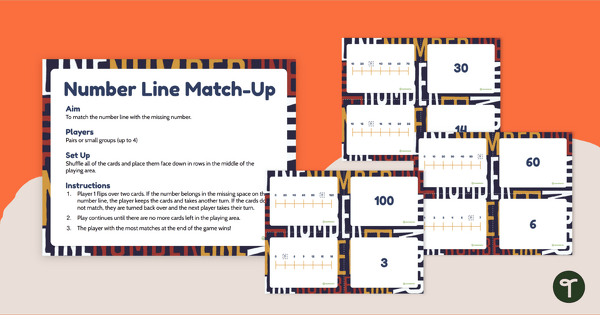
Number Line Match-Up Activity (Up to 120)
Match two-digit whole numbers on a number line with this set of 32 task cards.
- Plus Plan
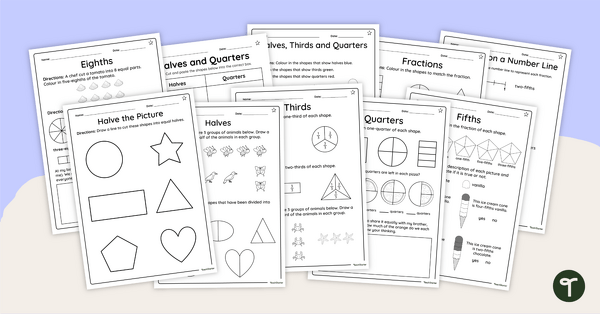
Fractions Worksheet Pack – Differentiated
Practise partitioning shapes, shading in fraction models, representing fractions on a number line and more with this set of differentiated worksheets.
- Plus Plan
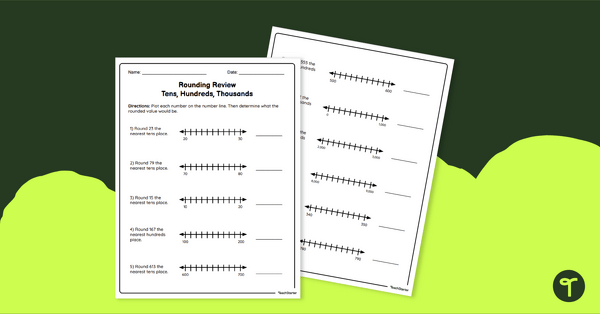
Rounding to the Nearest Ten, Hundred and Thousand Worksheet
Review rounding concepts with a worksheet covering rounding to the nearest ten, hundred, and thousand.
- Plus Plan
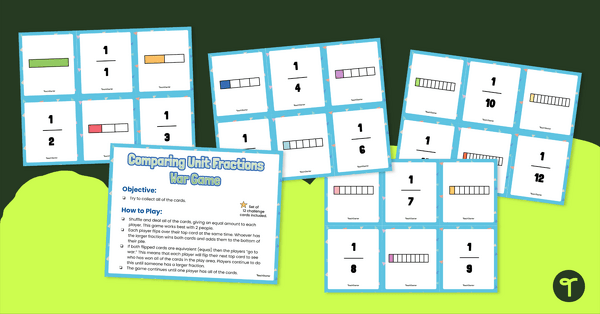
Comparing Unit Fractions – War Game
Improve student understanding of how to compare fractions with an exciting game of war!
- Plus Plan
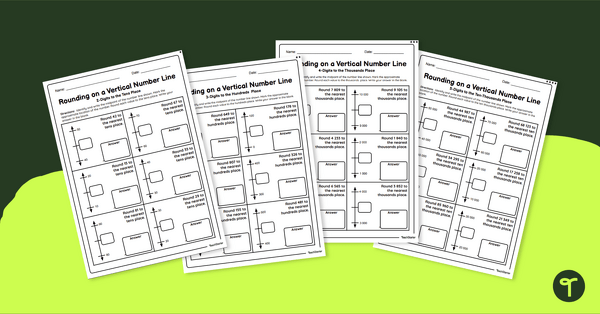
Vertical Number Line - Rounding Worksheets
Use a vertical number line to round whole numbers to a given place with a set of rounding worksheets.
- Plus Plan
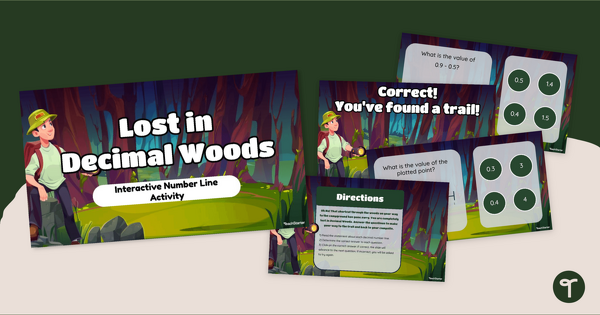
Lost in Decimal Woods — Decimal Number Line Interactive
Recognise and analyse decimals on a number line with an exciting self-checking interactive game.
- Plus Plan
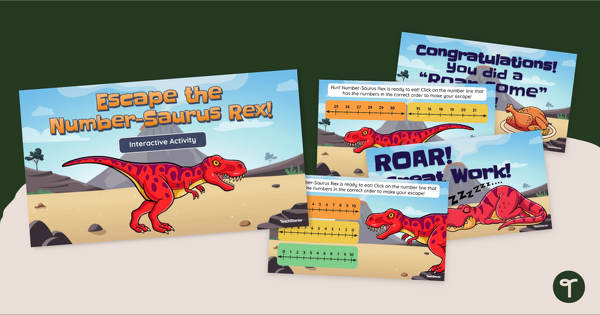
Escape the Number-Saurus Rex! Number Line Sequencing Activity
Escape the Number-Saurus Rex and practise number sequencing skills with an interactive, self-checking maths adventure!
- Plus Plan
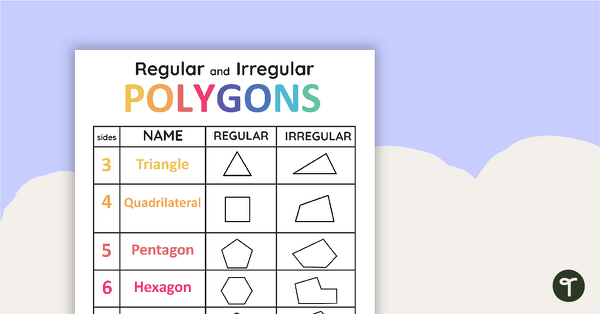
Regular and Irregular Polygons
A poster chart showing regular and irregular polygons.
- Free Plan
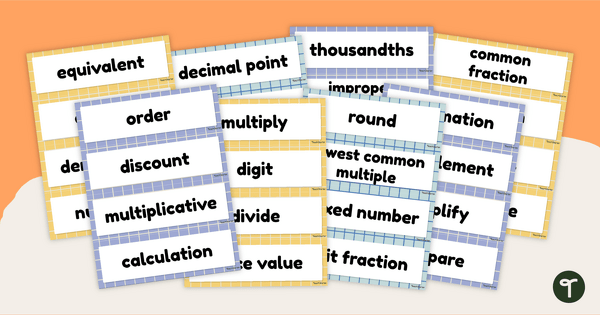
Fraction, Percentage and Decimal Word Wall Vocabulary
Print your own fraction, percentage and decimal vocabulary for use on a maths word wall.
- Plus Plan
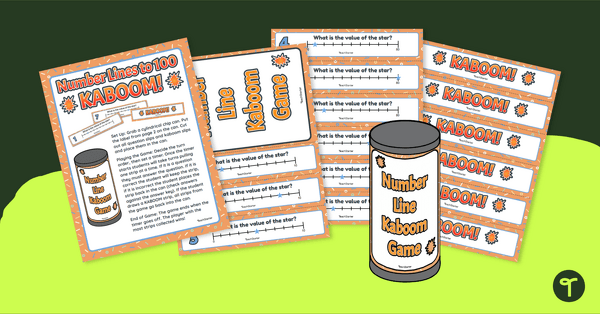
Number Lines to 100 - Kaboom Game
Practise using a number line and locating numbers to 100 with an exciting Kaboom! Card Game.
- Free Plan
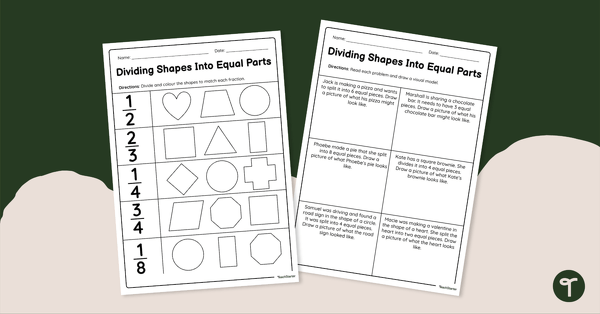
Dividing Shapes Into Equal Parts – Worksheet
Practise dividing shapes and shading fraction models with this maths worksheet for year 2 and 3 students.
- Plus Plan
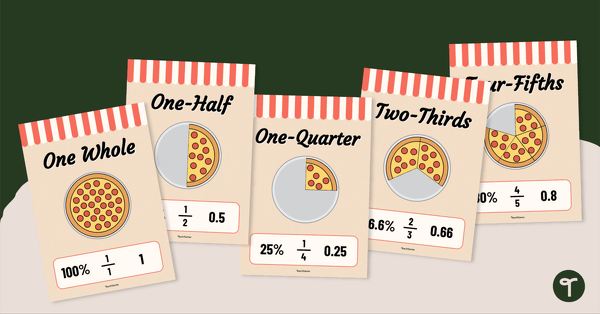
Pizza Fraction Posters
Display information about fractions, decimals and percentages with this poster pack.
- Free Plan
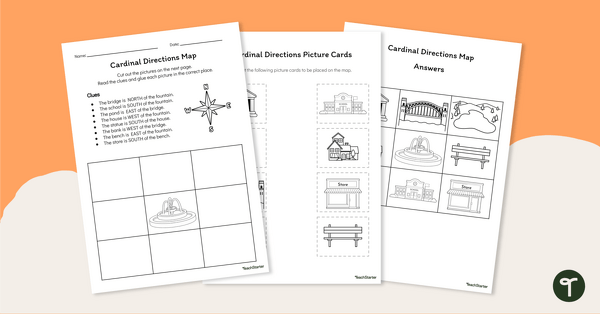
Cardinal Directions - Cut and Paste Worksheet
Use cardinal directions to create a simple town map with this 2-page cut-and-paste activity sheet.
- Plus Plan
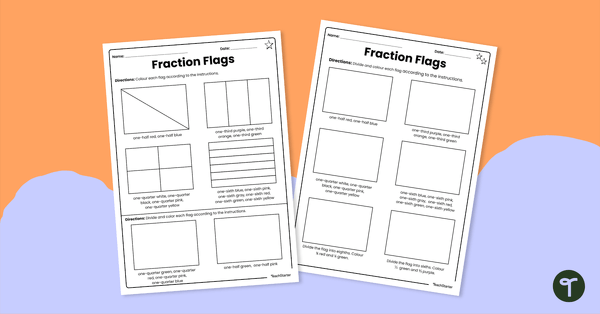
Fraction Flags Worksheet
Create fraction models with different flags by dividing rectangles and colouring them according to the guide.
- Plus Plan
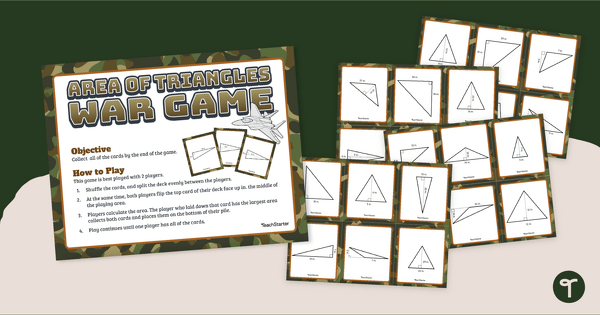
Area of a Triangle - Maths Game
Practice finding and comparing the area of a triangle with a game of WAR!
- Plus Plan
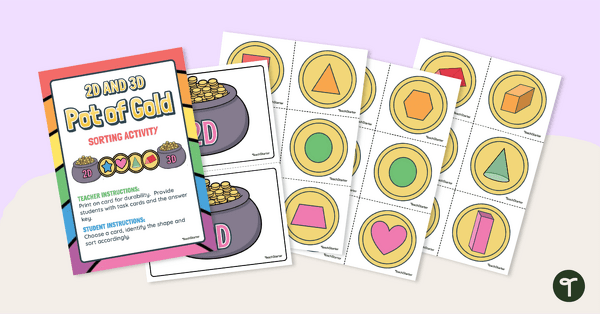
Sorting 2D Shapes and 3D Objects (Pot of Gold Theme)
Sort coins that feature 2D shapes and 3D objects into their corresponding pots with a St. Patricks Day theme!
- Plus Plan
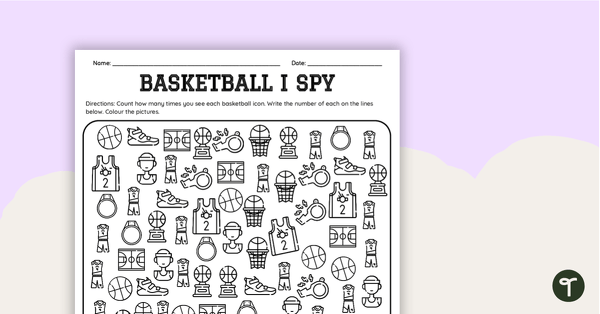
Counting and Colouring Basketball I Spy Worksheet
Have a bit of counting and colouring fun with a basketball worksheet for Prep.
- Plus Plan
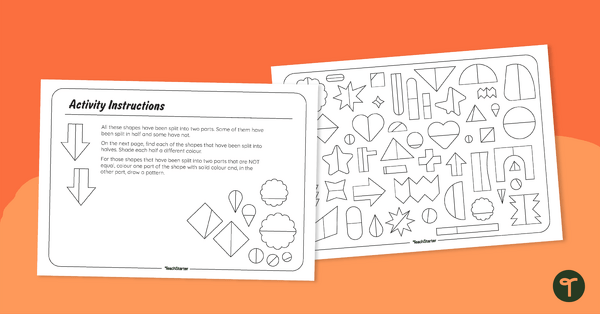
Is It Half? Fractions Colouring Sheet
Introduce your students to the concept of halves as well as equal and unequal parts with this fractions colouring sheet.
- Plus Plan
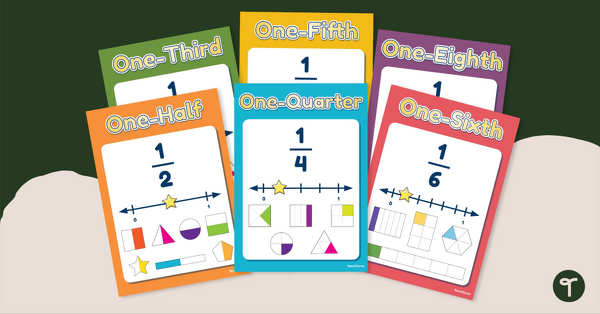
Unit Fractions – Poster Pack
Display unit fraction models with this set of 6 classroom posters.
- Plus Plan
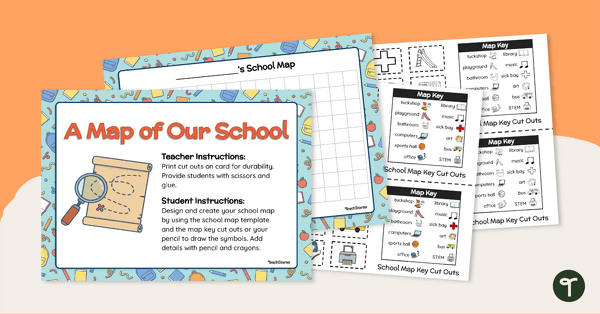
A Map of Our School - Mapmaking Project
Develop map skills with a school map-making project.
- Plus Plan
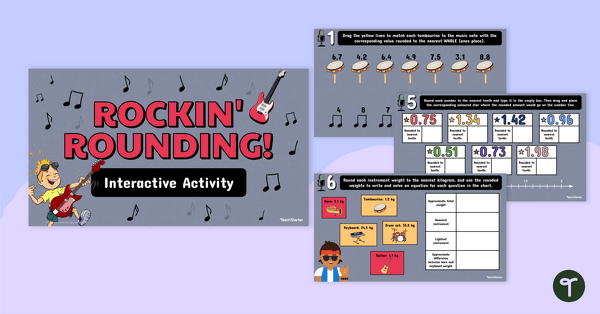
Rockin' Rounding Interactive Activity for Year 5
Round numbers to different place values with a interactive activity designed for year five students.
- Free Plan
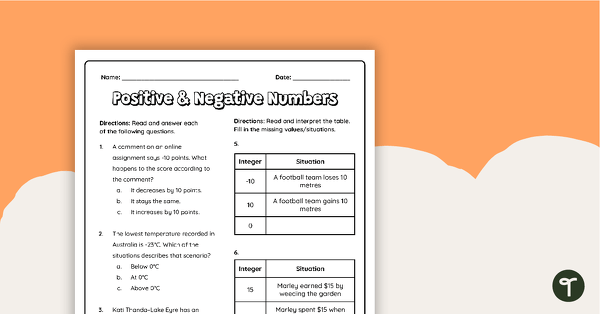
Real World Applications of Positive and Negative Numbers – Worksheet
Use positive and negative numbers to represent quantities in real-world scenarios with this worksheet.
- Plus Plan
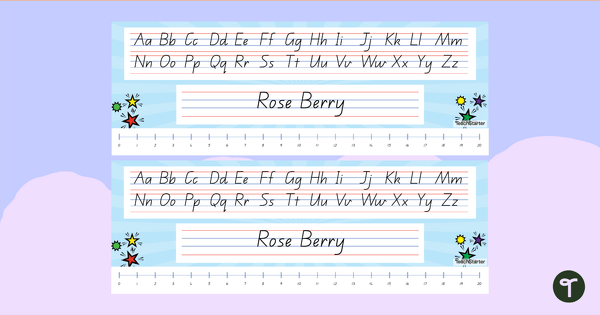
Superhero-Themed Editable Desk Name Plate
Help your students feel at home on the first day of a new school year with these customisable desk name plates to match your classroom theme.
- Plus Plan
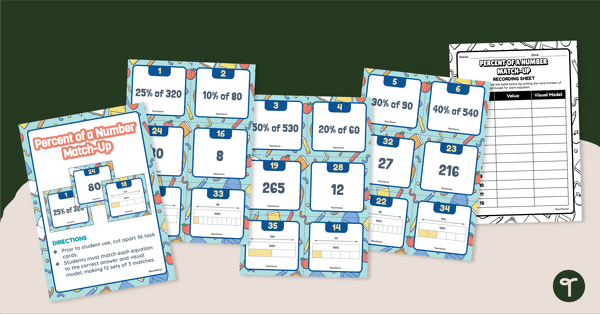
Percent of a Number Match-Up Activity
Practise how to find the percent of a number with this match-up activity.
- Plus Plan
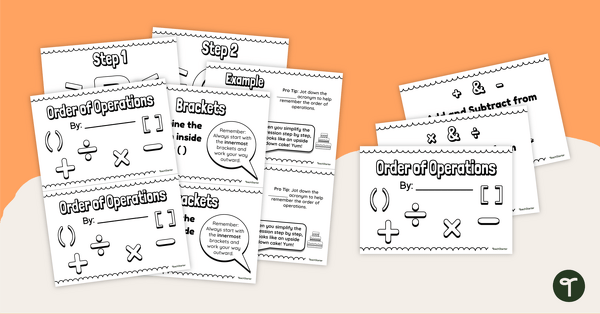
Order of Operations – Mini Book
Learn how to solve equations using the order of operations with this mini book.
- Plus Plan
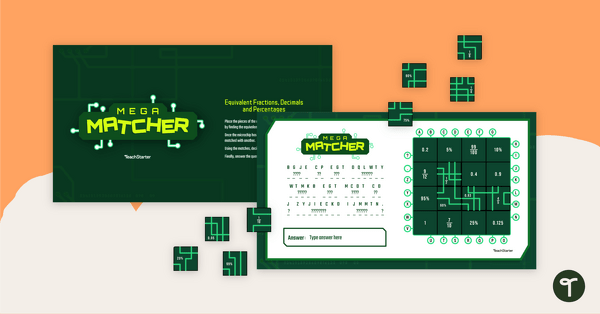
Mega Matcher (Fractions, Decimals and Percentages) Year 6 Interactive Game
Match equivalent fractions, decimals and percentages with this interactive activity with a code cracking twist.
- Plus Plan
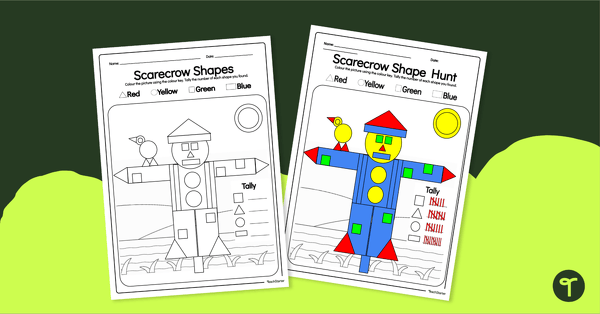
Scarecrow Shape Hunt Worksheet
Practice identifying circles, squares, triangles and rectangles with a Scarecrow Shape hunt worksheet.
- Free Plan
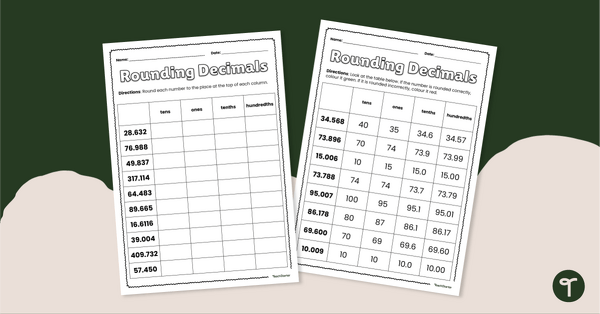
Rounding Decimals Worksheet
Encourage your students to round decimals to the nearest tenths and hundredths place with this worksheet.
- Plus Plan
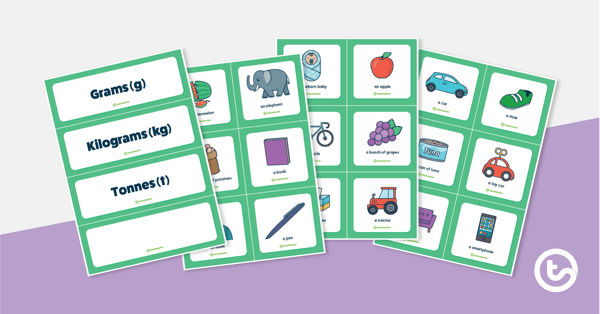
Selecting Units of Mass – Sorting Activity
A sorting activity to help students identify objects that should be measured in grams, kilograms and tonnes.
- Plus Plan
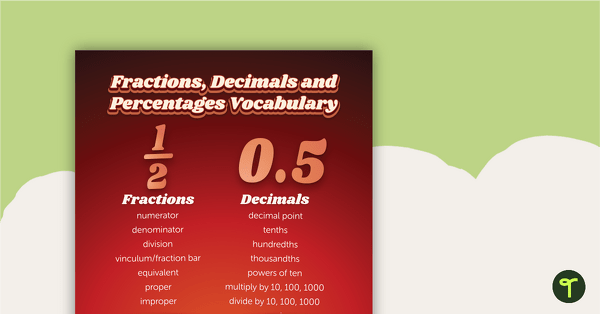
Fractions, Decimals and Percentages Vocabulary Poster
A poster to help students learn the vocabulary associated with fractions, decimals and percentages.
- Free Plan
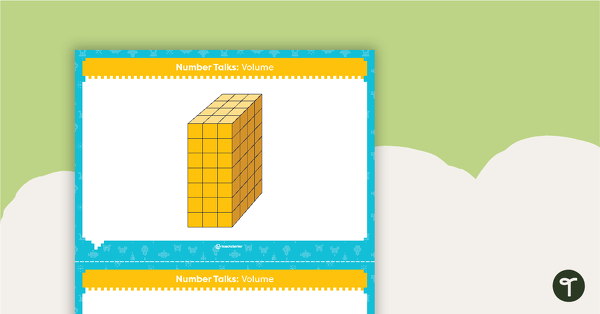
Number Talks - Volume Task Cards
Build number sense skills with this set of 26 task cards.