Mathematics
Learning mathematics creates opportunities for and enriches the lives of all Australians. The Australian Curriculum: Mathematics provides students with essential mathematical skills and knowledge in number and algebra, measurement and geometry, and statistics and probability. It develops the numeracy capabilities that all students need in their personal, work and civic life, and provides the fundamentals on which mathematical specialties and professional applications of mathematics are built.
Mathematics has its own value and beauty and the Australian Curriculum: Mathematics aims to instil in students an appreciation of the elegance and power of mathematical reasoning. Mathematical ideas have evolved across all cultures over thousands of years, and are constantly developing. Digital technologies are facilitating this expansion of ideas and providing access to new tools for continuing mathematical exploration and invention. The curriculum focuses on developing increasingly sophisticated and refined mathematical understanding, fluency, reasoning, and problem-solving skills. These proficiencies enable students to respond to familiar and unfamiliar situations by employing mathematical strategies to make informed decisions and solve problems efficiently.
The Australian Curriculum: Mathematics ensures that the links between the various components of mathematics, as well as the relationship between mathematics and other disciplines, are made clear. Mathematics is composed of multiple but interrelated and interdependent concepts and systems which students apply beyond the mathematics classroom. In science, for example, understanding sources of error and their impact on the confidence of conclusions is vital, as is the use of mathematical models in other disciplines. In geography, interpretation of data underpins the study of human populations and their physical environments; in history, students need to be able to imagine timelines and time frames to reconcile related events; and in English, deriving quantitative and spatial information is an important aspect of making meaning of texts.
The curriculum anticipates that schools will ensure all students benefit from access to the power of mathematical reasoning and learn to apply their mathematical understanding creatively and efficiently. The Mathematics curriculum provides students with carefully paced, in-depth study of critical skills and concepts. It encourages teachers to help students become self-motivated, confident learners through inquiry and active participation in challenging and engaging experiences.
- Plus Plan
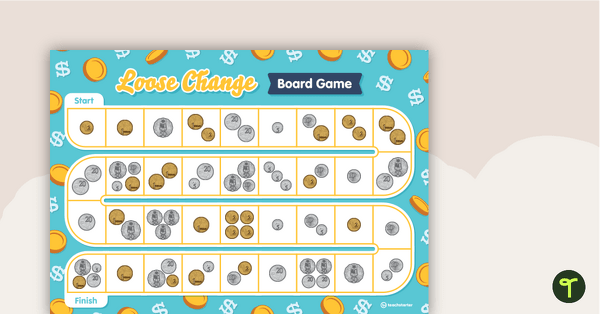
Loose Change (Coins) – Board Game
A board game to encourage students to learn about Australian coins.
- Plus Plan
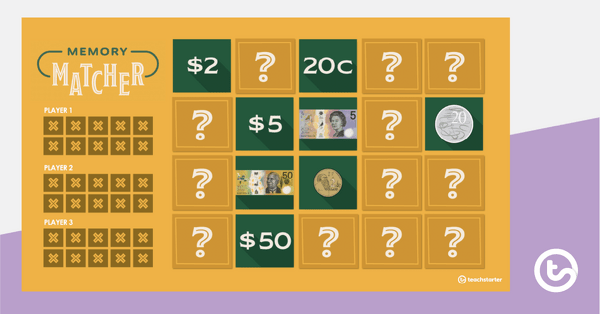
Memory Matcher PowerPoint – Australian Coins and Notes
An interactive memory match up game to consolidate students' recognition of Australian coins and notes.
- Plus Plan
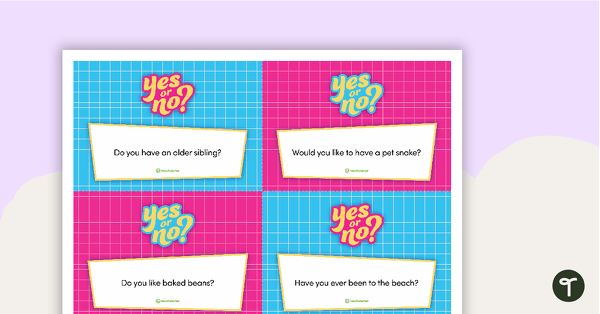
Yes or No? Questions – Flashcards
A set of 20 flashcards posing 'yes or no' questions for your students to answer.
- Plus Plan
Memory Matcher PowerPoint – 2D Shapes
An interactive memory match-up game where students recall the names of shapes.
- Plus Plan
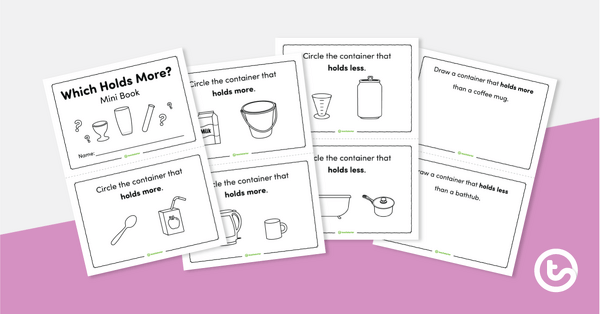
Which Holds More? – Mini Book
A mini book that allows students to compare the capacity of various containers.
- Free Plan
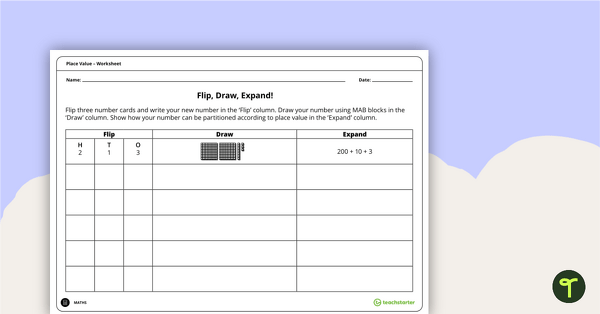
Flip, Draw, Expand! - Place Value Worksheet (3-Digit Numbers)
A worksheet to use when consolidating understanding of place value to hundreds.
- Free Plan
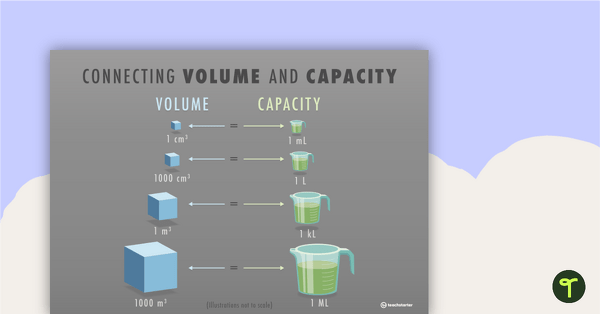
Connecting Volume and Capacity Posters
A set of three posters to help with connecting and converting units of volume and capacity.
- Free Plan
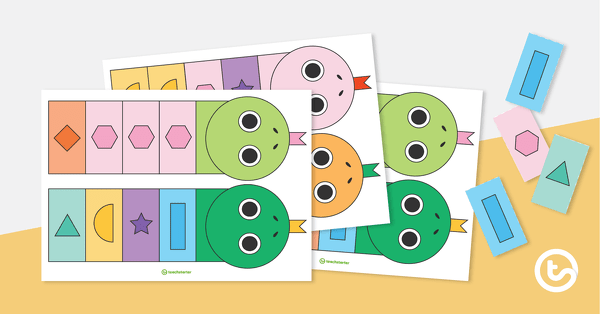
Python Patterns – Match-Up Activity
An activity for students to consolidate copying and creating patterns.
- Plus Plan
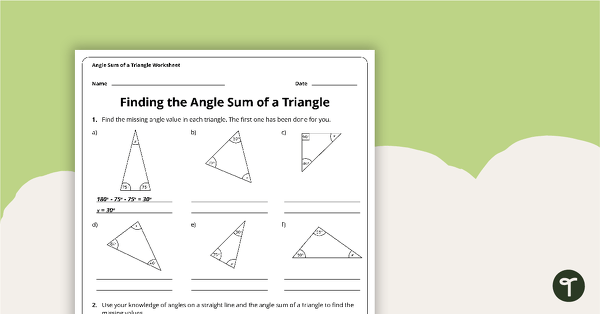
Angle Sum of a Triangle – Year 7 Maths Worksheet
Calculate the missing angle in a variety of triangles with this one-page worksheet.
- Plus Plan
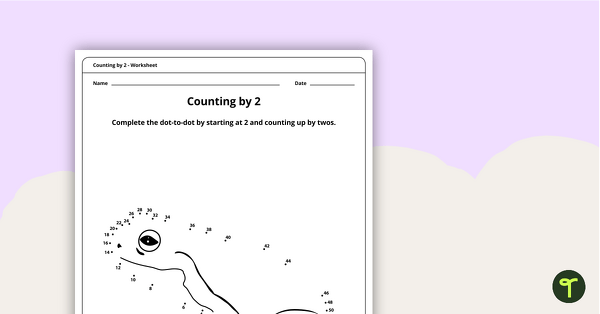
Dot-to-Dot Drawing - Numbers by 2 - Frog
Join the dots and numbers to make a picture.
- Plus Plan
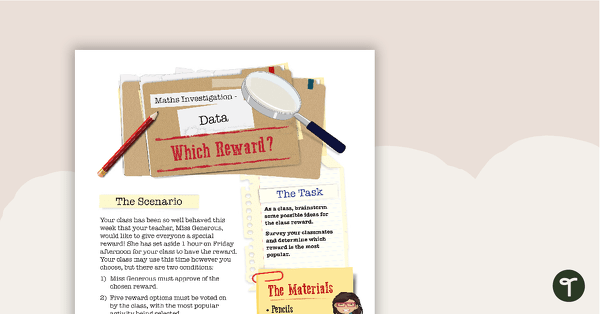
Data Maths Investigation - Which Reward?
A mathematics investigation involving data collection and representation, embedded in a real-world context.
- Plus Plan
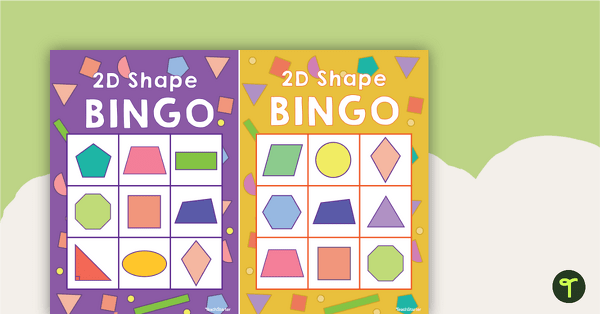
2D Shape Bingo
Engage your students while consolidate learning about 2D shapes, their names and properties with 2D Shape Bingo!
- Plus Plan
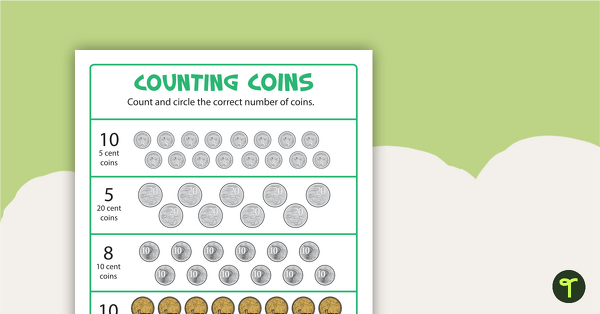
Counting Coins Worksheet
A counting worksheet using Australian coins.
- Plus Plan
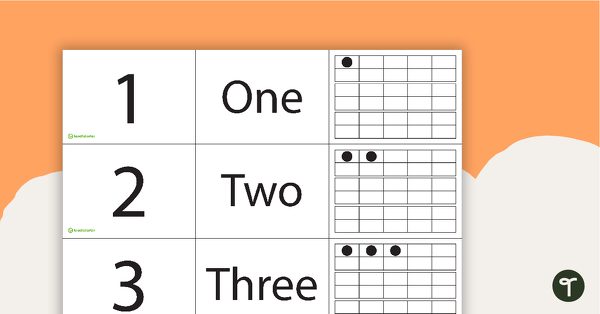
Number, Name and Ten Frame Match-Up Cards 1-30
Cards to consolidate numerals, names and values up to 30.
- Plus Plan
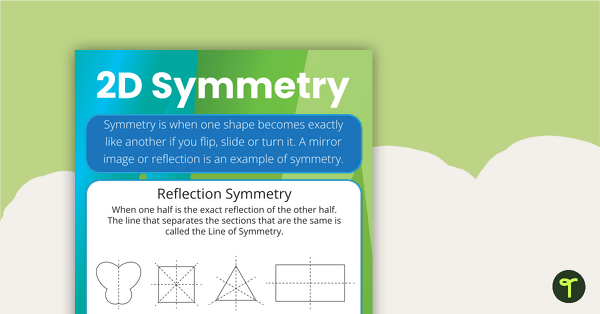
2D Symmetry Poster - Reflection and Rotational
This 2D symmetry poster explores both reflection and rotational symmetry.
- Plus Plan
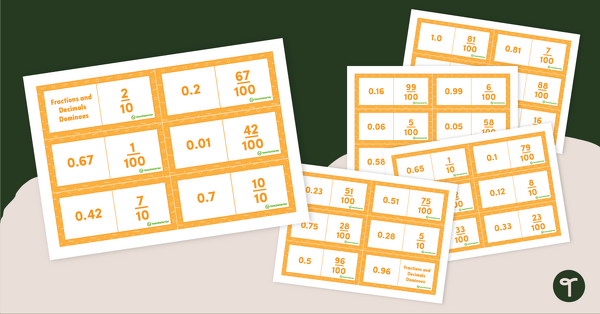
Fraction and Decimal Dominoes – Tenths and Hundredths
Reinforce students' understanding of converting fractions to decimals with this set of dominoes.
- Plus Plan
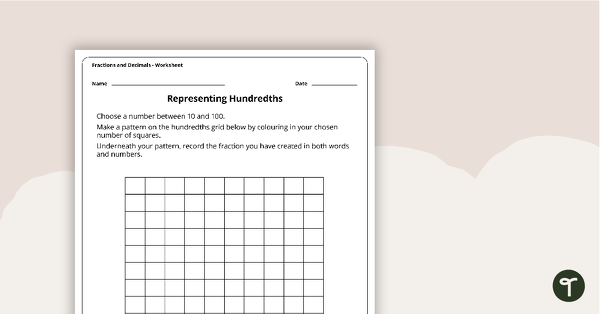
Representing Hundredths Worksheet
Have students demonstrate their understanding of hundredths with this simple one-page worksheet.
- Plus Plan
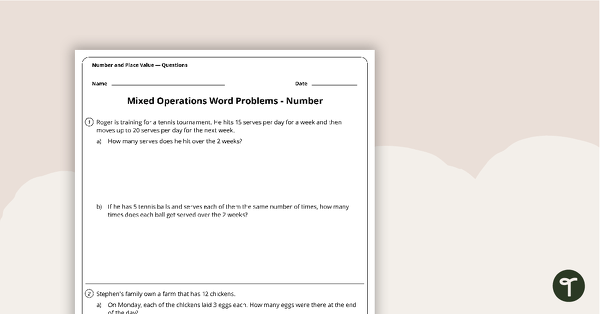
Word Problem Worksheet - Number
Number word problem worksheet with answers.
- Plus Plan
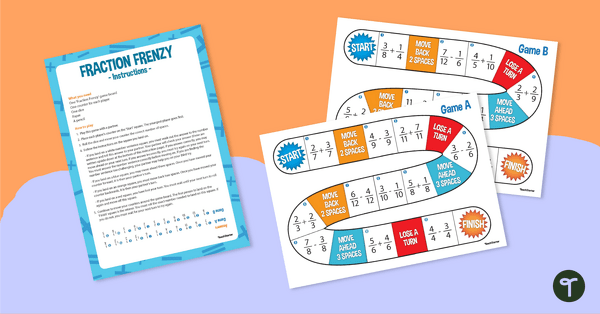
Adding and Subtracting Fractions Board Game
Use this adding and subtracting fractions game as a fun alternative to worksheets.
- Plus Plan
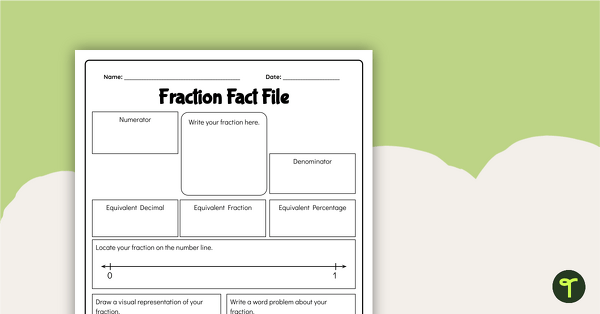
Fraction Fact File Worksheet
Explore all things fractions with this one-page printable worksheet.
- Plus Plan
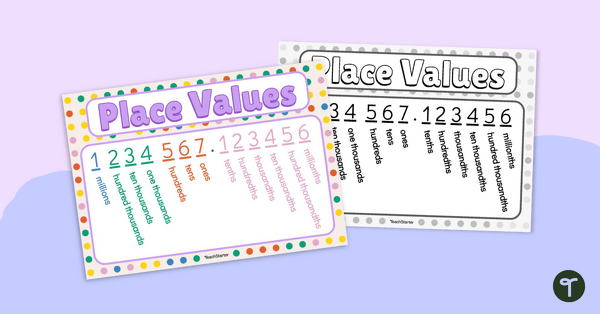
Place Value Chart with Decimals
Display this place value chart in your classroom to remind your students of place value from millions to millionths.
- Plus Plan
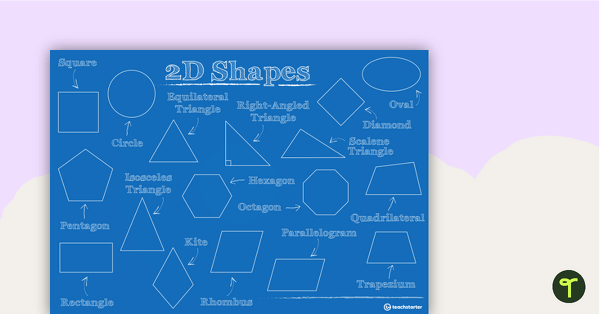
2D Shapes Blue Print Poster
2D Shapes and their names on one poster.
- Plus Plan
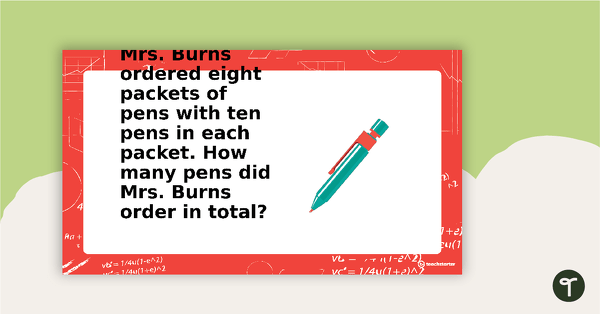
Multiplication Facts PowerPoint - Eight Times Tables
A 30 slide PowerPoint to use when learning about multiplication.
- Plus Plan
Multiplication Facts PowerPoint - Seven Times Tables
A 30 slide PowerPoint to use when learning about multiplication.
- Plus Plan
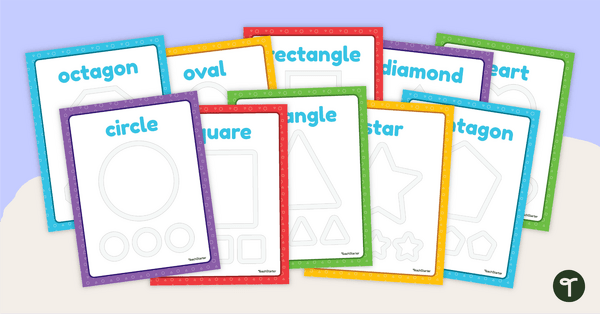
Shape Playdough Mats for Fine Motor Development
A set of 6 shape playdough mats to help children develop their fine motor skills and identify different 2D shapes.
- Plus Plan
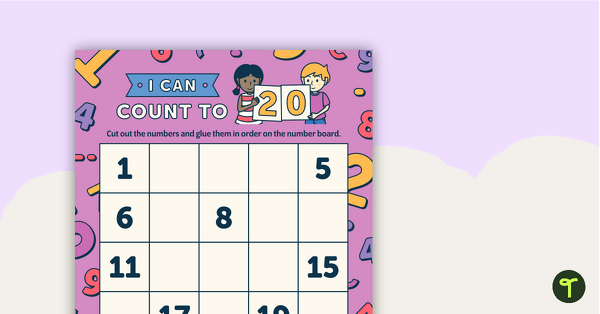
Counting to 20 Activity
Use this number activity to consolidate your students’ knowledge of numbers 1-20.
- Plus Plan
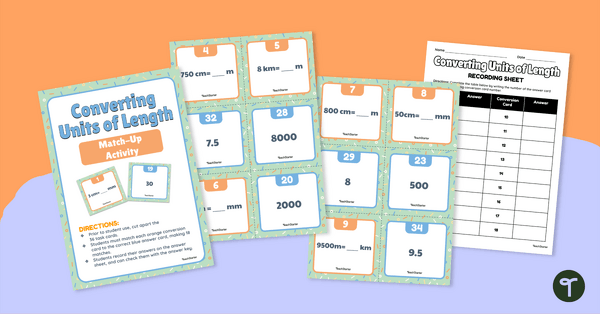
Measurement Conversion Games — Matching Lengths
Provide students with measurement conversion games like this matching activity to give them practice converting between common units of length.
- Plus Plan
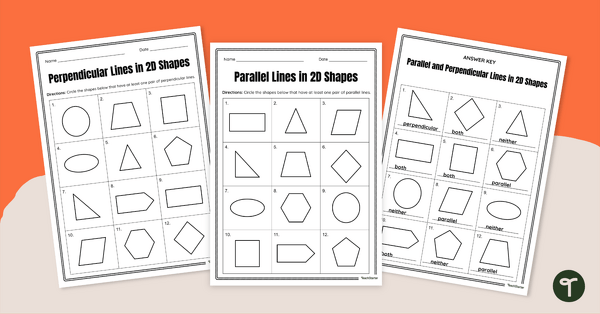
Identifying Parallel and Perpendicular Lines in Shapes Worksheet Pack
Present this parallel and perpendicular lines in shapes worksheet pack to your students to give them practice identifying attributes of 2D shapes.
- Free Plan
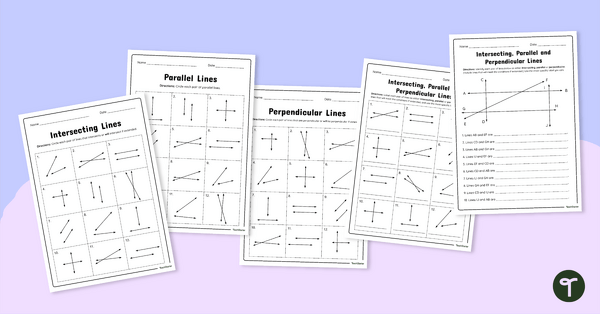
Intersecting, Parallel and Perpendicular Lines Worksheet Set
Use this intersecting, parallel and perpendicular lines worksheet set to introduce your students to basic line concepts.
- Plus Plan
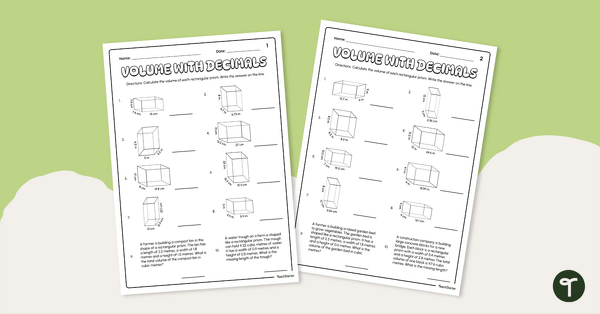
Volume With Decimals Worksheets
Provide these volume with decimals worksheets to your students to give them practice calculating volume and multiplying decimals.
- Plus Plan
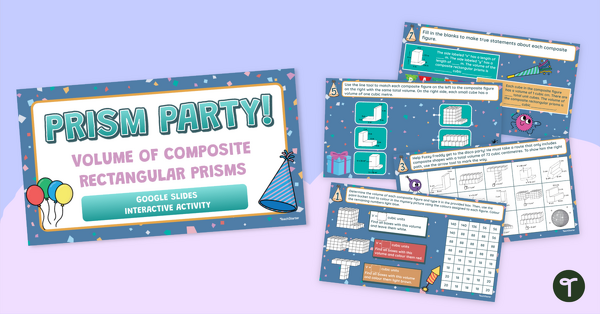
Composite Volume Problems — ‘Prism Party’ Interactive Activity
Challenge your students with this composite volume problems interactive activity that provides nine levels of volume-finding fun!
- Free Plan
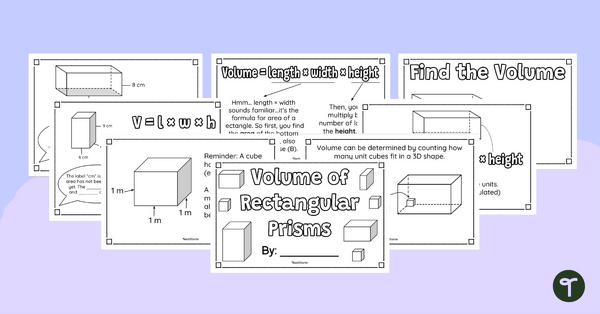
Volume of Prisms Activity — Mini-Book
Use our volume of prisms activity book to teach your students how to find the volume of rectangular prisms.