Grammar Teaching Resources
Browse printable grammar worksheets, games for kids and more writing activities for primary school. You'll even find free grammar downloads for your lesson plans to help students learn the different parts of speech, understand sentence structure and learn how to create grammatically correct sentences.
This comprehensive collection of teacher resources was created by teachers for Aussie teachers just like you. Explore printables and digital downloads that are aligned with the Australian English curriculum and easily editable to differentiate instruction for students.
Best of all, each resource has undergone a careful review by an expert member of our teacher team to ensure it's ready for your classroom, your lesson plan and your students!
Is this your first year teaching grammar to kids? Or are you just looking for fresh ideas to engage your students on this aspect of writing? Read on for a primer from our teacher team!
7 Things Teachers Need on Hand for Teaching Grammar
So you're teaching grammar this school year? Welcome to the wonderful world of words (and sentences ... and punctuation!).
You may be wondering what you'll need to prepare to ensure you have everything on hand to actually teach students the mechanics of writing, so our teacher team has put together a comprehensive list of classroom supplies that will make it easier!
- Anchor chart paper and markers
- Graphic organizers
- Writing rubrics
- Postcards and other cards for your writing centers
- Envelopes
- Clipboards
- Samples of writing
What Is Grammar in English? A Kid-Friendly Definition
Before you launch into the wonderful world of writing conventions with your class, it can be helpful to define the meaning of grammar in the context of your instruction.
Here's a definition our teacher team likes to use:
Grammar is a set of rules for writing that help us communicate effectively. It helps us to organise words, phrases and sentences in a way that makes sense to others. Without grammar, our sentences would be scrambled and hard to understand!
How to Teach Grammar — Tips From Our Teacher Team
If you're sitting down to map out your grammar lesson plans, and you're not quite sure where to begin, it can be helpful to take a look at how other teachers structure their lessons.
With that in mind, we asked a few teachers on our team to share their process for doing exactly that!
Start With Phrases and Clauses
One teacher on our team uses this order for her grammar lessons:
- Phrases and clauses
- Sentence types
- Punctuation rules
The reason?
Students need to have an understanding of the difference between a phrase and a clause to lay the foundation for creating organized sentences.
Likewise, it's important to know the difference between independent and dependent clauses before you can start teaching the different sentence types.
Finally, teaching sentence types gives students a solid foundation for introducing comma rules.
Start With FANBOYS
Another teacher on our team suggests teaching grammar in this order:
- Teach students about coordinating conjunctions and the FANBOYS acronym.
- Move on to phrases and clauses.
- Next, work on sentence structure.
- Plus Plan
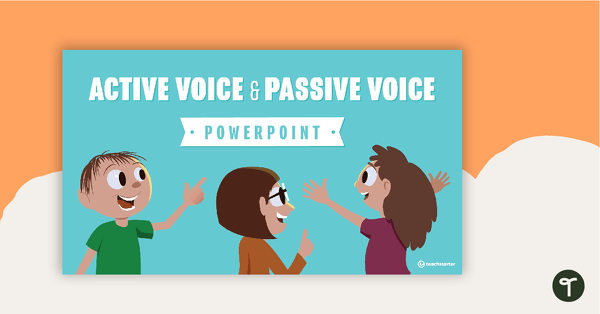
Active Voice and Passive Voice PowerPoint
A 13 slide editable PowerPoint template to use when teaching your students about active voice and passive voice.
- Plus Plan
"Simon Says" Instruction Cards
A set of 24 instruction cards to use when playing "Simon Says".
- Plus Plan
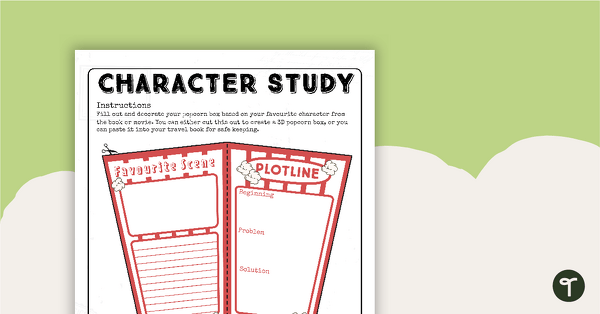
Movie Character Study 3D Popcorn Box Template
A movie review activity that students can make into their own 3D popcorn box.
- Plus Plan
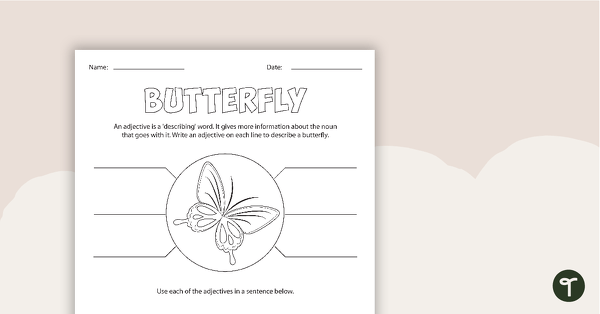
Minibeast Adjectives Worksheet
A set of 12 insect themed adjective worksheets to use in the classroom when learning about minibeasts.
- Plus Plan
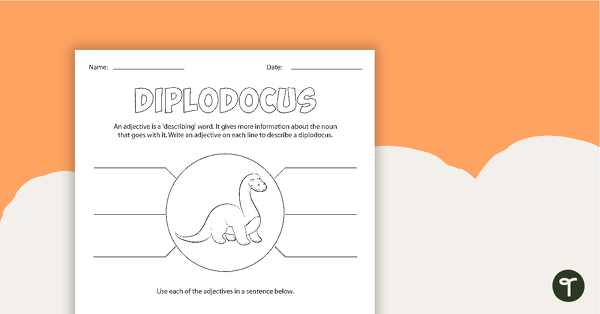
Dinosaur Adjectives Worksheet
A set of 6 dinosaur themed adjective teaching resource worksheets.
- Plus Plan
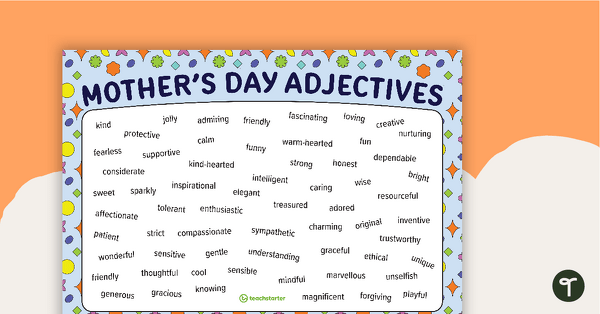
What's the Word? Mother's Day Descriptive Words
Describe the amazing mums in your students' lives with the help of a printable list of Mother's Day words.
- Plus Plan
Let's Build a Sentence
A 60 minute lesson in which students will write simple and compound sentences.
- Plus Plan
Building Compound Sentences
A 60 minute lesson in which students will identify that a compound sentence is made up of two or more main clauses joined together by a conjunction.
- Plus Plan
What is a Sentence?
A 60 minute lesson in which students will identify that a simple sentence is a group of words that contains a subject, a verb and expresses a complete thought.
- Plus Plan
Let's Build a Sentence Unit Plan
This English unit has been designed to introduce the key components of simple and compound sentences to younger students; specifically, capital letters and punctuation; verbs, nouns, adjectives and conjunctions.
- Plus Plan
Common and Proper Nouns
A 60 minute lesson in which students will identify that a noun is a naming word used for a person, place or object.
- Plus Plan
Active Voice and Passive Voice
A 60 minute lesson in which students will identify and use active voice and passive voice in sentences.
- Plus Plan
Using Adjectives to Describe a Character
A 60 minute lesson in which students will use adjectives to describe the personality and appearance of characters.
- Plus Plan
Using Adjectives
A 60 minute lesson in which students will identify that an adjective provides information about a noun and is often called a describing word.
- Plus Plan
Building Simple Sentences
A 60 minute lesson in which students will build a simple sentence.
- Plus Plan
Capital Letters and Punctuation - Fix It!
A 60 minute lesson in which students will identify that capital letters and punctuation are used to build sentences.
- Plus Plan
Capital Letters and Punctuation
A 60 minute lesson in which students will identify that capital letters and different types of punctuation are used to build sentences.
- Plus Plan
Very Important Verbs
A 60 minute lesson in which students will identify that a verb describes an action in clauses or sentences.
-
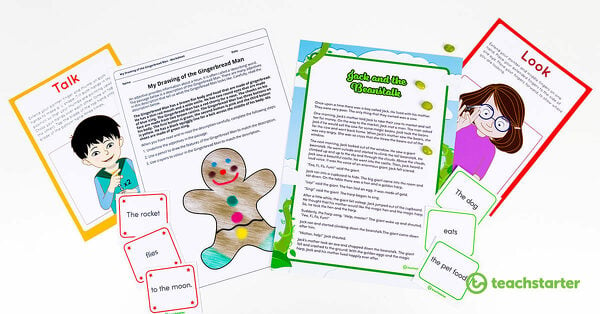
10 Tips for Teaching the Foundations of Sentence Structure
Increase the fun factor during your language lessons with these top tips for securing student understanding of sentence structure!
-
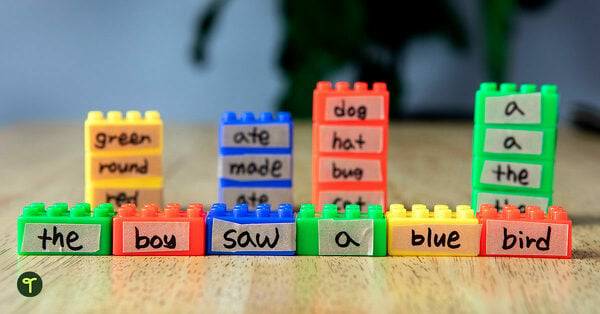
Fun Ways to Learn with LEGO in the Classroom
From learning sentence structure to coding activities, using Lego for learning in the classroom is a no brainer.
-
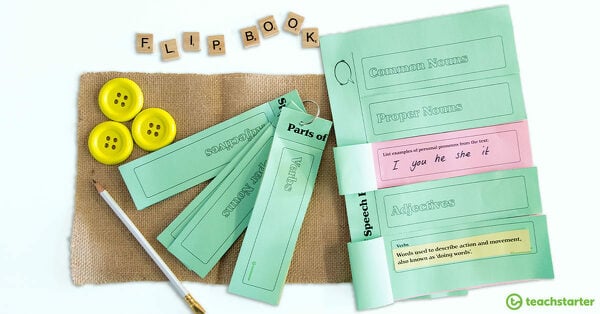
The Ultimate Parts of Speech Flip Book
Don't miss this parts of speech resource that will make teaching and learning grammar easy.
-
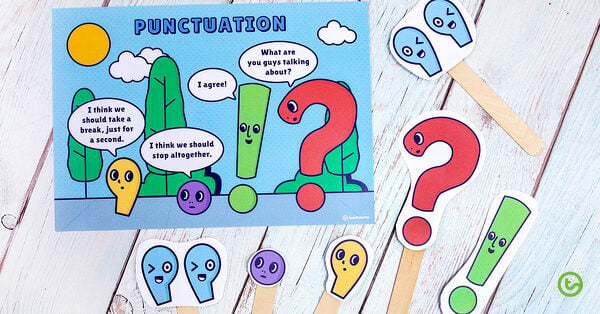
26 Fun Punctuation Resources and Activities
Are you looking for some fun and engaging punctuation activities and resources for the classroom?