Landforms Teaching Resources
Are you teaching about the different major landforms this school year? Get worksheets, activities and more for your lesson plans — all created by teachers for teachers like you!
This collection of printables and digital teaching resources is aligned with the Australian HASS curriculum and includes editable options so you can meet standards while also differentiating your instruction to meet individual student needs.
New to teaching this portion of the curriculum or just looking for fresh ideas? Here's a quick refresher from the science teachers at Teach Starter!
What Is a Landform? A Definition for Kids
By definition, a landform is a natural feature of the planet Earth — everything from mountains to valleys.
We teach kids that landforms have recognisable shapes, such as the cavernous shape of a valley or the high peak of a mountain, and it's important to point out that these features can come in a variety of sizes. A hill may be smaller than a mountain, but it's still a landform.
You likely know Australia is a geographically diverse country (and continent!) with many landforms, including mountains, plains and valleys. So how do you teach this concept in your classroom? We thought you'd never ask!
How to Teach About Landforms
Many different teaching resources can be used to teach landforms to students of all ages. Here are a few ideas to get you started:
- Maps — Maps are an excellent resource for teaching landforms, as they allow students to see the location and shape of different features. You can use physical maps, such as a printable blank map, or digital interactive activities to introduce your students to new places.
- Hands-on activities — Hands-on activities are a great way to engage students in the study of landforms and help them understand the concepts in a more concrete way. Some ideas might include landform matching activities, landform sorts, bingo games and more.
- Practice Activities —Practise makes perfect, so any type of teaching material that builds in that practise is great for learning about landforms. You could have a look at our map labelling worksheets, geography matching activities, and printable map quizzes.
Why Should Kids Learn About Landforms?
There are many reasons why kids should learn about landforms. Here are a few:
- Landforms are a fundamental part of the natural world, and they shape the environment in which we live. By learning about landforms, kids can better understand how the Earth's surface has evolved over time and how it continues to change today.
- Landforms are an important aspect of geography, and learning about them can help kids develop a sense of place and an appreciation for the diversity of the world around them. It can also help them understand the relationships between different landforms and how they influence human activity.
- Landforms can be used as a way to teach kids about science and the scientific method. By studying landforms, kids can learn about the processes that shape the Earth's surface, such as erosion and tectonic activity. They can also develop critical thinking skills by formulating hypotheses and testing them through observation and experimentation.
- Plus Plan
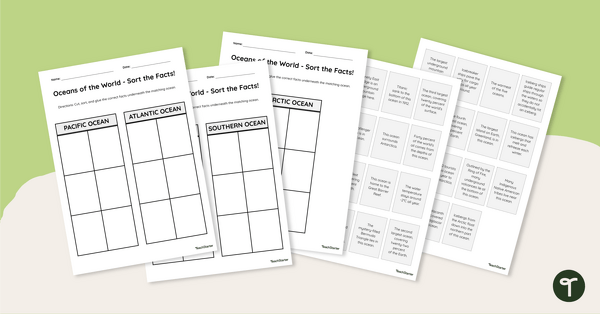
Oceans of the World - Cut and Paste Worksheet
Explore some key facts about the world’s five oceans with this cut-and-paste worksheet.
- Plus Plan
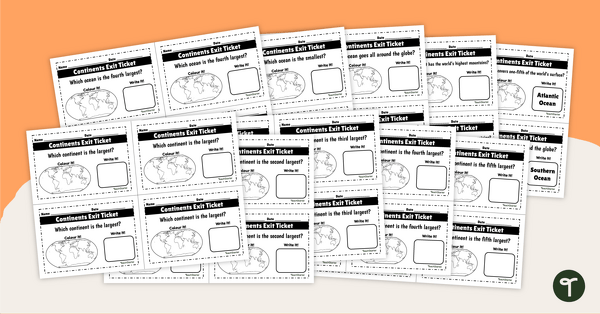
Continents and Oceans - Exit Tickets
Determine your students' mastery of Geography concepts with a set of twenty continents and oceans exit tickets.
- Plus Plan
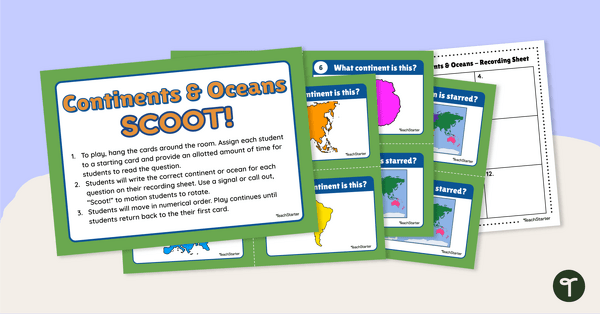
Continents and Oceans - SCOOT! Task Cards
Learn to locate and identify the continents and oceans on Earth with a game of SCOOT!
- Plus Plan
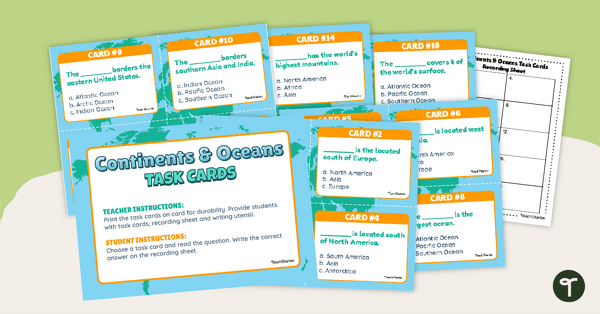
Continents and Oceans Task Cards
Practise identifying and describing the 7 continents and 5 oceans with a set of task cards.
- Free Plan
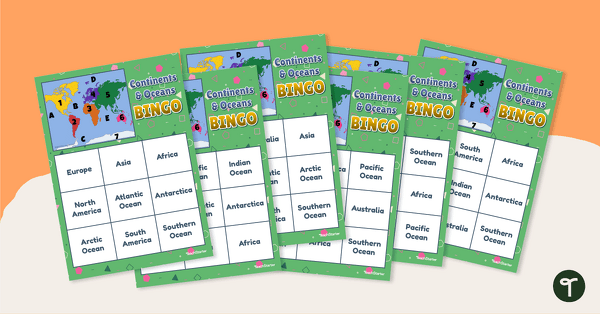
Continents and Oceans Bingo
Turn Geography into a fun and educational learning experience by using our Continents and Oceans Bingo Game!
- Plus Plan
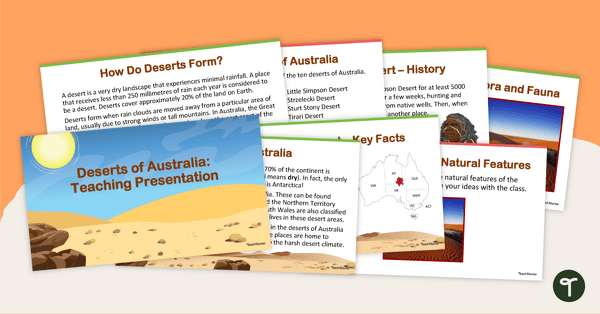
Deserts of Australia - Teaching Presentation
Explore Australia's deserts with this 14-slide editable teaching presentation.
- Plus Plan
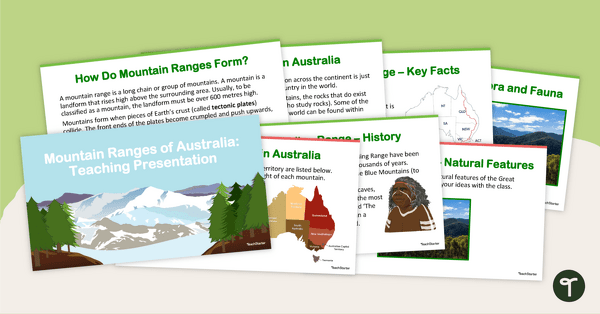
Mountain Ranges of Australia - Teaching Presentation
Explore Australia's mountain ranges with this 14-slide editable teaching presentation.
- Plus Plan
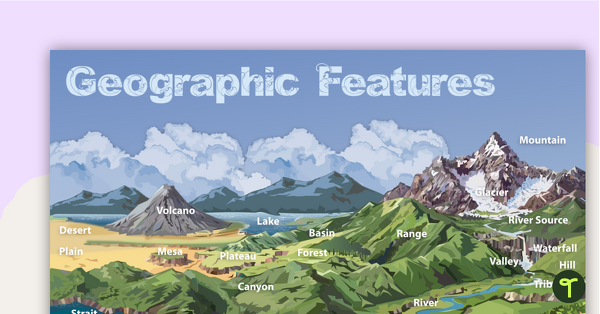
Geographic Landforms Features Poster and Worksheet
Add this poster of different types of geographic features of Earth to your classroom walls to provide a visual reference for students.
- Plus Plan
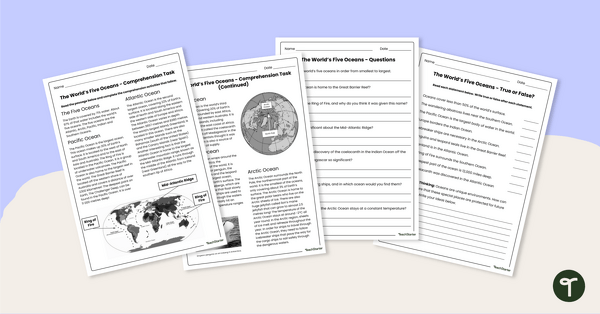
The World's Oceans - Comprehension Worksheet
Explore the world’s five oceans with this detailed comprehension passage and related questions.
- Plus Plan
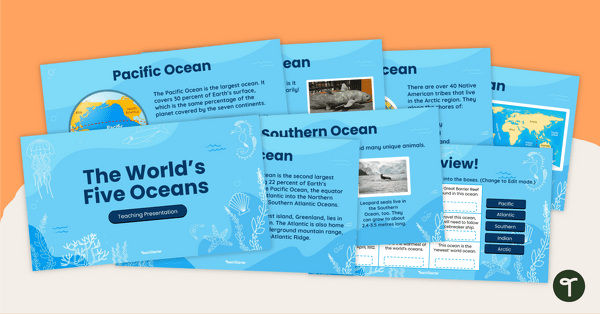
The World's Five Oceans - Teaching Presentation
Explore the world’s five oceans with this comprehensive teaching presentation.
- Plus Plan
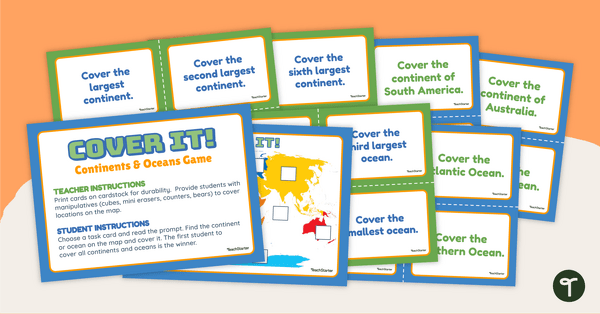
Continents and Oceans - Cover It! Game
Locate the continents and oceans of the world on a map with this engaging, hands-on Geography game.
- Plus Plan
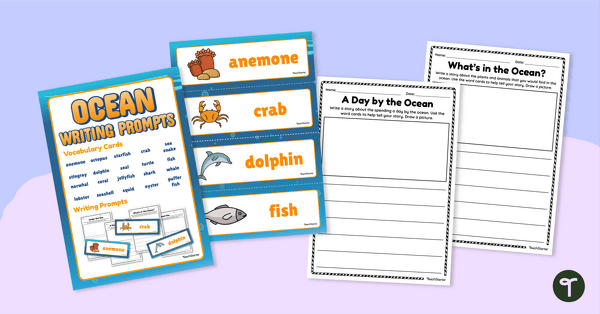
Ocean-Themed Flashcards and Writing Prompts
Build vocabulary and writing skills with this ocean-themed writing activity.
- Plus Plan
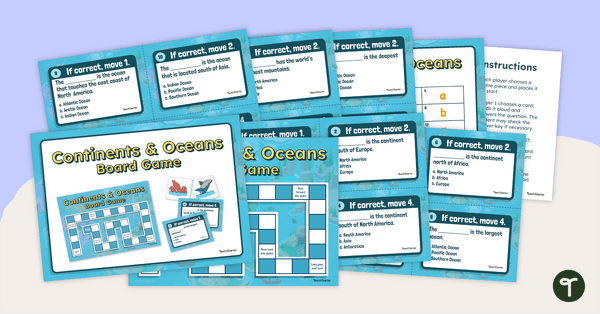
Continents and Oceans Board Game
Explore the continents and oceans of the world with this hands-on Geography board game.
- Plus Plan
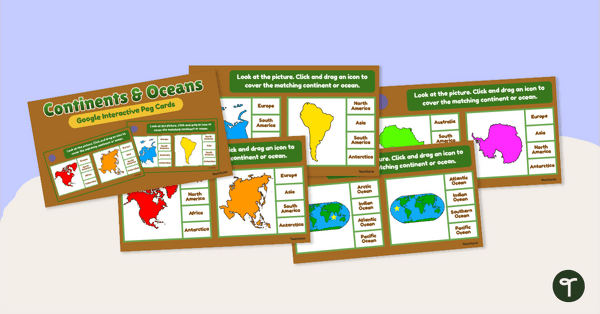
Continents and Oceans - Interactive Peg Cards
Turn world geography into a digital learning experience with this interactive activity.
- Plus Plan
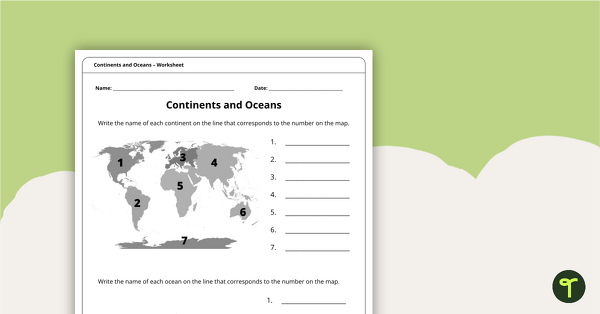
Continents and Oceans Worksheet
A worksheet to practise identifying the 7 continents and 5 oceans.
- Plus Plan
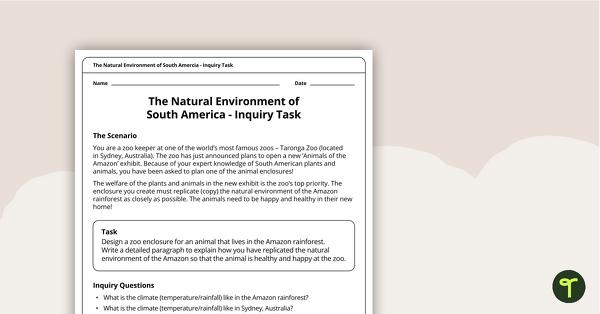
The Natural Environment of South America — Inquiry Task
An inquiry task focusing on the natural environment of the Amazon rainforest in South America.
- Plus Plan
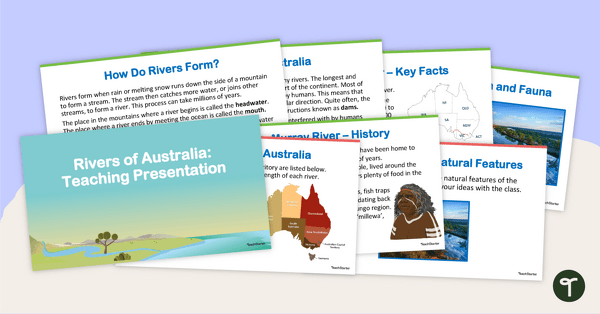
Rivers of Australia - Teaching Presentation
Explore Australia's complex system of rivers with this 14-slide editable teaching presentation.
- Plus Plan
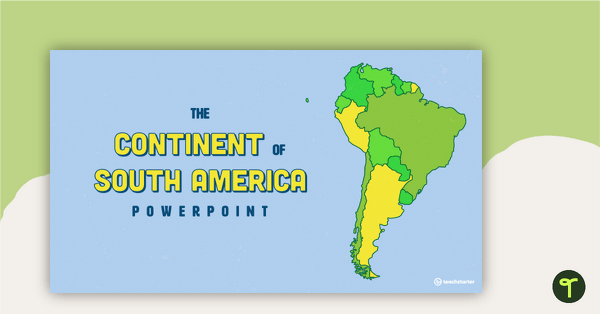
The Continent of South America PowerPoint
A 20 slide editable PowerPoint template to use when introducing students to the geographical features of South America.
- Plus Plan
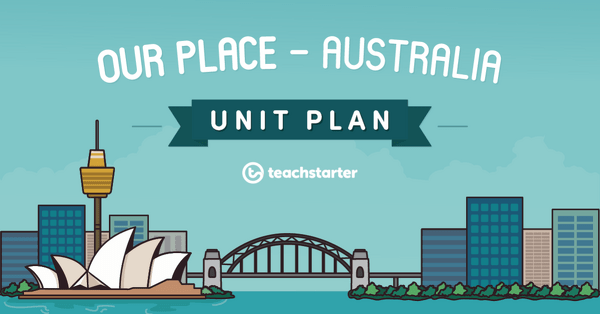
Our Place - Australia Unit Plan
This Humanities and Social Sciences unit addresses a range of concepts relating to the natural and human features of Australia.
- Plus Plan
Rivers of Australia
A 60 minute lesson in which students will identify, describe and locate rivers in Australia.
- Plus Plan
Our Place - Australia Inquiry Task
An inquiry-based assessment task in which students will demonstrate an understanding of the natural and human features of Australia.
- Plus Plan
The Natural Environment of South America
A 60 minute lesson in which students will explore the natural environment of the continent of South America.
- Plus Plan
Reflection of Learning
A 60 minute lesson in which students will reflect on what they have learned about the continents of Africa and South America.
- Plus Plan
The Natural Environment of Africa
A 60 minute lesson in which students will explore the natural environment of the continent of Africa.
- Plus Plan
Welcome to Africa!
A 60 minute lesson in which students will identify some of the countries and major cities on the continent of Africa.
- Plus Plan
Where in the World?
A 60 minute lesson in which students will revise world geography.
- Plus Plan
The Natural Environment of South America - Inquiry Task
A 60 minute lesson in which students will demonstrate their understanding of the natural environment of South America through an open-ended inquiry.
- Plus Plan
The Topography of South America
A 60 minute lesson in which students will explore the topographical features of the continent of South America.
- Plus Plan
Welcome to South America!
A 60 minute lesson in which students will identify some of the countries and major cities on the continent of South America.
- Plus Plan
The Natural Environment of Africa - Inquiry Task
A 60-minute lesson in which students will demonstrate their understanding of the natural environment of Africa through an open-ended inquiry.
- Plus Plan
The Topography of Africa
A 60 minute lesson in which students will explore the topographical features of the continent of Africa.
- Plus Plan
A Natural Wonder - Our Great Barrier Reef
A 60 minute lesson in which students will explore the unique natural environment of the Great Barrier Reef.